
There's a quiet shift happening in how Americans think about their sixties. For decades, 65 stood as the unofficial finish line, the age when work ended and a new chapter began. Now that number is starting to feel more like a suggestion than a plan, as rising costs and shrinking confidence push the goalposts further out for millions of workers.
Retirement confidence is falling across the board

Retirement confidence is falling across the board (Image Credits: Pexels)
The most recent data paints a clear picture of eroding optimism. Down from last year, 64% of Americans say they feel confident they have enough money to live comfortably throughout retirement, as financial strain, rising costs and growing concern about the future of Social Security and Medicare continue to weigh on workers and retirees alike. That figure comes from the 2026 Retirement Confidence Survey, the longest-running study of its kind.
The drop hits both groups. Retirement confidence decreased from 67% to 61% for workers and from 78% to 73% for retirees from a year ago. As one researcher involved in the study put it, "Retirement confidence has clearly softened this year and the data show why."
Everyday costs are quietly draining savings

Everyday costs are quietly draining savings (Image Credits: Pexels)
Inflation may have cooled from its peak, but the cumulative effect on household budgets hasn't gone away. Inflation is now running at roughly 3% a year, twice the target set by the Federal Reserve, and retirement is looking like a more costly experience than it was just a year ago. That steady drip of higher prices adds up fast when it's applied to groceries, utilities, and everyday essentials over years.
Cost concerns dominate when workers explain their decisions. Nearly half of the respondents cited living costs as the main reason they expect to delay retirement. A separate study of pre-retirees found something similar, where nearly three-quarters of respondents identify rising costs as their top retirement concern.
Healthcare expenses are becoming a retirement wildcard

Healthcare expenses are becoming a retirement wildcard (Image Credits: Unsplash)
Medical costs sit near the top of nearly every survey on this topic, and for good reason. Health care costs continue to strain Americans before and during retirement, with nearly 6 in 10 workers saying the cost of health care is hurting their ability to save for retirement. Retirees aren't spared either, since a notable share report that their medical bills in retirement came in higher than they had budgeted for.
Some workers are staying on the job specifically to hold onto employer coverage a bit longer. As healthcare costs continue rising, some workers are choosing to delay retirement in order to maintain employer-sponsored insurance coverage longer. Long-term projections don't offer much relief either, with health-related cost inflation expected to remain higher with a projected long-term inflation rate of 5.8%.
Debt is following people closer to retirement age than ever

Debt is following people closer to retirement age than ever (Image Credits: Pexels)
Carrying debt into your fifties and sixties used to be less common. That's changing. Sixty-five percent of workers said debt is a problem for their household, and one-quarter described it as a major problem, while half of workers have credit card debt, and nearly 1 in 3 have more than $25,000 in non-mortgage debt.
The consequences ripple directly into retirement timing. About 3 in 5 workers and 3 in 10 retirees said debt negatively affects their ability to save for or live comfortably in retirement. Many are also dipping into retirement accounts early just to stay afloat, since about one-third of workers have taken a loan from their 401(k) or made a hardship withdrawal.
Social Security and Medicare uncertainty adds a new layer of worry

Social Security and Medicare uncertainty adds a new layer of worry (Image Credits: Pexels)
Confidence in the safety net itself has slipped noticeably. Seven in 10 retirees and 4 in 5 workers said they are concerned the government will make changes to the U.S. retirement system, and only about half of workers and 6 in 10 retirees said they are confident those programs will continue to provide benefits of equal value in the future.
Medicare confidence has taken a particularly sharp hit in the past year. Confidence in Medicare among retirees has fallen sharply in just a year, down to 62% this year from 70% in 2025, which makes sense given premiums for Medicare rose this year and some insurance providers of Medicare Advantage plans reduced their coverages or raised their patient co-payments. That kind of erosion in trust makes long-term planning feel far less stable than it did even twelve months ago.
Housing costs are squeezing retirement budgets from a new angle

Housing costs are squeezing retirement budgets from a new angle (Image Credits: Pexels)
Housing has quietly become one of the bigger threats to retirement savings, even for people who thought they had that expense under control. Three in 5 workers and one-third of retirees said high housing costs are already hurting their ability to save. That's a meaningful share of the population feeling squeezed by rent, property taxes, or maintenance costs that keep climbing.
Insurance premiums and property taxes in particular have surprised many older homeowners who assumed a paid-off mortgage meant lower monthly costs. Combined with everything else on this list, housing has moved from a background worry to a front-line concern for people trying to figure out when they can actually afford to stop working. It's a shift that shows up consistently across nearly every major retirement survey conducted in the past year.
The gap between planned and actual retirement age keeps widening

The gap between planned and actual retirement age keeps widening (Image Credits: Pexels)
There's a striking mismatch between what workers expect and what actually happens once they get there. Workers' median expected retirement age is 65, but retirees' actual median was 62, and most retired before 65. That six-year gap between intention and reality is one of the more sobering findings in this space.
Retirement, it turns out, is often not a choice at all. Forced early retirements are on the rise, with 46% of retirees reporting they left the workforce earlier than planned, up from 40% in 2025, with 41% citing a health problem or disability, up from 31% last year. That means plans to work a few extra years to shore up savings can collapse overnight due to circumstances entirely outside anyone's control.
Even younger workers are bracing for a longer road
Even younger workers are bracing for a longer road (Image Credits: Unsplash)
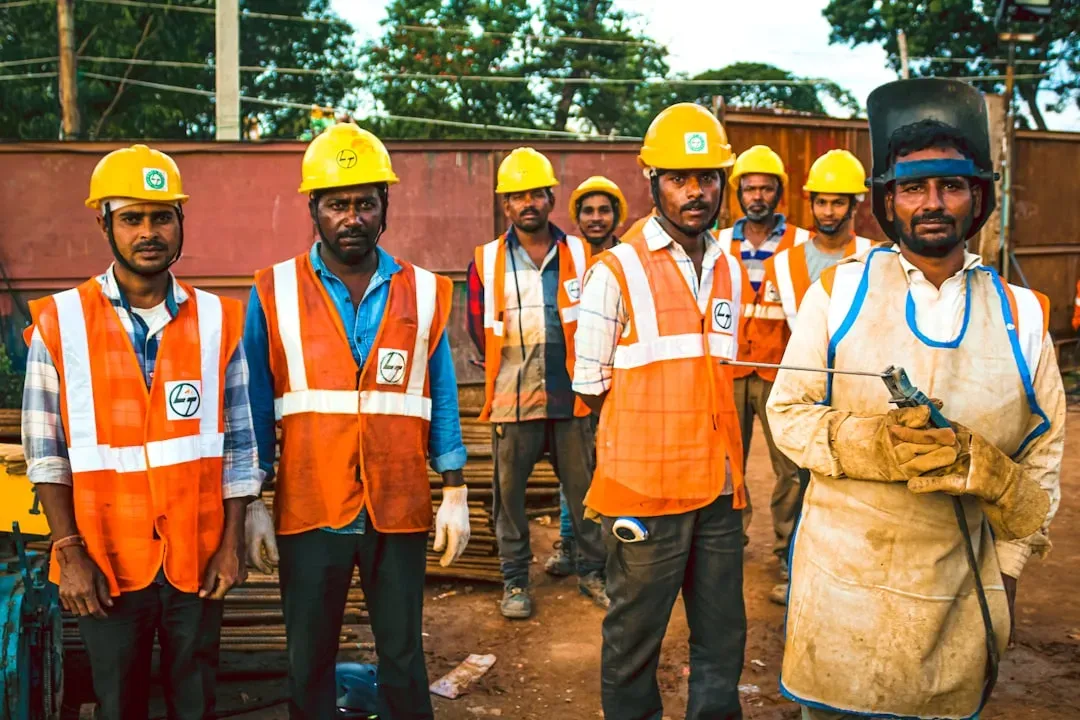
This isn't only a concern for people in their fifties and sixties. Younger workers are already adjusting their expectations, sometimes more dramatically than older generations. Generation Z workers expect to retire 5.2 years later than they would like, while Gen X workers expect to postpone retirement by 3.9 years.
That pessimism shows up in benefit-related concerns too. Among those delaying retirement, 25% point to changes in benefits such as Social Security or pension eligibility ages, up from 20% last year, and among Gen Z respondents who are delaying retirement, that figure rises to 34%, the highest of any generation. It's an unusual dynamic, watching workers barely a few years into their careers already factoring in a retirement system they don't fully trust.
Many workers are simply choosing to keep working
Many workers are simply choosing to keep working (Image Credits: Rawpixel)
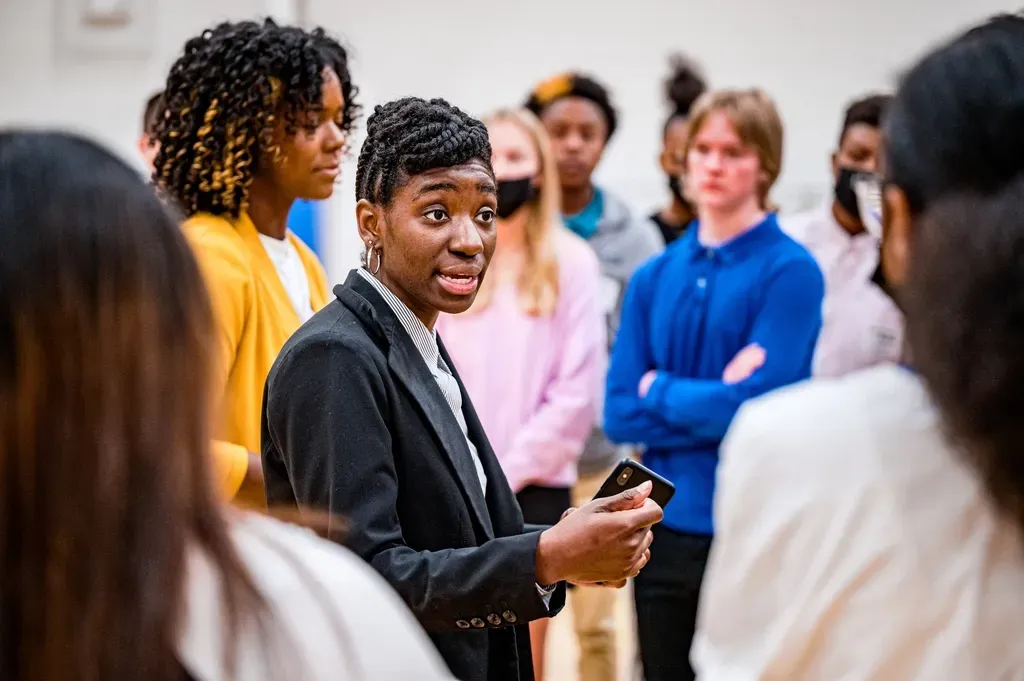
Not every delay is driven purely by fear. Some of it reflects a broader shift in how people relate to their jobs and their sense of financial security. The findings also offer evidence of a trend in the U.S. workforce dubbed the "great stay," shorthand for employees hunkering down in their jobs rather than exploring other opportunities, driven by slower hiring and economic uncertainty.
Job security has become its own kind of retirement strategy. About six in 10 respondents said they would choose long-term job security over higher pay or better benefits, while almost one-third of workers have stopped job searching in the past five years because of concerns about sacrificing job security. For many, staying put and staying employed feels safer than chasing a retirement date that keeps slipping further away.
Financial guidance appears to make a measurable difference

Financial guidance appears to make a measurable difference (President of Ukraine met with National Security Advisor to the President of the United States, <a href="https://commons.wikimedia.org/w/index.php?curid=125047347" target="_blank" rel="noopener">CC0</a>)
One consistent pattern across nearly every major study is the gap between people who work with a financial professional and those who don't. Among Americans who work with a financial professional and own protection products, 86% are confident their assets will last throughout retirement, compared to just 43% of those without a financial professional or protection products, a 43-point gap.
That gap shows up in emotional outlook too, not just numbers on a balance sheet. People working with professional guidance report feeling more hopeful and less anxious about what's ahead, even when the broader economic picture looks uncertain. It suggests that some of the fear driving delayed retirement isn't only about the size of a nest egg, but about how clearly people understand their own situation.
What this all adds up to

What this all adds up to (Image Credits: Pexels)
The numbers describe a workforce recalibrating in real time. Inflation, healthcare costs, debt, housing, and doubts about Social Security aren't separate problems so much as pieces of the same puzzle, each one nudging retirement dates a little further into the future. Whether that shift eases as costs stabilize or continues to deepen will likely depend on how these pressures evolve over the next few years, but for now, the trend line points in one direction.