
Some evenings just call for less effort at the sink. Whether it’s a late shift, a school night gone sideways, or simply the mood to skip a mountain of pots, one-bowl meals solve the problem without sacrificing flavor. These recipes lean on smart layering, minimal prep, and ingredients that do double duty, so cleanup takes minutes instead of an hour.
Each of the following dishes comes together in a single vessel, from stovetop skillet meals to sheet-pan style bowls that still qualify as low-mess cooking. They’re built for real weeknights, not elaborate weekend projects.
1. One-Pot Chicken and Rice
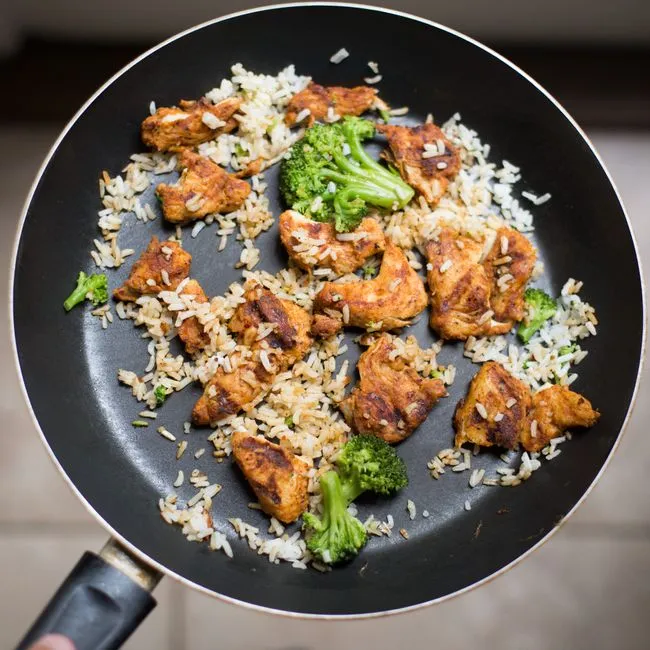
1. One-Pot Chicken and Rice (Image Credits: Pexels)
This classic combination works because rice absorbs the same broth used to cook the chicken, layering flavor while everything simmers together. Bone-in thighs are often preferred here since they stay moist during the longer cook time and release fat that naturally seasons the rice. A single skillet or Dutch oven handles searing, sautéing aromatics, and simmering, meaning one pan sees the stove from start to finish.
Adding vegetables like carrots or peas toward the end rounds out the meal without requiring a separate pot for steaming. Many versions finish with a squeeze of lemon or fresh herbs, which brightens the dish without extra dishes for garnish prep. It's a formula home cooks have relied on for generations precisely because it minimizes both effort and cleanup.
2. Sheet Pan Sausage and Vegetables
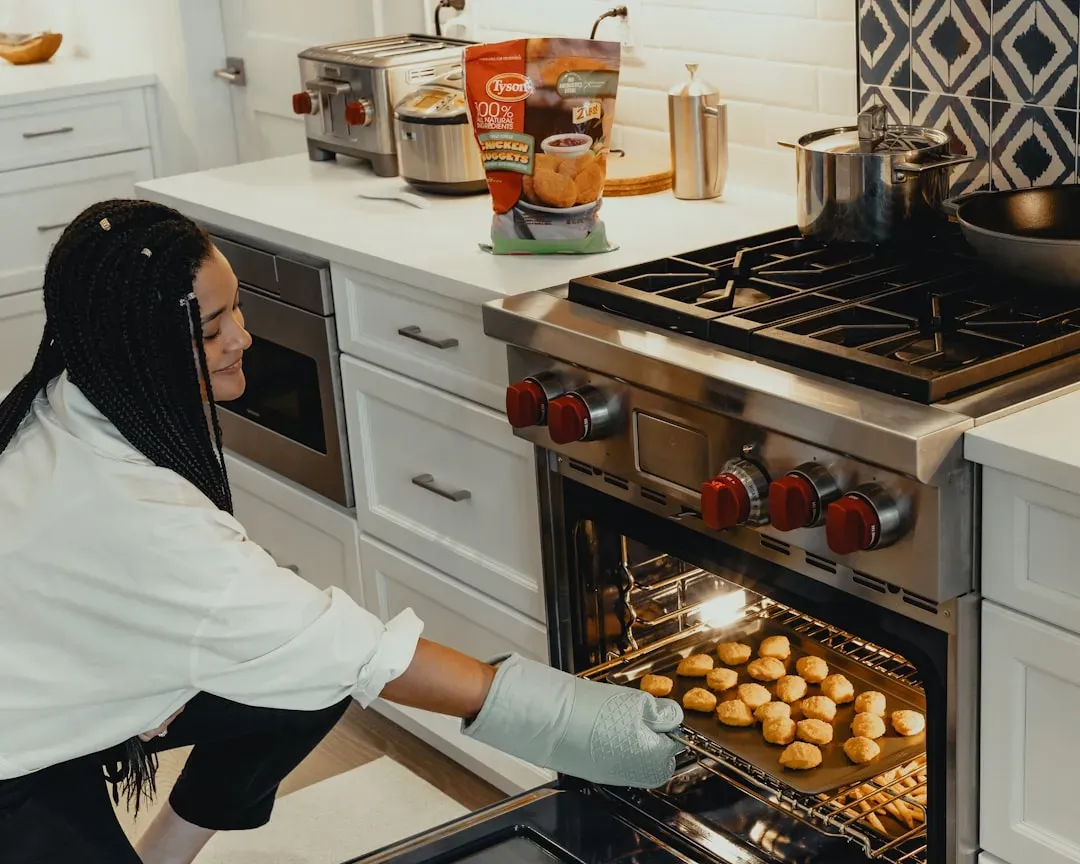
2. Sheet Pan Sausage and Vegetables (Image Credits: Unsplash)
Sheet pan dinners have surged in popularity over recent years, largely because they eliminate the need for multiple burners or bowls entirely. Sausage, whether chicken, pork, or plant-based, roasts alongside chopped vegetables like bell peppers, zucchini, or Brussels sprouts on a single lined tray. The high heat of roasting caramelizes edges and concentrates flavor, so minimal seasoning is needed beyond olive oil, salt, and pepper.
Parchment paper or foil makes the pan itself nearly zero-cleanup, since it can simply be discarded after the meal. Timing matters here, denser vegetables like potatoes need a head start before quicker-cooking items like sausage or leafy greens join the tray. This approach has become a weeknight staple in food media largely because it scales easily and rarely fails.
3. Skillet Beef and Noodle Stir-Fry
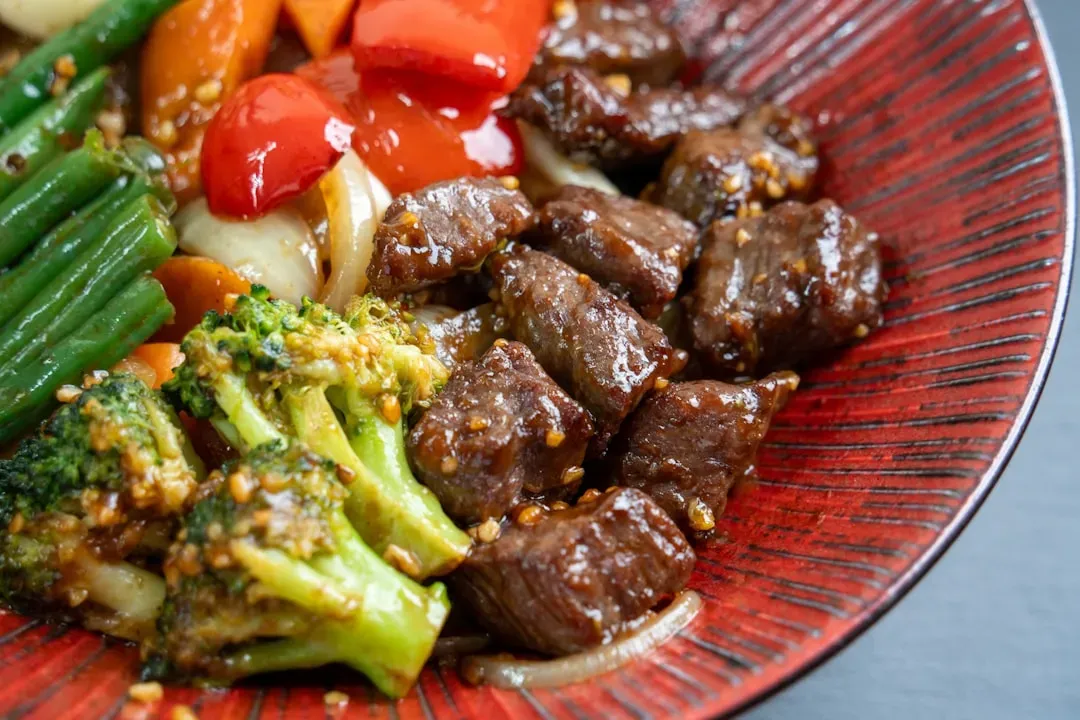
3. Skillet Beef and Noodle Stir-Fry (Image Credits: Unsplash)
Stir-fry method traditionally uses a wok, but a large skillet does the job just as well for home kitchens without specialized equipment. Thin strips of beef cook quickly over high heat, then noodles and vegetables join the same pan to absorb the residual sauce and juices. Soy sauce, garlic, and ginger form a base that clings to noodles without needing a separate sauce bowl.
The key to keeping this a true one-pan meal is prepping ingredients before turning on the heat, since stir-frying moves fast and doesn't allow time for mid-cook chopping. Rice noodles or egg noodles both work, though egg noodles tend to hold sauce slightly better due to their texture. This dish typically takes under twenty minutes from start to finish, making it a reliable option on tighter weeknights.
4. Baked Ziti in One Dish
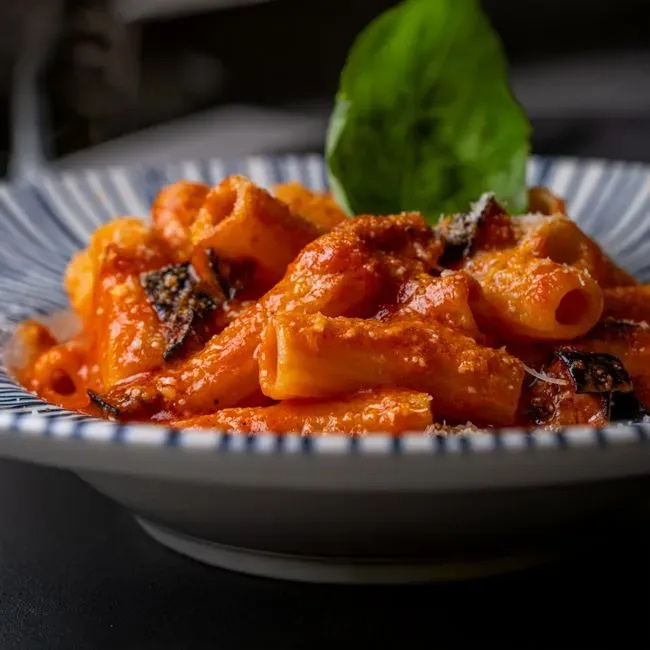
4. Baked Ziti in One Dish (Image Credits: Pexels)
Baked pasta dishes often require boiling noodles separately before combining them with sauce, but no-boil methods have simplified this considerably. Uncooked ziti or penne can bake directly in a mixture of marinara, water, and cheese, with the pasta absorbing liquid as it cooks in the oven. This technique, sometimes called the one-pan pasta bake method, has gained traction in recent cooking coverage for cutting both time and dishes.
Ground beef or Italian sausage can be browned first in the same baking dish if it's oven-safe on the stovetop, keeping the entire process contained to one vessel. Cheese layered on top melts into a golden crust, giving the dish a baked casserole feel without the extra step of a separate pot for pasta water. Leftovers reheat well, which adds practical value beyond just the initial low-effort cooking.
5. Shrimp and Grits in a Single Pan
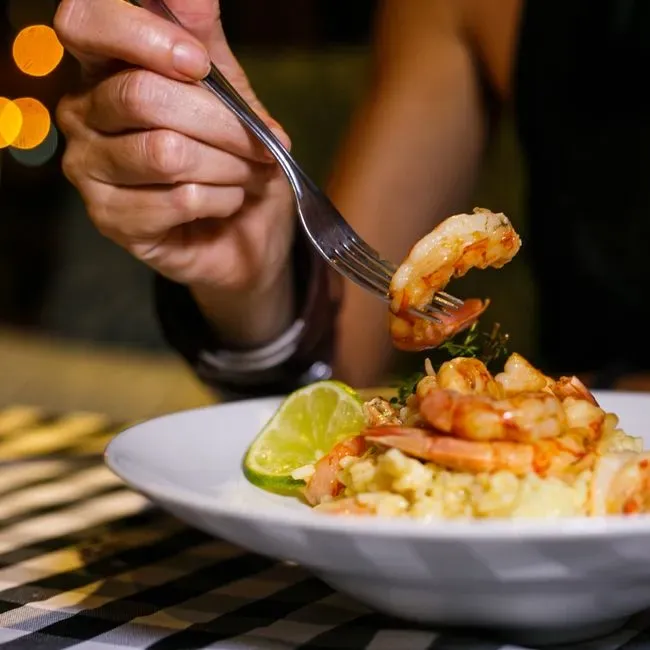
5. Shrimp and Grits in a Single Pan (Image Credits: Pexels)
Grits cook slowly in liquid, usually a combination of water, milk, or broth, and that same pot can transition directly into cooking shrimp once the grits are creamy. Cheese stirred into the grits at the end adds richness without needing separate preparation. Shrimp cook in mere minutes, often in butter or a bit of bacon fat left in the pan from earlier steps, layering flavor efficiently.
This dish, rooted in Southern cooking traditions, has found renewed popularity in recent years as home cooks look for comforting meals that don't demand hours of prep. A quick pan sauce made from the shrimp drippings, lemon juice, and a touch of hot sauce ties the dish together without dirtying another surface. Because grits reheat reasonably well, this also works as a make ahead option for busy weeks.
6. Vegetable and Lentil Curry
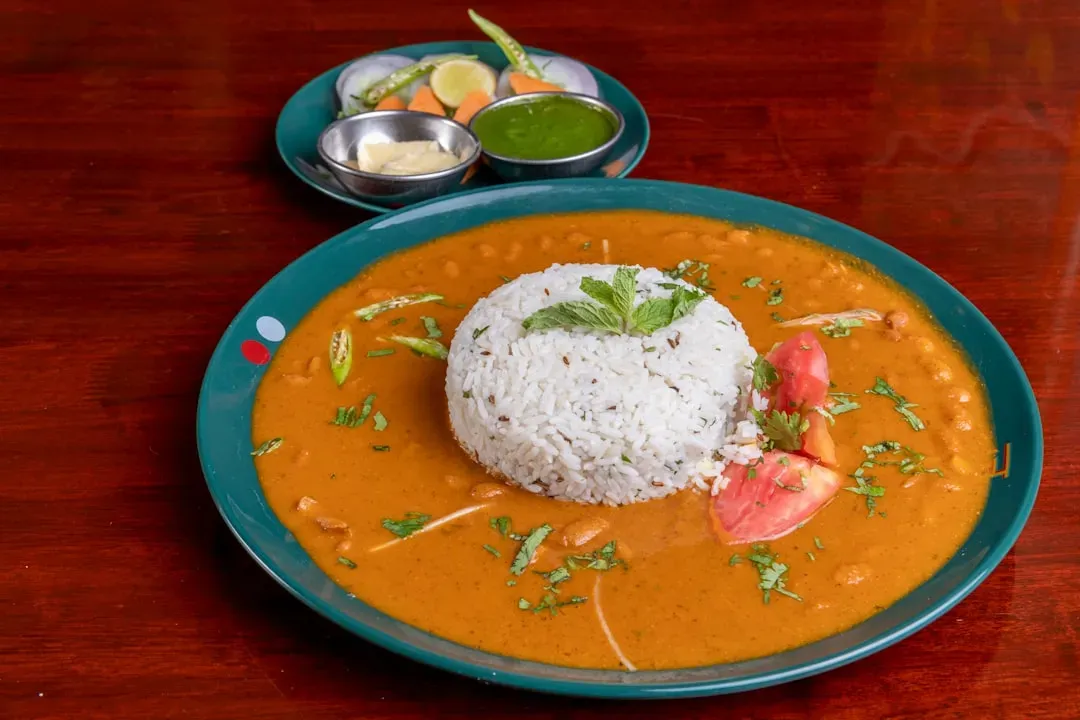
6. Vegetable and Lentil Curry (Image Credits: Unsplash)
Lentils cook directly in a curry base of coconut milk, tomatoes, and spices, meaning there's no need to boil them separately beforehand. This makes curry one of the more forgiving one-pot meals, since lentils are fairly tolerant of extended simmering without becoming mushy or falling apart. Vegetables like spinach, cauliflower, or sweet potato can be added at different stages depending on how quickly they cook.
Plant-based curries like this have become increasingly common in weeknight meal planning, partly due to rising interest in reducing meat consumption and partly because lentils are inexpensive and shelf-stable. A single pot handles everything from blooming spices in oil to the final simmer, and rice can even cook in a separate small pot if a starch is desired, though many serve the curry alone or with bread. Leftover curry often tastes even better the next day, as the spices have more time to meld.
Each of these six recipes shares the same underlying logic: fewer vessels, smarter cooking order, and ingredients that build flavor as they go rather than needing separate preparation. None require specialty equipment, and all can be adapted based on what's already in the fridge. For nights when the last thing anyone wants is a sink full of pots, these dishes offer a genuinely practical way to eat well without the extra cleanup.