
Kitchens have quietly turned into classrooms this year. People are pulling up recipe videos, texting photos of half finished dinners to friends, and trying dishes that would have seemed exotic on a menu just a few years ago. Roughly ninety three percent of Americans expect to cook as much as last year or more in the next twelve months, and a lot of that cooking is reaching well beyond the usual weeknight rotation.
What's interesting isn't just that people are cooking more. It's what they're choosing to make. From Seoul street snacks to West African stews, home cooks are borrowing recipes across borders faster than any single trend report can keep up with.
Tteokbokki brings Korean street food to the stovetop
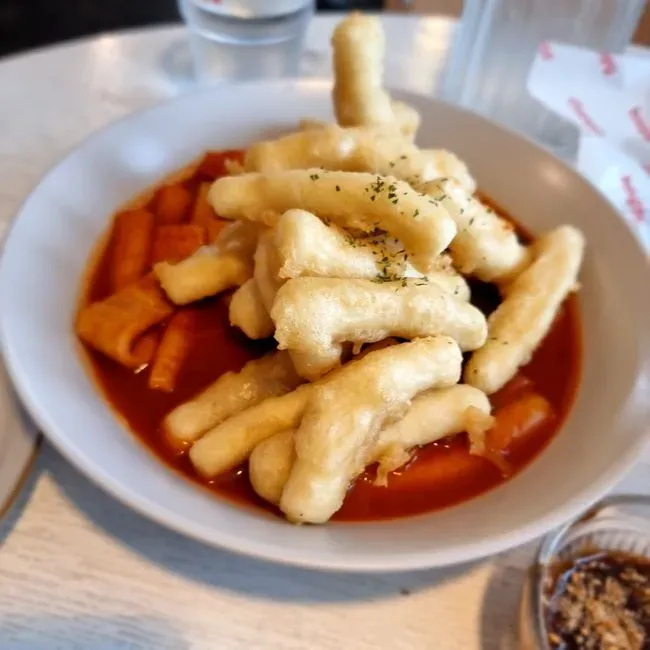
Tteokbokki brings Korean street food to the stovetop (Image Credits: Pexels)
Tteokbokki, a staple of Korean street food culture made from chewy rice cakes, has broken out internationally after surging on social media, helped along by BTS singer Jimin sharing his love of the dish. The dense, springy texture is part of the appeal, and the sweet chili glaze translates well for people who grew up on very different flavors. Recipes from chef Judy Joo and cookbook author Su Scott, whose book Pocha includes a sweet spicy version with a sticky chilli honey glaze, have helped push the dish further into home kitchens.
Korean cooking isn't stopping at rice cakes either. Mexican and Korean cuisines are currently the most popular international cuisines on TikTok, and simplified Korean beef bowls have become a weeknight favorite for exactly that reason. A quick version built from ground beef, soy sauce, garlic, and sesame oil, served over rice with a fried egg, has become a go to for busy cooks looking for big flavor without much fuss.
Jollof rice and chicken yassa carry West African cooking into new kitchens
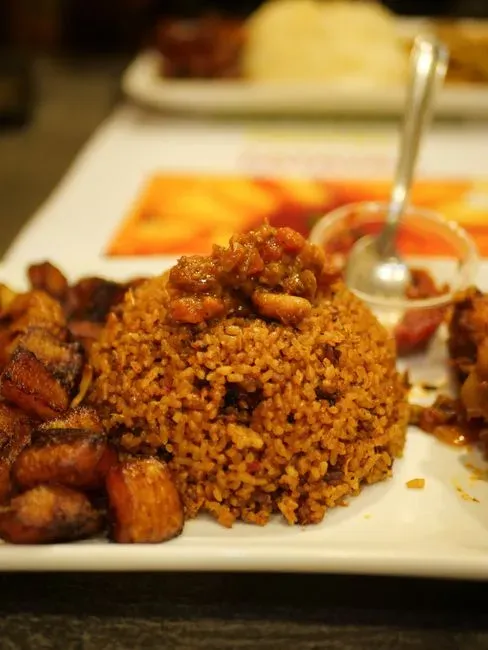
Jollof rice and chicken yassa carry West African cooking into new kitchens (Image Credits: Pexels)
West African cuisine is gaining serious traction with home cooks, in part because many of the region's heartiest dishes, such as jollof rice and chicken yassa, are cooked in one pot, which fits neatly with the current appetite for one pot and slow cooking meals. Both dishes share a base of tomatoes, onions, and warming spice, but they arrive at very different textures and flavors depending on the region making them. That flexibility is part of why they've traveled so well outside their countries of origin.
None of this spread happened by accident. Social media has connected communities in ways that weren't possible before, and the world is learning about other cuisines and cultures at a faster pace than ever. A dish that once required a specific neighborhood restaurant to find is now a few taps away on a phone screen.
Empanadas move from party trays to weekly dinners
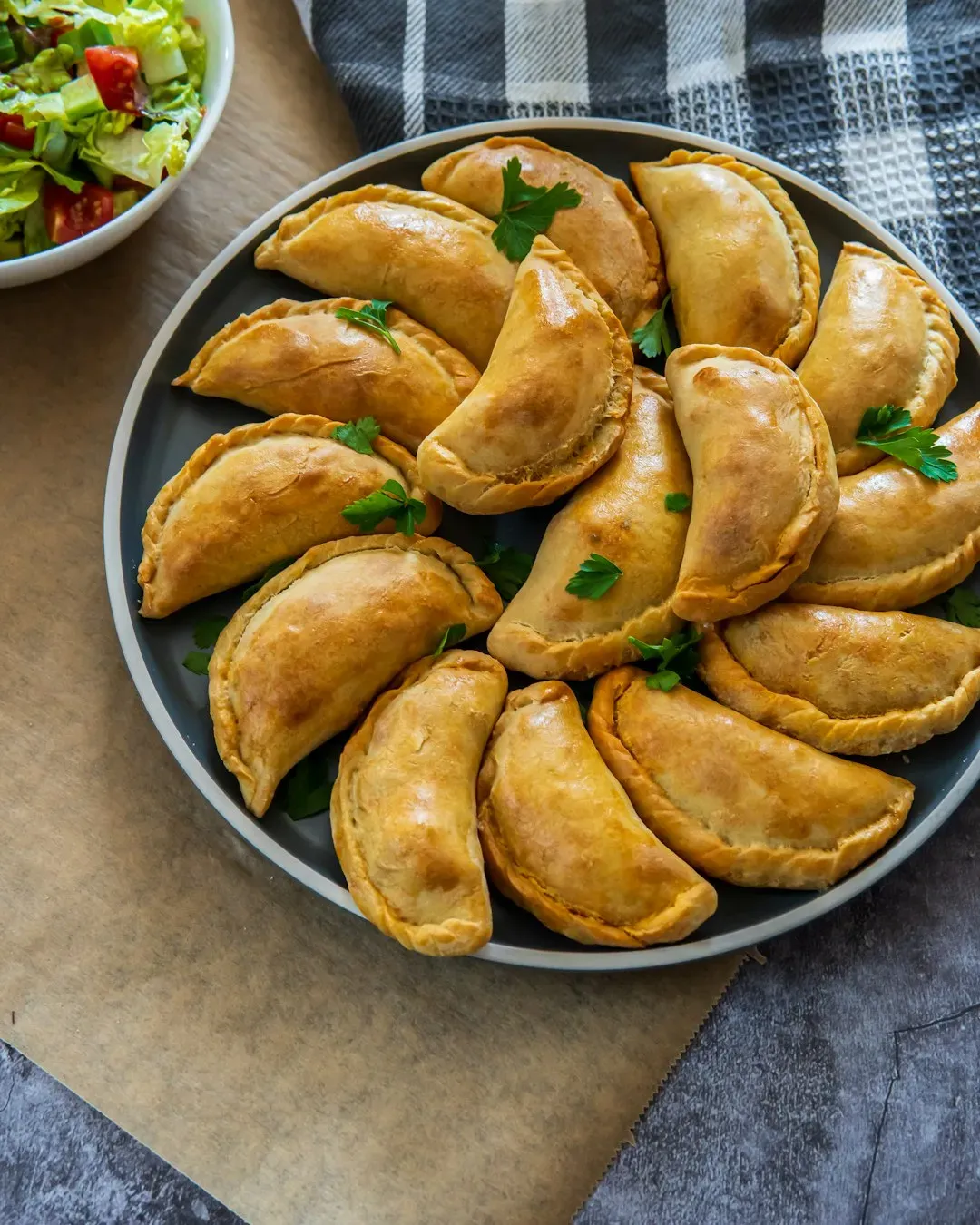
Empanadas move from party trays to weekly dinners (Image Credits: Unsplash)
Empanadas, the South American savory meat pies, have climbed the ranks of handheld food with growth of roughly seven and a half percent on menus over the past year, and further growth is expected over the next several years. More than half of consumers say they love empanadas, and nearly one in five report eating them on a weekly basis. That kind of regular rotation is unusual for a dish that used to be reserved for special occasions.
Part of the draw is how forgiving the format is. A basic dough can hold beef, chicken, cheese, or vegetables, which makes empanadas an easy entry point for cooks who want to experiment without committing to a whole new cuisine. They also freeze well, which matters to households trying to stretch a single cooking session across several meals.
Chimichurri turns simple proteins into something more interesting
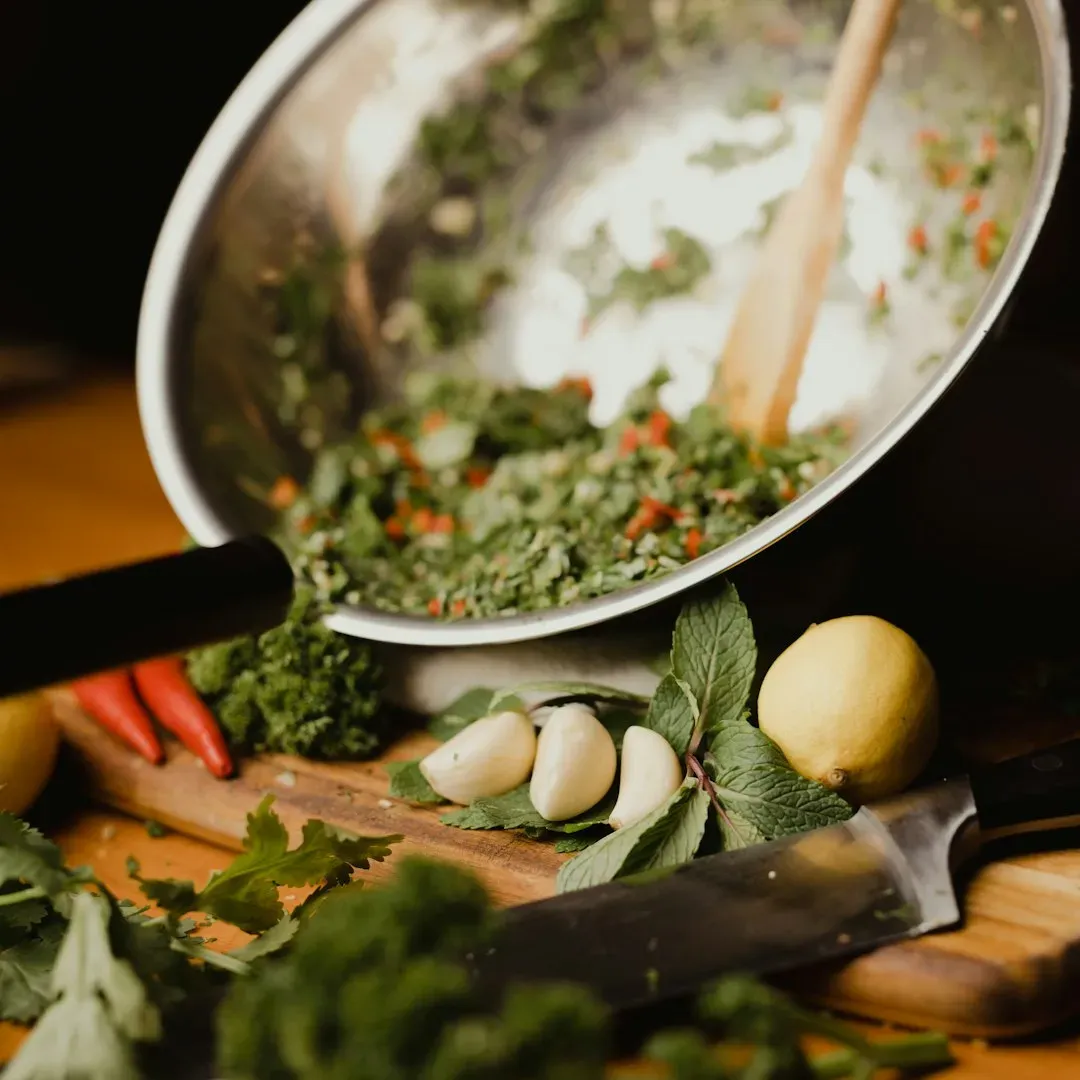
Chimichurri turns simple proteins into something more interesting (Image Credits: Unsplash)
Chimichurri, the bright and herby Argentinian sauce, was one of the standout search trends of last year as people looked for fresh, globally inspired condiments to add bold flavor to weeknight meals. Its rise points to a broader shift toward easy, herb forward additions that elevate grilled proteins and roasted vegetables without adding much complexity to the cooking itself. It's a sauce that rewards very little effort, which probably explains why it has stuck around.
Unlike a lot of trending condiments, chimichurri doesn't require special ingredients most kitchens lack. Parsley, garlic, vinegar, and oil are usually already on hand, which lowers the barrier for anyone curious enough to try it once.
Mexican regional cooking moves past the predictable taco night
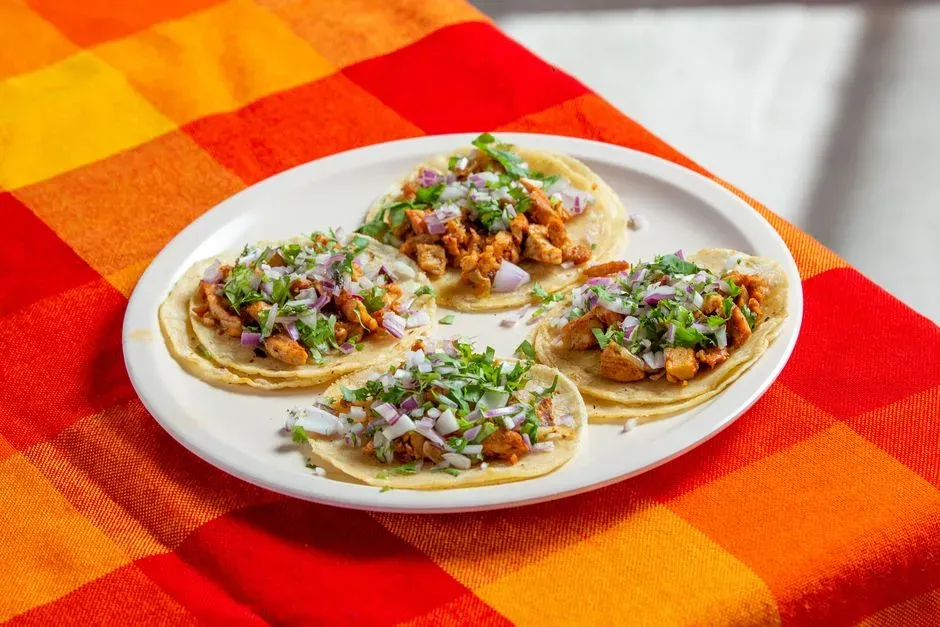
Mexican regional cooking moves past the predictable taco night (Image Credits: Pexels)
Carne asada and carnitas are finding renewed popularity, alongside tacos árabes, a Puebla specialty with roots in Lebanese shawarma that features spit roasted, marinated pork shaved and wrapped in a soft, pita like shell. Tacos, street food, and regional Mexican dishes suit fast paced, high energy social platforms particularly well, which has helped confirm Mexican cuisine as one of the most adaptable and loved food cultures both online and off. The dishes gaining ground now go well beyond the standard hard shell taco most households grew up with.
Grocery data backs up what's happening in home kitchens too. More than seven in ten shoppers actively look for fresh prepared Mexican foods at retail, while more than four in ten also seek out Caribbean, Thai, Cuban, or Korean options. That range suggests people aren't just picking one cuisine and sticking with it.
India's regional diversity finally reaches everyday kitchens
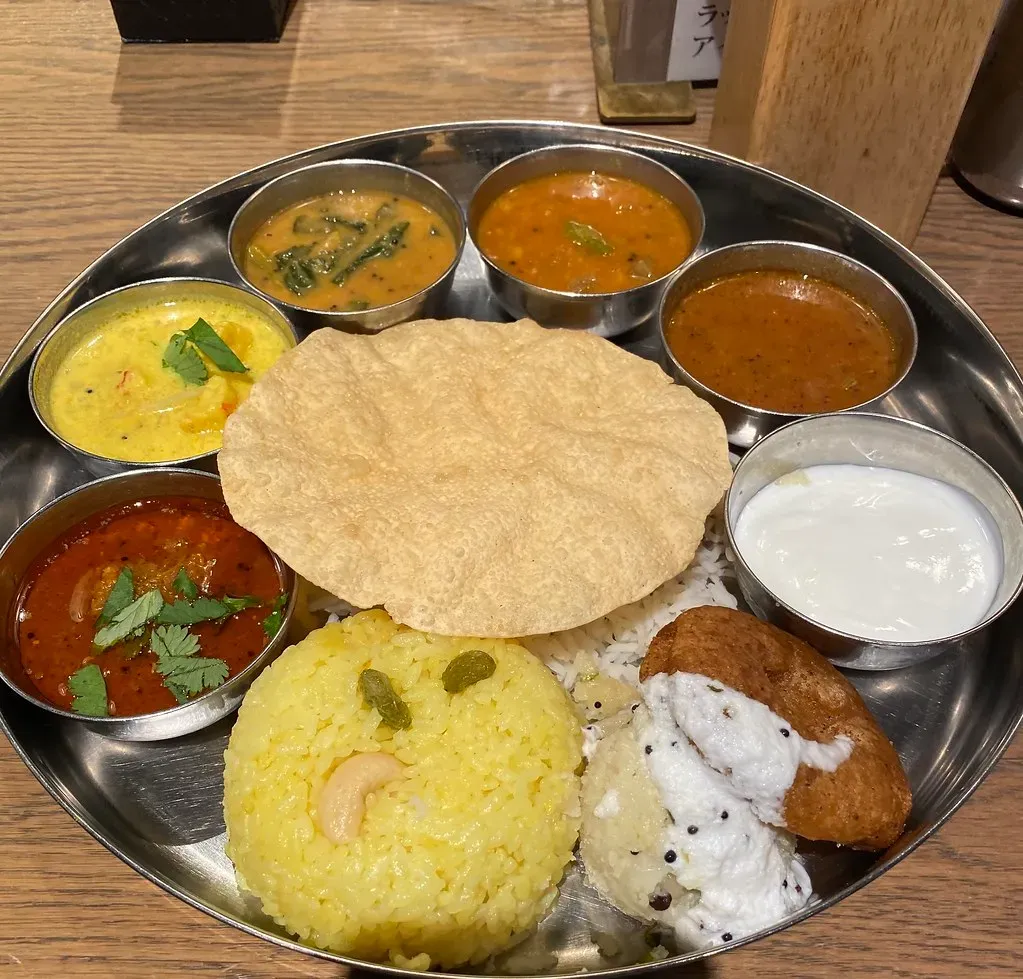
India's regional diversity finally reaches everyday kitchens (Kanesue, Flickr, <a href="https://creativecommons.org/licenses/by/2.0/" target="_blank" rel="noopener">CC BY 2.0</a>)
Indian cuisine now ranks second overall in global online visibility, and over the past three years it has generated nearly twice as many new Instagram tags as Italian food during the same period. Taken together, the data points to Indian cuisine moving decisively beyond trend status and into a phase of lasting global recognition. That's a meaningful shift from a decade ago, when Indian food abroad was often reduced to a handful of familiar curry house staples.
For decades, perceptions of Indian food outside the country were shaped by a narrow set of dishes, but chefs are now highlighting the depth of India's regional diversity, pairing modern techniques with rooted traditions without sacrificing authenticity. Home cooks are following that lead, digging into regional specialties rather than defaulting to the same two or three dishes every takeout menu offers.
Japanese comfort food earns a permanent spot at the table
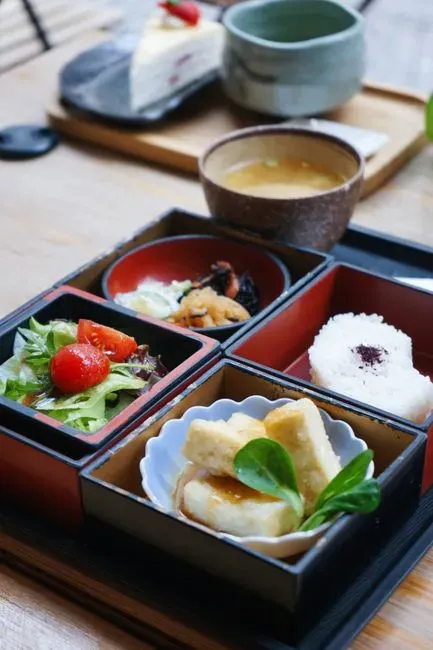
Japanese comfort food earns a permanent spot at the table (Image Credits: Pexels)
Japanese cuisine sits close behind the top ranked cuisines online, with sushi, ramen, and bento style dishes performing well visually thanks to a strong crossover between home cooking, restaurant culture, and pop culture aesthetics. Bento in particular has found an audience among parents packing lunches, since the format naturally encourages portioned, balanced meals. It photographs well too, which never hurts when a dish is trying to catch on.
Industry researchers point to Mediterranean and Japanese cooking as among the healthiest global cuisines available, and that reputation is pulling more households toward Japanese pantry staples. Fermented ingredients such as kimchi, miso, and tempeh are increasingly showing up in everyday cooking, alongside more plant forward Asian proteins.
Filipino dishes get a lighter, brighter home cook makeover
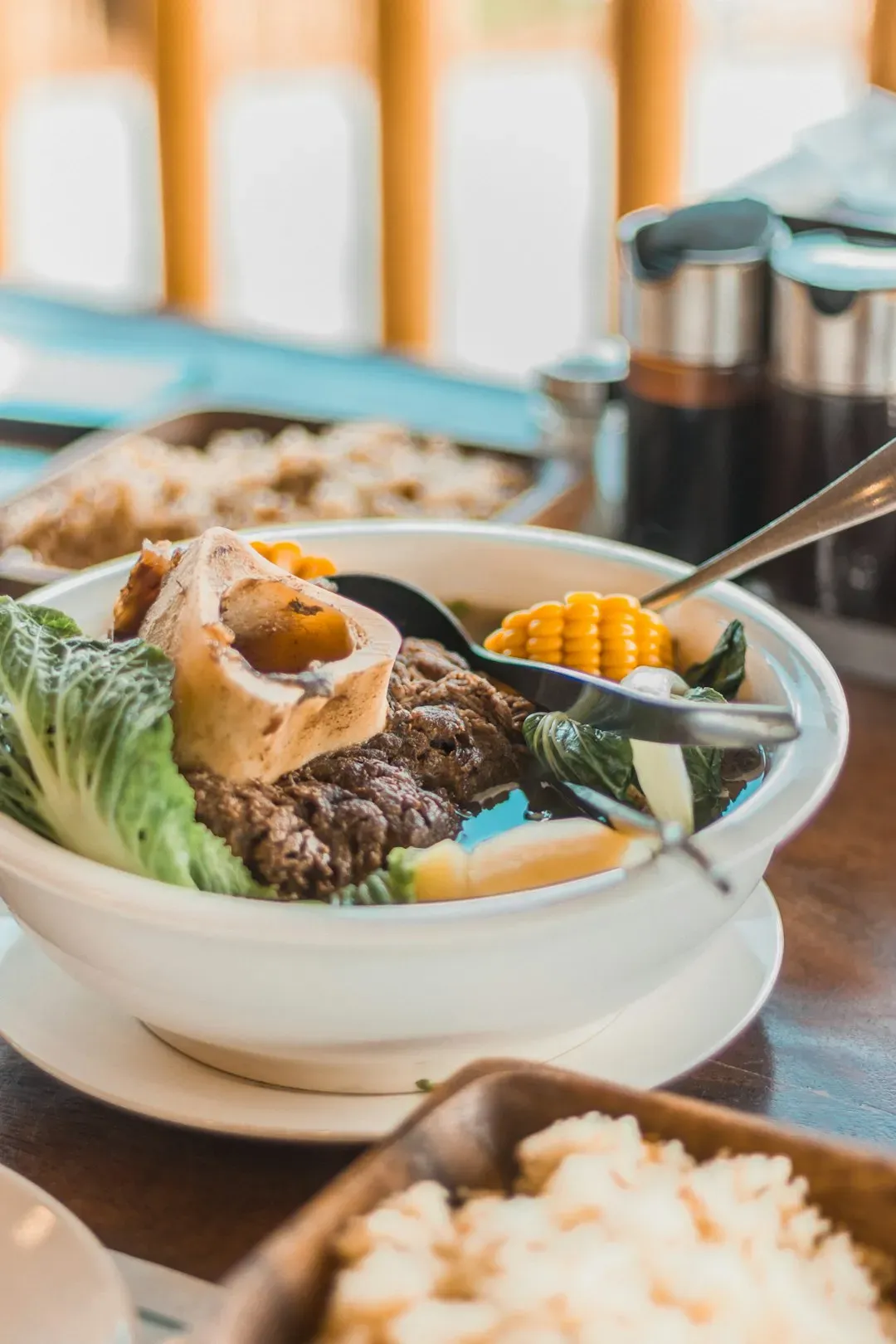
Filipino dishes get a lighter, brighter home cook makeover (Image Credits: Unsplash)
Gut friendly ingredients like kimchi, pickled onions, and yogurt sauces are turning up everywhere, and Filipino cooks have been adding their own spin with atchara on grain bowls and pickled red onions on sisig tacos. These small adjustments keep the dishes recognizable while nudging them toward what a lot of home cooks are already looking for nutritionally.
Classic Filipino dishes are being reworked in lighter forms too, including a pan seared chicken breast version of bistek made with soy sauce, calamansi, black pepper, and onion. Comfort food built this way tends to stick around precisely because it never really goes out of style.
Haitian flavors step out of the diaspora and into wider kitchens
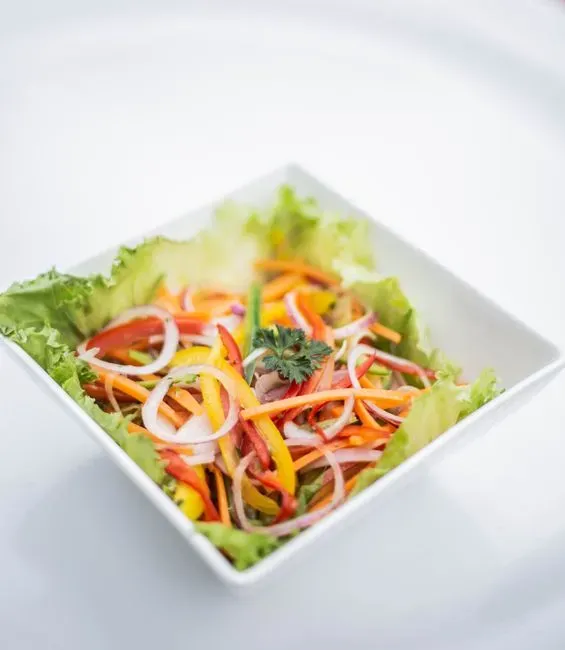
Haitian flavors step out of the diaspora and into wider kitchens (Image Credits: Pexels)
Although travel advisories currently discourage visiting Haiti itself, the country's food culture is having a moment abroad. A number of TikTokers have filmed themselves tasting Haitian dishes for the first time, and pikliz, Haiti's beloved spicy pickled vegetable condiment, was highlighted as a trend to watch. Pikliz in particular has crossed over easily, since a jar of pickled cabbage and scotch bonnet peppers isn't a hard sell to anyone who already likes fermented condiments.
Miami remains the country's Haitian food heartland, while newer restaurant openings such as Gourmet Kreyol in Boston and Griot Gardens in Houston are helping popularize dishes like diri djon djon, a black rice made with dried black mushrooms, and griot, marinated fried pork. New Orleans even launched its first Haitian Food Crawl in early 2025, a four day celebration of the country's influence on food and culture in the city. With Haitian restaurants still relatively rare in many cities, home cooking has become the easiest way for curious eaters to try the food at all.
Italian American classics get reinvented for weeknight ease
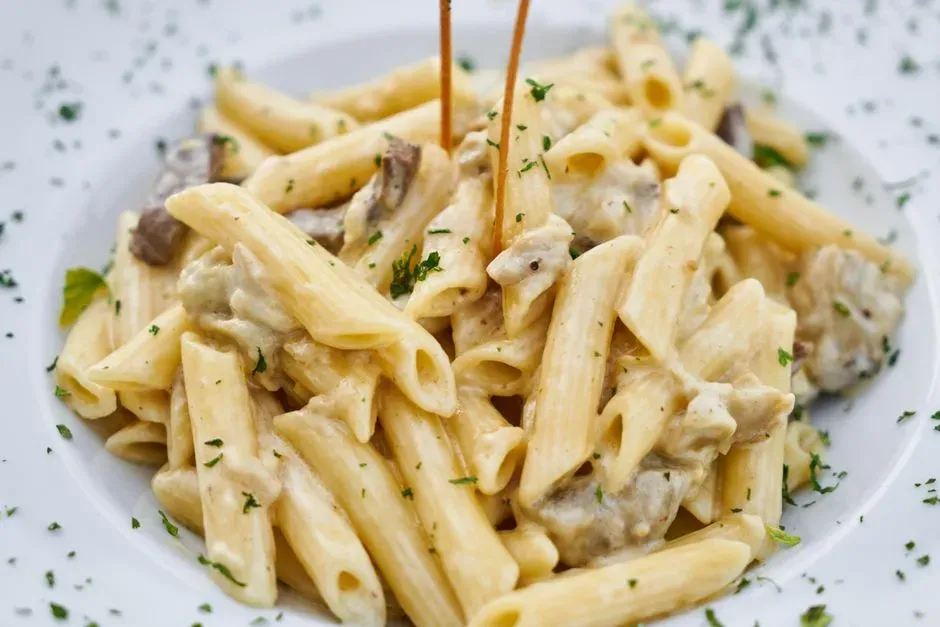
Italian American classics get reinvented for weeknight ease (Image Credits: Pexels)
Italian cuisine leads global online rankings not just because it photographs well, but because it's deeply embedded in everyday eating habits, with dishes like pizza, pasta, and tiramisu adapting easily to quick cooking videos and nostalgic home cooking content alike. That familiarity is exactly what makes it such fertile ground for reinvention.
Marry Me Chicken, built around a creamy sauce of sun dried tomatoes, parmesan, garlic, and herbs, secured the second spot among the year's most searched recipes, driven as much by its viral name as by its comforting flavor. Lasagna Soup followed a similar path, deconstructing a beloved Italian classic into a hearty one pot meal that suits busy weeknight schedules, suggesting home cooks want comfort food flavors without the usual effort. Both dishes show how a familiar cuisine can still surprise people when it's reshaped around modern kitchen habits.