
There's a certain type of home project that gets all the attention: the kitchen remodel, the accent wall, the backyard fire pit. Those projects cost money rather than save it, and that's fine, but they're not what this article is about. The quieter, less photogenic fixes, the ones involving caulk guns, compost bins, and secondhand thermostats, tend to be where the actual financial payoff lives.
What follows is a rundown of DIY projects with a track record of putting real dollars back in your pocket, backed by figures from government agencies and industry research rather than vague promises.
Sealing air leaks with caulk and weatherstripping
Sealing air leaks with caulk and weatherstripping (Image Credits: Pexels)
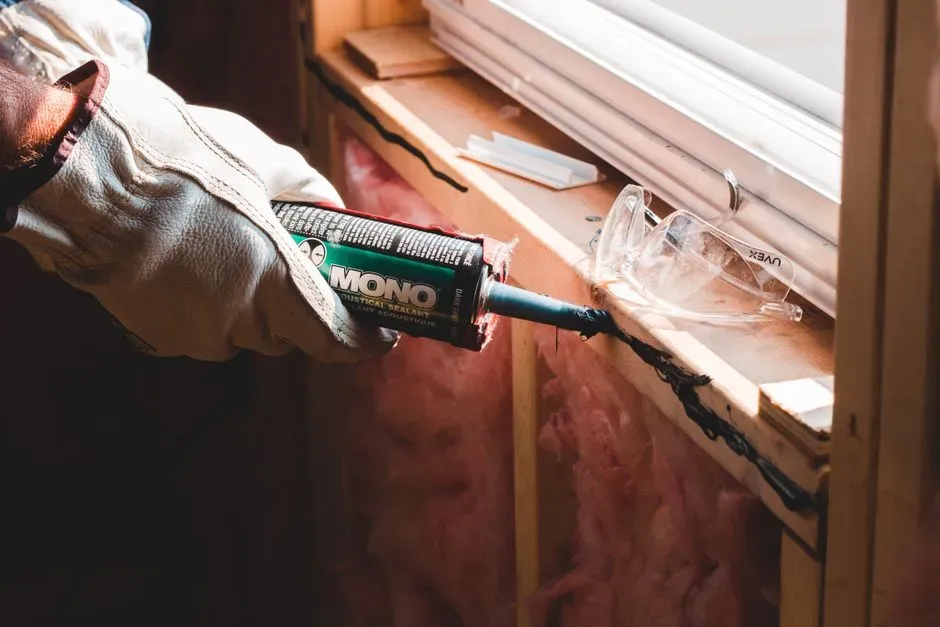
Most homes leak more air than their owners realize, through gaps around window frames, door jambs, baseboards, and electrical outlets. Sealing air leaks around your home and adding insulation can help your home be more comfortable and energy efficient and provide up to a 10% savings on your annual energy bills. The tools involved, a caulk gun and a roll of weatherstripping, cost less than a dinner out.
Some homes see even bigger returns, especially older ones that have never been properly sealed. According to the US Department of Energy, taking the time to reduce leaks and drafts in the home can save homeowners anywhere from 5 to 30 percent per year in energy costs. Given that most of this project takes an afternoon and a trip to the hardware store, it's hard to find a better return on effort anywhere on this list.
Installing a smart or programmable thermostat
Installing a smart or programmable thermostat (Image Credits: Unsplash)
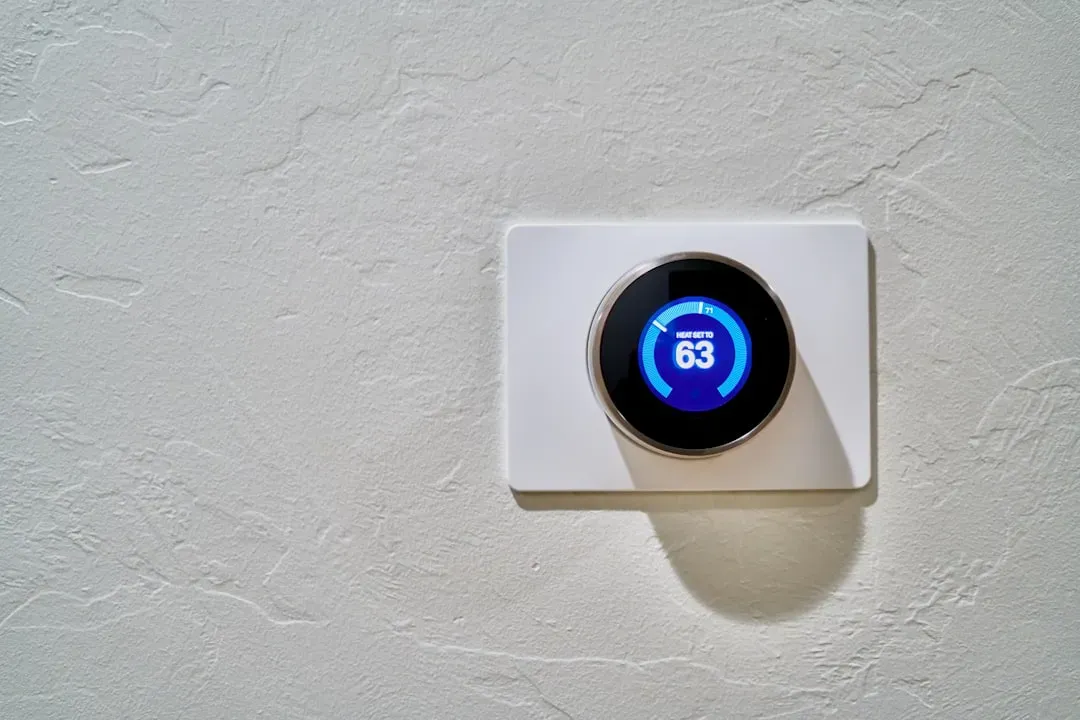
Heating and cooling eat up more of a typical household budget than most people assume. For the average American household, almost half of the annual energy bill goes to heating and cooling, that's more than $900 a year. A thermostat upgrade is one of the few home projects that pays for itself almost entirely through behavior you no longer have to think about.
The savings are modest but consistent. On average, savings are approximately 8% of heating and cooling bills or $50 per year. For those willing to manually adjust the temperature before bed or before leaving the house, the Department of Energy notes something similar: you can save as much as 10% a year on heating and cooling by simply turning your thermostat back 7°-10°F for 8 hours a day from its normal setting. Either way, installation is usually a twenty minute job for anyone comfortable with a screwdriver.
Swapping in low-flow showerheads and faucet aerators
Swapping in low-flow showerheads and faucet aerators (Image Credits: Unsplash)
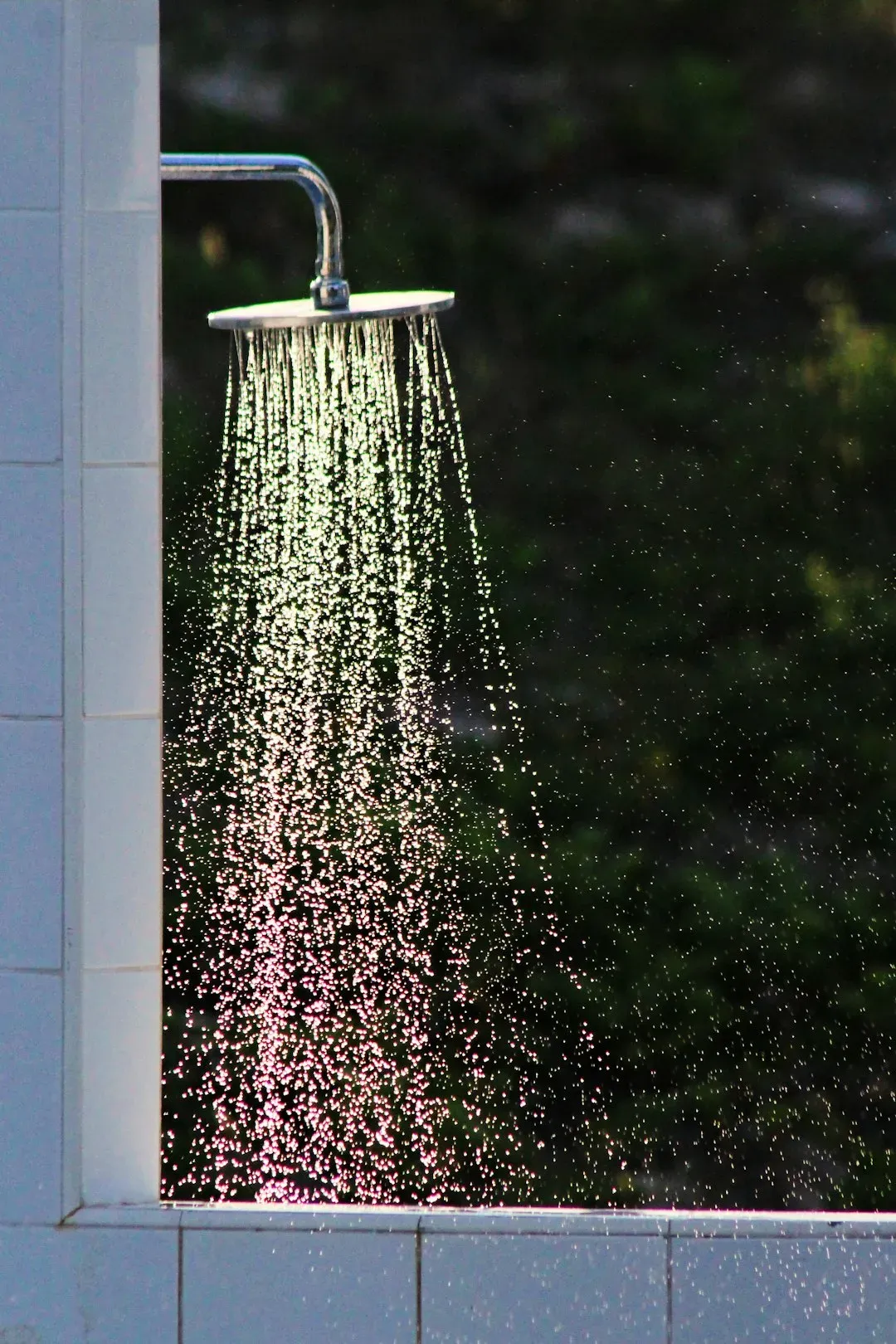
This might be the cheapest project on the list, and the payback period is often measured in months rather than years. Replacing an old showerhead is one of those rare upgrades that requires almost no skill and barely any money.
The scale of potential savings, multiplied across the country, is striking. If every home in the United States installed WaterSense labeled showerheads, we could save more than $2.9 billion in water utility bills and more than 260 billion gallons of water annually. On an individual household level, a single WaterSense showerhead installed in a residential or commercial building can save 2,900 gallons of water per year and roughly $70 on utility bills. Faucet aerators offer a similar deal for even less money, since you can save up to 30% on your water usage by switching from a standard-flow 2.2 GPM aerator to a WaterSense-labeled one, which has a maximum 1.5 GPM water flow.
Growing your own vegetables
Growing your own vegetables (Image Credits: Pexels)
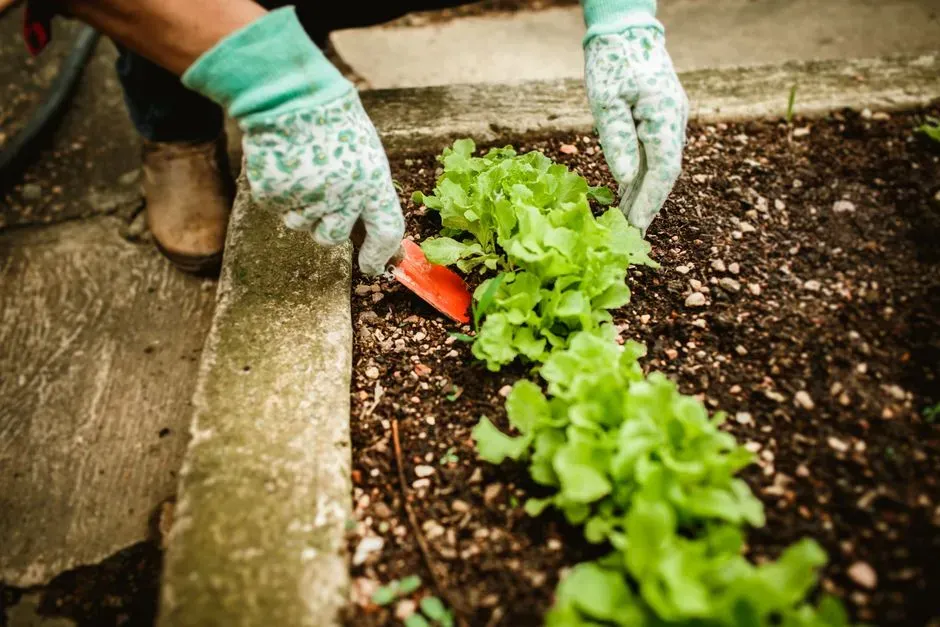
A vegetable garden is not a guaranteed money saver, and anyone who's bought a fancy raised bed kit and a dozen seed packets knows that costs can spiral quickly. Still, done with a bit of restraint, gardening tends to pay for itself and then some, especially as produce prices climb.
Recent survey data backs this up. Of those who grew food in 2024, the average household estimated saving $875 on groceries that year. Not every crop delivers equally though. Growing tomatoes, zucchini, or summer squash are great investments, as these vegetables cost little to plant, require almost no extra care, and produce abundant food. Sticking to those reliable performers, rather than fussy or space hungry crops, is usually what separates a garden that pays off from one that doesn't.
Starting a backyard compost bin
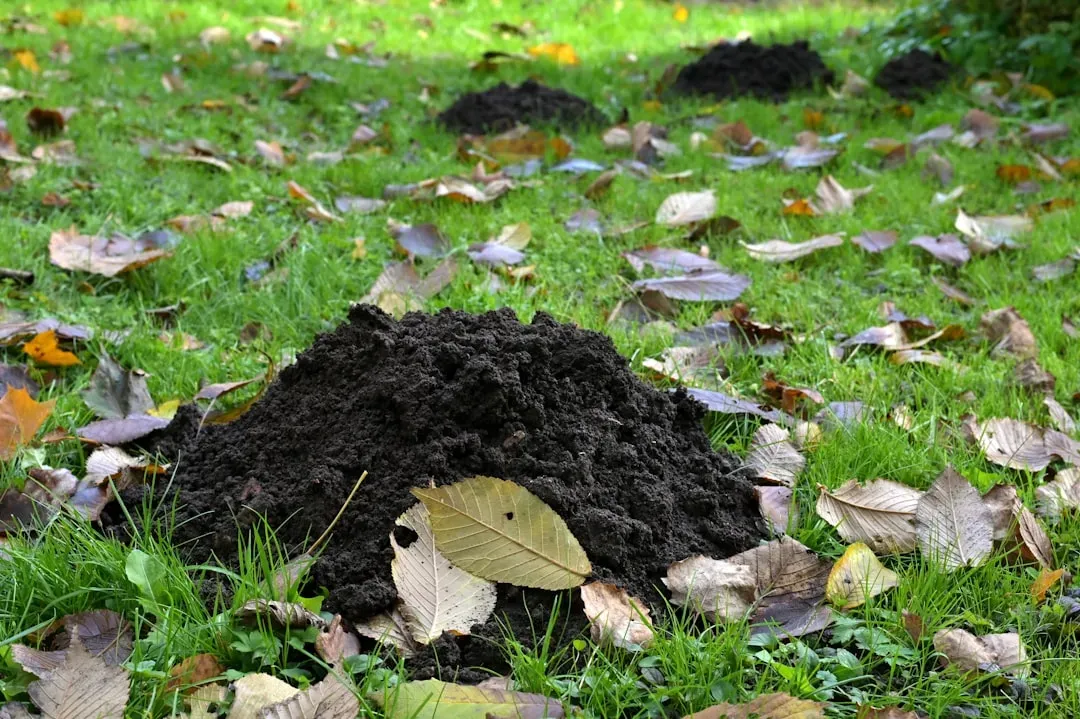
Starting a backyard compost bin (Image Credits: Unsplash)
Composting rarely gets mentioned alongside home improvement projects, but it belongs on this list. It turns kitchen scraps and yard waste into free fertilizer while cutting down on trash bags and, in some areas, garbage collection fees tied to bin weight or volume.
The financial case is modest but real. Home composting saves households an estimated $50 to $150 annually on organic waste disposal and synthetic fertilizers, with initial system costs of $50 to $200 typically paying back in one to three years. A basic setup can be as simple as a wooden pallet bin in a corner of the yard, which keeps the upfront cost near the low end of that range.
Doing your own basic car maintenance

Doing your own basic car maintenance (Image Credits: Pexels)
Cars are full of small, routine tasks that shops charge a service fee to perform, even when the labor itself takes fifteen minutes. Changing engine oil, swapping air filters, replacing wiper blades, and topping off fluids are all within reach of a driveway toolkit and a weekend afternoon.
None of these tasks require mechanical expertise, just patience and a willingness to get a little dirty. Over the life of a car, skipping the markup on routine service visits adds up meaningfully, particularly for households running two or more vehicles. It's also one of the few DIY skills that keeps paying dividends year after year, since the same basic maintenance repeats on a predictable schedule.
Mending clothes and fixing small household items instead of replacing them
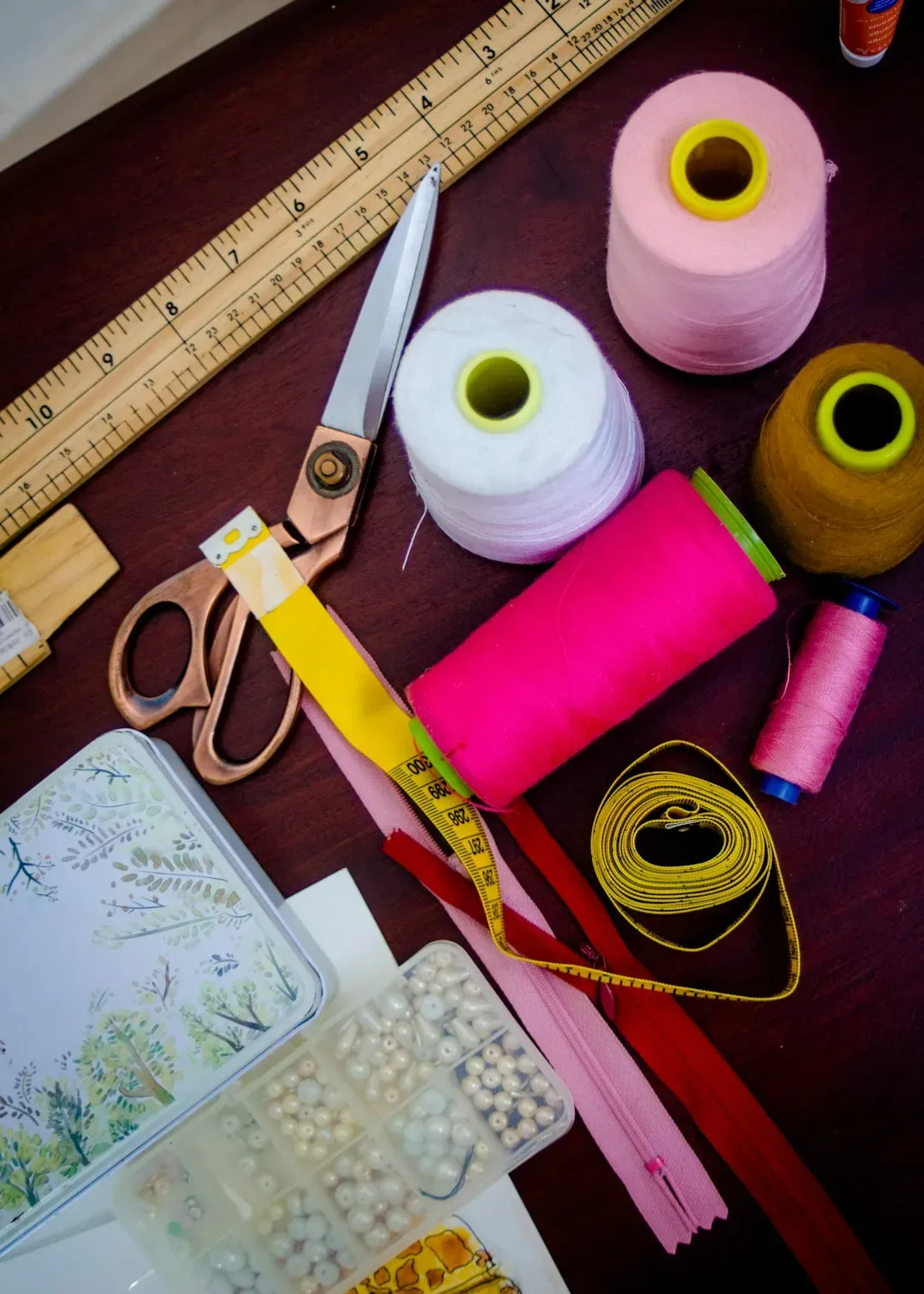
Mending clothes and fixing small household items instead of replacing them (Image Credits: Unsplash)
Sewing a button, patching a torn seam, or reattaching a loose zipper pull are skills that used to be common knowledge and have largely faded from everyday practice. Bringing them back doesn't take much, a basic sewing kit and a video tutorial cover most situations that come up.
The same logic extends beyond clothing. Tightening a wobbly chair leg, replacing a broken lamp switch, or reglueing a loose cabinet handle can rescue items that would otherwise get thrown out and replaced. None of these fixes require specialized tools, and the habit of repairing rather than replacing tends to compound over time as it becomes second nature.
Switching to LED lighting
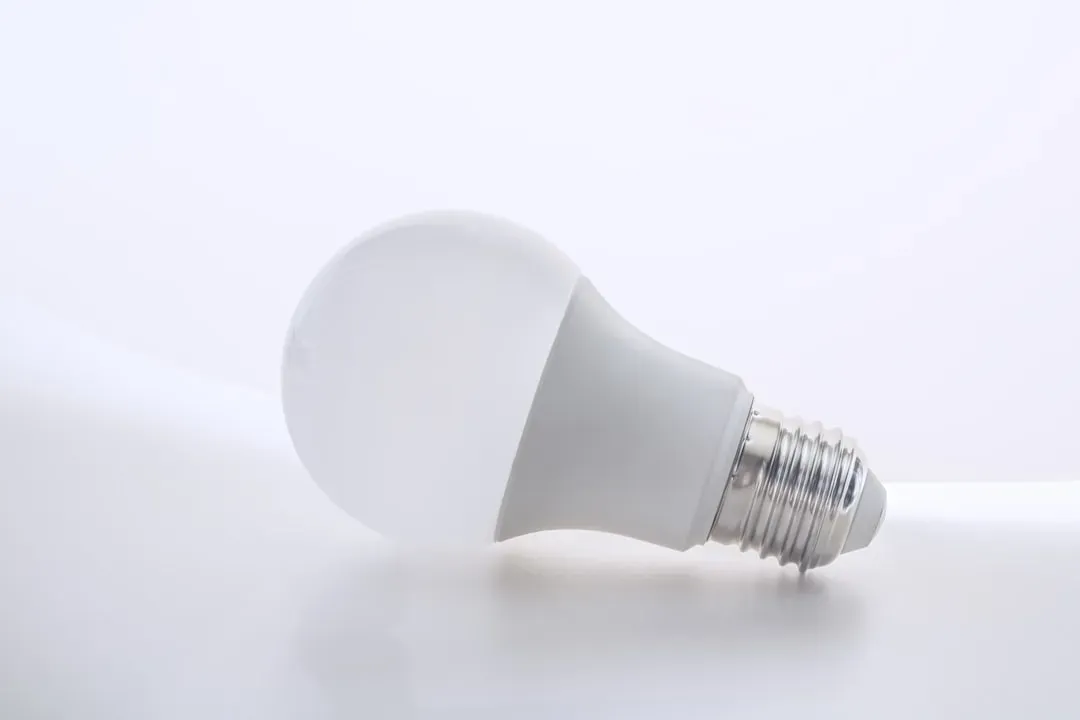
Switching to LED lighting (Image Credits: Unsplash)
Replacing incandescent or older fluorescent bulbs with LEDs is about as low effort as home upgrades get, since it usually just means unscrewing one bulb and screwing in another. The bulbs themselves have dropped considerably in price over the past several years, which has shortened the payback period compared to when LEDs first hit the market.
LEDs use a fraction of the electricity that older bulbs need and last many times longer before burning out, which means fewer replacement purchases on top of the lower electricity draw. For a household with a dozen or more frequently used light fixtures, swapping them out room by room, starting with the ones left on longest, is a practical way to spread the small upfront cost while still seeing the savings show up quickly on the electric bill.
Refinishing furniture instead of buying new
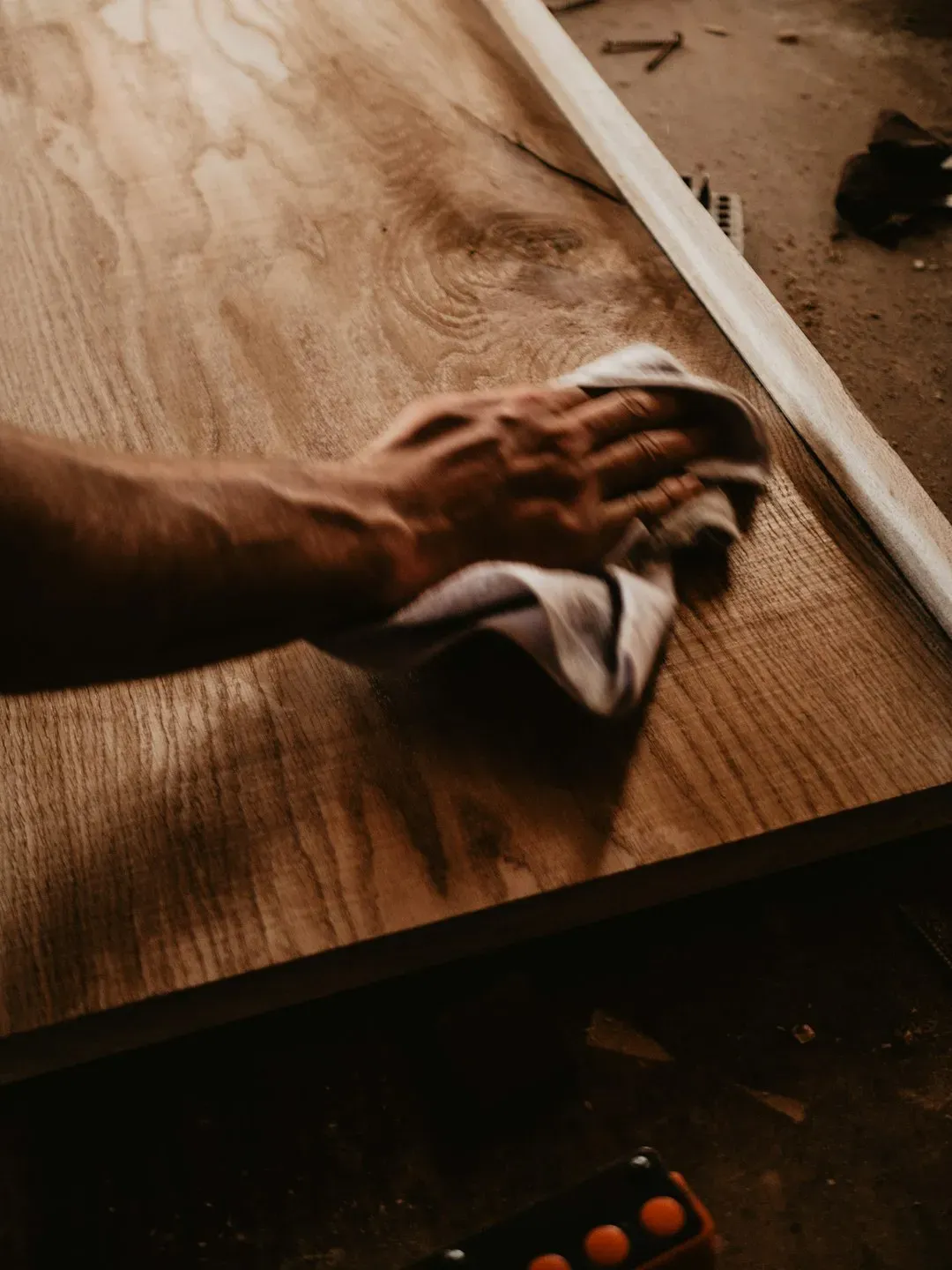
Refinishing furniture instead of buying new (Image Credits: Unsplash)
A scratched dresser, a wobbly bookshelf, or a dated looking table often ends up at the curb simply because sanding and restaining sound more intimidating than they actually are. In most cases, refinishing a solid piece of furniture costs a fraction of what a comparable new item would run at a furniture store.
The process usually involves sandpaper, a can of stain or paint, and a few coats of protective finish, spread across a weekend. Thrifted or hand me down furniture is often solid wood underneath dated finishes, which makes it a better refinishing candidate than much of the pressed wood furniture sold new today. The skill also transfers easily from one project to the next, so the second and third pieces go faster than the first.
Fixing leaks and learning basic plumbing repairs
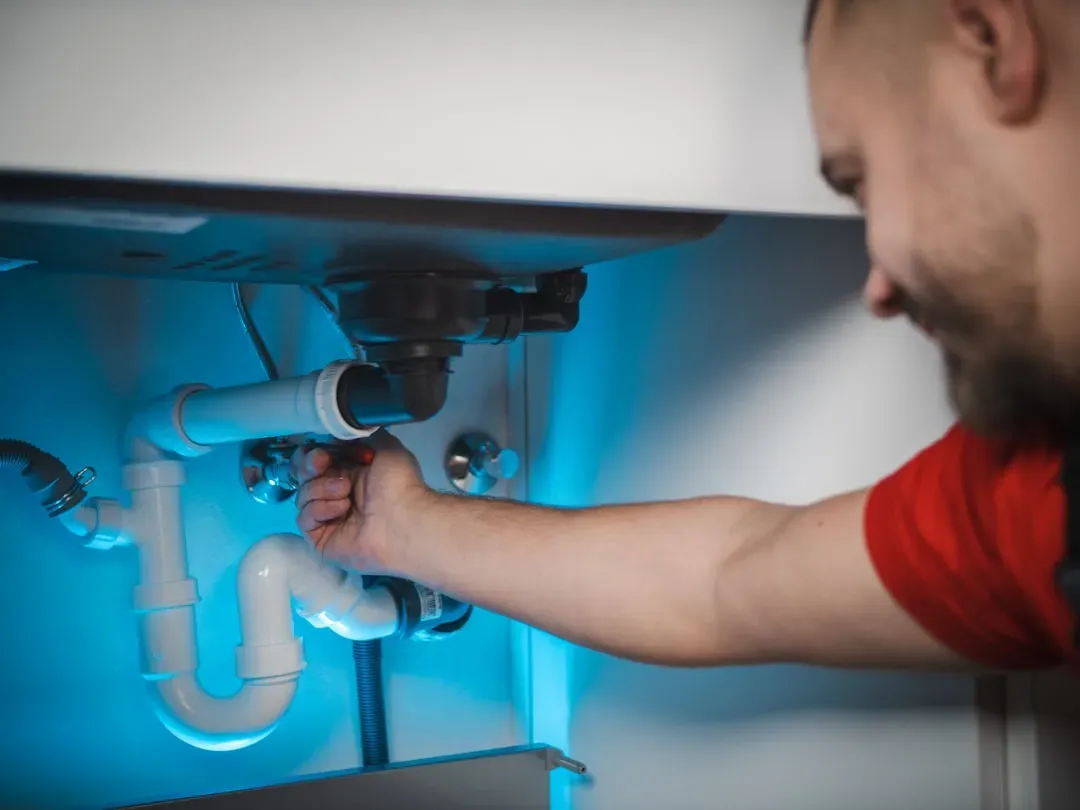
Fixing leaks and learning basic plumbing repairs (Image Credits: Unsplash)
A running toilet, a dripping faucet, or a slow leak under the sink rarely feels urgent, which is exactly why these problems tend to linger for months or years, quietly adding to the water bill the whole time. Most of these fixes involve replacing an inexpensive part, a flapper valve, a washer, or a section of supply line, rather than anything structurally complicated.
Learning to shut off the water supply, remove an old fixture, and install a new part is a skill that pays for itself the first time it saves a plumber's call out fee. Hardware stores typically sell repair kits with clear instructions for the most common fixes, and a single toilet repair kit often costs less than a single hour of professional labor would.
Where to start
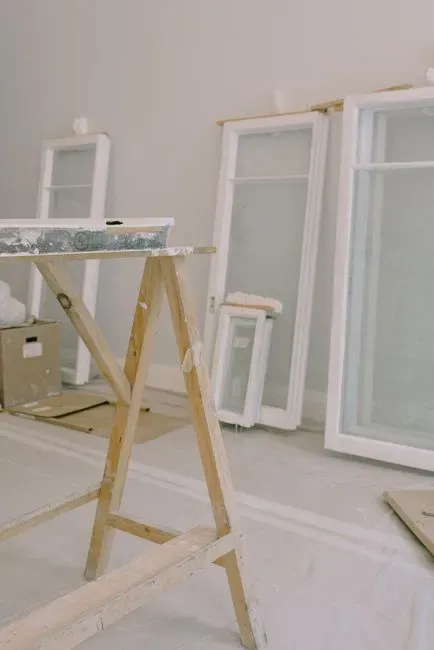
Where to start (Image Credits: Pexels)
Not every project on this list requires the same investment of time or money, and that's part of the appeal. Sealing air leaks, swapping a showerhead, and switching to LED bulbs can all be done in a single weekend for a modest outlay, while a vegetable garden or a furniture refinishing habit builds savings more gradually over a season or two.
The common thread is that these projects trade a bit of effort now for lower recurring costs later, which tends to be a better trade than most home improvement spending offers.