
There's a particular kind of confidence that comes from reaching for the "healthy" snack instead of the candy bar sitting next to it. The packaging says whole grain, protein packed, no added sugar, natural. You feel good about the choice before you've even opened the wrapper.
The trouble is that a lot of these snacks are engineered to feel virtuous while behaving, nutritionally, almost identically to the treats they're supposed to replace. Below are five of the most common offenders, along with what the label rarely tells you upfront.
1. Granola Bars
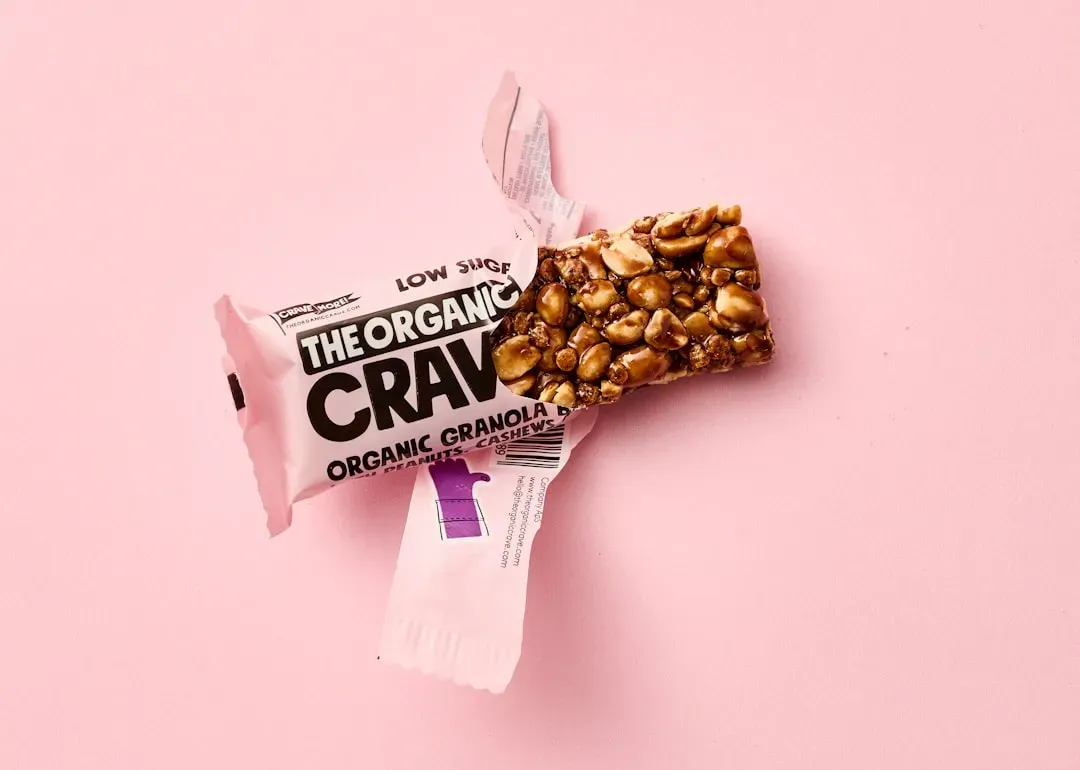
1. Granola Bars (Image Credits: Unsplash)
Granola bars have built their entire reputation on the image of oats, nuts, and a little honey drizzled together in a rustic kitchen. In reality, independent testing keeps turning up numbers that tell a different story. Most commercial granola bars contain between 8-12 grams of added sugar per small serving, nearly half the American Heart Association's daily recommended limit for women.
The sweeteners doing the damage often sound wholesome on the ingredient list. Many brands use honey, brown rice syrup, or agave nectar, which sound natural but metabolize similarly to table sugar in your body. Some products push well past that range too. Kellogg's Nutri-Grain Harvest granola bars can contain up to 15 grams of sugar per serving, mostly from added sugar. A useful rule when scanning the box: choose a bar with less than 10 grams of total sugar, and ideally under 7 grams for adults.
2. Protein Bars
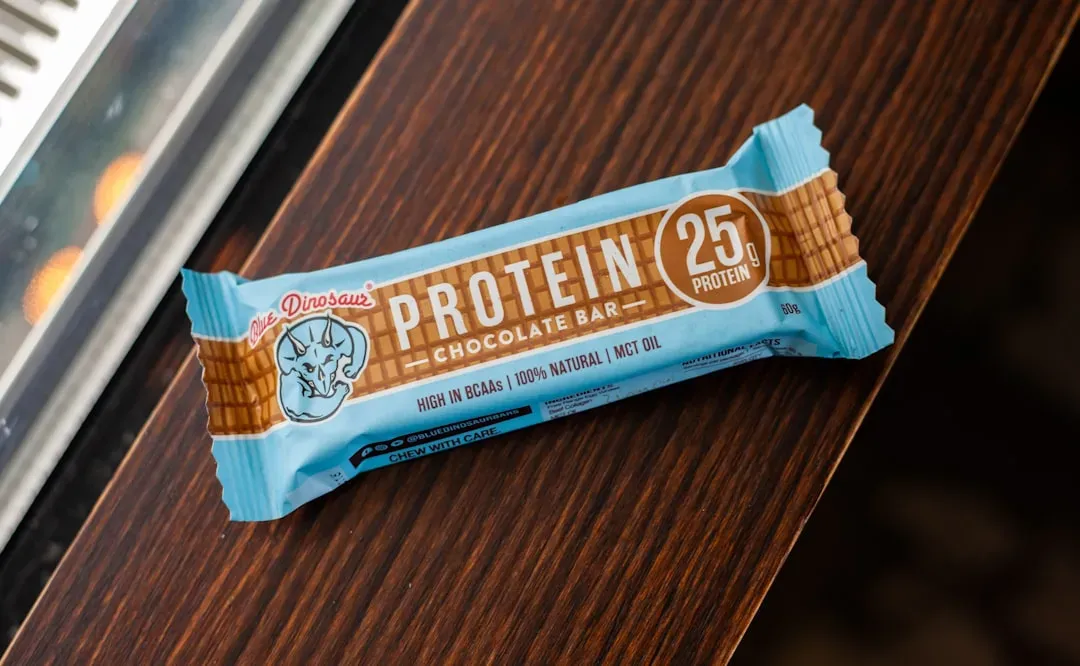
2. Protein Bars (Image Credits: Unsplash)
Protein bars carry an even stronger halo than granola bars, mostly because of one big number printed in bold on the front. That number is often real, but it rarely tells the whole story about fat and additives. Some protein bars contain high amounts of saturated fat, around 4 grams, often in the form of palm kernel oil, an inexpensive oil used as a binder and to enhance texture.
Labels themselves have also come under scrutiny recently. A 2025 report found that one bar contained an extra 8g of fat than was disclosed on the nutritional label, most of which was saturated, and another had an additional 7g of carbs, with a third having three-quarters more sugar alcohols than listed. Even setting aside labeling accuracy, the broader research on protein claims is telling. One large database review found that 90.8% of foods that had protein claims received a "less healthy" classification under a standard nutrient profiling model. A high protein number, in other words, is not proof of a balanced snack.
3. Bottled Smoothies

3. Bottled Smoothies (Image Credits: Unsplash)
A smoothie looks like the most virtuous thing in the cooler, all bright fruit colors and words like "cold-pressed" and "superfood." But when fruit is turned into juice or puree and packed into a bottle, the sugar tags along even when the fiber doesn't. The problem with the sugar in bottled smoothies, regardless of whether it's natural or added, isn't necessarily the source; it's that these beverages often lack fiber because they rely on juice concentrates or purees instead of whole fruits.
The numbers can get surprisingly large. UK testing found that Innocent's Invigorate smoothie and Naked's Gold Machine, both 300ml, contain 33g of sugar, while the smaller 250ml Innocent smoothies had at least 25g of sugar per bottle. Portion size makes it worse, since most people drink the whole bottle in one sitting rather than the single serving the label assumes. Comparing sugar content in a range of popular smaller sized "on-the-go" smoothies found many contain more sugar than an adult is advised to have in an entire day. Even smoothies marketed as having no added sugar aren't automatically low in sugar, since the fruit itself supplies plenty.
4. Dried Fruit
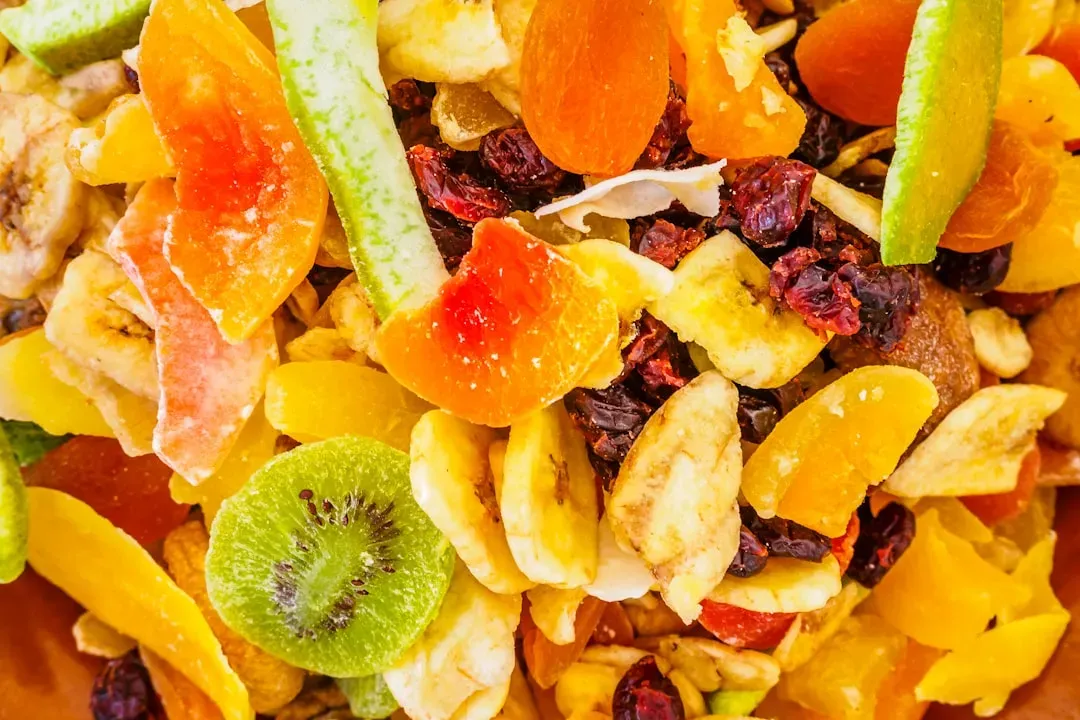
4. Dried Fruit (Image Credits: Unsplash)
Dried fruit occupies a strange middle ground. It genuinely does carry real nutrients from the original fruit, but the drying process concentrates everything, sugar included, into a much smaller, denser package. Dried fruit is far more calorie-dense than fresh fruit due to the highly concentrated sugars that remain after the dehydration process, and ounce per ounce, dried fruits contain significantly more sugar and calories than fresh.
That said, portion size matters enormously here, more than with most snacks on this list. When comparing standard serving sizes, dried and fresh varieties contain equivalent amounts of calories and sugar; for example, one serving of dried apples, a quarter cup, contains 52 calories and 12 grams of sugar, while one serving of fresh apples, about a cup, contains 65 calories and 13 grams of sugar. The catch is that almost nobody measures out a quarter cup of raisins or dried mango before eating. It's easy to eat several servings' worth in a few handfuls, which quietly turns a fruit snack into something closer to a sugary dessert in total volume.
5. Flavored Yogurt
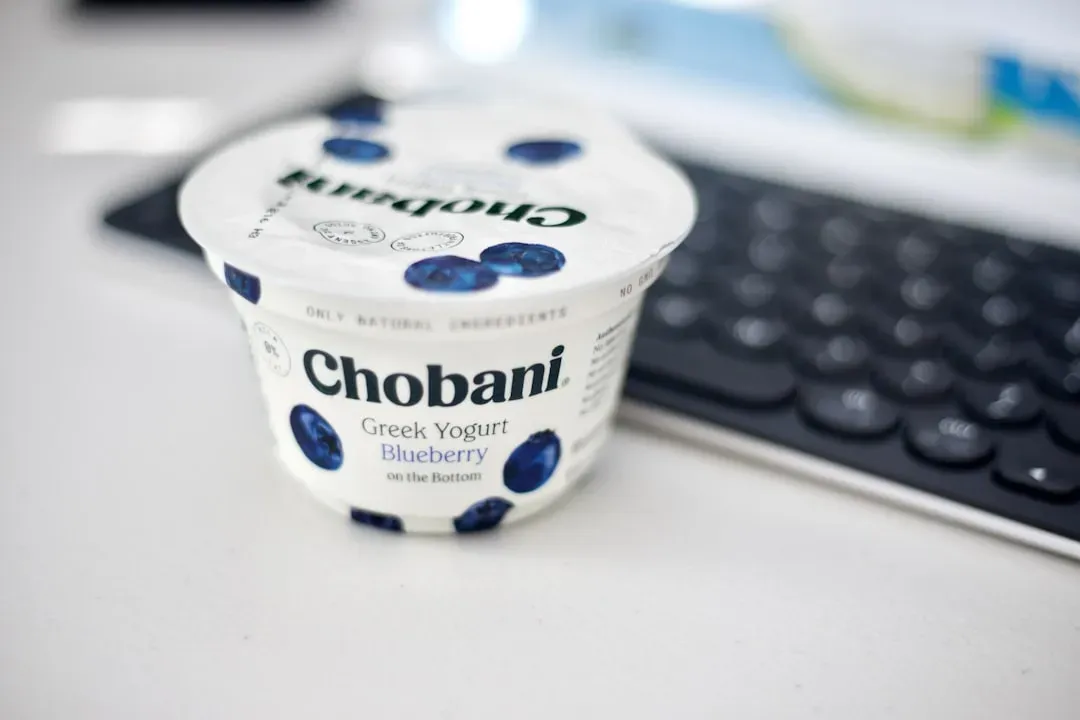
5. Flavored Yogurt (Image Credits: Unsplash)
Plain yogurt earns its healthy reputation fairly. Add fruit, flavor, and a swirl on the bottom, though, and the picture shifts substantially. Flavored yogurts, including "fruit on the bottom" kinds, can be high in added sugar, with some containing 15 g to 25 g per serving, which is close to the recommended daily limit.
Some of the specific numbers are striking once you actually check them. Dannon Strawberry Fruit on the Bottom has 21 grams of sugar, more than 4 teaspoons in a 5.3-ounce container. A separate comparison put it even more bluntly: the worst offenders had roughly 20 grams of sugar, which is also the sugar content in a Cadbury creme egg. Greek and plain yogurt fare far better by comparison, since the greek and natural category in one study did much better with a median of just 5 grams sugar per 100 grams yogurt. Adding your own fresh fruit to plain yogurt gets you the same flavor payoff without the syrup doing the heavy lifting.
None of this means these five snacks deserve to be banned from the pantry. It just means the marketing language on the front of the package rarely matches the nutrition facts on the back. A quick habit of flipping the box over and checking the added sugar line, the saturated fat count, and the actual serving size takes about ten seconds and tends to be more useful than any claim printed in bold letters. The treat you think you're avoiding might already be in your hand.