
Most parents don’t realize they’re writing scripts. The offhand comment at the breakfast table, the quiet praise after a hard day at school, the sharp words spoken in a moment of frustration – children absorb all of it with a precision that surprises most adults when they finally hear it played back. The memory doesn’t just store the gist; it stores the exact words, the tone, and the feeling that came with them.
Memories of the greatest lasting value center on how the parent-child relationship contributes to who we become and to our sense of purpose and meaning. That’s not a small thing. It means that ordinary phrases spoken in ordinary moments carry weight that stretches across decades. The twelve phrases below are the ones that tend to stick the longest, for better or for worse.
1. "I'm So Proud of You"
1. "I'm So Proud of You" (zimpenfish, Flickr, <a href="https://creativecommons.org/licenses/by/2.0/" target="_blank" rel="noopener">CC BY 2.0</a>)
If parents do say "I'm proud of you," those words will be among their most powerful and most meaningful lasting memories. There's something about parental pride that lands differently than any other form of approval. It doesn't just feel good in the moment; it becomes a reference point the child returns to again and again, especially during adult moments of doubt or difficulty.
Findings show that childhood parental love and affection are related to better self-rated memory in later life. In practical terms, hearing this phrase creates a positive autobiographical anchor – a moment a person can summon decades later when they need to remind themselves they are capable. Three words, and they become part of someone's inner foundation.
2. "You'll Never Amount to Anything"

2. "You'll Never Amount to Anything" (Image Credits: Pexels)
Statements that directly attack a child's worth as a person fall into the category that specialists call verbal psychological abuse. Unlike criticism of a specific behavior, these statements affect the child's core identity. The distinction matters enormously. A child who is told a specific action was wrong can correct that action. A child told they are fundamentally worthless has nothing concrete to fix.
The work of American psychologist Carol Dweck on the effects of parental messages on motivation and self-esteem has shown that children exposed to negative overall evaluations more frequently develop learned helplessness: they stop trying because they anticipate failure. The phrase echoes. Adults who heard it as children often report hearing it in their own head at precisely the moments when they're about to take a risk.
3. "I Love You"

3. "I Love You" (Image Credits: Unsplash)
Three words so simple they almost seem too obvious to include here – yet research consistently shows they are far from guaranteed. Your children might know they are loved even though you don't tell them you love them. Your children might know you are proud of them even though you never tell them. But if you do say "I love you," those words will be among their most powerful and most meaningful lasting memories.
The spoken version creates something the assumed version cannot. It gives the child a clear, retrievable memory rather than a vague feeling. Adults who grew up hearing this phrase regularly tend to describe it as something they can still hear in their parent's voice, even long after that parent is gone.
4. "Why Can't You Be More Like Your Brother/Sister?"

4. "Why Can't You Be More Like Your Brother/Sister?" (Image Credits: Unsplash)
Mental health professionals state that different forms of parental criticism, like comparing one's child to others, only recognizing their failures, and projecting one's regrets onto them, can result in a range of psychological damage. This follows them well into adulthood, causing children to overemphasize the mistakes they made. As a result, they end up forming negative belief systems about themselves and develop low self-esteem.
Comparison phrases like this one are particularly damaging because they make rejection feel specific and personal – it's not just that the child failed, it's that a sibling succeeded where they didn't. When children experience repeated criticism, it can contribute to increased anxiety and depression, make emotional regulation more difficult and affect self-esteem. Over time, children may develop negative self-talk. That inner critic often sounds exactly like the parent who first said the words.
5. "I Believe in You"

5. "I Believe in You" (Image Credits: Unsplash)
This phrase operates differently from "I'm proud of you" – pride looks backward at something already done, while belief looks forward at something not yet attempted. It tells a child that their potential is visible to someone who matters, even before the child can see it themselves. That forward-facing reassurance tends to become a persistent voice during moments of hesitation in adulthood.
Caregivers who believe in the importance of parenting practices to child development improve their parenting practices more. Research shows that parental beliefs have an indirect impact on child development through parenting practices. When a parent genuinely expresses belief in a child, it tends to shape the child's own beliefs about themselves in ways that are surprisingly durable. It's one of those phrases adults often credit with a major life decision they made twenty years later.
6. "You Should Be Ashamed of Yourself"

6. "You Should Be Ashamed of Yourself" (Image Credits: Pexels)
Shame is sometimes used as a tool for discipline, illustrated in phrases like "You should be ashamed of yourself." This embeds shame as a primary emotional response. The crucial problem is that shame, unlike guilt, is not corrective. Guilt targets a behavior and motivates change. Shame targets the self and tends to paralyze.
Where guilt says "I did something wrong," shame says "I am something wrong." This nuance, well-documented by researcher Brené Brown in her work on vulnerability and shame, is essential to understanding why this phrase leaves such deep scars. Children who hear this phrase repeatedly often grow into adults with a deep-seated sense of personal inadequacy that no amount of external achievement seems to fully quiet.
7. "We'll Get Through This Together"

7. "We'll Get Through This Together" (Image Credits: Unsplash)
This is the kind of phrase most parents say during genuinely hard moments – illness, job loss, a family crisis – and it's precisely the crisis context that makes it stick. When a child is frightened and a parent communicates calm solidarity, that combination gets encoded at a much deeper level than ordinary conversation. The specific words become associated with safety itself.
Positive autobiographical memories serve as a protective factor for depressive symptoms in both young and older adults. A parent who says this during a hard time is essentially giving a child a tool they'll use unconsciously for the rest of their life. When future difficulties arrive – and they always do – the stored memory of that reassurance resurfaces. It is one of the most quietly powerful things a parent can say.
8. "You're So Stupid / Clumsy / Lazy"
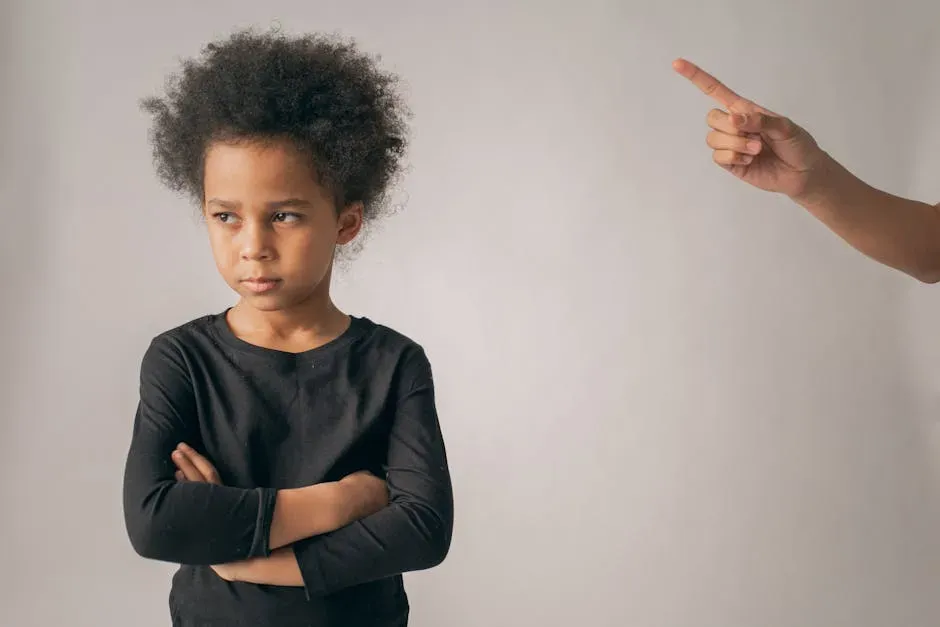
8. "You're So Stupid / Clumsy / Lazy" (Image Credits: Pexels)
Children almost always internalize criticism, taking it to heart and sometimes sustaining lasting emotional wounds in the process. Shame, the inevitable byproduct of harsh criticism, has the power to undermine the very goals parents have in mind when they admonish their children. Labels like "stupid" or "lazy" are especially harmful because the child doesn't know how to argue against them – they simply absorb them as facts about who they are.
The real culprit is the brain's tendency to isolate or compartmentalize shame-invoking experiences. It goes without saying that shaming words yelled or spoken in anger or disgust will have more of a negative effect and are more likely to stimulate the child's natural defenses. Yet even the child's defense mechanisms don't erase the words. They remember them with startling precision, sometimes word-for-word, well into their forties and fifties.
9. "It's Okay to Make Mistakes"
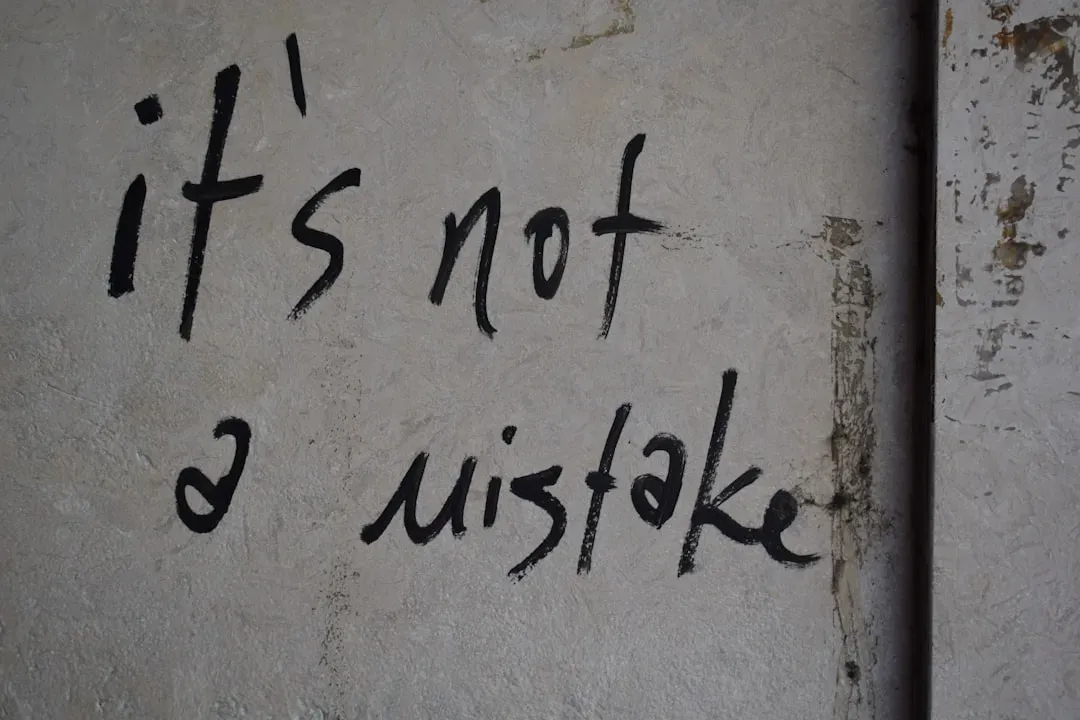
9. "It's Okay to Make Mistakes" (Image Credits: Unsplash)
This phrase sounds almost too simple to be significant, but its effects compound over years. A child who hears a parent say this consistently grows up with a fundamentally different relationship to failure than one who did not. Mistakes stop feeling catastrophic and start feeling like information. That shift in framing is one of the most valuable things a parent can install in a child's thinking.
When kids are shamed by their parents, the people whose love and opinions matter to them the most, their confidence and motivation dry up. That makes them less likely to try new things and take on new challenges, traits they need to succeed later in life. The inverse is also true: a parent who normalizes mistakes gives their child permission to attempt difficult things without the crushing fear of humiliation. Adults who received this message early often describe it as the reason they were willing to take meaningful risks.
10. "I'm Disappointed in You"

10. "I'm Disappointed in You" (Image Credits: Unsplash)
Parental disappointment is in a peculiar category of its own. Unlike anger, which children can sometimes dismiss as temporary, disappointment feels more permanent and more personal. It signals that the child has failed not just at a task, but at the deeper work of being who the parent hoped they would be. Children tend to remember exactly when it was said, and exactly what they had done to prompt it.
Direct messages may include nonverbal cues conveying disappointment, anger, disapproval, and disgust. Lack of emotional validation – that is, dismissing or minimizing a child's emotions – teaches them to distrust their feelings, which reinforces shame. The phrase lands hardest when it comes from the parent the child most wants to please. Decades later, adults in therapy often cite this sentence as one they have never quite managed to stop hearing.
11. "I'm Sorry, I Was Wrong"
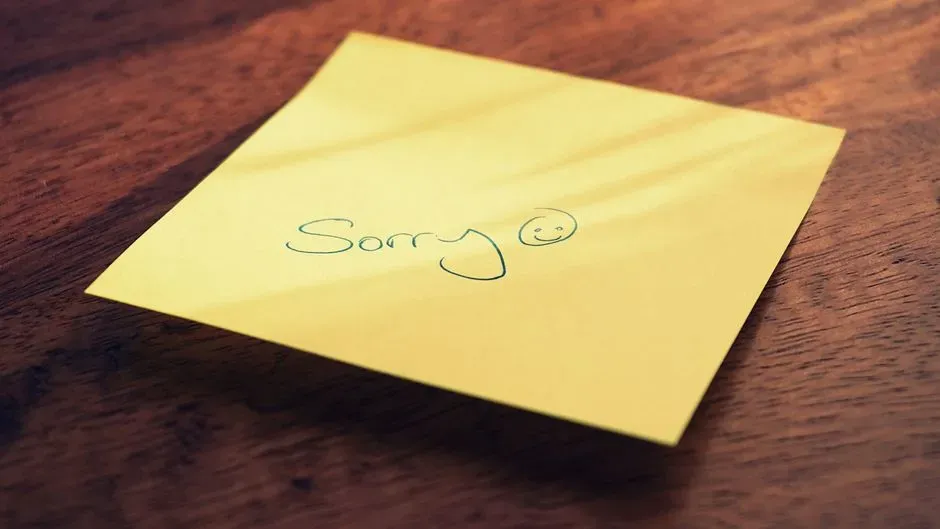
11. "I'm Sorry, I Was Wrong" (Image Credits: Pexels)
Parents rarely think of their apologies as something children store and carry forward, but they do. A parent who openly admits fault teaches something that no lecture ever could: that accountability is not a weakness, and that love doesn't require perfection. It models the exact behavior most parents spend years trying to teach through other means.
Psychologists who study autobiographical memory describe how parent-child conversations about past events can shape what children remember and how they make meaning from it. An apology spoken sincerely becomes a piece of that meaning-making. Adults who received genuine parental apologies as children tend to describe a particular kind of closeness with that parent – a trust built not on the parent's infallibility, but on their honesty about their own limits.
12. "That's Just How We Do Things in This Family"

12. "That's Just How We Do Things in This Family" (Image Credits: Pexels)
This phrase might seem mundane, but it operates as something closer to identity transmission. When a parent frames a value, habit, or expectation as a family characteristic rather than a rule, they are giving the child a sense of belonging to something larger than themselves. The child internalizes it not just as a standard to meet, but as part of who they are.
Rules can feel like care when they feel fair. People often remember clear rules that protected them and helped life run smoothly. The best rules usually had a reason attached. When a child grows up and forms their own household, they often find themselves repeating this exact phrase without quite knowing why. It is one of the most reliable mechanisms by which values pass silently from one generation to the next.
The common thread running through all twelve of these phrases is emotional charge. Children don't record words neutrally. They record them with the feeling that came attached – whether that was safety, shame, pride, or quiet belonging. A parent's words don't just pass through a child's ears; they settle somewhere deeper and stay there, shaping the inner voice that accompanies that person through every significant moment of their adult life.