
Every generation rewrites the rules of courtship a little, but millennials didn't just tweak the playbook. They handed dating a phone, a set of new vocabulary words, and a completely different sense of pacing. What felt efficient and low pressure to millennials often reads as careless or even disrespectful to the people who came before them.
The gap isn't really about right or wrong. It's about what each generation was taught counted as basic decency, and how much of that got quietly rewritten once smartphones entered the picture. Here's a look at eleven specific habits that millennials normalized, and why boomers still tend to wince at them.
1. Texting instead of calling to set up a date

1. Texting instead of calling to set up a date (Image Credits: Unsplash)
Millennials largely traded the phone call for the text message somewhere along the way, and the shift stuck. A survey found that a large majority of respondents said their preferred method of communication with an online date is through text messaging, followed by only a small share preferring a phone call. For millennials, this felt practical. Texting let people confirm plans quickly without the pressure of live conversation.
Boomers see it differently. The majority of Baby Boomers, around sixty percent, like to call to arrange a date, which is a notably higher share than younger generations. To that generation, a call signals effort and sincerity. A text, even a friendly one, can feel like the bare minimum dressed up as consideration.
2. Ghosting instead of a clean breakup conversation
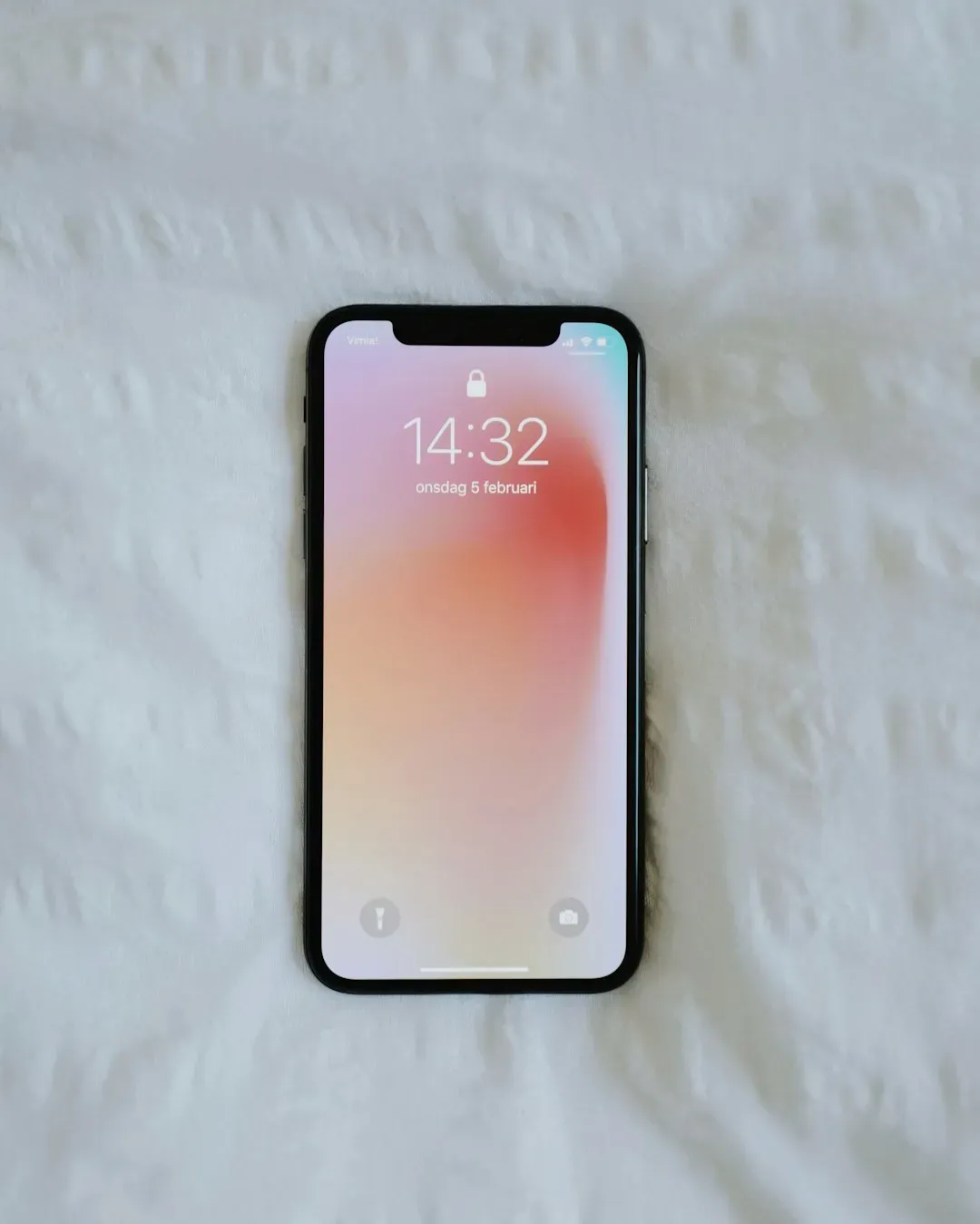
2. Ghosting instead of a clean breakup conversation (Image Credits: Unsplash)
Few habits capture the generational divide quite like ghosting. Ghosting is when someone you are dating abruptly stops communicating with you without explanation. It's become so common among younger daters that most people have both experienced it and done it themselves at some point.
For boomers, this isn't a quirky modern shortcut, it's a breach of basic manners. Your grandparents would just call it being rude, but millennials and Generation Z call a troubling new trend in courtship "ghosting." The idea of simply vanishing, with no call, no explanation, no closure, runs against everything they were taught about how to end things with another person.
3. Breaking up over text message
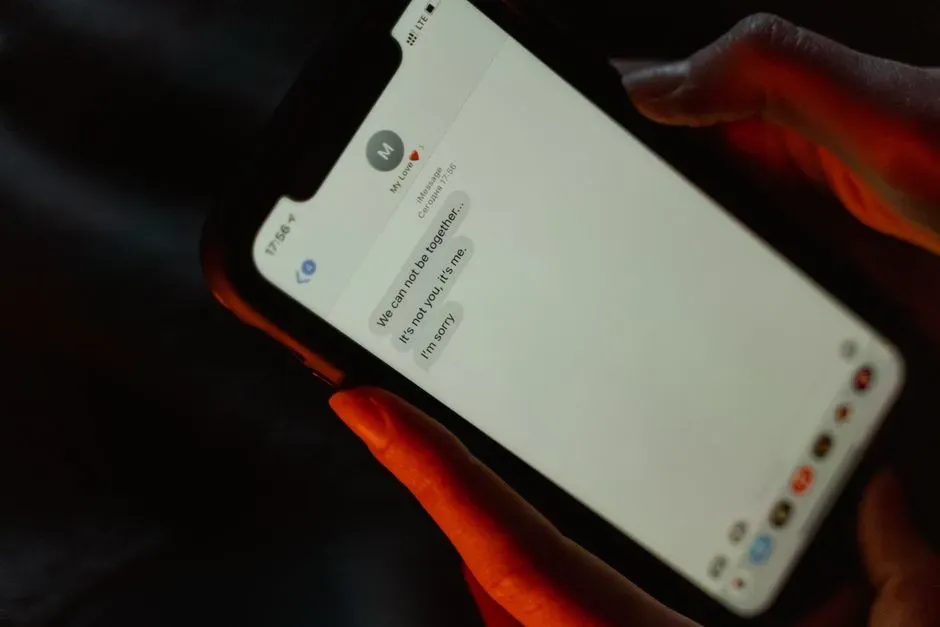
3. Breaking up over text message (Image Credits: Pexels)
Ending a relationship by text once seemed unthinkable. Now it's common enough that most people have either sent one or received one. As rude as it is to ghost someone, it's a very common occurrence, especially within the world of online dating, and some people think breaking up by text is close behind ghosting on the list of toxic exits.
Millennials often frame this as a matter of self protection, a way to avoid an uncomfortable confrontation that could turn tense in person. Boomers tend to view it as the opposite of protection. To them, ending things face to face was simply what you owed another person, regardless of how brief the relationship had been.
4. Leaving people on read for days
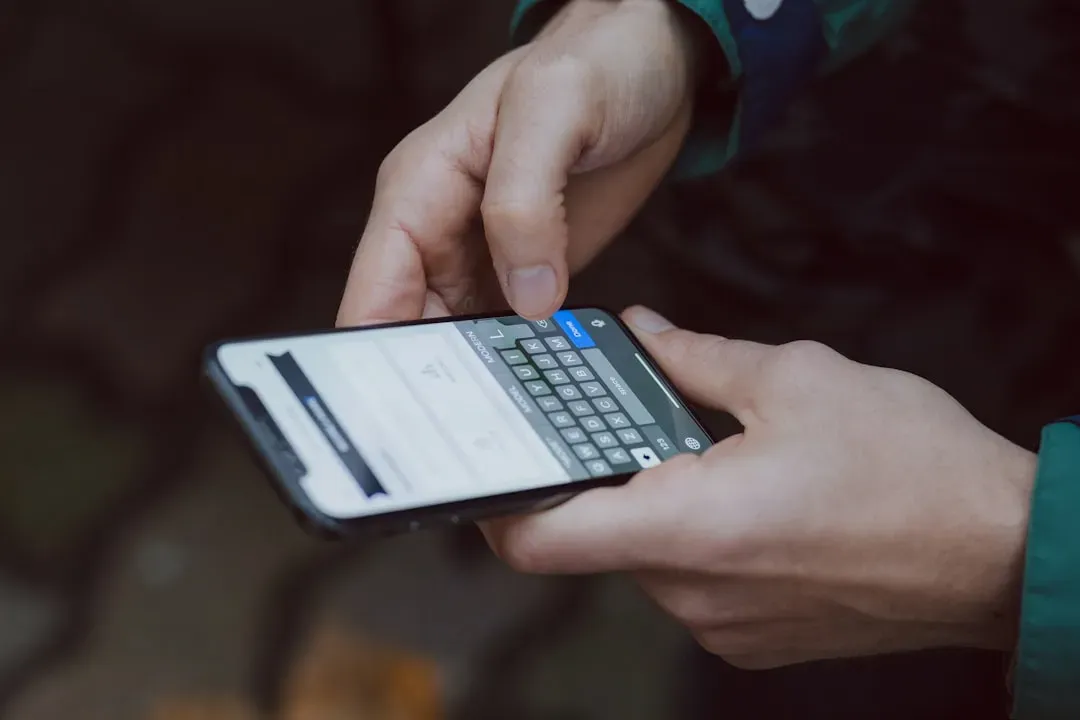
4. Leaving people on read for days (Image Credits: Unsplash)
Millennials helped normalize the idea that a reply doesn't have to come right away, even in the early, exciting stages of getting to know someone. A message can sit unanswered for a day, sometimes longer, without it necessarily meaning disinterest. Millennials may have been the generation that normalized texting as a love language, but leaving someone on read for days while they "figured things out" became its own kind of dating limbo.
To someone raised before smartphones, an unanswered message for days doesn't read as busy or thoughtful. It reads as a snub. Boomers grew up with far fewer channels of communication, so silence on the one channel available usually meant something was wrong.
5. The undefined "talking stage"

5. The undefined "talking stage" (Image Credits: Pexels)
Millennials popularized an entire holding pattern of dating that has no clear label and no clear endpoint. Two people can text constantly, go on dates, and even develop feelings, all while avoiding any conversation about what they actually are to each other. Older men tend to hear "talking stage" and immediately wonder when exactly dating stopped being dating, since spending time together, texting all day, and flirting hard while still acting like nothing is defined would have felt like a waste of time back then.
The vagueness itself is the sticking point for boomers, not just the label. It is the built-in vagueness, and if two people clearly like each other, dragging it out can start to look less like caution and more like emotional stalling. Where millennials see a reasonable buffer before commitment, boomers often see avoidance dressed up as patience.
6. Checking your phone during a date
6. Checking your phone during a date (Image Credits: Unsplash)
Millennials came of age alongside the smartphone, so it's no surprise that phones ended up at the dinner table, the bar, and everywhere in between. Glancing at notifications mid conversation became so common that many people stopped noticing they were doing it. It's a habit closely tied to how millennials use texting as their primary love language in the first place, since the phone itself became part of the relationship.
Boomers grew up with undivided attention as the baseline expectation for any date. A phone buzzing on the table, or worse, being picked up mid sentence, reads to them as a clear signal that the person across from you isn't fully present. It's a small gesture, but it carries a lot of weight for a generation that measures interest by attention span.
7. Breadcrumbing instead of committing or walking away

7. Breadcrumbing instead of committing or walking away (Image Credits: Unsplash)
Millennials also helped popularize a subtler form of avoidance than ghosting. "Breadcrumbing" is when someone continually stays in contact with you, but makes no commitments or plans to see you. It lets one person keep the option open without ever having to decide anything, which can drag on for weeks or months.
Research suggests this habit does real damage, not just etiquette violations. A study found that experiencing breadcrumbing significantly increased the likelihood of lower life satisfaction, along with greater feelings of loneliness and helplessness. Boomers, who tend to expect a relationship to move toward something or end cleanly, see breadcrumbing as a particularly frustrating form of dishonesty.
8. Orbiting after cutting off contact
8. Orbiting after cutting off contact (Image Credits: Pixabay)
Social media gave millennials a strange new way to end things without fully ending them. "Orbiting" is when someone stops talking to you but still engages with your social media. The person disappears from your texts but keeps liking your posts, leaving you unsure whether they're gone or just quiet.
To a generation that didn't grow up broadcasting daily life online, this behavior barely registers as a category, let alone a normal one. Boomers tend to find it confusing at best and manipulative at worst. If someone doesn't want to talk to you, the logic goes, why would they still be watching from the sidelines?
9. Treating exclusivity as something to negotiate later

9. Treating exclusivity as something to negotiate later (Image Credits: Pexels)
Millennials shifted the default expectation around commitment. Rather than assuming exclusivity from the start, many treat it as a conversation that happens further down the line, sometimes well after physical or emotional intimacy has already developed. For boomer men, this one can feel less like progress and more like relationship inflation, since they grew up in a world where exclusivity was still the baseline expectation, not something you negotiated after the fact.
The reaction to this shift isn't simply nostalgia for the old rules. When openness is treated as just another normal option, some boomers do not hear freedom, they hear instability, confusion, and a setup where somebody usually ends up pretending to be more okay than they really are. It's less about disapproval and more about a different definition of what dating is supposed to accomplish.
10. Making the first move through a screen instead of in person
10. Making the first move through a screen instead of in person (Image Credits: Pixabay)
Millennials normalized meeting and pursuing romantic interest almost entirely through a screen, whether that's a dating app swipe, a direct message, or a comment on a photo. A lot of dating now starts with a follow, a DM, a reaction, or some low-risk digital tap on the shoulder. It's a low stakes way to test interest before investing any real effort.
Boomers came from a dating culture built on visible risk. There was a time when interest had to come with some nerve, when you had to walk over, make the call, knock on the door, or at least risk hearing no in real time. Skipping that risk entirely, to them, can look less like modern efficiency and more like avoiding the very thing that used to prove someone was serious.
11. Choosing to stay single rather than date to "settle down"

11. Choosing to stay single rather than date to "settle down" (Image Credits: Pexels)
Perhaps the broadest shift millennials brought to dating culture is a willingness to opt out of it altogether for stretches of time, rather than treating singleness as a problem to solve. One notable study of single people found that a large majority of surveyed millennials made a conscious decision to stay single for a period of time. That kind of intentional pause was less common, and less socially accepted, in earlier generations.
Boomers, many of whom grew up with dating as a fairly direct path toward marriage and family, sometimes read this as flakiness or a lack of seriousness about finding a partner. Millennials tend to frame it instead as self awareness, choosing not to date out of obligation or timeline pressure. The disagreement isn't really about laziness versus effort. It's about whether dating is a task with a deadline or an open ended search that can pause when it needs to.
None of this means one generation dates better than the other. Boomers built their expectations around phone calls, face to face conversations, and a narrower set of tools, while millennials adapted to a world that handed them infinite communication channels and, somehow, less clarity within them. What reads as rude to one side often reads as practical to the other, and both are responding rationally to the dating world they actually grew up in.