
Long before swiping and texting took over, asking someone out meant picking up a phone attached to a wall and hoping for the best. The 1970s had its own rhythm when it came to romance, one built on patience, a little nervous sweat, and rituals that felt almost formal compared to today’s casual hangouts. Anyone who dated during that decade tends to smile the same way when these memories come up.
These habits weren’t just quirky customs. They shaped how people got to know each other, how respect was shown, and how a simple evening out could feel like a small event. Here’s a look back at the first date traditions that still linger in the memory of anyone who lived through them.
Calling the house phone and praying a parent didn't pick up
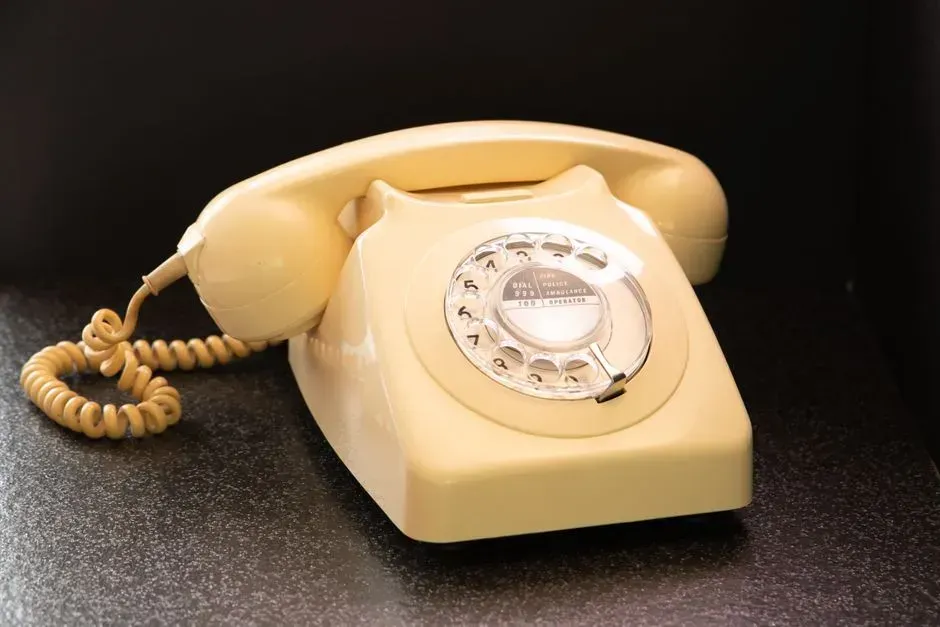
Calling the house phone and praying a parent didn't pick up (Image Credits: Pexels)
There was no texting “hey, you free?” in the 1970s. If you wanted to ask someone out, you called their home phone, and there was a real chance their mother or father would answer first. That short exchange before your date even reached the receiver could feel like an interview, complete with polite small talk and a subtle once over judgment.
Teenagers often rehearsed what they’d say before dialing, sometimes writing out a script on paper just in case nerves took over. Getting the actual person on the line felt like clearing a hurdle, and hanging up afterward usually came with a wave of relief. It made the ask itself feel like a genuine milestone rather than a passing thought.
Dressing up like it actually mattered
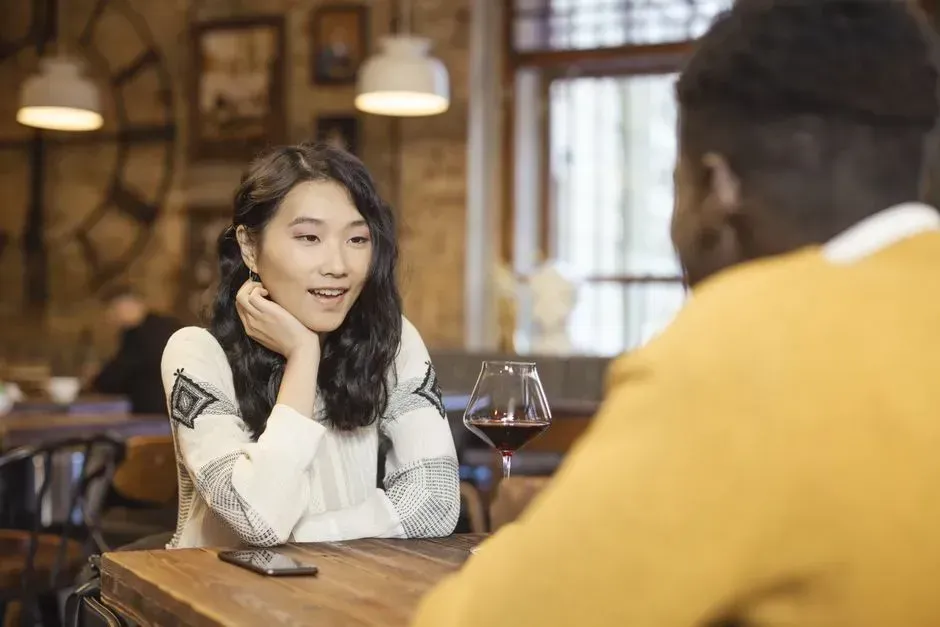
Dressing up like it actually mattered (Image Credits: Pexels)
First dates in the ’70s came with real thought put into appearance, not just a quick outfit change before heading out. Guys often wore collared shirts, sometimes with a blazer, while women put effort into hairstyles that could take an hour or more with hot rollers or a curling iron. Looking put together was part of showing you took the evening seriously.
This wasn’t about designer labels or trends chasing status. It was about presentation and respect for the other person’s time. A wrinkled shirt or messy hair might have signaled you didn’t care enough, and nobody wanted to send that message on a first outing.
Meeting the parents before the date even began
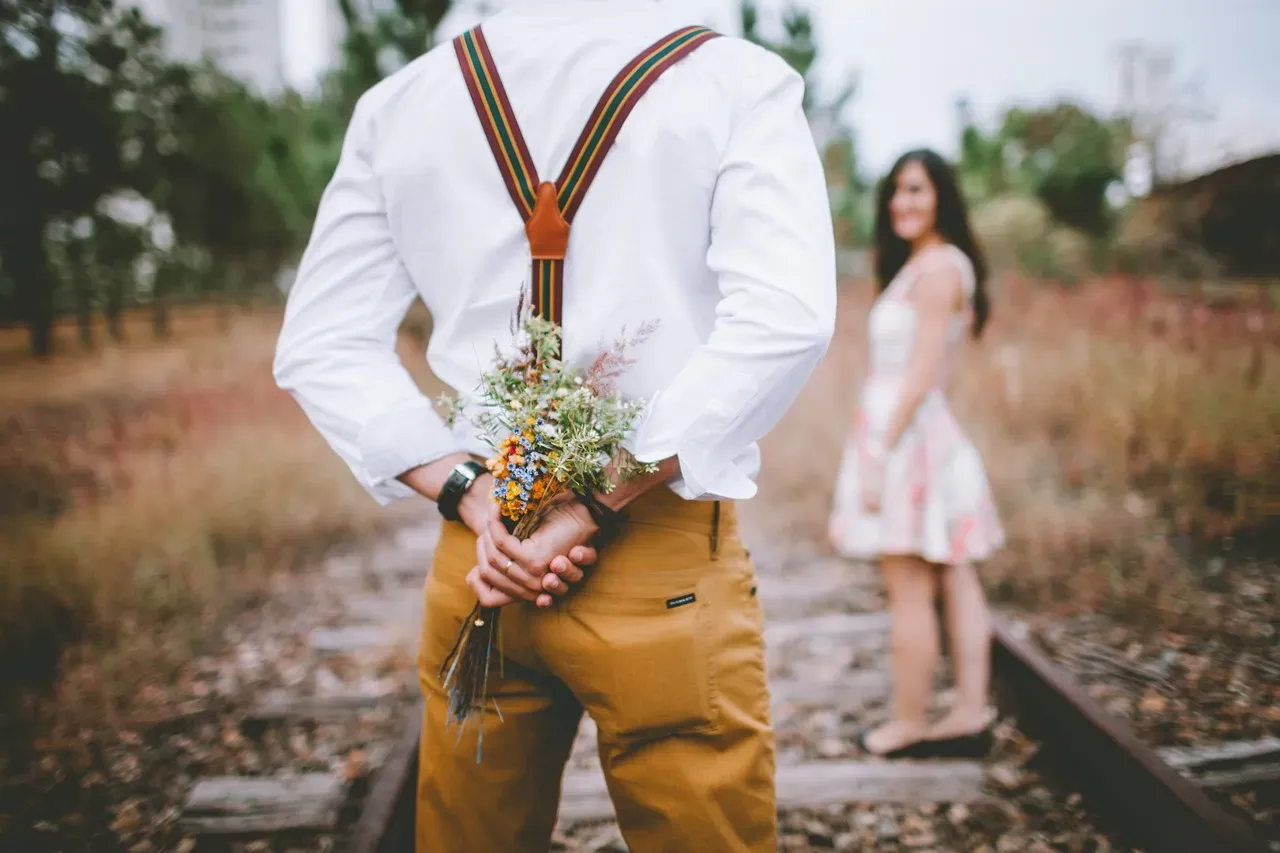
Meeting the parents before the date even began (Image Credits: Pixabay)
Picking someone up meant walking into their house and facing their family, often for a few uncomfortable but expected minutes. Parents wanted to see who their child was heading out with, and skipping that step simply wasn’t an option in most households. It was a small ritual that doubled as a trust check.
Fathers in particular had a reputation for asking pointed questions about curfews, driving records, or intentions. Even if the conversation only lasted five minutes, it set a tone of accountability. Everyone involved understood that showing up on time and being polite in that living room mattered just as much as the date itself.
The drive-in movie as the ultimate go-to spot
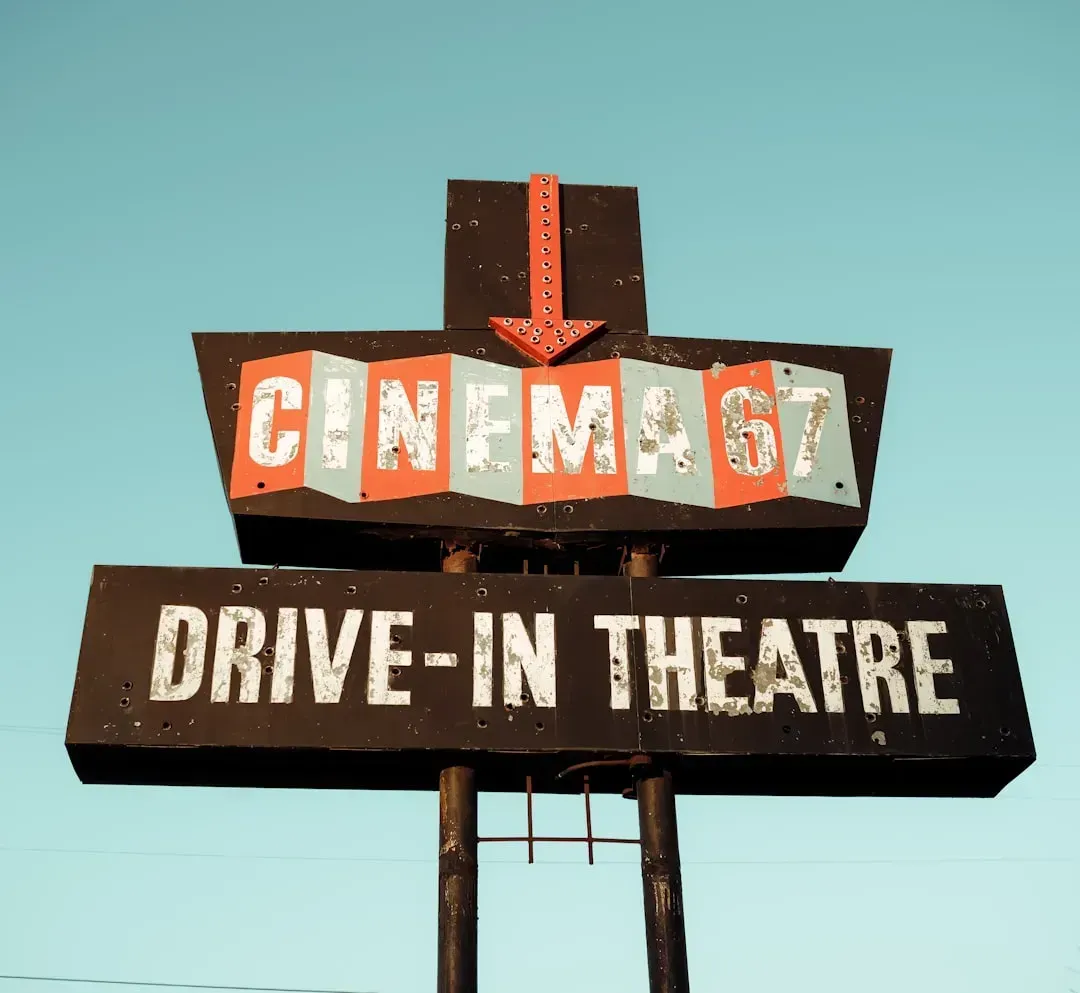
The drive-in movie as the ultimate go-to spot (Image Credits: Unsplash)
Drive-in theaters were still thriving through much of the 1970s, and they became one of the most popular first date destinations across the country. Piling into a car, tuning the radio to the right frequency, and sharing popcorn under the stars felt casual yet still exciting. It gave couples privacy without the pressure of full eye contact for two hours straight.
Drive-ins started declining later in the decade as land values rose and indoor multiplexes multiplied, but for years they remained a dating staple. The format allowed for easy conversation between scenes and a low key atmosphere that made nervous first dates feel more relaxed. It’s one of the most fondly remembered parts of ’70s dating culture.
Bowling alleys and roller rinks as social hubs
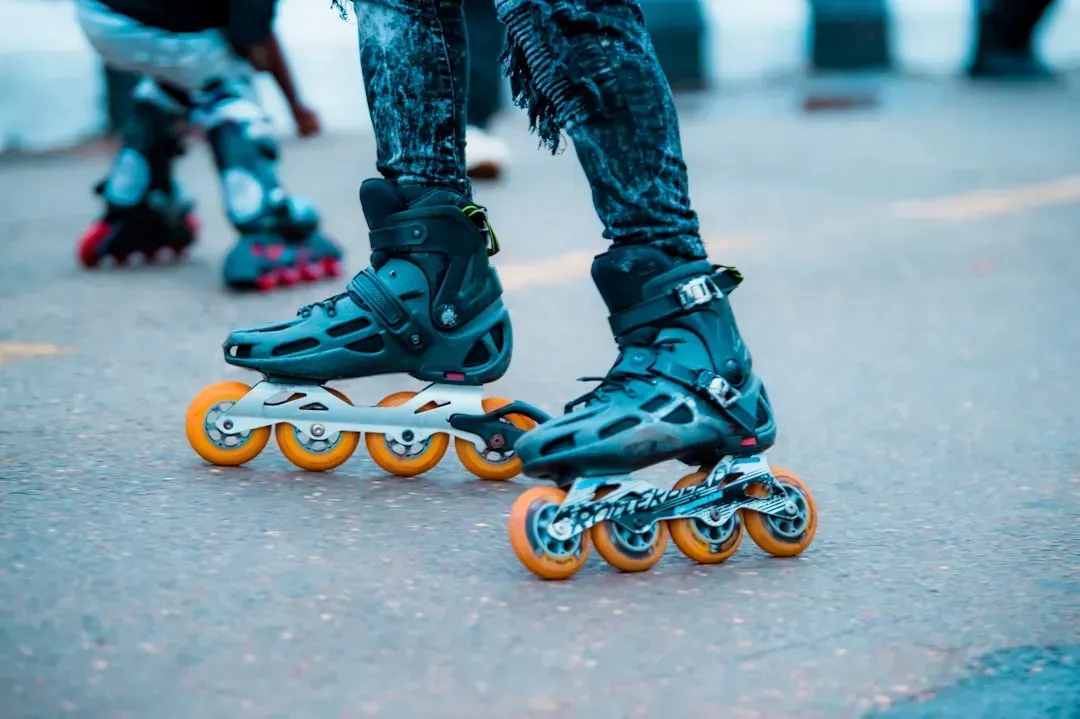
Bowling alleys and roller rinks as social hubs (Image Credits: Unsplash)
Bowling alleys weren’t just for serious players in the 1970s, they were a common backdrop for first dates that needed a bit of structure and fun built in. Sharing a lane gave both people something to do besides stare at each other, and a little friendly competition broke the ice fast. Roller rinks served a similar purpose, especially as disco music brought new energy to skating culture later in the decade.
These venues offered something texting era dating spots often lack now, which is shared activity paired with low stakes conversation. Nobody felt like they had to carry an entire evening on witty small talk alone. A bad throw or a stumble on skates usually got a laugh instead of embarrassment, which helped nerves settle quickly.
Bringing records or making a mixtape to set the mood
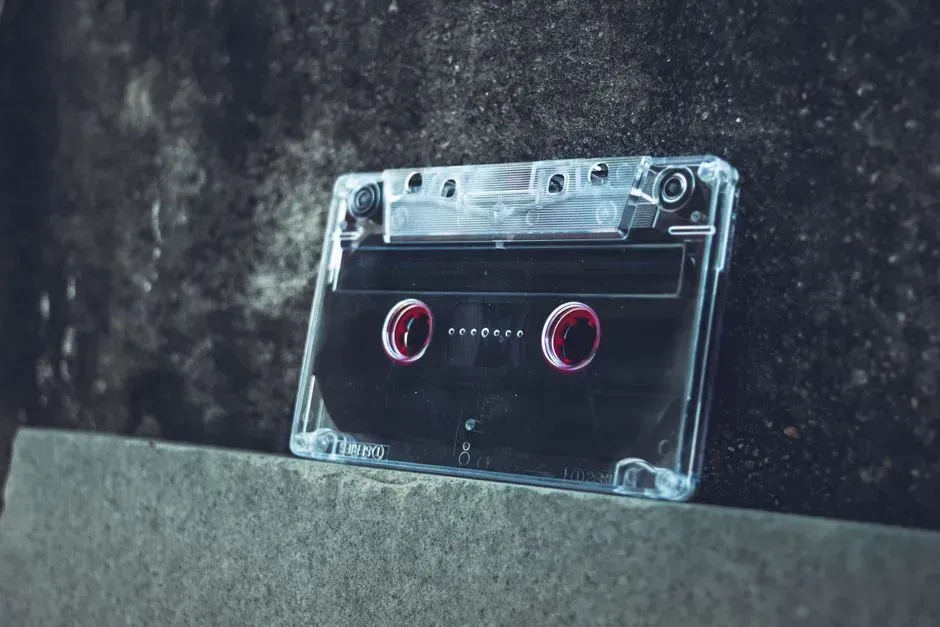
Bringing records or making a mixtape to set the mood (Image Credits: Pexels)
Music played a real role in courtship, and bringing a favorite record over or crafting a homemade mixtape was considered a thoughtful, sometimes bold move. Cassette tapes became widely available in the early ’70s, and by the middle of the decade, making a compilation for someone you liked was a recognized romantic gesture. It took time and effort, which made it meaningful.
Choosing the right songs said something about a person’s taste and how well they were paying attention to what the other person liked. It wasn’t unusual for a date to include listening to a new album together on someone’s living room floor. That shared listening experience often became a defining memory of how a relationship started.
Diners, drive-ins, and burger joints for casual dates
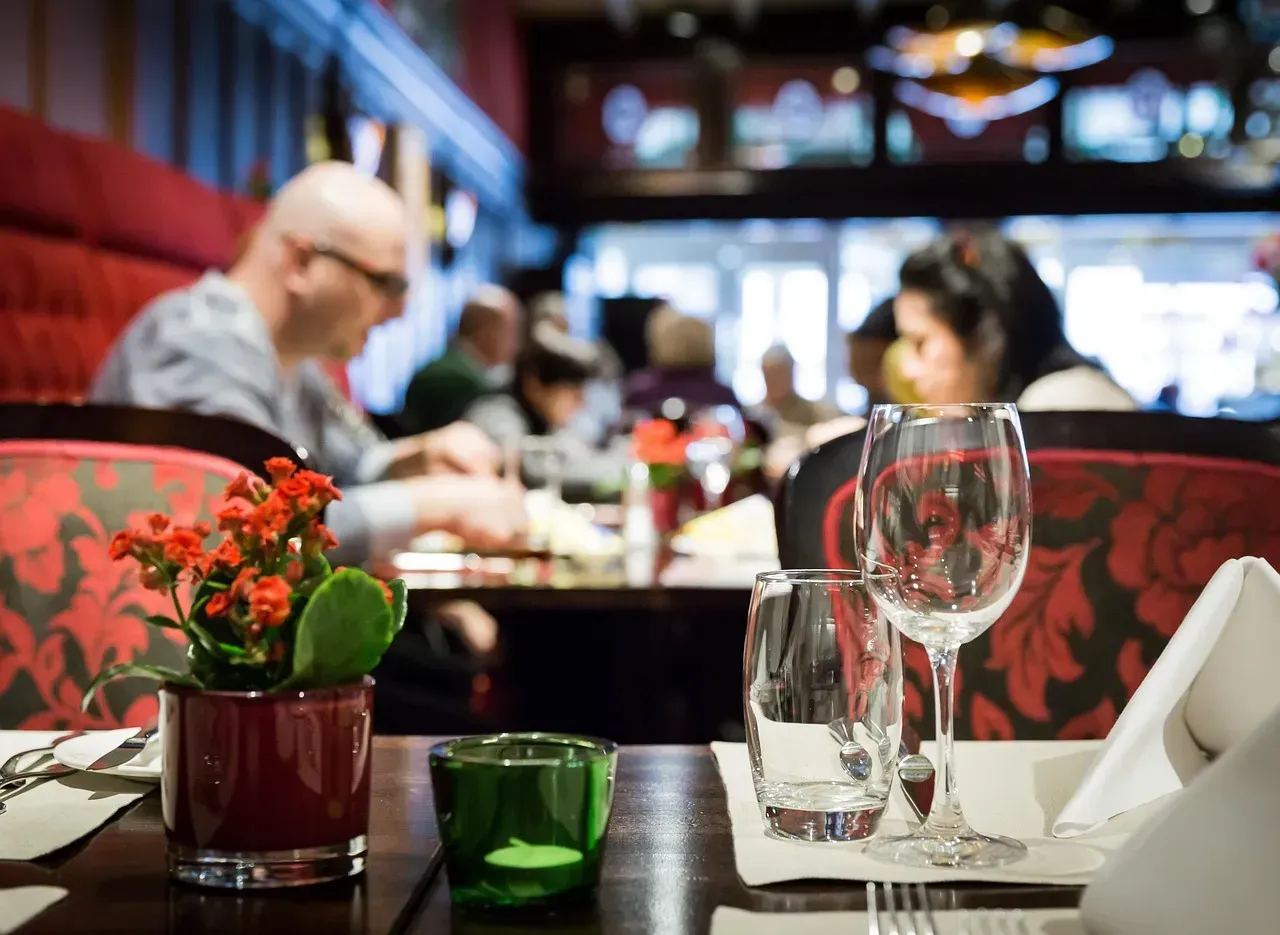
Diners, drive-ins, and burger joints for casual dates (Image Credits: Pixabay)
Diners remained a dependable date spot throughout the 1970s, offering affordable food, casual booths, and enough noise in the background to ease any awkward silences. Fast food chains were also expanding rapidly during this period, giving teenagers more casual, budget friendly options for a first outing. Splitting a milkshake or fries became a small bonding ritual in itself.
These spots worked because they lowered the pressure. Nobody needed a fancy reservation or a big budget to make a diner date feel special. It was really about the conversation, and a shared basket of fries often did more to break tension than any elaborate setting could.
Slow dancing at school dances and community events
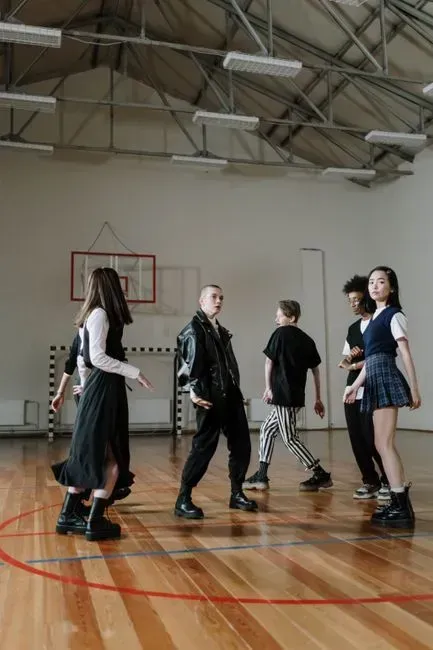
Slow dancing at school dances and community events (Image Credits: Pexels)
School dances, sock hops, and local community events gave couples a formal but exciting way to spend a first date together. Slow dancing, in particular, was a rite of passage, often marking the first time two people got physically close in a socially acceptable setting. The nervous shuffle during a slow song is a memory plenty of people from that era still bring up decades later.
These dances were usually chaperoned, which added a layer of structure that kept things respectful. Even so, the anticipation leading up to a slow song, and the decision of who to ask, carried real weight. It made school dances one of the more emotionally charged first date settings of the decade.
Walking her to the door and the goodnight kiss debate
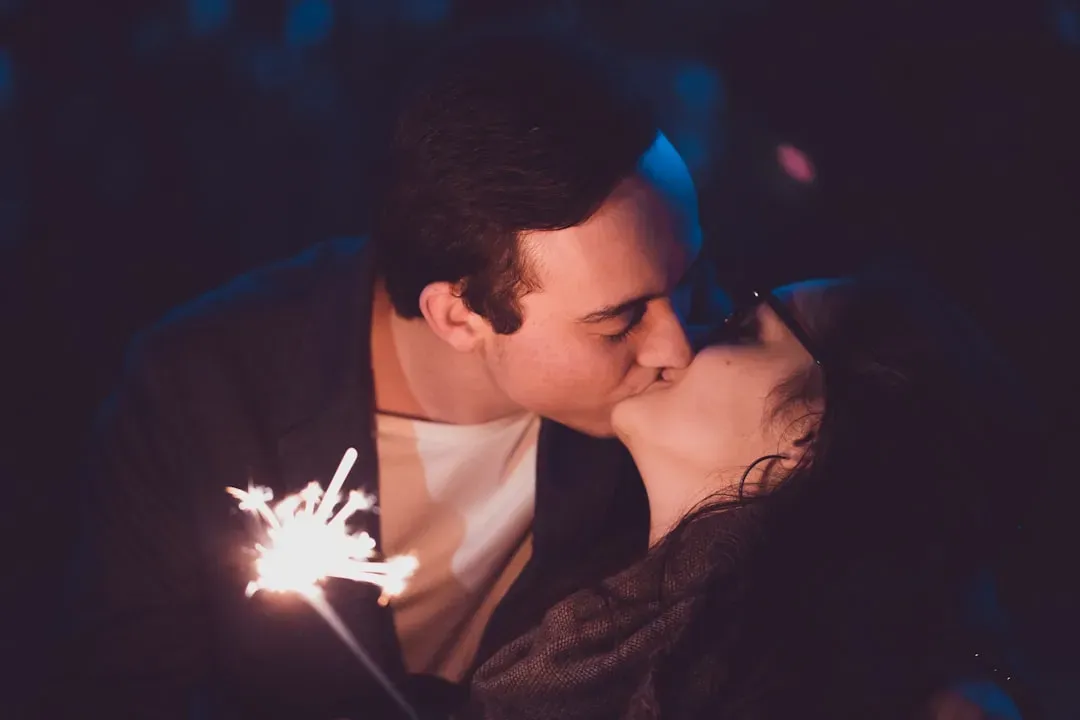
Walking her to the door and the goodnight kiss debate (Image Credits: Unsplash)
Ending a date properly meant walking your date all the way to their front door, not just dropping them off at the curb. This small act of courtesy was expected and rarely skipped, regardless of how the evening had gone. It gave both people a final moment together before saying goodnight.
Whether or not a goodnight kiss would happen became its own quiet drama, often replayed in the mind for days afterward. There was no easy way to gauge interest through a screen beforehand, so that doorstep moment carried real suspense. Many people still recall the exact feeling of standing there, unsure whether to lean in or simply say goodnight.
Writing notes and letters instead of texting the next day
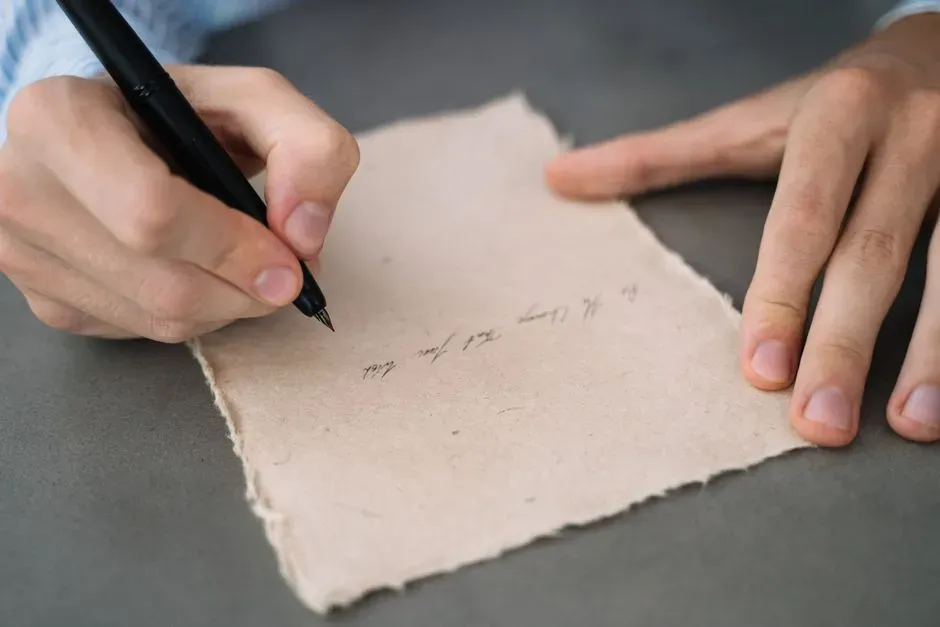
Writing notes and letters instead of texting the next day (Image Credits: Pexels)
Following up after a date didn’t happen instantly the way it does now. If someone wanted to express interest after a first date, they often wrote a short note or letter, sometimes passed through a friend or mailed if there was some distance involved. This delay added anticipation that quick digital replies simply don’t replicate.
Handwritten notes carried a personal touch that felt harder to fake or rush. Waiting a day or two for a reply became part of the emotional experience, stretching out the excitement or nervousness a bit longer. It made communication feel more intentional, since every note took real time and thought to create.