
Walk into a classroom in 2026 and you'll find laptops on every desk, phones locked in magnetic pouches, and a kid asking Siri to spell "necessary." Walk into that same building in 1986 and the scene looks almost unrecognizable, right down to the smell of mimeograph ink and the sound of a bell that actually rang instead of buzzed digitally. Some of what passed for normal back then would strike a Gen Alpha kid as either fascinating or mildly horrifying, and honestly, a little of both feels fair.
This isn't really about nostalgia for its own sake. It's more about noticing how much daily school life has quietly shifted over four decades, from discipline to technology to what counted as a treat on a Friday afternoon. Here are twelve pieces of that old routine that simply don't exist anymore, at least not in the way they used to.
1. Corporal punishment as a routine consequence

1. Corporal punishment as a routine consequence (joegoauk73, Flickr, <a href="https://creativecommons.org/licenses/by-sa/2.0/" target="_blank" rel="noopener">CC BY-SA 2.0</a>)
In 1986, a kid talking back or skipping class could realistically get paddled by a principal, and in many districts that was just part of the disciplinary toolkit rather than a scandal. It wasn’t universal, but it was common enough that most students knew someone who’d been on the receiving end of it. The idea of a school employee physically striking a student as an accepted punishment feels almost unthinkable to a kid raised in 2026.
Yet the practice hasn’t fully disappeared, which might surprise people who assume it’s ancient history. As of 2024, corporal punishment is legal in 17 states and practiced in 14, concentrated mostly in the South. More than three-quarters of all reported school corporal punishment incidents occur in just four states: Alabama, Arkansas, Mississippi, and Texas. For most Gen Alpha kids outside those regions, though, it’s simply not part of their reality at all.
2. Smoking lounges and staff smoking in the building

2. Smoking lounges and staff smoking in the building (Image Credits: Pexels)
It sounds almost fictional now, but plenty of American high schools in the 1980s had designated smoking areas for students, and teachers’ lounges regularly had a haze of cigarette smoke hanging in the air. Some schools even allowed juniors and seniors with parental permission to smoke on campus during breaks. The whole concept of a school sanctioning tobacco use on its own property is genuinely bizarre by today’s standards.
The shift came gradually through the late 1980s and 1990s as health research on secondhand smoke became impossible to ignore, and by the mid 1990s most states had banned smoking on school grounds entirely. A kid in 2026 walking past a building and seeing staff members smoking near the entrance would probably assume something was very wrong. Back then it was just Tuesday.
3. Mimeographed worksheets with that purple smell
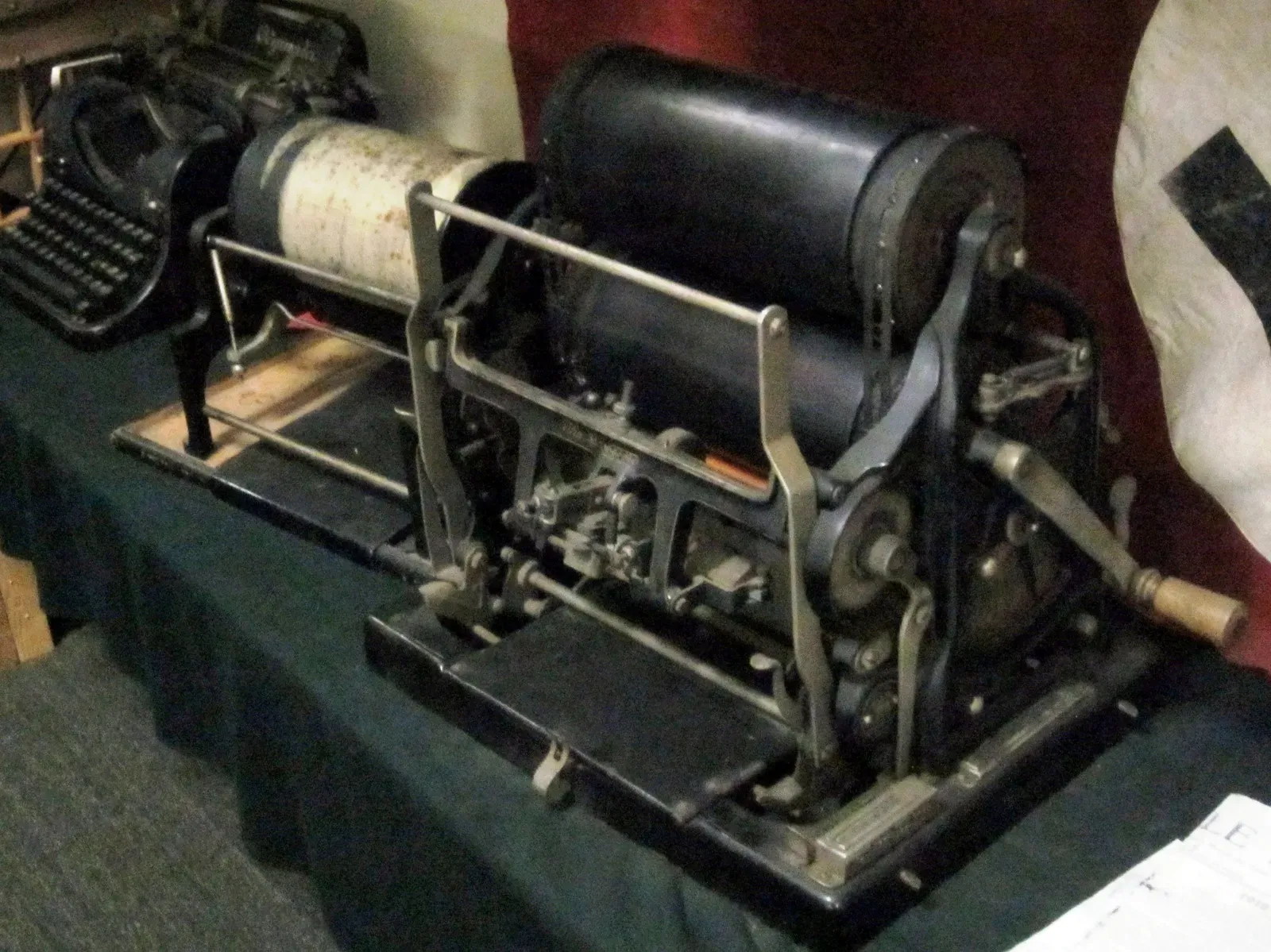
3. Mimeographed worksheets with that purple smell (By Brigade Piron, <a href="https://commons.wikimedia.org/w/index.php?curid=28243812" target="_blank" rel="noopener">CC BY-SA 3.0</a>)
Before photocopiers became standard, teachers ran worksheets through mimeograph machines that used a chemical solvent to transfer purple ink onto paper. Kids would hold freshly printed sheets up to their faces just to smell them, a small ritual that an entire generation remembers fondly. The machines were messy, slow, and required actual physical stencils cut by hand or typewriter.
By the time Gen Alpha entered classrooms, worksheets came from laser printers or, more often, appeared on a tablet screen with no paper involved at all. The tactile, slightly chemical experience of 1980s duplicating technology has essentially vanished from modern education. It’s a small thing, but it’s one of those sensory details that instantly signals a different era.
4. Landline-only communication with parents
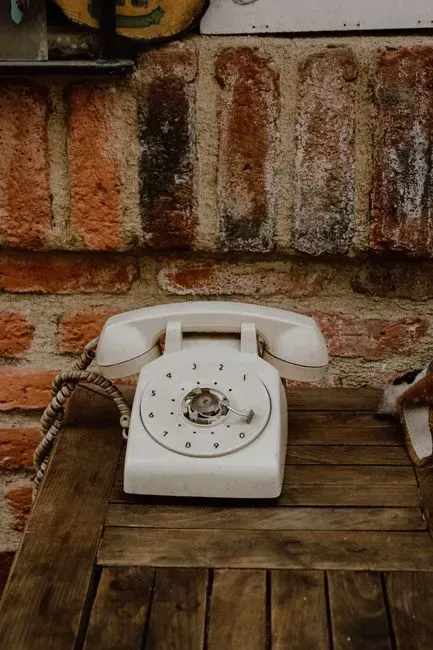
4. Landline-only communication with parents (Image Credits: Pexels)
If a kid got sick or into trouble at school in 1986, the office called home on a rotary or push button landline and hoped someone was there to pick up. There was no texting a parent directly, no group chat with the front office, and definitely no instant notification apps. Communication moved at the speed of whoever happened to be near the phone.
Today, parents get real time alerts through school apps, email, and sometimes even direct messages from teachers within minutes of an incident. Gen Alpha kids have grown up assuming their parents can be reached almost instantly, which makes the old landline dependent system feel almost impossibly slow. The gap between those two worlds is honestly one of the biggest shifts on this whole list.
5. No metal detectors or visible security measures
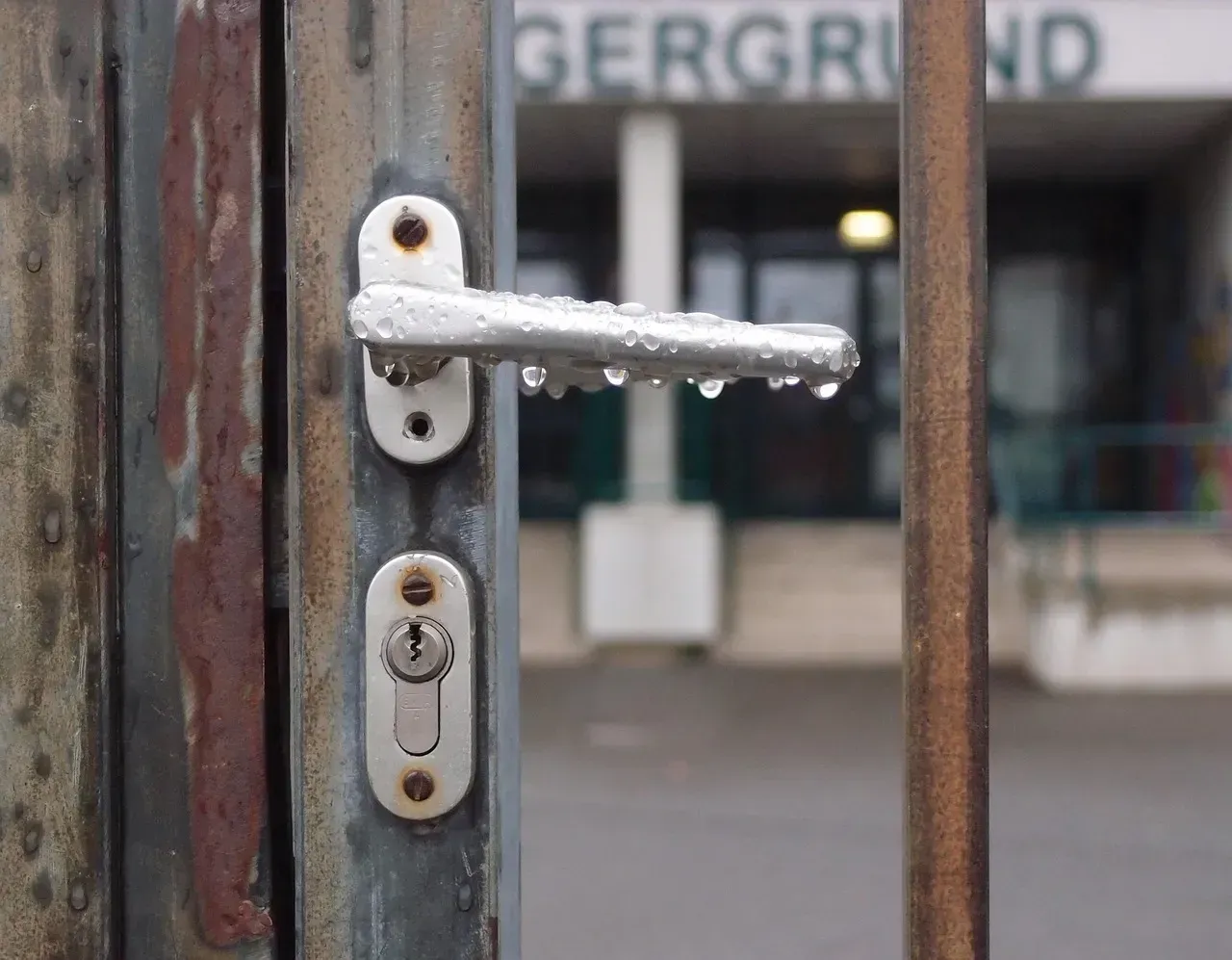
5. No metal detectors or visible security measures (Image Credits: Pixabay)
Most schools in the 1980s had open campuses with unlocked doors, no metal detectors, and often no dedicated security staff at all. Visitors could walk in largely unchecked, and the idea of a school resource officer stationed at the entrance simply wasn’t part of the picture. Safety protocols existed, but they looked nothing like what’s standard now.
Following a series of school shootings and heightened safety concerns in the decades since, many schools have added controlled entry systems, security cameras, and in some cases metal detectors or armed officers on site. A Gen Alpha student walking through a single locked entrance with a badge scanner would find the idea of a fully open 1980s campus almost unimaginably relaxed by comparison. It’s a sobering contrast, and one that reflects broader changes in society rather than just schools themselves.
6. Corporal punishment aside, harsh public shaming as discipline
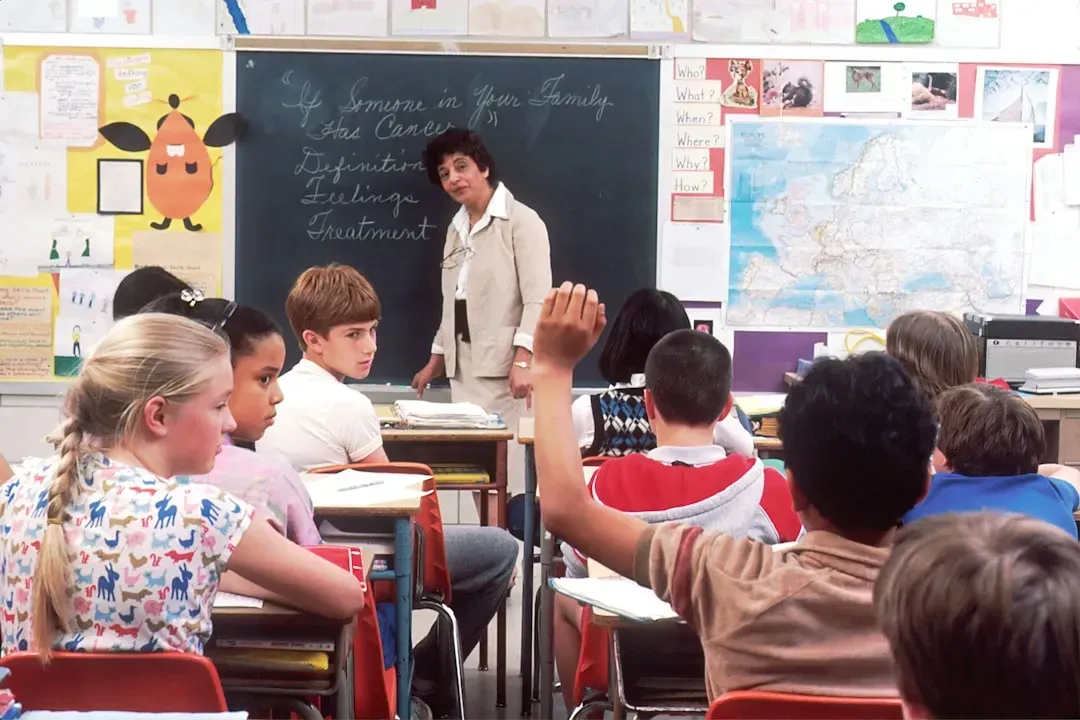
6. Corporal punishment aside, harsh public shaming as discipline (Image Credits: Unsplash)
Beyond paddling, plenty of 1980s classrooms used public humiliation as a discipline tool, things like standing in a corner, writing sentences on a chalkboard for the whole class to see, or being called out loudly in front of peers. Dunce caps were mostly gone by then, but their spiritual successors lived on in the form of “time out chairs” placed conspicuously at the front of the room. It was normalized in a way that would raise serious concerns among parents and administrators today.
Modern classroom management leans heavily toward restorative practices, private conversations, and behavior plans developed with counselors rather than public embarrassment. Many districts now have explicit policies against practices that single out a student in front of classmates. For Gen Alpha, the idea of a teacher deliberately humiliating a kid as a teaching method would likely prompt an immediate call home from a very different kind of parent.
7. Landline pay phones as the only outside contact option
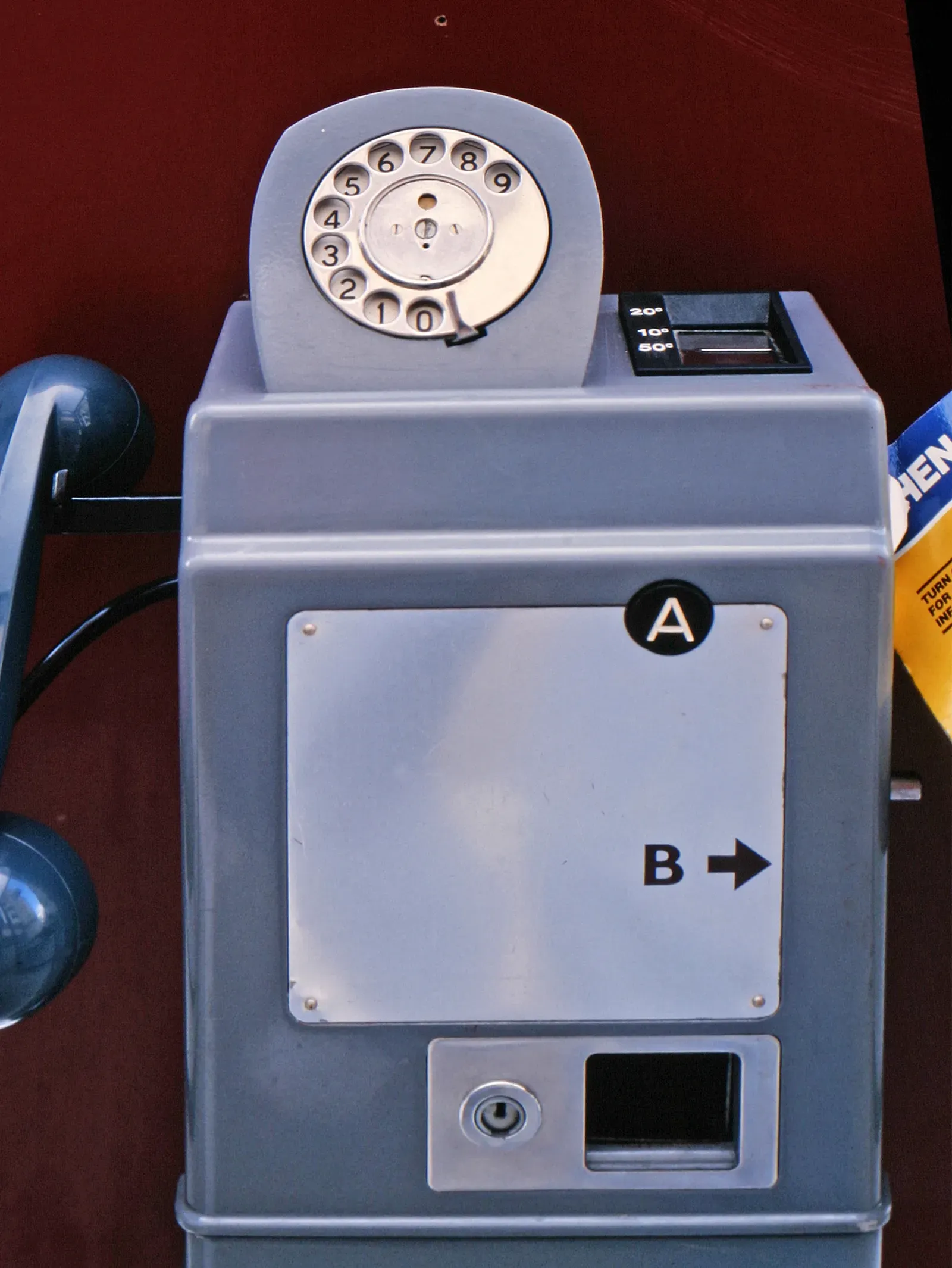
7. Landline pay phones as the only outside contact option (By W. Bulach, <a href="https://commons.wikimedia.org/w/index.php?curid=105456183" target="_blank" rel="noopener">CC BY-SA 4.0</a>)
If a student needed to reach anyone outside school hours for an emergency, the options were a school office phone or, for older kids, a coin operated pay phone somewhere on or near campus. Carrying spare change specifically for phone calls was a normal part of daily life. There was no backup plan if you didn’t have a quarter.
Pay phones have all but disappeared from the American landscape entirely, let alone from school campuses, and the concept of needing physical coins to make an emergency call would baffle a kid who’s had a phone since elementary school. This one connects closely to the broader communication shift, but it’s worth calling out on its own because of how completely the object itself vanished. Most Gen Alpha kids have probably never even seen a working pay phone in person.
8. Personal cell phones being essentially nonexistent, then banned outright
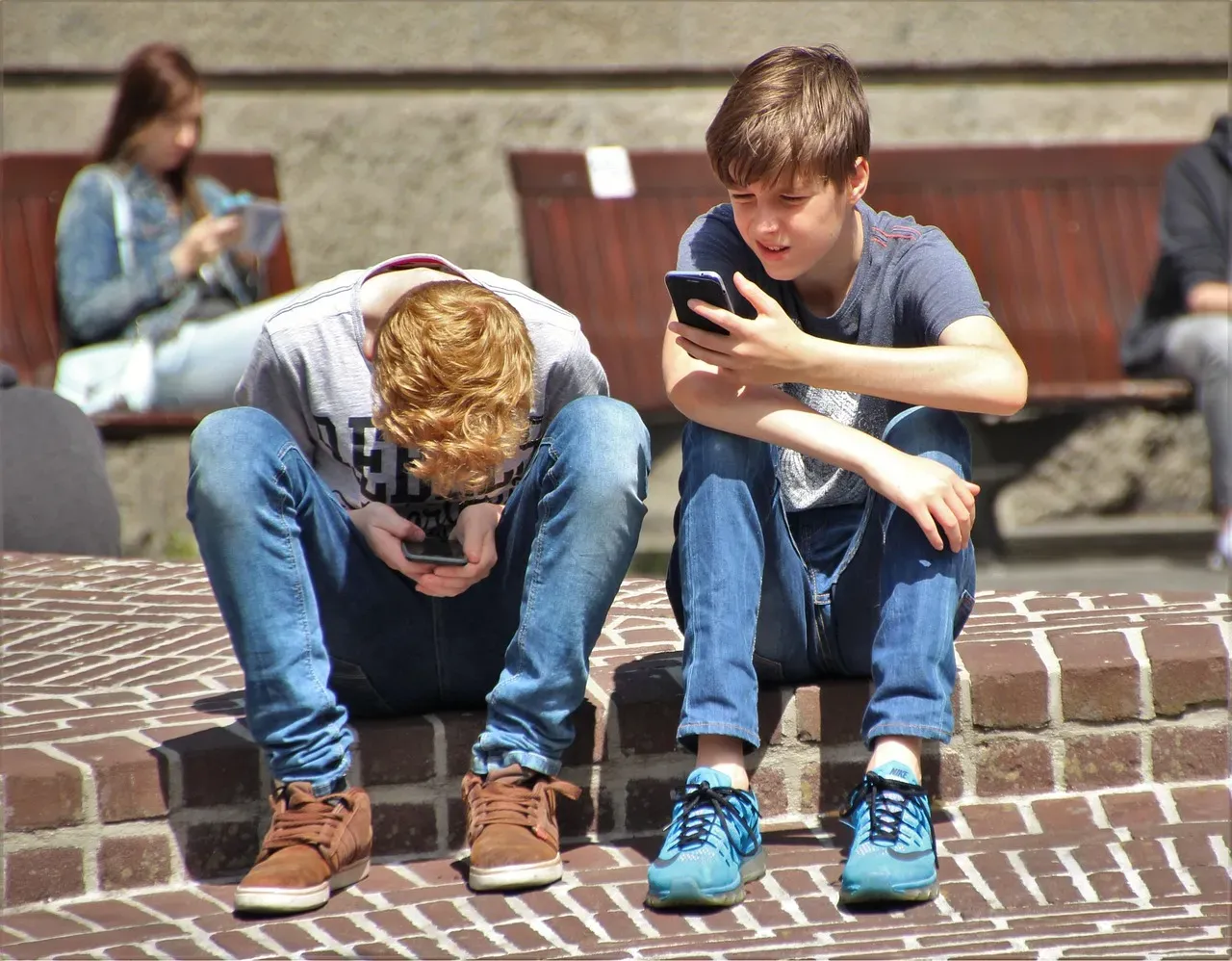
8. Personal cell phones being essentially nonexistent, then banned outright (Image Credits: Pixabay)
Obviously no student had a personal cell phone in 1986 since the technology barely existed for consumers at all. Fast forward to the 2010s and 2020s, and phones became so deeply woven into school life that many states are now moving to ban them again, just for entirely different reasons. It’s a strange loop where the absence of phones has gone from being simply the default to becoming a deliberate policy choice.
As of Dec. 2025, 35 states and Washington, D.C., have signed or already enacted laws or policies regarding student cell phone usage in K-12 classrooms, according to Ballotpedia data. Louisiana implemented Act 313 for the 2024-2025 school year, one of the strictest laws in the nation, effectively mandating a “bell-to-bell” environment by requiring devices to be “properly stowed away” for the entire school day. A kid in 2026 might actually experience a school day closer to the phone free 1980s than a kid did just five years ago, which is a genuinely interesting twist on this whole list.
9. Card catalogs and the Dewey Decimal ritual

9. Card catalogs and the Dewey Decimal ritual (Image Credits: Pexels)
Research in the 1980s meant physically flipping through wooden drawers of index cards in the school library, tracking down a book by its Dewey Decimal number, then hoping it was actually on the shelf and not checked out by someone else. Learning to use a card catalog was an actual skill taught explicitly in elementary school. It required patience and a fair bit of trial and error.
Digital catalogs replaced physical card systems in most schools by the late 1990s and early 2000s, and now most research starts with a search engine or an AI assistant rather than a library visit at all. Gen Alpha students might still learn library skills, but the tactile card catalog experience is functionally extinct. It’s one of those things that sounds almost like a museum exhibit description to younger ears.
10. Grades delivered only on paper, sealed and mailed home

10. Grades delivered only on paper, sealed and mailed home (Image Credits: Unsplash)
Report cards in 1986 were physical documents, often handwritten or typed, sealed in an envelope and either sent home with the student or mailed directly to parents. There was a real gap between when a grade was earned and when a parent actually saw it, sometimes weeks. Kids had genuine leverage in that window, whether that meant “forgetting” to deliver the envelope or trying to explain a bad grade before anyone saw the actual paper.
Today, most districts use online portals where parents can check grades in near real time, sometimes the same day an assignment is scored. That old strategy of intercepting the report card simply doesn’t work anymore, since parents often see the grade before the student even gets home. It’s a small loss of childhood autonomy that probably makes life easier for parents and a little tougher for kids trying to manage the narrative.
11. Filmstrips and overhead projectors as the height of classroom tech
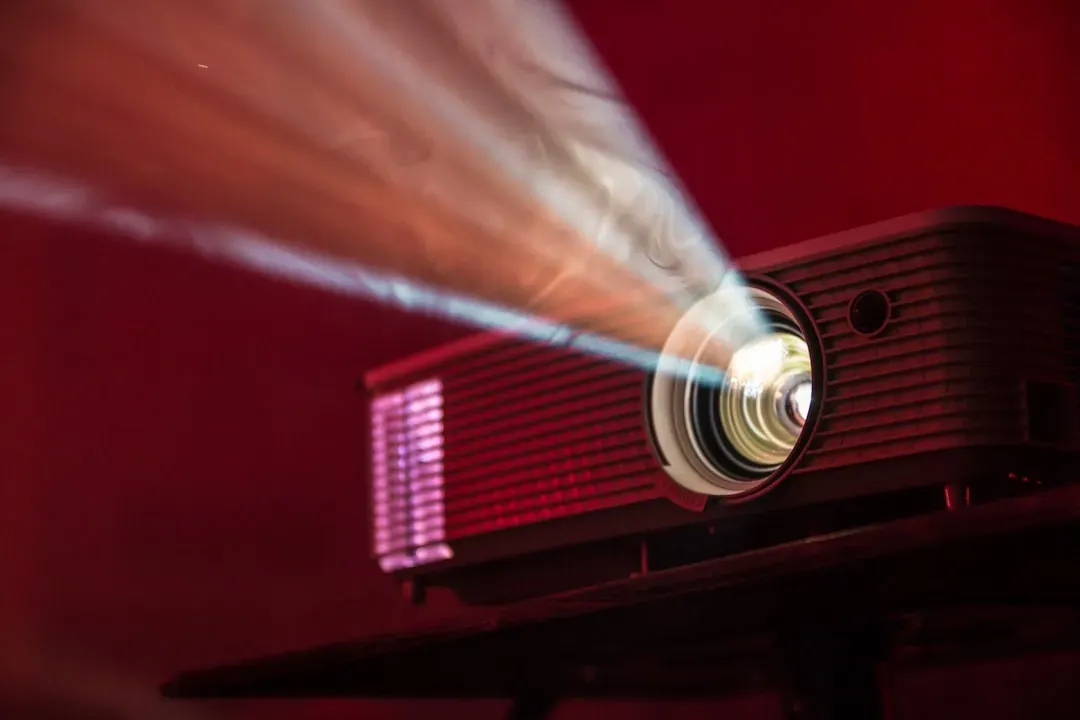
11. Filmstrips and overhead projectors as the height of classroom tech (Image Credits: Unsplash)
A special treat in an ’80s classroom often meant the teacher wheeling in a filmstrip projector or an overhead transparency machine, complete with that distinctive click as the projector advanced to the next frame. Watching an educational filmstrip was considered a genuine break from regular lecture based instruction. The overhead projector, with its handwritten transparencies and dry erase markers, was as high tech as most classrooms got.
Smartboards, tablets, and streaming video have completely replaced that entire category of equipment in the vast majority of American schools. A Gen Alpha student has likely never seen a filmstrip projector outside of a museum or a nostalgic social media post. The idea that flipping on a machine to show slides once counted as cutting edge classroom technology is almost charming in retrospect.
12. Unstructured recess with minimal adult supervision

12. Unstructured recess with minimal adult supervision (Image Credits: Pexels)
Recess in the 1980s often meant kids running freely across a playground with limited direct supervision, playing games with rules they made up themselves, and settling minor disputes without an adult stepping in immediately. Playground equipment was frequently metal, occasionally dangerous by modern safety standards, and nobody thought twice about it. It was a genuinely unstructured chunk of the day.
Modern recess looks quite different, with more structured games, closer adult supervision, and playground equipment redesigned around updated safety guidelines. Many schools have also shortened recess time significantly compared to decades past, prioritizing additional instructional minutes instead. For Gen Alpha kids, the idea of an entirely self governed, loosely supervised outdoor break might sound appealing in theory, but it’s simply not the version of recess most of them have ever experienced.
The details on this list might seem small on their own, a purple smelling worksheet here, a coin operated phone there. Taken together, though, they sketch out just how much the daily texture of school life has changed since the 1980s, not just in obvious ways like technology, but in quieter shifts around safety, discipline, and communication. Some of those changes are clear improvements. Others are simply different, neither better nor worse, just a reflection of a different time trying to solve different problems.