
Dating in the 1980s ran on landline phones, mixtapes, and a whole set of unwritten rules that felt perfectly normal at the time. There was no texting to soften an awkward moment, no social media to broadcast a relationship status, and no way to know if someone liked you back except by actually asking them, in person, with your heart in your throat. Looking back, some of these customs seem almost quaint, while others reveal just how much dating culture has shifted in the decades since.
For anyone who grew up going steady in that decade, or for younger readers curious about what courtship looked like before smartphones existed, these ten norms offer a window into a very different romantic landscape. Some were sweet, some were a little sexist by today’s standards, and all of them are almost entirely gone now.
1. Calling the house and hoping a parent didn't answer

1. Calling the house and hoping a parent didn't answer (Image Credits: Unsplash)
Before cell phones, calling your crush meant dialing a shared family line and bracing yourself for whoever picked up. If it was a dad with a gruff voice or a nosy younger sibling, the whole call could turn into an ordeal before you even said hello. Teenagers developed elaborate systems, like calling at exact prearranged times, just to avoid parental interception.
This single shared phone line also meant privacy was basically nonexistent. Long conversations tied up the family phone for hours, often leading to arguments with siblings or parents waiting for an important call. The anxiety of a parent picking up became such a universal teen experience that it shows up constantly in coming of age films from the era.
2. Wearing his class ring or letterman jacket as a public claim
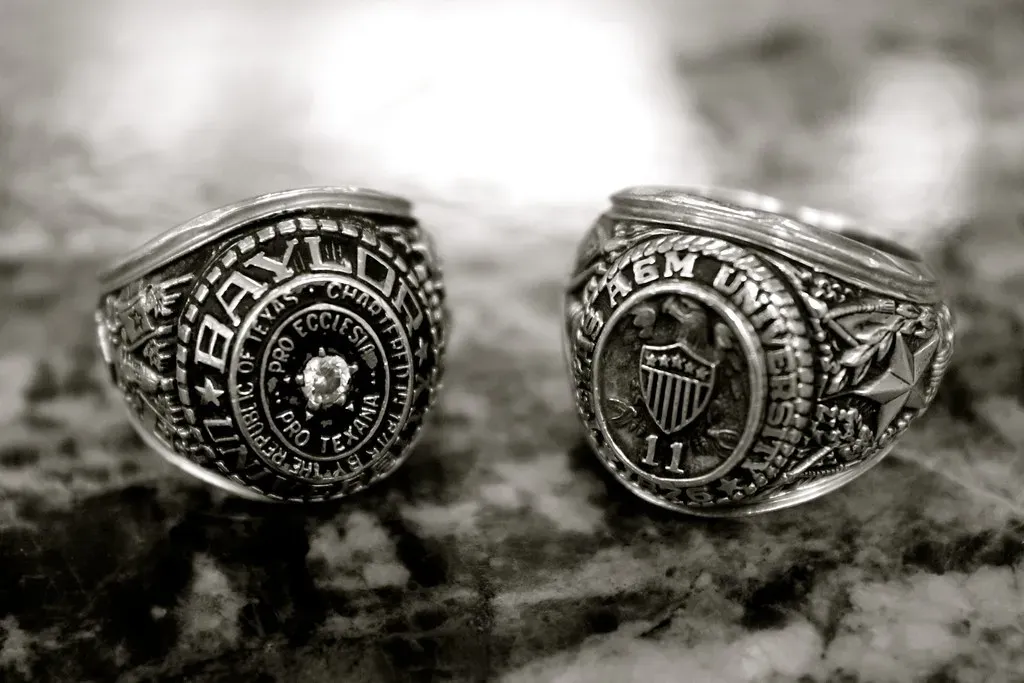
2. Wearing his class ring or letterman jacket as a public claim (DHuiz, Flickr, <a href="https://creativecommons.org/licenses/by/2.0/" target="_blank" rel="noopener">CC BY 2.0</a>)
Once a couple was official in the 80s, it usually came with a visible symbol. A girl wearing her boyfriend’s class ring, often wrapped in yarn or tape to fit her smaller finger, was an unmistakable sign to the entire school that she was taken. The letterman jacket served a similar purpose, functioning as a walking announcement of exclusivity.
These physical tokens replaced what social media profiles do today. There was no relationship status to update online, so wearing a piece of someone’s clothing or jewelry was the era’s version of making it Facebook official. It also carried real social weight, since removing the ring or jacket was often the first sign to classmates that a breakup had happened.
3. Going steady required an actual verbal conversation

3. Going steady required an actual verbal conversation (Image Credits: Pexels)
There was no ambiguous talking stage that could drift on for months without definition. Couples in the 80s typically had a direct conversation about exclusivity, often awkwardly, often in a school hallway or over that landline phone. Being someone’s boyfriend or girlfriend meant something specific and mutually understood.
This clarity stood in contrast to today’s more fluid dating labels. Without texting or dating apps to soften the process, asking someone to go steady required real nerve and a face to face moment. Many people who dated in that decade still remember exactly where they were when they had that conversation.
4. Mixtapes as the primary love language
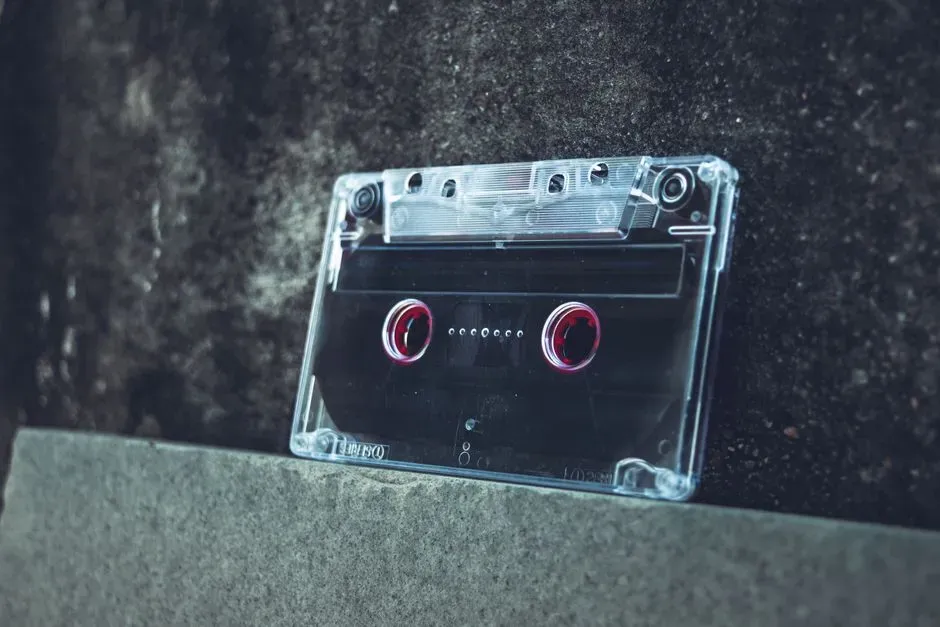
4. Mixtapes as the primary love language (Image Credits: Pexels)
Long before curated Spotify playlists, showing someone you cared meant sitting by a tape deck and recording songs off the radio, hoping the DJ wouldn’t talk over the intro. A mixtape took hours of effort and attention, since dubbing songs from vinyl or the radio required real time and patience. The song choices carried enormous meaning, and couples would analyze the track order for hidden messages.
This tangible effort made mixtapes feel more personal than any digital playlist could today. A cassette handed over in the school parking lot represented hours of thought condensed into ninety minutes of music. Many of these tapes still exist in drawers and shoeboxes decades later, treasured as physical artifacts of a first relationship.
5. Meeting the parents was a mandatory early step

5. Meeting the parents was a mandatory early step (Image Credits: Pexels)
Modern dating often delays meeting family for months, but in the 80s, parental approval came early and mattered enormously. A boy picking up a date for a school dance was expected to come to the door, shake the father’s hand, and often endure a few pointed questions before leaving. Curfews were set by parents and taken seriously, with real consequences for breaking them.
This early parental involvement reflected a broader cultural expectation that dating was a family matter, not just a private one between two teenagers. Parents frequently knew their children’s dating partners well before any relationship became serious. That level of oversight has largely faded as dating moved into more private digital spaces.
6. Slow dances at school events carried real significance
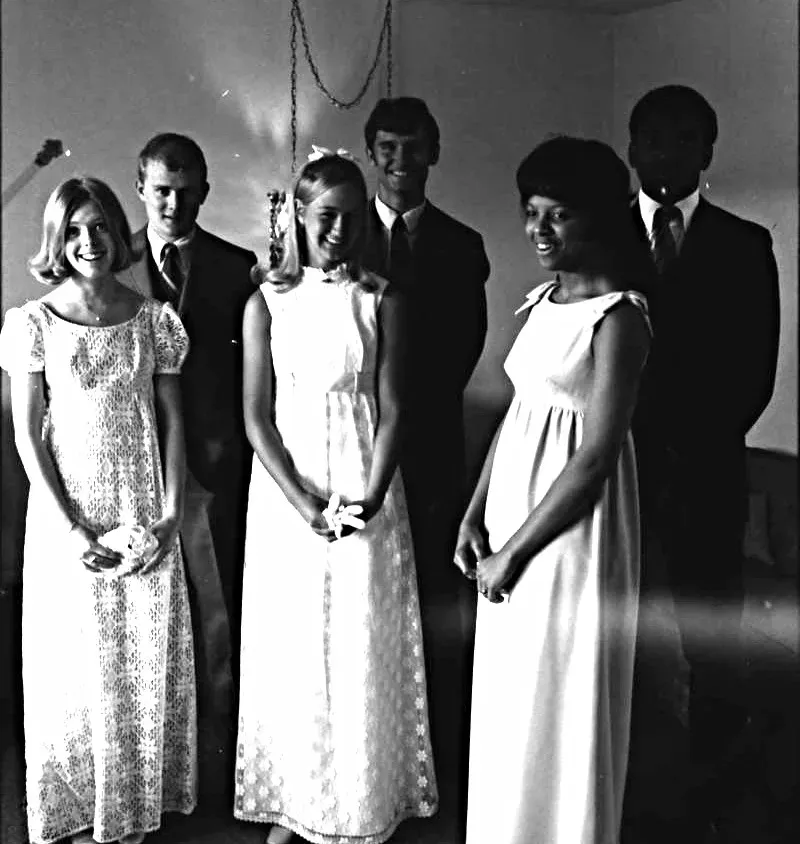
6. Slow dances at school events carried real significance (In Memoriam: Wystan, Flickr, <a href="https://creativecommons.org/licenses/by-sa/2.0/" target="_blank" rel="noopener">CC BY-SA 2.0</a>)
School dances in the 80s built entire evenings around a handful of slow songs, and being asked to dance during one of them was a meaningful social moment. Standing on opposite sides of a gymnasium, waiting to see who would approach whom, created genuine tension among teenagers. A couple dancing together during a slow song was often read by classmates as a public confirmation of their relationship.
These dances also served as low pressure opportunities for shy teens to make a move without a formal conversation. The physical closeness of a slow dance, arms around shoulders and waists, was sometimes the first real physical contact in a budding relationship. Homecoming and prom photographs from the decade still capture that specific blend of nervousness and formality.
7. Handwritten notes passed between classes

7. Handwritten notes passed between classes (Image Credits: Unsplash)
Texting didn’t exist, so communication between classes relied entirely on folded paper notes passed hand to hand or slipped into a locker. These notes ranged from simple questions about weekend plans to elaborate declarations of feelings, often decorated with doodles or folded into intricate shapes. Getting caught passing a note by a teacher was a universal risk that added a small thrill to the exchange.
The permanence of handwriting also meant more thought went into what was said. Unlike a text that could be sent impulsively and deleted, a note required committing words to paper before handing it over. Many people kept boxes of these notes for years afterward, treating them as tangible records of early romance.
8. Double dates as a common first outing

8. Double dates as a common first outing (Image Credits: Pexels)
Rather than the one on one dinner dates common today, many 80s teenagers went on double dates as a way to ease the pressure of early romance. Bringing along a best friend and their date made the evening feel less intense and gave everyone a built in social buffer if conversation lagged. Movie theaters, roller rinks, and fast food restaurants were popular settings for these group outings.
This format also served a practical purpose, since many teens didn’t have their own cars and relied on an older friend or sibling with a license. Double dating spread that responsibility and made transportation logistics easier to manage. It also meant relationships developed with an audience of close friends from the very beginning.
9. Breakups happened without warning and without closure

9. Breakups happened without warning and without closure (Image Credits: Unsplash)
Without texting or social media, a breakup in the 80s could happen abruptly, sometimes through a friend passing along the news, or simply by one person not showing up anymore. There was no long text explaining feelings or slow fade through decreasing message frequency. The finality could feel jarring, but it also meant less prolonged uncertainty compared to modern ghosting.
Rumors about a breakup often spread through school hallways faster than either person involved could control. A returned class ring or letterman jacket frequently served as the unofficial public announcement that a couple had split. This lack of digital documentation also meant breakups left behind fewer traces, unlike today’s screenshots and social media posts.
10. Waiting by the phone was a genuine daily activity

10. Waiting by the phone was a genuine daily activity (Image Credits: Pexels)
Before caller ID, voicemail, or texting, waiting for a promised call meant sitting near the phone, sometimes for hours, hoping it would ring at the right moment. Missing a call meant missing it entirely, with no way to know who had tried to reach you or when. This created a specific kind of anticipation that simply doesn’t exist in a world of instant messaging.
Teenagers often negotiated with family members to keep the phone line free during expected call windows. The vulnerability of that waiting, not knowing if a promised call would actually come, was a defining emotional experience of 80s dating. It’s a small but telling example of how technology has fundamentally changed the emotional texture of romantic anticipation.