
Arguments are rarely about the dishes left in the sink or who forgot to pay a bill. They're usually about something underneath, a feeling of not being heard, respected, or valued. Yet the way two people fight often matters more than what they're fighting about, and some habits quietly chip away at connection long after the argument itself has ended.
Most couples don't realize they're doing damage in the moment. These patterns feel justified, even automatic, especially when emotions run high. Below are twelve common habits that research and relationship therapists consistently point to as relationship-erosion in disguise.
1. Bringing Up Old Arguments

1. Bringing Up Old Arguments (Image Credits: Pexels)
When a disagreement about tonight’s dinner suddenly turns into a rehash of something that happened eight months ago, it’s a sign the current conflict has become a stand-in for unresolved resentment. Therapists sometimes call this “kitchen-sinking,” throwing in every past grievance because the present one feels too small to justify the anger being felt.
The problem is that it makes the argument impossible to solve. Your partner can’t fix something from last year in the middle of tonight’s disagreement, so they end up feeling ambushed and cornered instead of understood. Over time, this pattern teaches a partner that no conflict is ever really “closed,” which makes them dread future conversations before they even start.
2. Going Silent Instead of Talking

2. Going Silent Instead of Talking (Image Credits: Unsplash)
Shutting down mid-argument, refusing to respond, or physically leaving the room without a word is what psychologist John Gottman refers to as stonewalling, one of the four communication patterns he found most predictive of relationship breakdown in his decades of couples research. It often comes from feeling overwhelmed rather than a desire to punish, but that’s rarely how it lands on the receiving end.
To the other person, silence can feel like abandonment in real time. They’re left guessing what you’re thinking while the emotional temperature keeps rising, and many partners describe this as more distressing than yelling would be. A short, clearly communicated pause is different from disappearing mid-sentence.
3. Using Words Like "Always" and "Never"

3. Using Words Like "Always" and "Never" (Image Credits: Pexels)
Absolute language turns a specific complaint into a character indictment. Saying “you always forget” or “you never listen” isn’t really about one moment, it’s a sweeping judgment that leaves no room for nuance or improvement.
These words tend to trigger defensiveness almost instantly because they feel unfair and impossible to disprove. Even one counterexample from the past derails the entire conversation into a debate about accuracy instead of the actual issue at hand. Swapping absolutes for specifics, like naming the particular incident, keeps the conversation grounded and solvable.
4. Attacking Character Instead of Behavior

4. Attacking Character Instead of Behavior (Image Credits: Pexels)
There’s a meaningful difference between saying “you left your clothes on the floor again” and saying “you’re so lazy and inconsiderate.” The first names a behavior that can be changed. The second labels a person, and people don’t respond well to being told who they are.
Gottman’s research identifies this pattern as criticism, distinct from a valid complaint, and flags it as one of the earliest warning signs of relational trouble when it becomes habitual. Repeated character attacks slowly convince a partner that they can never do anything right in your eyes, which makes them stop trying rather than start improving.
5. Interrupting Before They Finish

5. Interrupting Before They Finish (Image Credits: Unsplash)
Cutting someone off mid-sentence sends an unspoken message that what you have to say matters more than what they’re trying to express. It might come from impatience or the urge to correct a perceived inaccuracy quickly, but the effect is the same: your partner feels dismissed.
Constant interruption also means arguments rarely reach resolution because neither side ever finishes a full thought. Letting someone complete their sentence, even when you disagree with every word of it, signals basic respect and often slows the whole exchange down to a more manageable pace.
6. Getting Defensive Instead of Listening

6. Getting Defensive Instead of Listening (Image Credits: Pexels)
Defensiveness shows up as immediately justifying, explaining, or counter-blaming the moment a concern is raised, rather than pausing to actually take it in. It’s a natural instinct, nobody enjoys being told they did something wrong, but it blocks any real listening from happening.
When a partner brings up a concern and gets met with excuses instead of acknowledgment, they learn that raising issues isn’t worth the effort. This is another pattern Gottman’s research links to long-term relationship strain, since it prevents couples from ever actually repairing the underlying issue.
7. Raising Your Voice to Be Heard

7. Raising Your Voice to Be Heard (Image Credits: Pexels)
Volume can feel like power in the moment, a way to make sure your point lands. In practice, it usually does the opposite, triggering a partner’s stress response and shutting down their ability to think clearly or listen well.
Once voices rise, the conversation often stops being about the actual issue and becomes about managing fear or tension instead. Many couples find that even a brief pause to lower the volume, sometimes literally whispering, can shift the entire tone of a disagreement.
8. Bringing Other People Into the Fight

8. Bringing Other People Into the Fight (Image Credits: Gallery Image)
Phrases like “even your sister thinks you’re wrong about this” or “everyone agrees with me” turn a private disagreement into something that feels like a public trial. It adds pressure and humiliation to a moment that should stay between two people.
This tactic can also feel like a betrayal if outside conversations about the relationship weren’t previously agreed upon or disclosed. It shifts the argument away from resolution and toward defending against an imagined audience, which rarely helps either partner feel closer afterward.
9. Rolling Your Eyes or Using Sarcasm
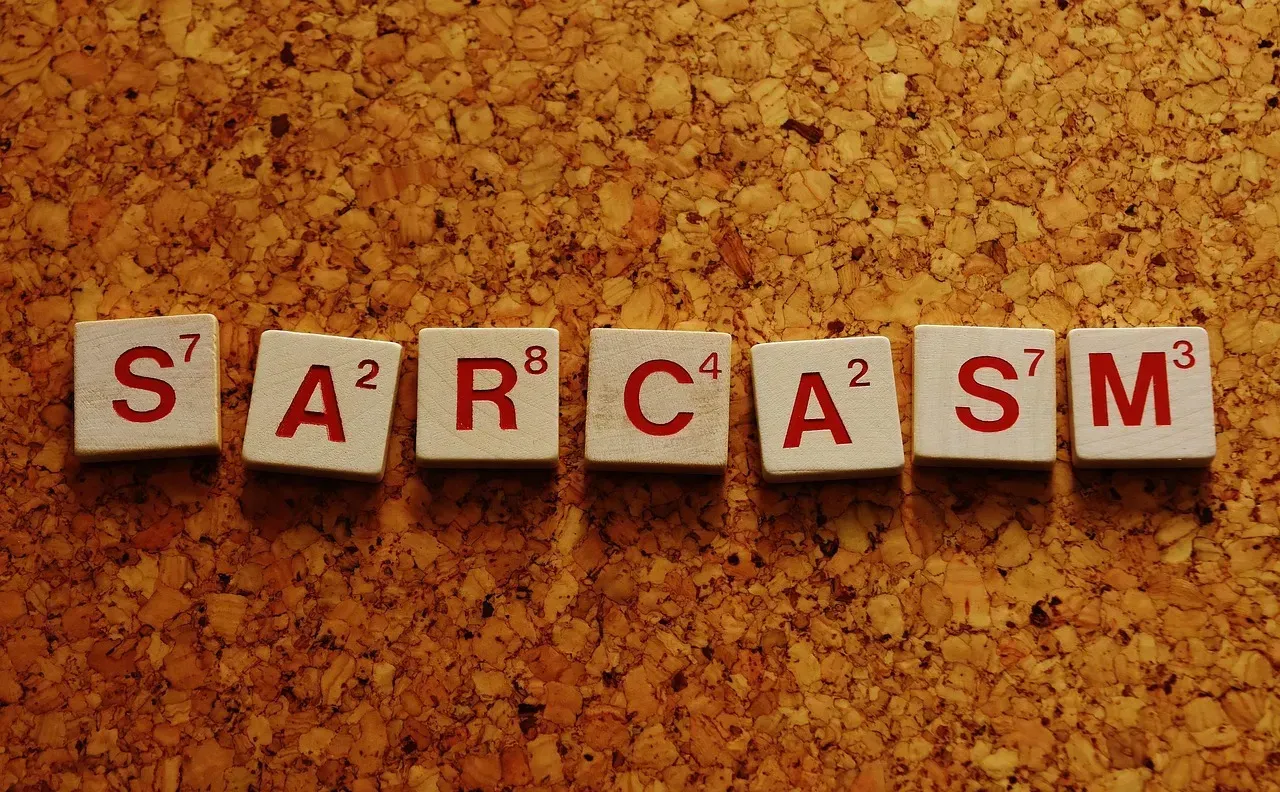
9. Rolling Your Eyes or Using Sarcasm (Image Credits: Gallery Image)
Contempt, expressed through eye-rolling, mockery, sarcasm, or a dismissive tone, is the single behavior Gottman’s research found most strongly predicts relationship failure among the patterns he studied. It communicates something more damaging than anger: disrespect and superiority.
Unlike frustration, which is usually about a specific situation, contempt attacks a person’s sense of dignity. Partners who feel consistently mocked or belittled during conflict tend to withdraw emotionally over time, even if they stay in the relationship physically.
10. Trying to Win Instead of Resolve

10. Trying to Win Instead of Resolve (Image Credits: Unsplash)
Some arguments stop being about the actual disagreement and turn into a competition over who’s right. Every counterpoint becomes ammunition, and the goal quietly shifts from understanding to victory.
The trouble is that even “winning” an argument this way often means losing something bigger, your partner’s trust that disagreements can be handled as a team. Relationships that treat conflict as collaborative problem-solving, rather than a battle with a winner and loser, tend to recover from disagreements faster and with less residual resentment.
11. Walking Away Without Explanation

11. Walking Away Without Explanation (Image Credits: Pexels)
There’s an important difference between taking a real break to cool down and simply storming off mid-conversation with no context. The first, when communicated clearly, is a healthy self-regulation tool. The second leaves a partner confused, anxious, and unsure whether the conversation will ever be finished.
Simply saying something like “I need twenty minutes to calm down, then let’s keep talking” changes the entire dynamic. It shows the disagreement still matters, just not while emotions are too high to communicate well, which is a very different message than silently disappearing.
12. Keeping Score of Past Wins and Losses

12. Keeping Score of Past Wins and Losses (Image Credits: Pexels)
Some couples fall into a pattern of mentally tallying who has apologized more, who has been “more wrong,” or who owes the other one. This turns the relationship into a ledger instead of a partnership, and it usually surfaces mid-argument as a way to deflect responsibility.
Scorekeeping also makes every future disagreement heavier, since it’s never just about the current issue but about the accumulated tally underneath it. Letting go of the running count, and addressing each disagreement on its own terms, tends to keep conflicts smaller and easier to resolve.
Most of these patterns share a common root: they prioritize being right or being protected over staying connected. Recognizing them isn’t about assigning blame, since nearly everyone falls into a few of these habits under stress. It’s simply easier to change what’s been named, and most couples find that small shifts in how they argue matter more than winning any single disagreement ever could.