
Ask anyone raised in the 1950s about parenting today, and you'll likely get a raised eyebrow and a story about how things used to work. Back then, child rearing followed a different rhythm, shaped by postwar optimism, strict schedules, and a general belief that kids needed structure more than stimulation. Some of those old rules sound harsh by today's standards, yet plenty of boomers still stand behind them, insisting they built resilience rather than resentment.
What's interesting is how many of these ideas have quietly resurfaced in modern parenting debates, dressed up in new language but rooted in the same instincts. Looking back at these eight rules offers a window into a very different era of family life, one that still shapes how many grandparents view their grandkids' upbringing.
1. Children speak when spoken to
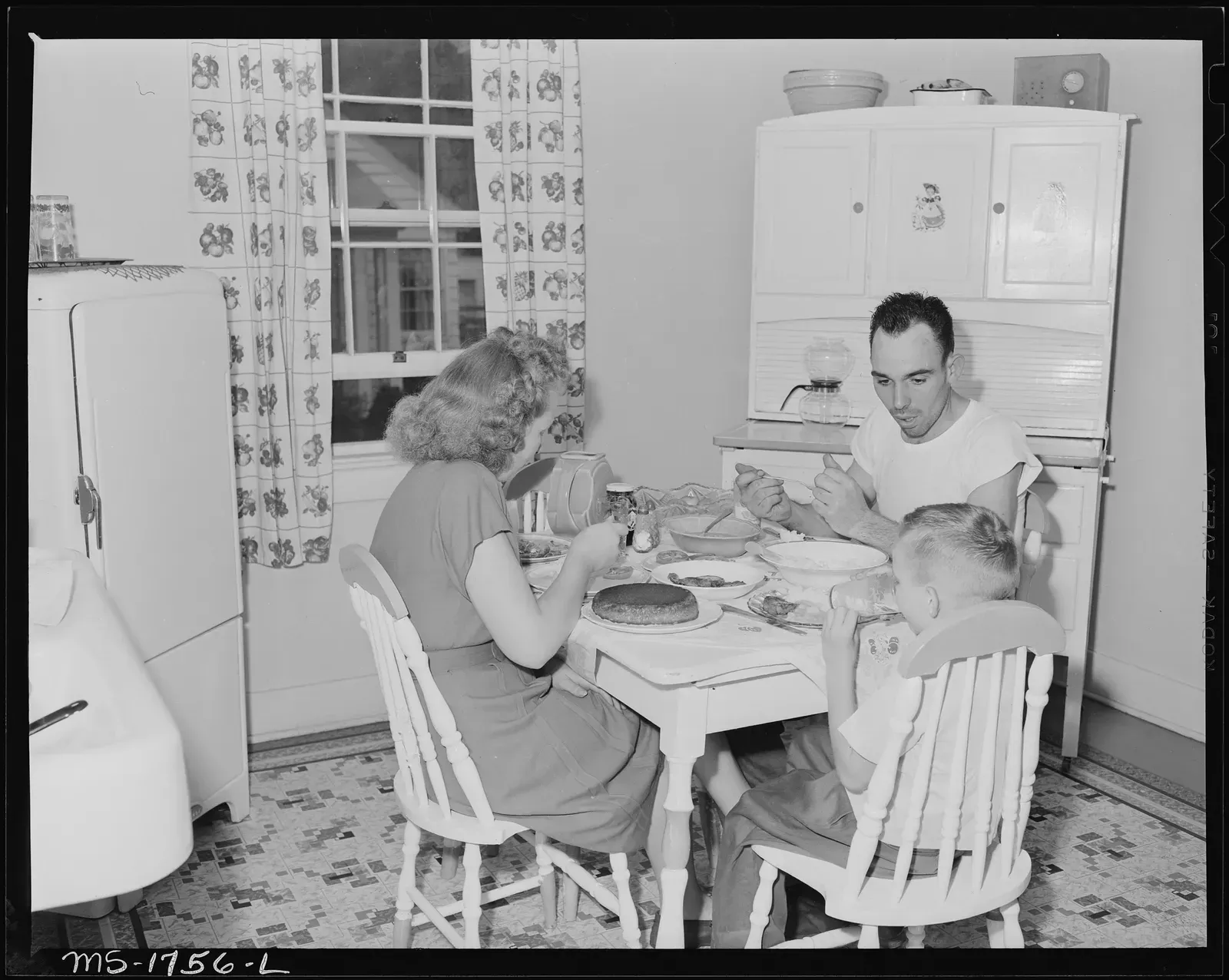
1. Children speak when spoken to (U.S. National Archives and Records Administration, <a href="https://commons.wikimedia.org/w/index.php?curid=17047296" target="_blank" rel="noopener">Public domain</a>)
In most 1950s households, kids were expected to stay quiet unless directly addressed by an adult, especially at the dinner table or during grown-up conversations. This wasn’t considered harsh at the time; it was simply how respect was taught. Interrupting an adult or offering unsolicited opinions was seen as a sign of poor upbringing rather than confidence.
Many boomers still bring up this rule when discussing how differently kids communicate today. They often argue that learning to listen first gave them patience and social awareness that came in handy later in life. Whether or not that’s entirely true, the sentiment still shows up in how some grandparents interact with chatty grandchildren.
2. Bedtime is non-negotiable
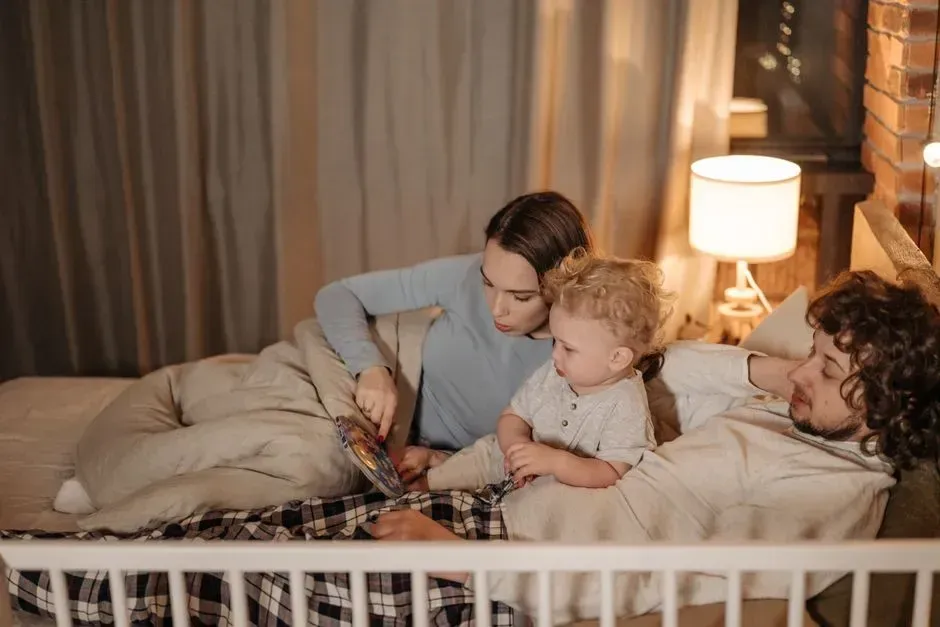
2. Bedtime is non-negotiable (Image Credits: Pexels)
A strict bedtime, often as early as seven or eight o’clock, was standard practice regardless of how the child felt about it. There was no negotiating, no bedtime story marathon, and definitely no screens to blame for delays since television was still a novelty in most homes. Parents believed consistency mattered more than flexibility when it came to sleep.
Sleep researchers today actually back up part of this old instinct, since consistent sleep schedules are linked to better mood regulation and cognitive development in children. Boomers often point to this as proof they were onto something, even if the delivery was stricter than most parents would attempt now. The core idea, that routine matters, has aged better than the rigid execution.
3. Chores start young
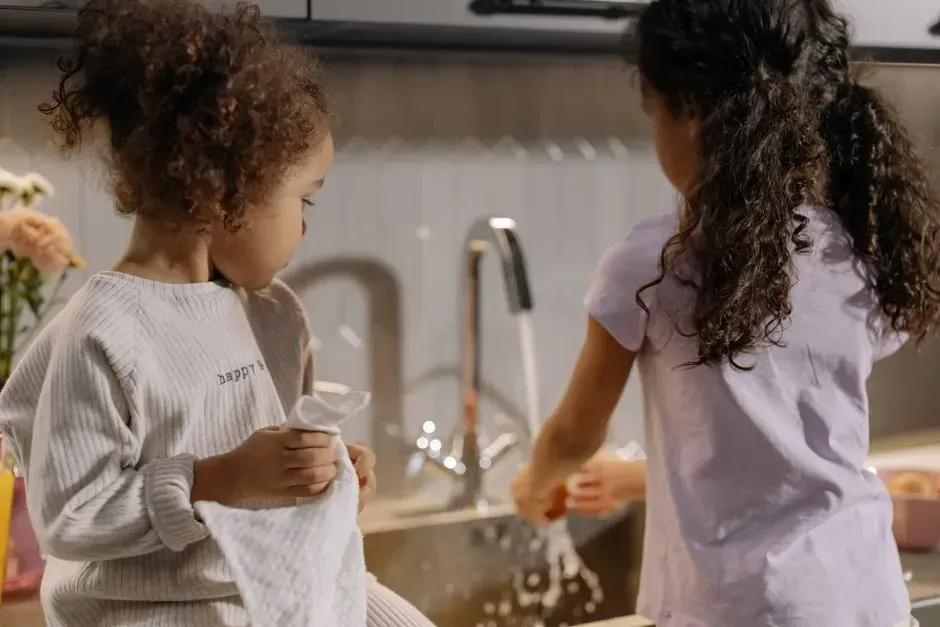
3. Chores start young (Image Credits: Pexels)
By the time a 1950s kid turned six or seven, they were expected to handle basic chores like drying dishes, making their bed, or helping tidy the yard. This wasn’t treated as optional or reward-based; it was simply part of being a functioning member of the household. Allowance, when given at all, wasn’t always tied directly to chores the way it often is today.
Boomers frequently credit early chore responsibilities with teaching them independence long before adulthood arrived. Modern parenting research does support the idea that early responsibility can build competence and self-esteem, though the approach today tends to be more collaborative than mandatory. Still, the underlying belief that kids benefit from contributing to the household hasn’t really gone away.
4. Outdoor play is expected, not scheduled

4. Outdoor play is expected, not scheduled (Image Credits: Pexels)
Unstructured outdoor play was the default activity for 1950s children, often lasting for hours with minimal supervision. Kids were sent outside after chores or school and expected to entertain themselves until dinner. There were no organized playdates or elaborate schedules involved; neighborhoods essentially raised themselves through shared outdoor time.
Boomers often describe this freedom as one of the most formative parts of their childhood, crediting it with building creativity and problem-solving skills. Today’s parents, understandably more cautious due to different safety concerns and busier streets, tend to supervise more closely. Even so, many child development experts agree that unstructured play does offer real cognitive and emotional benefits, which is partly why the boomer nostalgia for it isn’t entirely sentimental.
5. Discipline is swift and physical

5. Discipline is swift and physical (Image Credits: Pexels)
Spanking or other forms of physical discipline were widely accepted in the 1950s, often used as a quick, no-nonsense response to misbehavior. It wasn’t seen as controversial at the time; most parenting guides of the era, including advice columns and even some pediatric literature, treated it as a normal disciplinary tool. The idea was that a firm, immediate consequence prevented repeated bad behavior.
This is one of the areas where boomer opinions have shifted the most over time, even among those raised with it. Many now acknowledge, often after becoming parents or grandparents themselves, that alternative discipline methods can be just as effective without the physical component. Still, some boomers remain firm that a stricter hand kept kids in line in ways that modern approaches sometimes struggle to replicate.
6. Manners are drilled early

6. Manners are drilled early (Image Credits: Pexels)
Saying please and thank you wasn’t just encouraged in the 1950s, it was practically mandatory, often reinforced through repetition until it became automatic. Table manners, greeting adults properly, and writing thank-you notes after receiving gifts were all part of a child’s early education in social behavior. Failing to follow these expectations could result in a quick correction, sometimes in front of others.
Many boomers still consider manners one of the most valuable lessons from their upbringing, often noting how second nature it became by adulthood. They frequently express frustration when they see manners treated as optional in modern parenting, viewing basic politeness as a foundation rather than an extra. This is one of the few areas where the old-school approach still gets fairly broad respect, even from younger generations.
7. Fathers work, mothers manage the home
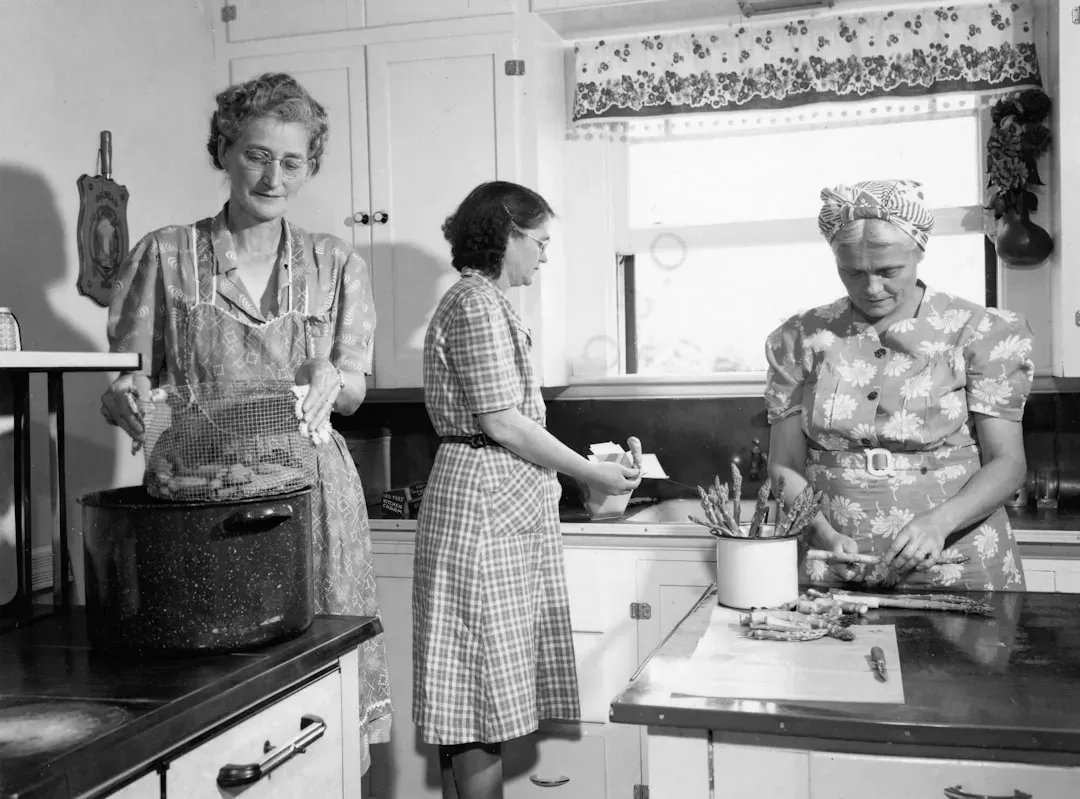
7. Fathers work, mothers manage the home (Image Credits: Unsplash)
The traditional division of labor in 1950s households was clear cut, with fathers typically working outside the home and mothers managing domestic life and child rearing almost entirely on their own. This wasn’t just a cultural norm; it was reinforced through advertising, media, and even school curriculums aimed at preparing girls for homemaking. Parenting decisions largely fell to mothers, while fathers were often more removed from day-to-day caregiving.
Boomers raised in this system have mixed feelings about it today, especially as gender roles have shifted dramatically since then. Some appreciate the clear structure it provided, while others, particularly women who felt boxed into limited roles, are more critical in hindsight. The nostalgia here tends to be more complicated than with other rules on this list, shaped heavily by whether someone remembers being the one managing the household or the one working outside it.
8. Children are seen, not centered
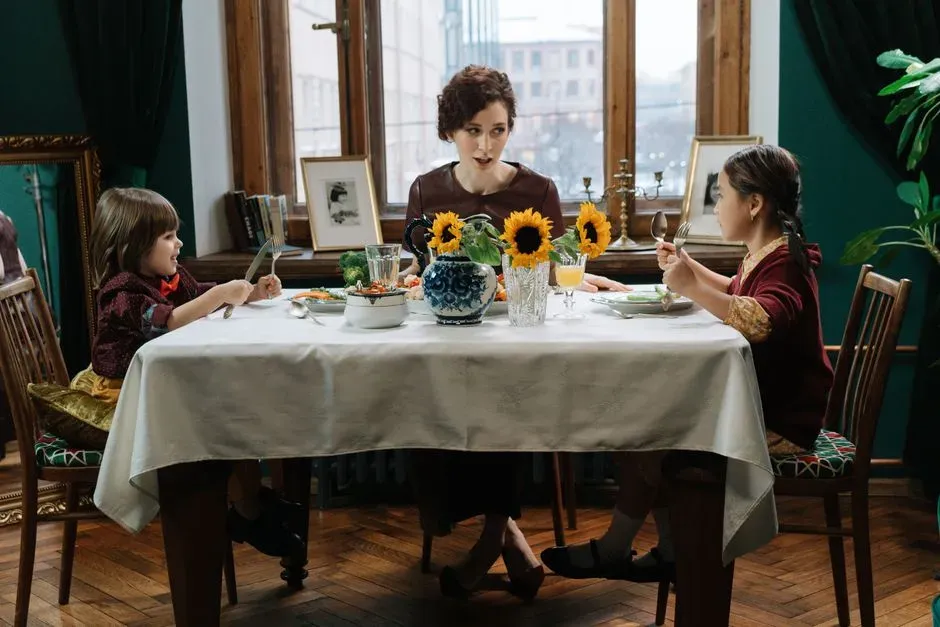
8. Children are seen, not centered (Image Credits: Pexels)
Family life in the 1950s generally revolved around adult routines and decisions, with children expected to adapt rather than the other way around. Family dinners, vacations, and even household activities were planned with adult preferences in mind, and kids were simply included rather than catered to. This is a stark contrast to today’s more child-centered parenting approach, where kids’ preferences often shape household decisions.
Boomers often argue that this approach taught adaptability and reduced entitlement, since children learned early that the world didn’t revolve around them. Critics of modern parenting sometimes point to this shift as a reason for increased anxiety or difficulty handling disappointment among younger generations, though child psychologists caution that the relationship between parenting style and anxiety is far more nuanced than a single generational comparison suggests. Even so, this rule remains one of the most frequently cited when boomers compare their upbringing to how their grandchildren are being raised.