
Generational lines are blurry, but certain habits still give people away in a heartbeat. Millennials, now roughly in their thirties and forties, grew up straddling analog and digital worlds, and that in-between upbringing left behind quirks that Gen Z finds either charming or baffling. Some of it shows up in how millennials text, others in how they consume media or talk about work.
None of these habits are bad. They’re just markers of a specific slice of history, the one that watched the internet grow up alongside them instead of being born into a fully formed version of it.
1. You still send full, punctuated text messages
1. You still send full, punctuated text messages (Image Credits: Pexels)
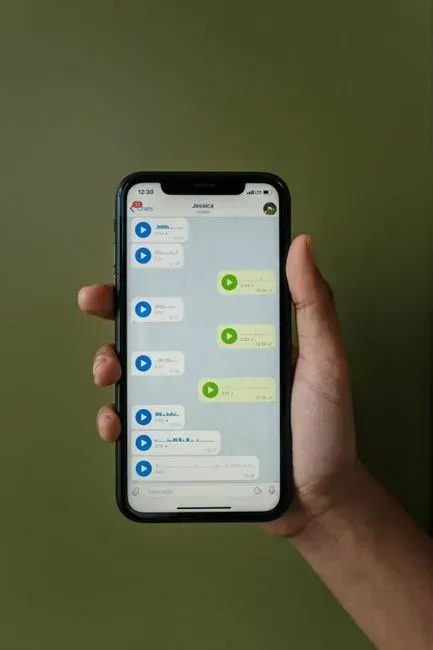
Millennials tend to treat texting like a miniature letter. Capital letters at the start, periods at the end, sometimes even a greeting before getting to the point. This habit traces back to growing up with early instant messaging platforms like AIM and MSN Messenger, where typing something out properly felt like basic etiquette.
Gen Z, raised on rapid-fire messaging apps and group chats, often reads a fully punctuated text as cold or even passive aggressive. Dropping a period at the end of a sentence can read like a tonal shift to younger users, something researchers studying digital communication have noted as a real generational divide in how punctuation gets interpreted. Millennials, for the most part, had no idea this was even a thing until it got pointed out to them online.
2. You default to Facebook before checking other apps
2. You default to Facebook before checking other apps (Image Credits: Pixabay)
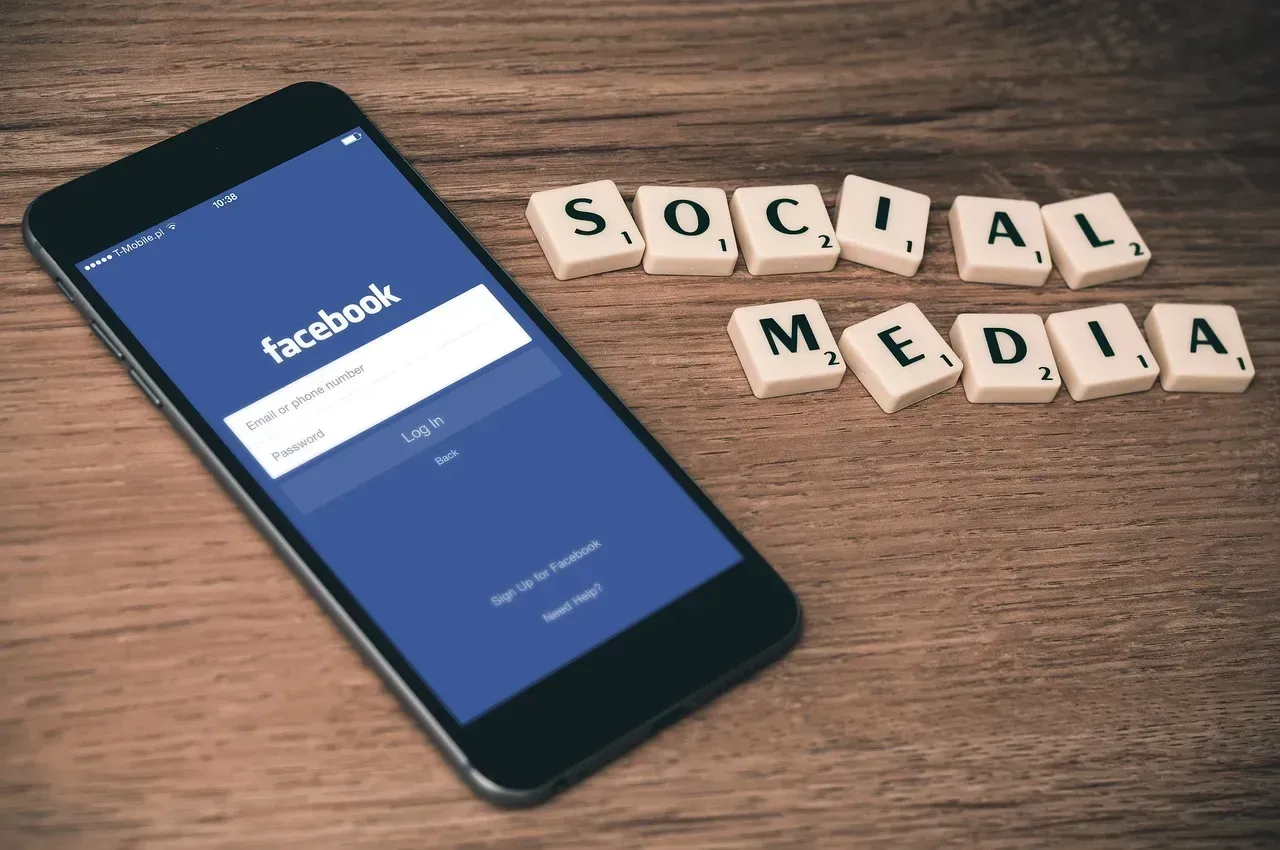
For millennials, Facebook was the first real social network, the place where you found old classmates, joined groups, and eventually just used it to check community marketplace listings or local events. Even now, plenty of millennials still open Facebook out of habit, even if their actual scrolling happens elsewhere.
Gen Z largely skipped Facebook entirely, treating it as something their parents or older relatives use. Pew Research has repeatedly found that Facebook usage skews significantly older compared to platforms like TikTok and Instagram, which dominate among teens and young adults. That gap alone is often enough to sort someone into a generational bucket without asking a single question.
3. You call every video a "vlog" or still say "vlogging"

3. You call every video a "vlog" or still say "vlogging" (Image Credits: Unsplash)
Millennials came of age during the early YouTube boom, when the term vlog was still fresh and exciting, tied to creators documenting their daily lives with handheld cameras. The word stuck, and millennials still use it casually to describe almost any personal video content, even short-form clips that don’t really fit the original definition.
Gen Z, having grown up with TikTok as the default video format, rarely uses the term at all. Short vertical clips are just content, not vlogs, and the format itself has evolved past the diary style filming that defined the 2010s YouTube era. Saying “vlog” unironically is a small but telling giveaway.
4. You still check email regularly, even for casual things
4. You still check email regularly, even for casual things (Image Credits: Unsplash)
Millennials grew up during the transition from dial up to broadband, and email was often the first digital communication tool they mastered. Because of that, checking email regularly, even for non-work matters like newsletters or receipts, still feels normal and expected.
Gen Z largely treats email as a formal, almost bureaucratic tool reserved for school, job applications, or official business. Everyday communication for them happens through texting, DMs, or apps like Discord, and studies on workplace communication habits have shown younger employees checking email far less frequently than millennial or older colleagues. The habit of casually refreshing an inbox is a fairly reliable millennial tell.
5. You default to "adulting" language to describe basic tasks
5. You default to "adulting" language to describe basic tasks (Image Credits: Unsplash)
Phrases like “adulting” or joking about how tired doing taxes makes you became something of a millennial signature phrase throughout the 2010s. It captured a specific mix of humor and genuine anxiety about entering adulthood during a rocky economic period, particularly right after the 2008 financial crisis shaped early career prospects for many millennials.
Gen Z tends to skip the self-deprecating framing altogether, often approaching similar tasks with more direct, less ironic language. The “adulting” trend has become something of a dated meme at this point, and using it unironically now reads as distinctly millennial rather than current slang.
6. You measure trustworthiness by how many stars a business has

6. You measure trustworthiness by how many stars a business has (Image Credits: Pixabay)
Millennials came of age right as online reviews became mainstream, through platforms like Yelp and later Google Reviews, and that habit of checking star ratings before trying a new restaurant or service stuck hard. It’s less about skepticism and more about a learned reflex from years of online shopping culture taking shape in real time.
Gen Z shoppers, according to several consumer behavior surveys from the past two years, lean more heavily on short video reviews and creator recommendations on platforms like TikTok rather than traditional star systems. The trust signal has shifted from aggregated numeric scores to individual creators with a track record. Millennials sticking to star ratings alone is a small but noticeable generational fingerprint.
7. You use "lol" as filler, not as an actual laugh
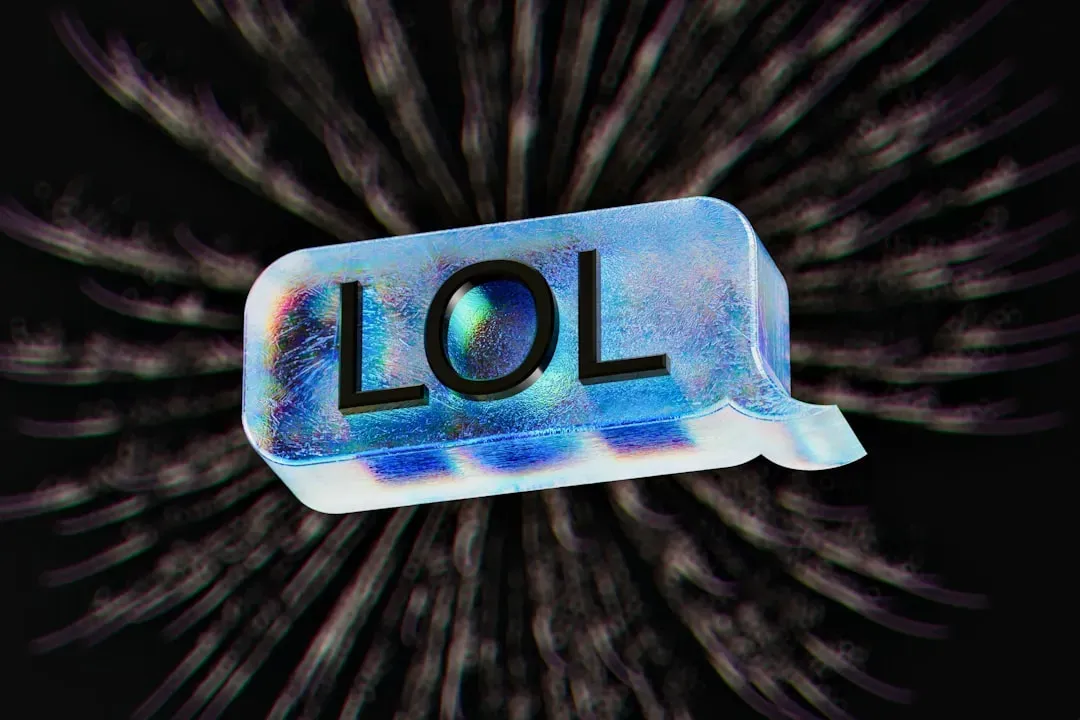
7. You use "lol" as filler, not as an actual laugh (Image Credits: Unsplash)
Millennials picked up “lol” during the instant messaging era and never really let it go, using it as a soft cushion at the end of sentences to soften tone rather than to signal genuine laughter. It became a linguistic habit more than an actual reaction, something used almost automatically in casual writing.
Gen Z has largely moved past “lol” as a genuine laugh marker, favoring reactions like “💀” or “this is so funny” written out, or simply reacting with an emoji instead of typed abbreviations. Linguists who study internet slang evolution have pointed out that abbreviations like “lol” have become almost a generational timestamp themselves. Typing it out of habit rather than amusement is a subtle but real tell.
8. You still think in terms of "work-life balance" as the ultimate goal

8. You still think in terms of "work-life balance" as the ultimate goal (Image Credits: Pexels)
Millennials entered the workforce chasing the idea of work-life balance, a phrase that became something of a career north star throughout their twenties and thirties. It reflected a generation trying to correct against long hours and burnout culture that defined earlier decades, without necessarily changing the underlying structure of work itself.
Gen Z, several workplace studies from 2024 and 2025 suggest, tends to frame things differently, prioritizing flexibility and boundaries from the outset rather than treating balance as something to negotiate for after burning out first. The language has shifted toward terms like boundaries or mental load rather than the older balance framing. Millennials repeating the phrase almost reflexively signals an older career mindset shaped by a different economic moment.
9. You get nostalgic about dial-up internet sounds or early smartphones
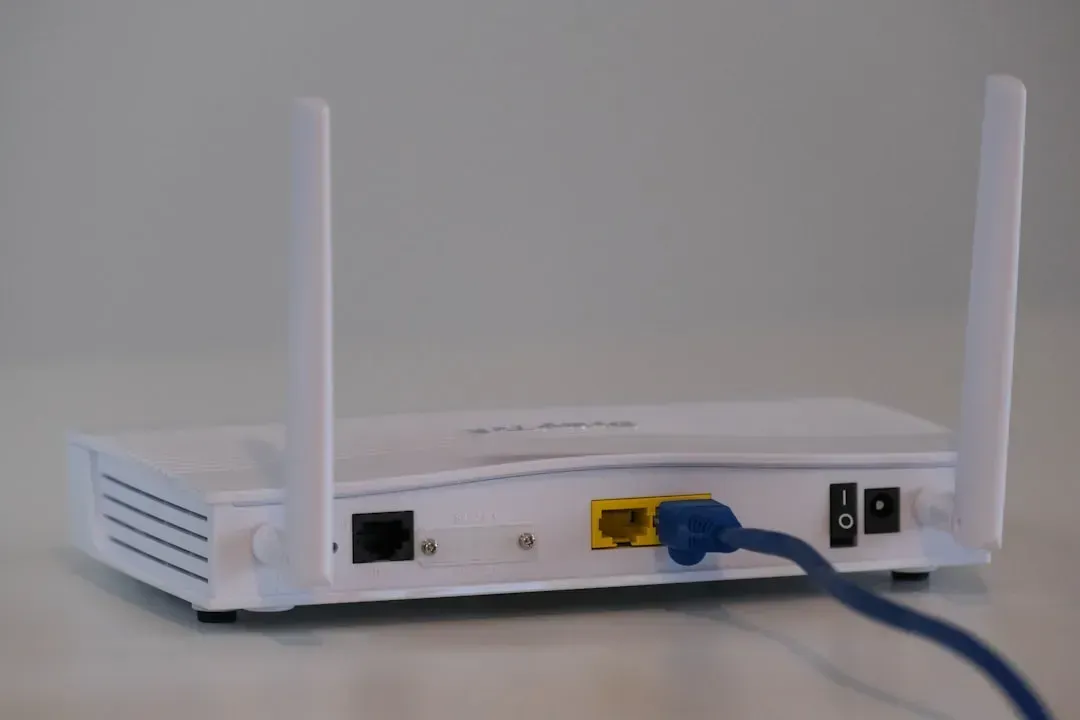
9. You get nostalgic about dial-up internet sounds or early smartphones (Image Credits: Unsplash)
Millennials have a very specific kind of nostalgia tied to technology, one that includes the sound of a dial-up modem connecting, the excitement of a new ringtone, or the novelty of texting on a flip phone before smartphones took over. These memories are tied to a genuine before-and-after moment in personal tech history that shaped how millennials view digital life.
Gen Z, having grown up entirely within the smartphone era, has no direct memory of that transition and often finds the nostalgia mildly amusing rather than relatable. To them, a world without constant connectivity is closer to historical trivia than lived experience. That generational memory gap, more than almost anything else on this list, tends to be the clearest dividing line of all.
Generational habits like these aren’t really about being outdated. They’re small artifacts of growing up during a specific stretch of technological and cultural change, one that shaped communication styles, humor, and even how trust gets built online. Millennials carry those artifacts around without much thought, and that’s usually exactly what gives them away.