
Most parents know the basics of putting a baby down for the night. Back to sleep, empty crib, no smoking near the baby. But a handful of habits that seem harmless, or even helpful, keep showing up in pediatric research as risk factors that families quietly overlook.
These aren't fringe warnings from obscure studies. They come from the American Academy of Pediatrics and researchers who track infant sleep deaths every year, and they point to specific, fixable choices parents make without realizing the stakes.
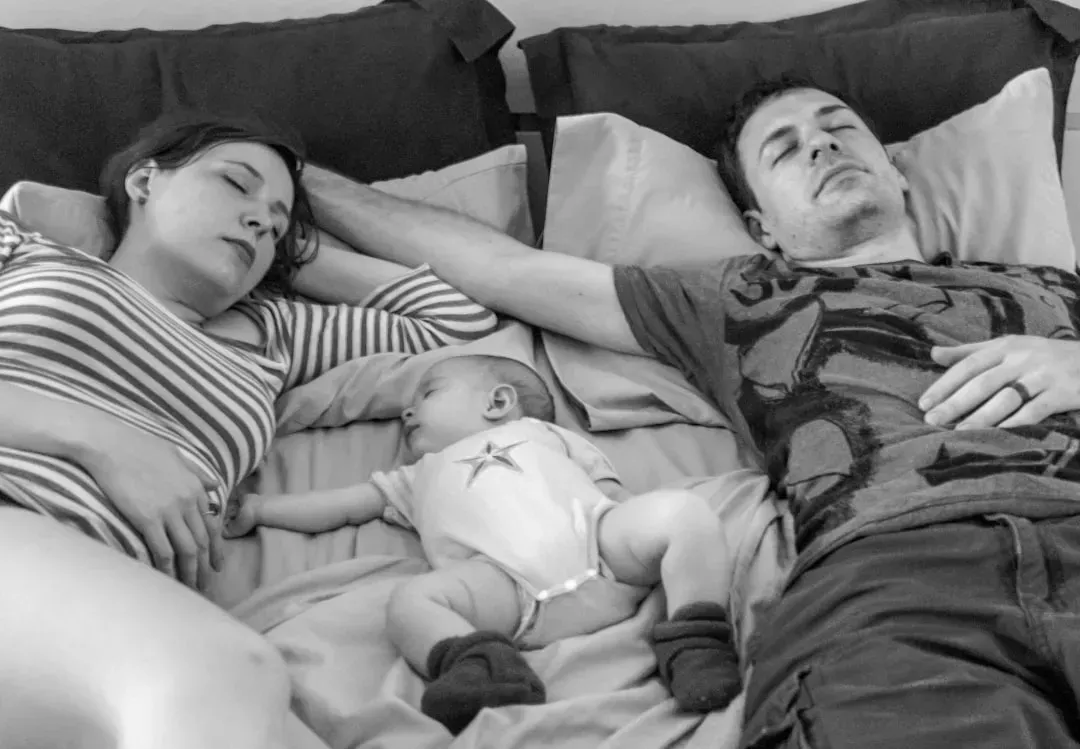
Sharing a bed with your baby
Sharing a bed with your baby (Image Credits: Unsplash)
Bed-sharing remains one of the most common nighttime habits among new parents, often born out of exhaustion or a desire to comfort a fussy baby. Yet the AAP does not recommend bed sharing under any circumstances. The risk isn’t evenly distributed either. The risk of sleep-related infant death while bed sharing is 5 to 10 times higher when your baby is younger than 4 months old.
Certain conditions make the practice even riskier, including a baby born prematurely, a caregiver who has used alcohol or medication that causes drowsiness, or a soft sleeping surface like a couch. Sleeping with a baby on a couch or armchair increases the risk 67 times. Pediatricians generally suggest room-sharing instead, since room-sharing decreases the risk of SIDS by as much as 50% and is safer than bed-sharing or when the infant is in a separate room.
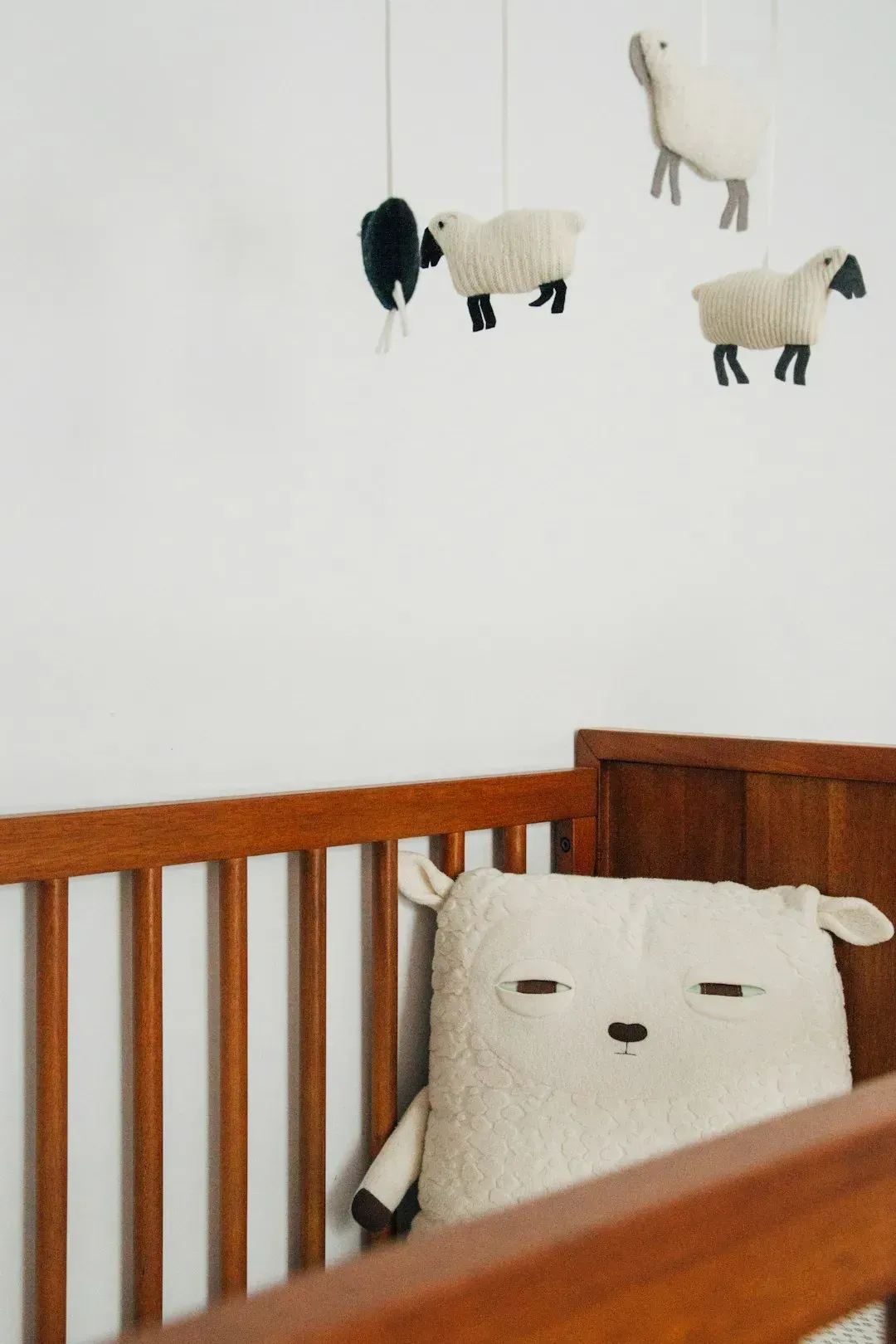
Leaving soft items in the crib "just for comfort"
Leaving soft items in the crib "just for comfort" (Image Credits: Unsplash)
A lot of nurseries look cozy by design, with a pillow, a folded blanket, or a stuffed animal tucked into the crib. Pediatricians keep flagging this as a real hazard, not a stylistic nitpick. The only item that belongs in the sleep space with an infant is a fitted sheet, since the AAP identifies pillows and pillow-like toys, quilts, comforters, mattress toppers, non-fitted sheets, blankets, toys, bumper pads, and weighted blankets or swaddles as objects that increase the risk of entrapment, suffocation, or strangulation.
The rule pediatricians use to simplify this for tired parents is memorable: bare is best. Follow the ABCs: Simplify safety by remembering the core rules: Babies should sleep Alone, on their Back, and in a Crib. If warmth is the worry, a wearable blanket solves it without the risk, since the guideline is specific, dress the infant in one more layer than an adult would wear in the same environment, and wearable blankets are acceptable while loose bedding is not.
Reaching for weighted swaddles and sleep sacks
Reaching for weighted swaddles and sleep sacks (Image Credits: Unsplash)
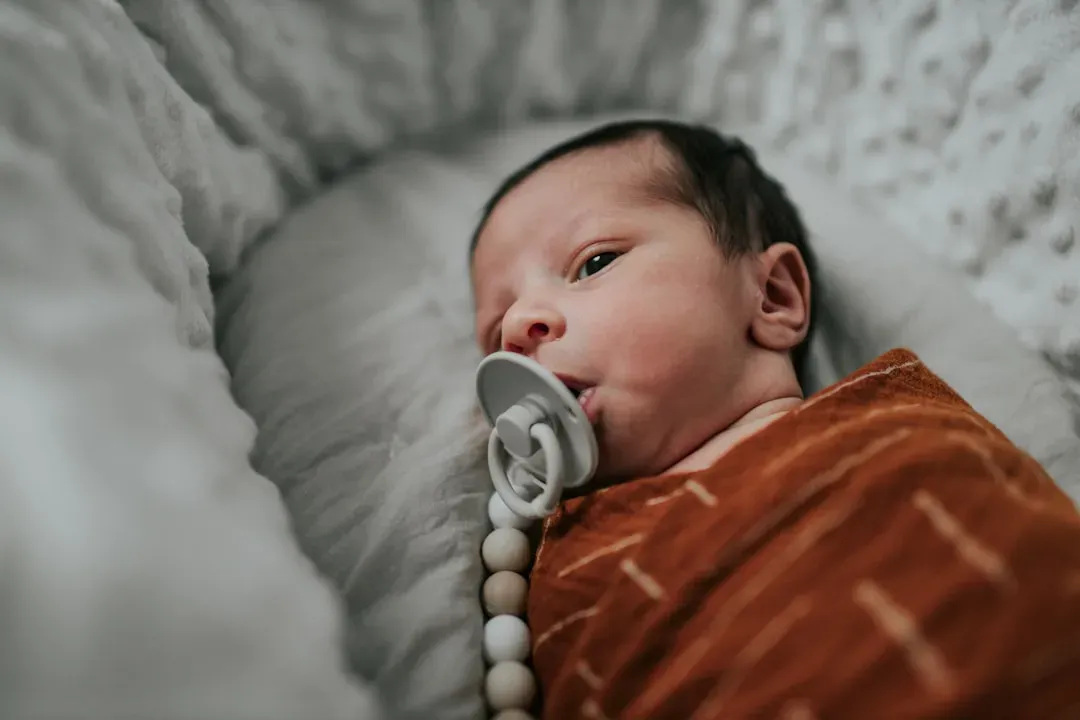
Weighted infant products, marketed as a way to mimic the feeling of being held, have become a popular sleep aid in recent years. Pediatric guidance has moved firmly against them. As of 2024, the AAP strongly advises against using weighted swaddles or weighted sleep sacks, since the added weight can restrict chest expansion and breathing for infants.
The appeal makes sense on paper. A slightly heavier swaddle can feel calming, similar to a gentle hug. Still, an infant’s chest muscles are not developed enough to push against that resistance for hours at a time, which is exactly why avoiding weighted swaddles or sleep sacks matters, as the added weight can restrict chest expansion and breathing in infants.
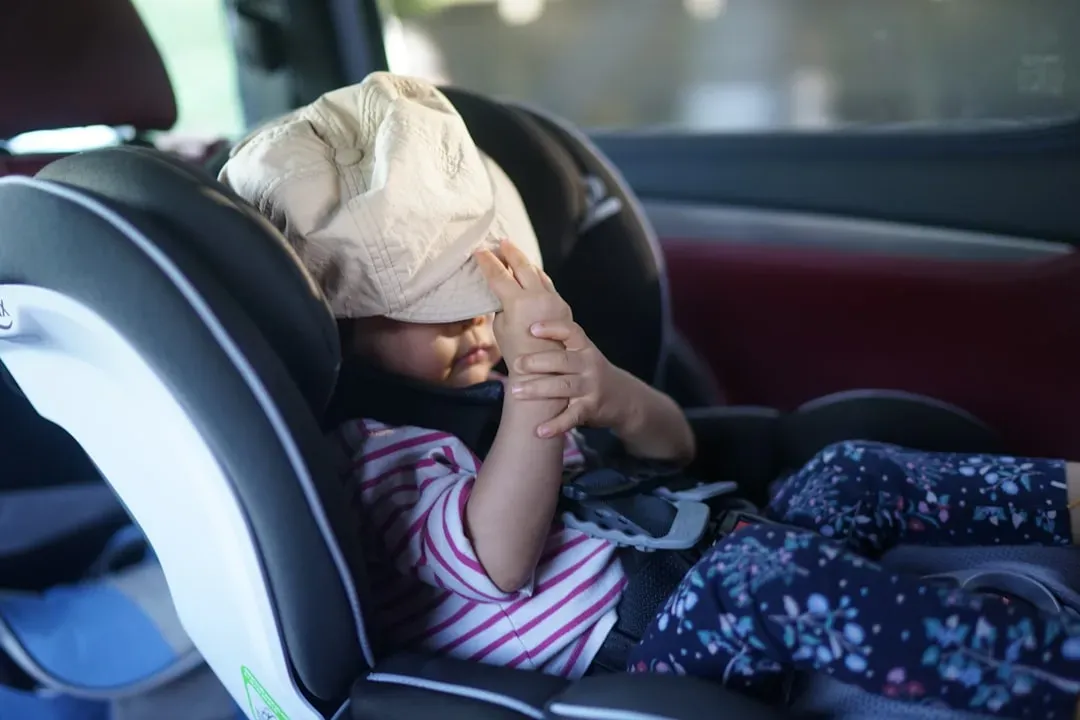
Letting babies sleep in car seats, swings, or inclined loungers
Letting babies sleep in car seats, swings, or inclined loungers (Image Credits: Unsplash)
It happens to nearly every parent. The baby drifts off during a car ride or in a bouncy seat, and it feels easier to just leave them there rather than risk waking them by transferring to the crib. Pediatricians describe this as one of the more deceptive risks in infant sleep, precisely because the baby looks peaceful. While motion is soothing, sleeping at an incline can cause your baby’s heavy head to flop forward, cutting off their airway, known as positional asphyxia.
The fix is straightforward, even if it disrupts a nap. If your baby falls asleep in a car seat, stroller, or swing, move them to a firm, flat surface as soon as possible. The same caution applies later in infancy too, since even older babies benefit from consistent, flat sleep surfaces rather than the semi-upright angle of a seat or swing.
The bigger picture on infant sleep safety
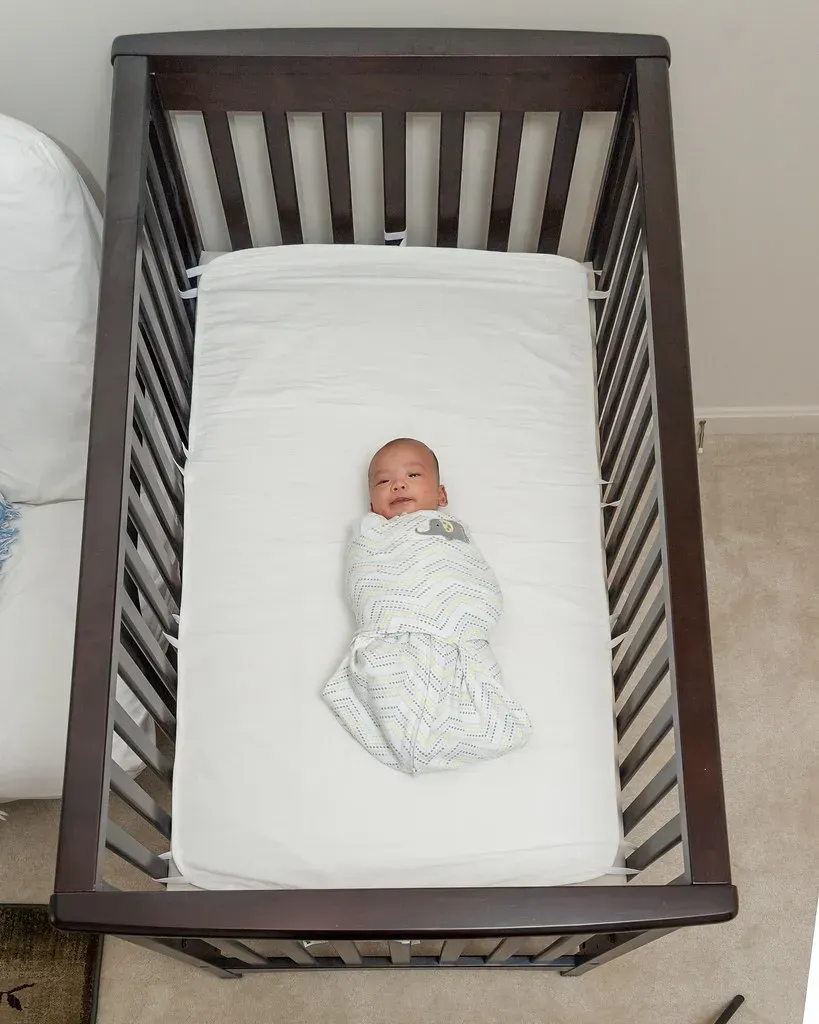
The bigger picture on infant sleep safety (Image Credits: Flickr)
Sleep-related infant death is not a rare or historical concern. In 2022, approximately 3,700 infants in the United States died from sudden unexpected infant death, a number that keeps safe sleep guidance squarely relevant rather than theoretical. Most of these habits persist not because parents are careless, but because comfort, convenience, and marketing often send mixed signals.
Pediatricians tend to frame the solution the same way across nearly all these habits: simplify the sleep space, keep the baby on a flat surface, and skip products promising extra comfort or soothing power. Marketing often moves faster than medicine, leading to products on store shelves that aren’t actually safe for sleep. A boring crib, it turns out, is usually the safest one.