
A year ago, I made a decision that looked reasonable on paper and slightly unhinged in practice: instead of picking one parenting philosophy and sticking with it, I would rotate through the major ones, roughly a month or two each, and pay close attention to what actually happened at home. Not what the books promised, not what influencers claimed worked for their families, but what showed up in my own kitchen, at bedtime, during homework, and in the middle of a grocery store meltdown.
By the end of the year I had notes on nine distinct approaches, a stack of research papers I'd read at midnight, and a much clearer sense of which ideas hold up under pressure and which ones sound better in a book than they feel in real life. What follows is a walk through each method, in roughly the order I tried them, along with the research that either backed up or complicated what I was seeing.
Month One: Attachment Parenting and the Cost of Constant Closeness
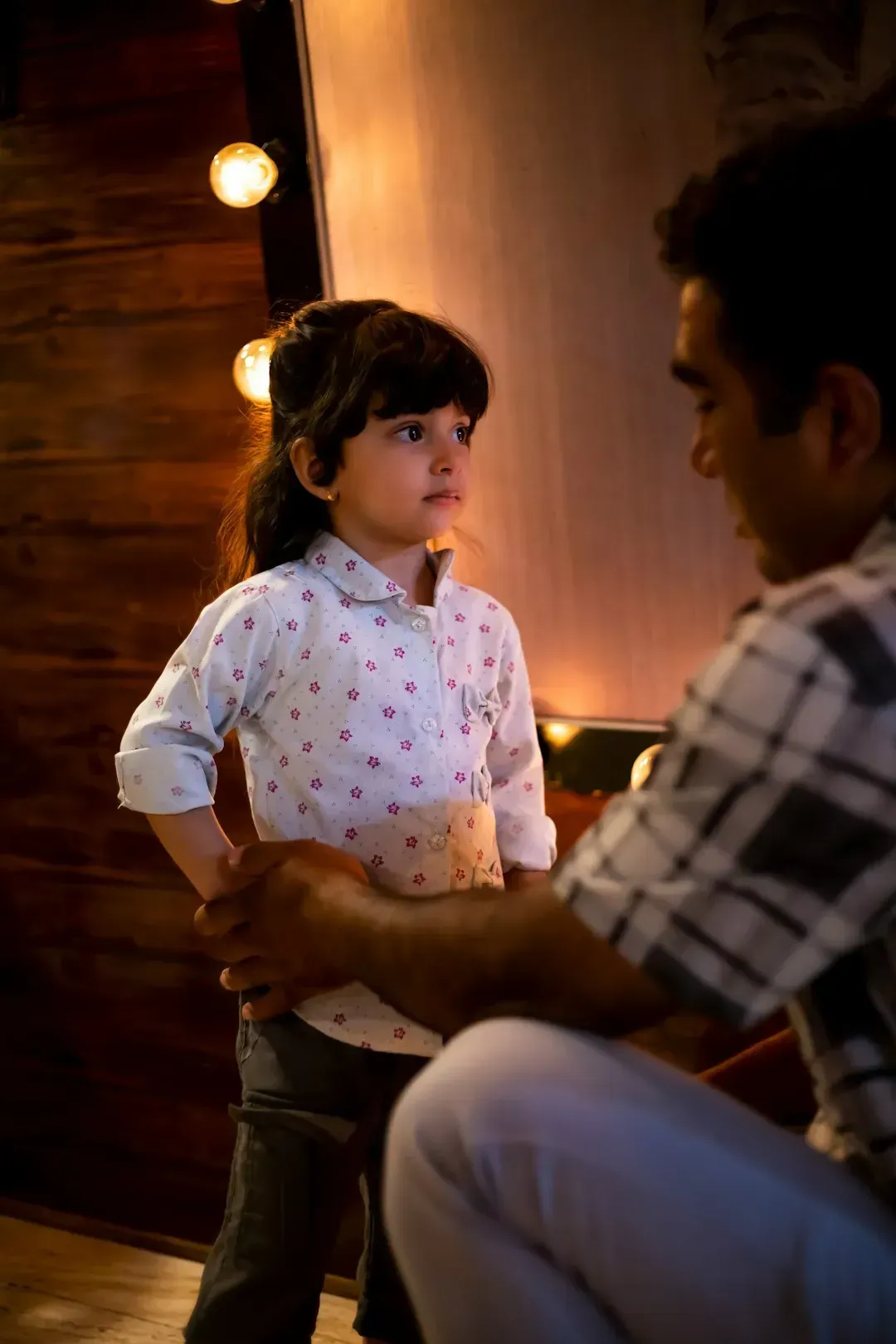
Month One: Attachment Parenting and the Cost of Constant Closeness (Image Credits: Unsplash)
Attachment parenting asks a lot physically. Babywearing, co-sleeping, responding to every cry within seconds, and breastfeeding on demand were the pillars I leaned into first, since my youngest was still small enough for this to make sense. The closeness felt good in a primal way, and there were fewer power struggles simply because we were rarely apart long enough for one to build.
The trouble showed up in my own exhaustion rather than in my child’s behavior. Being the constant point of contact for every need, day and night, left almost no room for anyone else in the house, including my partner, to build that same closeness. It also became clear that this style scales down as kids get older, which meant I was already looking for what came next before the month was even over.
Authoritative Parenting: The Style Researchers Keep Coming Back To

Authoritative Parenting: The Style Researchers Keep Coming Back To (Image Credits: Pexels)
This is the one psychologists talk about most, and for good reason. A parenting style characterized by moderate levels of control and high levels of warmth typically is associated with children who are well adjusted, independent, and successful. The framework traces back to psychologist Diana Baumrind, whose decades of observational work set the terms for how researchers still study parenting today.
What struck me most was how consistent the evidence is across different populations. For every region of the globe researchers examined, the authoritative parenting style was associated with at least one positive child outcome. In my house, this looked like explaining the reasoning behind a rule instead of just enforcing it, and it was the first month where my kids actually pushed back less, not more.
Permissive Parenting: When Freedom Becomes the Rule

Permissive Parenting: When Freedom Becomes the Rule (Image Credits: Pexels)
Permissive parenting sounds appealing in theory: warmth without rigid rules, letting kids figure things out for themselves. Permissive parents are warm and responsive, but reluctant to impose rules or standards, preferring instead to let their kids regulate themselves. For about a week, dinner negotiations and bedtime became genuinely relaxed.
Then things started to slide. Without a floor of expectations, small requests kept expanding until they were unrecognizable, and my kids seemed less confident, not more, when structure was absent. This tracks with the broader research record, where an authoritative parenting style shows a positive correlation with academic achievement, while a permissive parenting style shows a negative one.
Authoritarian Parenting: Rules First, Questions Never

Authoritarian Parenting: Rules First, Questions Never (Image Credits: Pexels)
I approached this one warily, since it runs against most of my instincts, but I wanted to see it firsthand. Authoritarian parenting means strict rules, high demands, and little explanation for why those rules exist, closer to obedience for its own sake than reasoning things through. Authoritarian parents show less warmth and sensitivity, and insist on obedience, attempting to enforce compliance through punishments, threats, and psychological control.
The short-term compliance was real. My kids did what they were told faster, with less back and forth. Longer term, though, this is the style with the most consistent warning signs in the literature, since behaviors characterized as overly strict tend to result in maladaptive outcomes in children and adolescents, including low self-esteem, aggression, and difficulties in school.
Gentle Parenting: Empathy as a Full-Time Job

Gentle Parenting: Empathy as a Full-Time Job (Image Credits: Unsplash)
Gentle parenting asks parents to validate feelings first and address behavior second, and it has become one of the most talked about approaches of the past few years. It felt genuinely good for connection, especially during tantrums, where naming a feeling instead of shutting it down often diffused things faster than I expected. But it demanded an enormous amount of patience and emotional labor, almost constantly.
I wasn’t alone in feeling that strain. Gentle parents in one 2024 study reported high levels of parenting satisfaction and efficacy overall, but statements of parenting uncertainty and burnout showed up in over one-third of the sample. One researcher involved in that same study noted it’s important that we continue to study this approach, especially given the stress that many parents are experiencing.
Helicopter Parenting: Hovering Until It Hurts

Helicopter Parenting: Hovering Until It Hurts (Image Credits: Pixabay)
I tried this one mostly with homework and social situations, hovering closer than usual, stepping in before problems could fully form, and monitoring more than I normally would. It felt protective in the moment, almost soothing for my own anxiety as a parent. My kids, though, seemed to lean on me faster than usual to solve small problems they’d normally handle themselves.
The research on this style, mostly conducted with older kids and college students, is fairly blunt about the downside. Helicopter parenting has been significantly associated with increased anxiety, depression, and stress among college students, with factors like self-efficacy and autonomy mediating that relationship. Another study following first-year students found that those with overprotective parents reported significantly more anxiety when faced with common stressors, and parental warmth did not buffer them from that stress-related anxiety.
Free-Range Parenting: Letting Go on Purpose

Free-Range Parenting: Letting Go on Purpose (Image Credits: Pexels)
This was the hardest one for me to commit to, since it meant deliberately backing off, letting my older kid walk to a nearby store alone, or stay home unsupervised for short stretches. It is also the parenting style most likely to run into legal trouble, which made me nervous even when I knew my child was safe. Several states have moved to protect this exact kind of independence in recent years.
Utah was the first state to pass a free-range parenting law, changing the legal definition of neglect so kids could play or walk to and from the park unsupervised without their parents risking a charge. More states have followed since, and in Connecticut a lawmaker who championed similar legislation put it plainly, saying the helicopter parent has turned into the snowplow parent, and kids are not having time to just be kids with other kids.
Montessori-Inspired Parenting: Following the Child's Lead
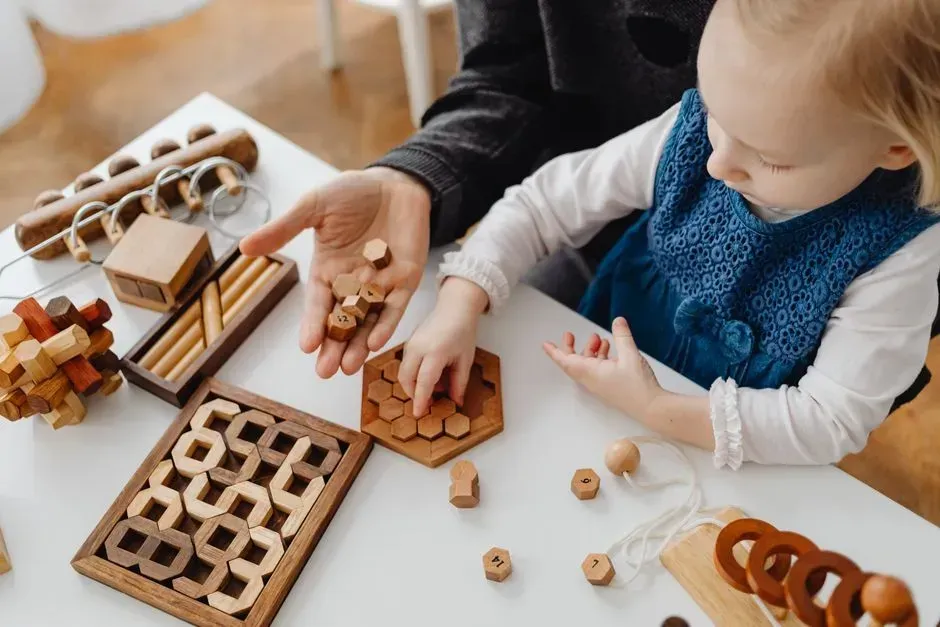
Montessori-Inspired Parenting: Following the Child's Lead (Image Credits: Pexels)
Borrowed from Maria Montessori’s educational philosophy, this approach centers on following the child’s natural interests, offering ordered, hands-on environments, and stepping back rather than directing every activity. At home, this meant lower shelves, real tools sized for small hands, and a lot of resisting the urge to correct a task that was being done a different way than I would do it. It was slower going, especially at first, but my youngest became noticeably more independent with everyday tasks like dressing and cleaning up.
The hardest part wasn’t the philosophy itself, it was the patience it required from me. Montessori parenting works on trust, trusting that a child left to struggle a little with a puzzle or a spill will learn more than one who is rescued immediately. By the end of the month, I found myself narrating less and observing more, which turned out to be its own kind of skill.
Tiger Parenting: High Pressure, Higher Stakes

Tiger Parenting: High Pressure, Higher Stakes (Image Credits: Pexels)
Tiger parenting, popularized by Amy Chua’s memoir, centers on high academic expectations, strict limits on free time, and little tolerance for anything short of excellence. I tried a scaled-down version of this with practice schedules and stricter screen limits, and it produced faster short-term results in terms of completed homework. It also produced more tension at home than any other method I tested that month.
This lines up closely with what a major longitudinal study found when it actually tested Chua’s claims against data from real families. Tracking hundreds of Chinese American households over eight years, researchers found that the supportive parenting profile, the most common one, was associated with the best developmental outcomes, and compared with it, a tiger parenting profile was associated with lower GPA, less educational attainment, more academic pressure, more depressive symptoms, and a greater sense of alienation. The lead researcher on that study later said flatly that tiger parenting isn’t as effective as Amy Chua claims it is.
What Actually Won When the Year Ended
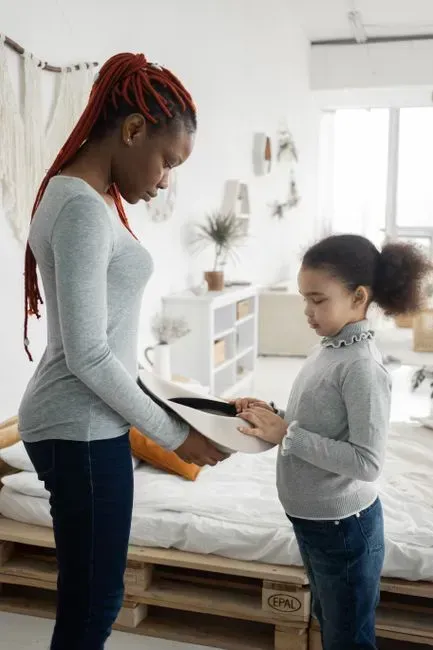
What Actually Won When the Year Ended (Image Credits: Pexels)
No single method survived the year untouched, but one came closest to holding up across every age, mood, and circumstance in my house: authoritative parenting, the warm-but-firm middle ground Baumrind identified decades ago. It borrowed the empathy of gentle parenting, the independence-building instincts of free-range and Montessori approaches, and the clear expectations of the stricter styles, without the burnout of one or the anxiety-inducing control of the other.
What made the difference wasn’t a rigid script but a consistent posture: high warmth paired with real, explained expectations, adjusted a little for age and situation. That flexibility matters, since even researchers now question whether any parent is purely one style at all, and researchers have found that people may shift their approach depending on the situation rather than fitting neatly into one category. My year of experimenting mostly confirmed something the research already suspected: the method matters less than the balance between structure and connection running through whatever method you choose.