
There's a strange gap between the date nights couples say they want to try and the ones they actually book. Ask around and you'll hear the same pattern: curiosity followed by hesitation, then a safer choice like dinner or a movie. Research on relationship habits keeps pointing to the same conclusion, that novelty and shared experiences strengthen a partnership, yet plenty of ideas that promise exactly that keep getting skipped for one simple reason. Nobody wants to feel exposed, clumsy, or embarrassed in front of the person they're trying to impress.
Stand-up comedy shows

Stand-up comedy shows (Image Credits: Unsplash)
Comedy clubs sound like an easy win on paper, laughter, shared reactions, a relaxed atmosphere. In practice, a lot of couples worry about sitting through material that falls flat or, worse, getting singled out by a comedian working the crowd. A recent survey found that 31% of people haven’t been on a date to a comedy show but want to, which suggests interest is there even as follow-through lags.
The hesitation often comes down to control, or the lack of it. Unlike a restaurant where you can guide the conversation, a comedy set puts couples at the mercy of someone else’s timing and humor. If the jokes don’t land, the silence afterward can feel more uncomfortable than any lull in normal conversation.
Art classes and life drawing sessions

Art classes and life drawing sessions (Image Credits: Pexels)
Painting nights and sketch classes get pitched constantly as a fun, low-pressure date, yet plenty of couples never book one. The same survey found 29% have never taken an art class for a date but would like to, a gap that points to fear of judgment rather than lack of interest. Nobody wants their partner glancing over at a lopsided still life and trying to look impressed.
The anxiety tends to run deeper when the class involves live figure drawing. Sitting next to your partner while sketching a nude model introduces a layer of self-consciousness that has nothing to do with artistic skill. It’s less about talent and more about not knowing where to look or what to say when the instructor calls for a break.
Haunted house visits

Haunted house visits (Image Credits: Unsplash)
Fear-based dates get pitched as a shortcut to physical closeness, the classic theory being that adrenaline gets mistaken for attraction. Even so, a surprising number of couples steer clear entirely. Roughly 47% of people say they’ve never gone to a haunted house on a date and don’t want to try it, making it one of the least appealing options in that particular survey.
Part of the reluctance is practical. Screaming, jumping, or grabbing a stranger’s arm in a panic isn’t everyone’s idea of romantic, and some people worry it reveals an overreaction they’d rather not showcase this early. Others simply find the forced jump scares gimmicky rather than genuinely fun.
Wine tasting tours

Wine tasting tours (Image Credits: Unsplash)
Wine tastings have a reputation for sophistication, but they also carry a quiet performance pressure. Couples worry about not knowing the right terminology, mispronouncing a varietal, or admitting they can’t tell a Malbec from a Merlot. About 39% of respondents said they’ve never tried wine tasting on a date and have no interest in doing so.
There’s also a social dynamic at play in group tastings, where couples often stand shoulder to shoulder with strangers swirling glasses and using vocabulary that feels intimidating. Rather than risk sounding uninformed in front of a crowd, many couples opt for a bar or a quiet dinner where nobody is grading their palate.
Partner dance classes
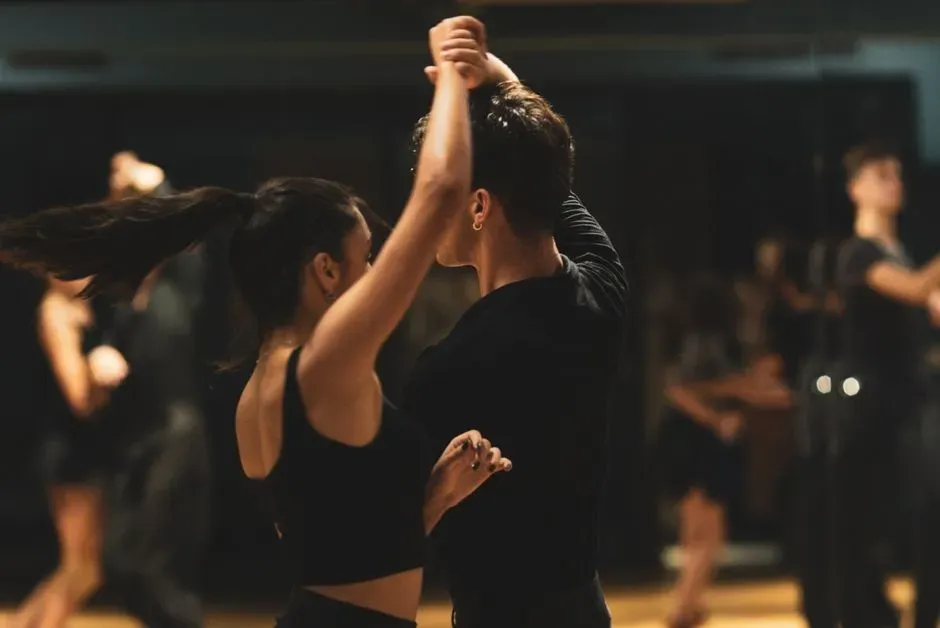
Partner dance classes (Image Credits: Pexels)
Salsa, tango, and swing classes show up on nearly every date night list, and for good reason. Learning choreography together forces physical closeness in a new context, which is one of the more direct ways to build affection. Dance styles like salsa, swing, and bachata get you moving and a little out of your head, and it’s awkward at first, which is secretly the best part.
That initial awkwardness is exactly what keeps people from signing up. Stepping on your partner’s feet in front of a room of strangers, or realizing you have zero rhythm compared to the couple next to you, is enough to make plenty of people quietly cross this one off the list. The idea sounds romantic until it’s time to actually show up and move.
The "36 Questions to Fall in Love" game

The "36 Questions to Fall in Love" game (Image Credits: Unsplash)
This one has been circulating since a viral essay brought it into the mainstream, and it still gets recommended constantly as a way to deepen a relationship. The 36 questions were first developed by psychologists Arthur Aron and Elaine Aron, and the list went viral in 2015 thanks to an essay by Mandy Len Catron published in the New York Times Modern Love column. The premise is simple, escalating questions designed to build intimacy through mutual vulnerability.
The catch is that vulnerability doesn’t feel simple in the moment. Self-disclosure is a major key to building emotional intimacy, according to relationship therapists, especially when partners experience each other’s vulnerability while first connecting, but that same openness can feel exposing for couples who aren’t used to talking in such direct terms. Some worry the exercise will surface an answer they’re not ready to hear, or make an early relationship feel heavier than intended.
Karaoke nights
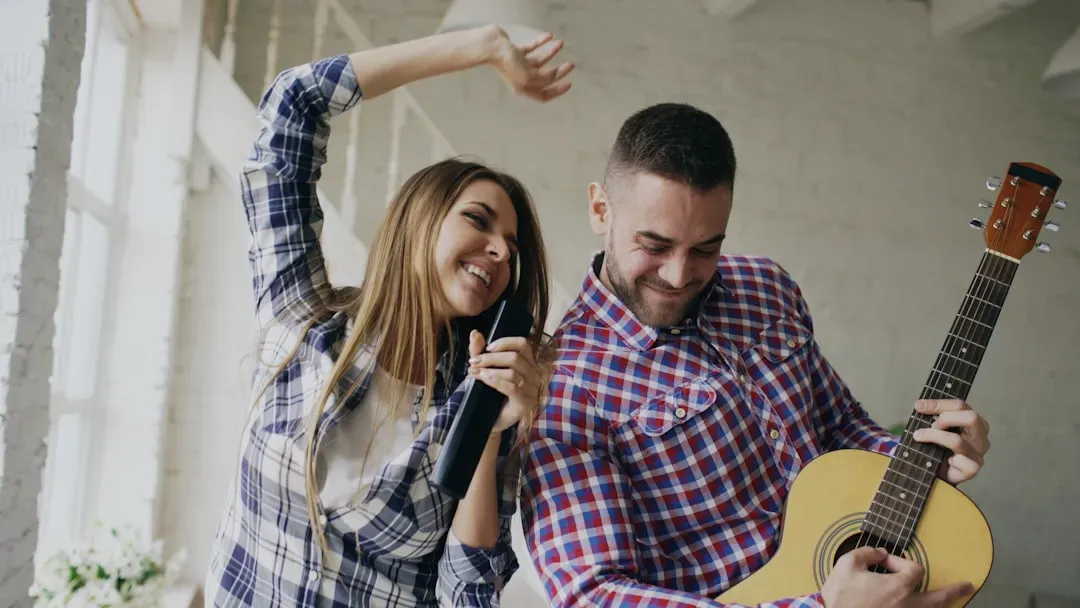
Karaoke nights (Image Credits: Unsplash)
Few date ideas generate as much instant dread as karaoke. It combines public performance, off-key vocals, and an audience of strangers, which is a lot to ask of someone who’s only recently comfortable holding hands in public. The fear isn’t really about singing badly, it’s about singing badly while your partner watches everyone else’s reaction too.
Private karaoke rooms have softened this somewhat by removing the wider audience, but the core discomfort still lingers for a lot of couples. Watching your partner belt out a song can be endearing, sure, but plenty of people would rather skip the microphone altogether and stick to a playlist in the car where nobody’s grading the performance.
Couples massage classes
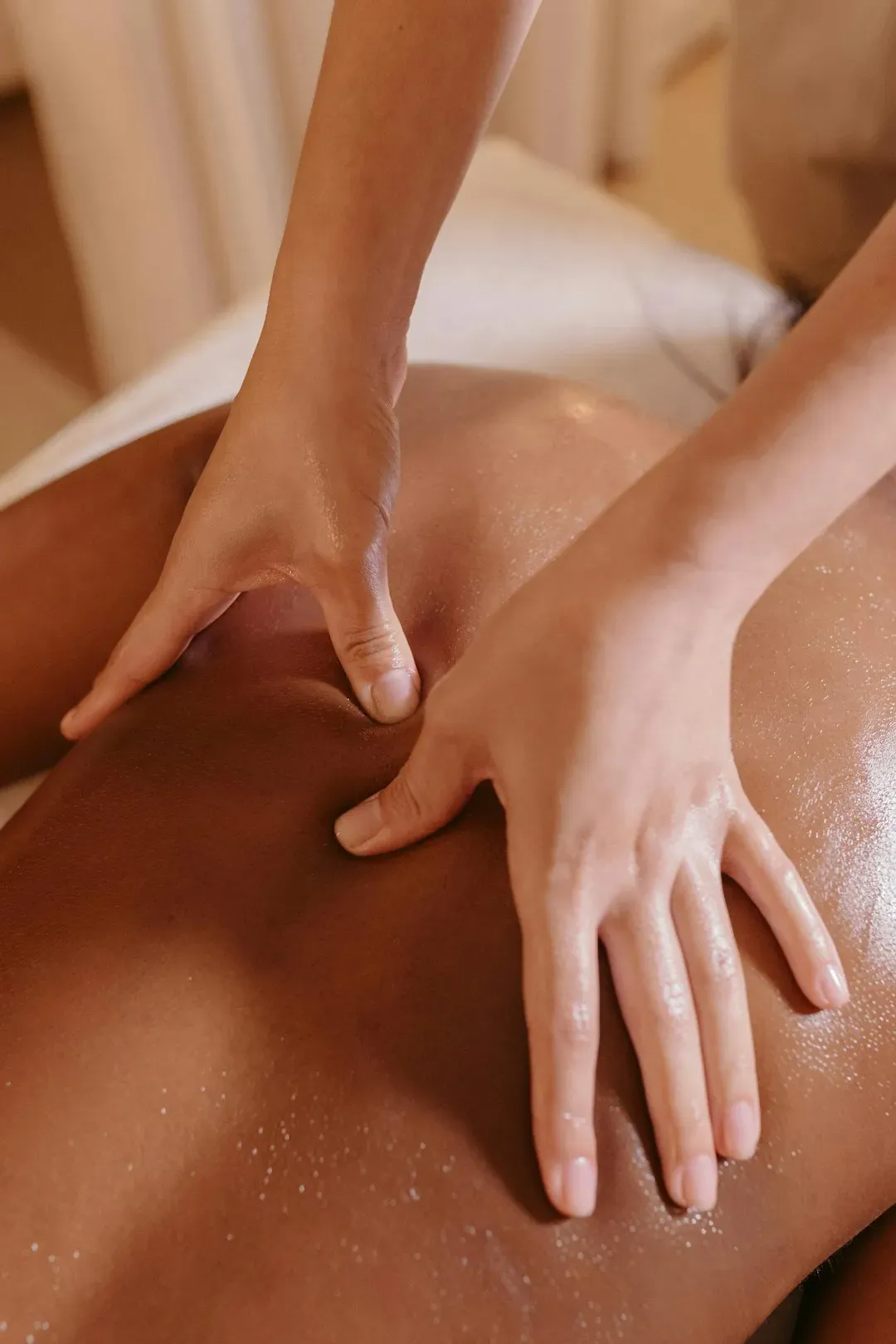
Couples massage classes (Image Credits: Unsplash)
Learning massage techniques together sounds intimate and low-key, right up until it’s time to practice in a room full of other couples doing the same thing. The instructor walking around correcting technique, the eye contact with strangers mid-session, the sheer physical vulnerability of it all, these details add up fast for people who thought they were signing up for something relaxing.
There’s also the awkwardness of not knowing your own body language in a semi-clinical setting. A private massage at home feels natural; doing the same movements shoulder to shoulder with unfamiliar couples in a studio changes the entire mood. Many people quietly decide the class isn’t worth the discomfort and opt for a professional spa treatment instead.
Tantra or intimacy workshops

Tantra or intimacy workshops (Image Credits: Unsplash)
These workshops market themselves as tools for deeper connection, blending breathing exercises, eye-gazing techniques, and guided touch. The concept draws plenty of curiosity online, but actual attendance tends to be much lower than interest would suggest. Sharing that kind of vulnerability in a room of strangers, sometimes with an instructor offering real-time feedback, asks a lot of couples who are still working out their comfort level with each other.
Even couples who’ve been together for years describe feeling exposed in these settings, partly because the exercises strip away small talk almost immediately. There’s no easing into it, no casual chatter to fall back on if things feel weird. That directness is the whole point, but it’s also exactly why so many people back out before booking.
Improv comedy classes

Improv comedy classes (Image Credits: Unsplash)
Watching comedy is one thing. Performing it, even in a beginner-friendly improv class, is an entirely different level of exposure. The format demands quick thinking, physical comedy, and a willingness to look ridiculous in front of your partner and a room of strangers, all without a script to hide behind.
What makes this idea especially tricky for couples is the risk of comparison. If one partner takes to improv naturally and the other freezes up, it can create a lopsided dynamic that neither person expected walking in. Rather than risk that imbalance, most couples default to watching a show instead of stepping on stage themselves.