
Relationships rarely end with a dramatic announcement. More often, the distance builds quietly, through small shifts in tone, timing, and attention that are easy to explain away in the moment. Recognizing these patterns early does not mean assuming the worst, but it does give couples a chance to address what is happening before silence turns into something harder to repair.
1. Conversations Feel Shorter and More Transactional

1. Conversations Feel Shorter and More Transactional (Image Credits: Unsplash)
One of the earliest signs of emotional withdrawal is a shift in how conversations sound day to day. Instead of open-ended check-ins about feelings or plans, exchanges start to revolve around logistics like schedules, bills, or errands. The warmth that once filled casual chatter gets replaced by efficiency, and that change often happens gradually enough that neither person names it out loud.
Relationship researchers who study communication patterns note that a decline in self-disclosure, meaning the willingness to share thoughts and feelings, is one of the more reliable early markers of growing distance. When a partner starts answering in short sentences or skips the small details they used to volunteer, it is often less about being busy and more about pulling inward.
2. Physical Affection Becomes Less Frequent

2. Physical Affection Becomes Less Frequent (Image Credits: Unsplash)
Touch is one of the simplest ways couples stay connected, and its gradual disappearance is hard to miss once you notice it. Hand-holding, hugs, or casual touches on the arm often fade first, followed by less frequent physical closeness overall. This does not always signal a loss of attraction; sometimes it reflects stress, fatigue, or unresolved tension that has not been discussed.
Therapists who work with couples frequently point out that physical affection tends to mirror emotional safety. When one partner feels unheard or disconnected, they may unconsciously withdraw from touch as a form of self-protection. The absence is rarely random, even if it feels that way to the person on the receiving end.
3. Eye Contact During Conversations Starts to Fade

3. Eye Contact During Conversations Starts to Fade (Image Credits: Pexels)
Eye contact is a basic but powerful indicator of engagement, and its absence can be surprisingly telling. A partner who used to look at you while talking but now glances at their phone, the television, or somewhere else in the room may be signaling discomfort or disinterest, even if they are still physically present. This shift often happens during emotionally charged conversations first, before spreading into everyday interactions.
Nonverbal communication experts have long noted that eye contact regulates intimacy in relationships. When it decreases consistently, especially paired with shorter responses, it often reflects an unconscious effort to create emotional distance rather than a simple change in habit.
4. They Stop Sharing Daily Details

4. They Stop Sharing Daily Details (Image Credits: Pexels)
Small updates about the day, an annoying coworker, a funny errand, a passing thought, are often the glue of everyday intimacy. When a partner stops volunteering these details, it can mean they no longer feel like sharing their inner world the way they once did. The change is subtle because nothing dramatic is missing, just the steady stream of small moments that used to build connection.
This pattern often overlaps with what psychologists call emotional disengagement, where a person continues functioning within the relationship but stops actively investing in it. Partners sometimes describe this shift as suddenly feeling like roommates rather than romantic partners, even though the outward routine looks unchanged.
5. Future Plans Are Discussed Less Often

5. Future Plans Are Discussed Less Often (Image Credits: Pexels)
Couples who are emotionally invested tend to naturally talk about the future, whether that means vacations, holidays, or long-term goals. When those conversations quietly stop, or get deflected with vague answers, it can indicate hesitation about the relationship’s direction. This is not always a conscious decision; sometimes a partner genuinely is not sure how they feel and avoids the topic rather than confronting it.
Avoidance of future planning is frequently cited by relationship counselors as an early warning sign, since it often precedes more direct conversations about uncertainty. The absence of shared plans can feel less obvious than a fight, but over time it tends to create a similar sense of instability.
6. Response Times to Texts and Calls Grow Longer
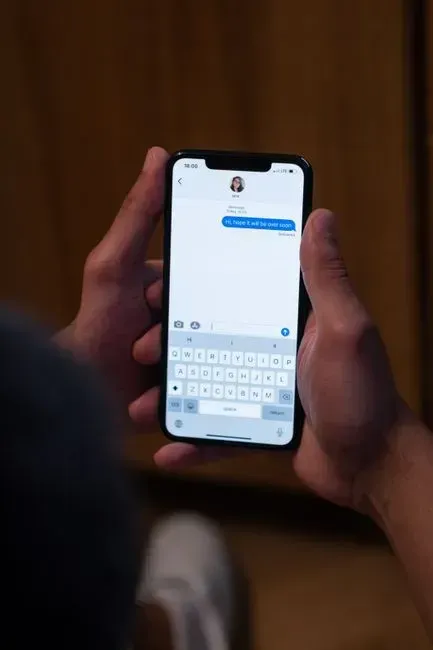
6. Response Times to Texts and Calls Grow Longer (Image Credits: Pexels)
In a world where most people carry their phones constantly, a noticeable delay in responding to a partner can carry more weight than it might seem. It is not about expecting instant replies, but about a pattern change from quick, engaged responses to distracted, delayed ones. When this shift happens consistently rather than occasionally, it often reflects where a person’s attention and priorities currently sit.
Digital communication patterns have become a common area of interest in modern relationship research, particularly since so much day-to-day connection now happens through text. A partner pulling away emotionally may not realize they are doing it, but the pattern often shows up first in how quickly, or slowly, they engage online.
7. They Seem More Irritable Over Small Things

7. They Seem More Irritable Over Small Things (Image Credits: Unsplash)
Minor annoyances that used to be brushed off, like leaving dishes in the sink or forgetting to text back, can start triggering disproportionate frustration. This kind of irritability often has less to do with the actual issue and more to do with unspoken tension building underneath. When small things suddenly feel like bigger conflicts, it can be a sign that deeper dissatisfaction is not being addressed directly.
Psychologists who study conflict in long-term relationships note that unresolved resentment frequently surfaces through indirect irritability rather than open confrontation. This pattern, sometimes called displaced frustration, allows a partner to express distress without naming the real source of it.
8. Social Media and Personal Space Feel More Guarded

8. Social Media and Personal Space Feel More Guarded (Image Credits: Pexels)
A partner who becomes more private about their phone, social media activity, or personal time may be creating boundaries that did not exist before. This can include stricter phone habits, quieter notifications, or spending more time on separate accounts and interests. While privacy on its own is not inherently suspicious, a sudden increase in guardedness compared to previous openness often signals a desire for emotional or personal distance.
Modern relationship dynamics have shifted significantly with social media, and researchers studying digital behavior in couples have observed that increased secrecy around devices often correlates with lower relationship satisfaction. The change is rarely about the technology itself, but about what the added privacy represents.
9. Compliments and Verbal Affirmations Decrease
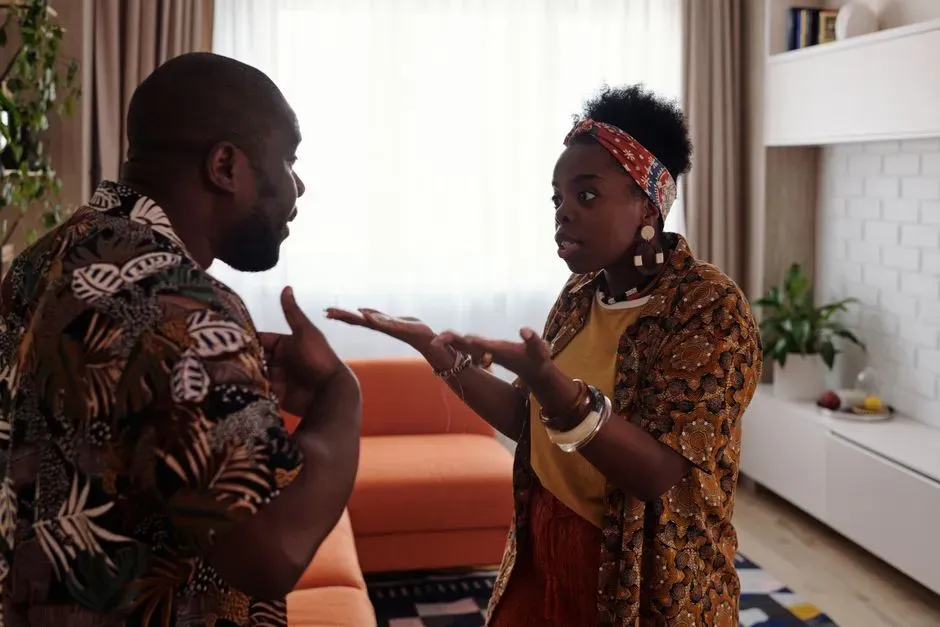
9. Compliments and Verbal Affirmations Decrease (Image Credits: Pexels)
Verbal affirmation, things like noticing effort, offering encouragement, or simply saying something kind, tends to fade quietly when emotional connection weakens. A partner who once complimented small things may stop noticing them altogether, not out of unkindness, but because their attention has shifted elsewhere. This absence can feel harder to point to than an argument, since nothing negative is technically happening.
Relationship researchers consistently link verbal affirmation to relationship satisfaction, noting that its steady decline often mirrors a broader emotional withdrawal. When affirming words disappear gradually rather than suddenly, it usually reflects a slow shift in emotional investment rather than a single triggering event.
10. They Prioritize Time Alone or With Others Over Time Together

10. They Prioritize Time Alone or With Others Over Time Together (Image Credits: Unsplash)
A noticeable shift toward spending more time alone, with friends, or absorbed in hobbies can indicate that a partner is seeking distance without directly saying so. This does not mean independence itself is a warning sign, since healthy relationships require personal space. The concern arises when this pattern becomes a consistent replacement for shared time rather than a balanced addition to it.
Therapists often describe this dynamic as parallel living, where two people share a household or schedule but increasingly build separate emotional lives. Left unaddressed, this pattern tends to deepen rather than resolve on its own, making early recognition especially important for couples who want to reconnect rather than drift further apart.
Recognizing these signals is not about assigning blame or predicting an inevitable outcome. Many of these behaviors can stem from stress, personal struggles, or life transitions that have nothing to do with the relationship itself. What matters most is paying attention to patterns rather than isolated moments, and being willing to talk openly when distance starts to feel like the new normal.