
There's a strange gap between what homeowners know they should do and what actually gets done on a Saturday afternoon. Recent surveys of American homeowners keep landing on the same uncomfortable truth: routine upkeep is the first thing to slide when life gets busy or money gets tight. Yet a smaller group keeps chugging along with the boring stuff, the filter changes, the gutter checks, the smoke detector tests, and it turns out that quiet consistency puts them well ahead of the pack.
The numbers behind that gap are worth a closer look, not to shame anyone but to show how small habits compound. Below are the specific tasks that separate the diligent minority from everyone else, along with what the research actually says about who's doing them and who isn't.
Testing smoke and carbon monoxide detectors every month
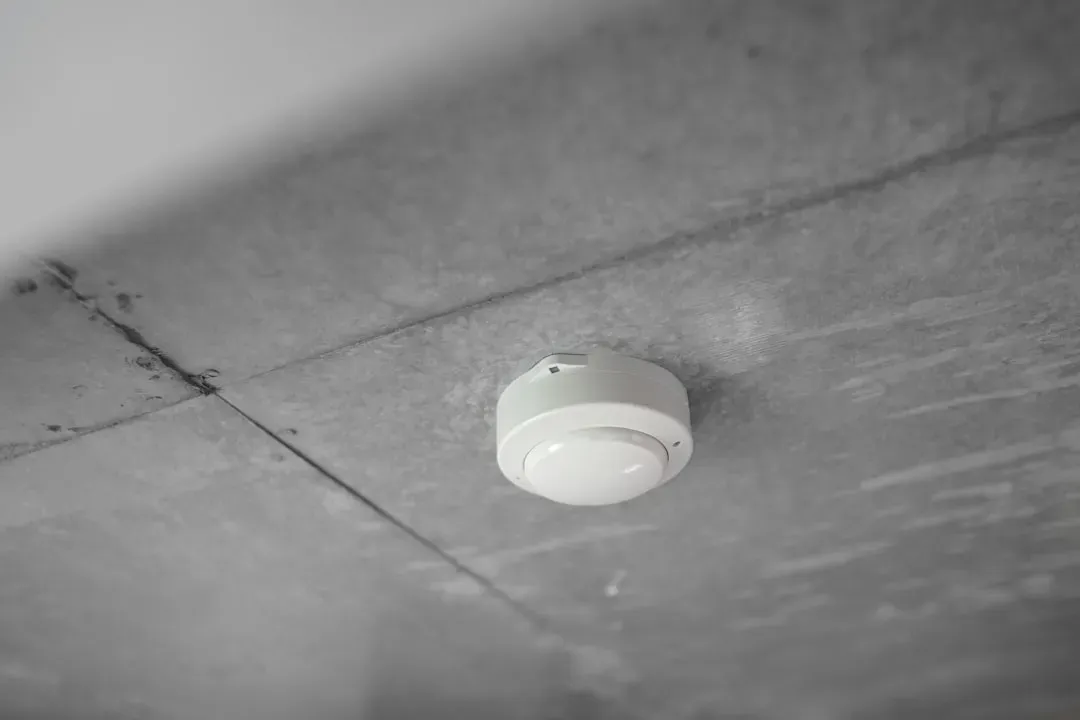
Testing smoke and carbon monoxide detectors every month (Image Credits: Unsplash)
Most people treat their smoke detectors like background furniture, something they only think about when it starts chirping at three in the morning. Survey data backs this up in an almost uncomfortable way: while 61% of Americans have three or more smoke detectors in their home, 37% report only changing the batteries when they beep and 26% report only changing them once a year. That's not testing, that's reacting.
It gets worse when you look at the ones people quietly disable. Worse yet, 39% have unplugged their smoke detectors and 18% have admitted to forgetting to plug them back in. Carbon monoxide detectors fare no better, since of the 58% of homeowners who have a carbon monoxide detector, 29% check them only when they beep and 30% check them only once a year. Anyone pressing that test button on a real monthly schedule is doing something a clear majority of neighbors have stopped bothering with.
Replacing HVAC filters on schedule
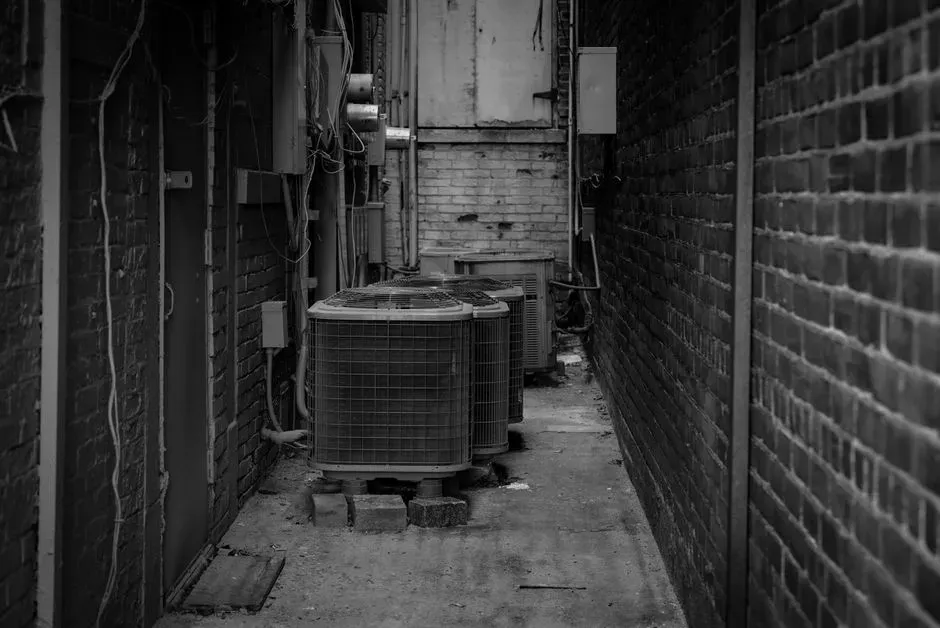
Replacing HVAC filters on schedule (Image Credits: Pexels)
A dirty filter seems like such a small thing until it starts choking airflow and straining a system that costs thousands to replace. Experts generally recommend swapping filters every one to three months, more often during heavy-use seasons, since dirty filters restrict airflow, reduce efficiency, and can lead to costly system damage. It's a five-minute job that most people still find a way to skip.
The bigger picture around HVAC care isn't much rosier. Furthermore, 49% skip seasonal HVAC tune-ups and 51% do so to cut costs. Cost concerns are real, but a neglected system tends to fail at the worst possible moment, usually the first heat wave or cold snap of the season. Homeowners who stick to a filter schedule are quietly protecting equipment that a huge share of the country is letting run down.
Cleaning gutters before they clog
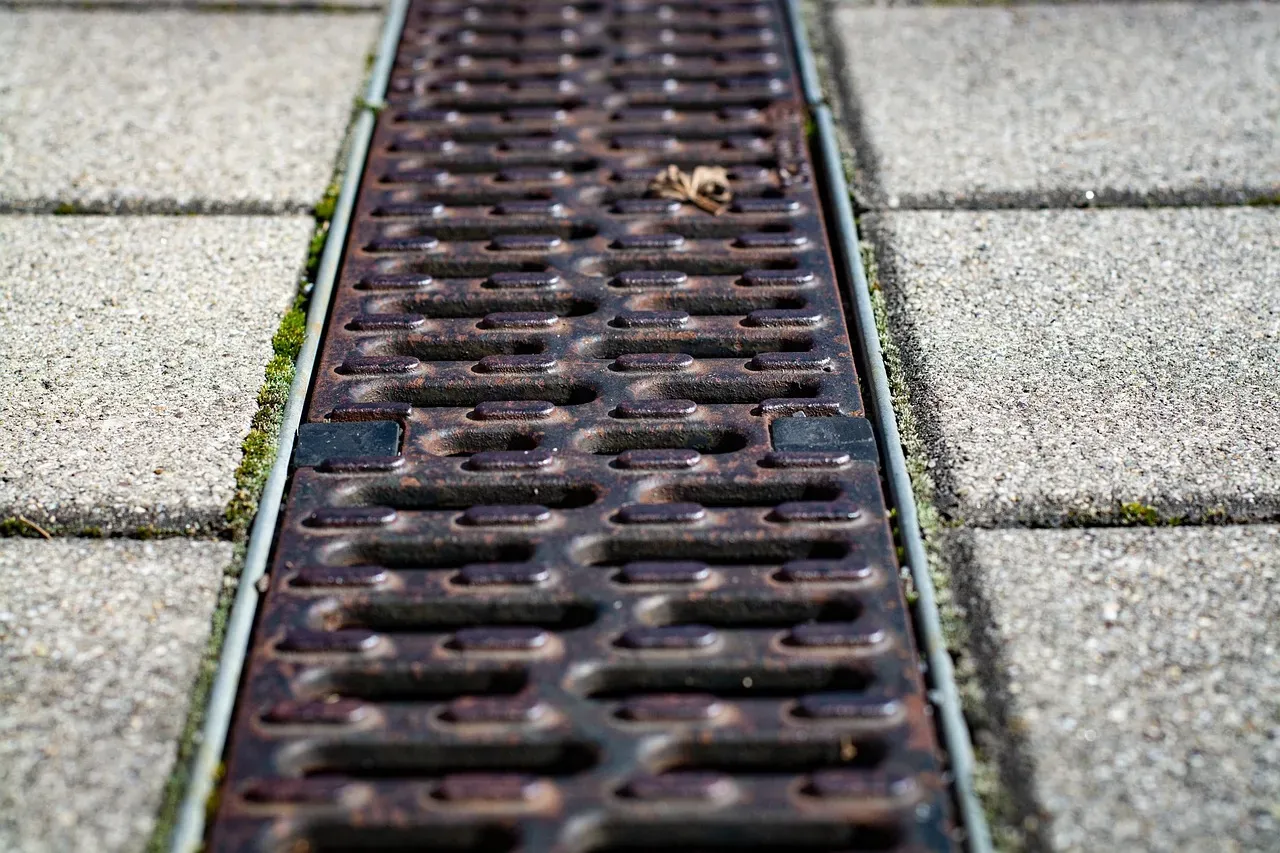
Cleaning gutters before they clog (Image Credits: Pixabay)
Gutters are unglamorous, hard to reach, and easy to forget until water starts pooling somewhere it shouldn't. That neglect has a price tag attached to it, and it isn't small. A 2025 survey by LeafFilter gutter protection reveals that 4 in 10 homeowners have experienced damage to their home from clogged or poorly maintained gutters.
The habits behind that damage are pretty telling. 41% of homeowners clean or inspect gutters once or twice a year, according to the LeafFilter survey, while 27% wait until a problem arises. Waiting for a problem to appear is a bit like waiting for a leak to become a flood. A twice-a-year gutter clearing, done before spring storms and before autumn leaves pile up, puts a homeowner ahead of a meaningful chunk of the country that's essentially playing defense.
Scheduling a real annual roof check
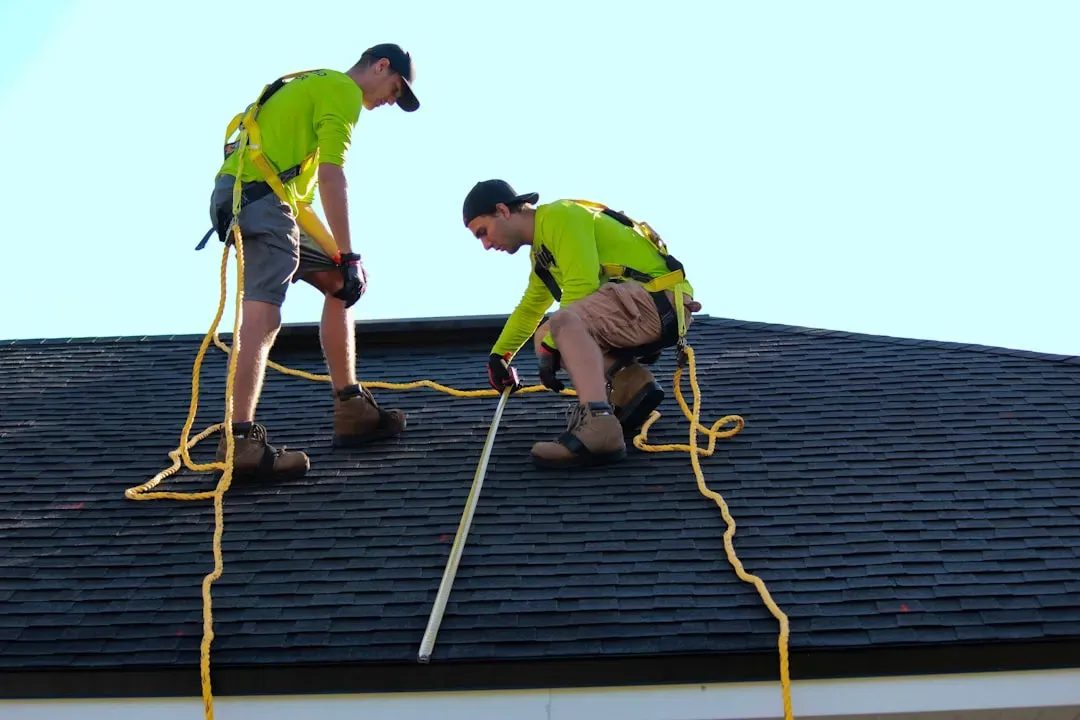
Scheduling a real annual roof check (Image Credits: Unsplash)
Roofs are easy to ignore precisely because they're out of sight most of the year. That distance seems to translate directly into neglect, since one insurer-backed study found that only 38% of homeowners checked their roofs, 39% inspected their water heaters, and 40% cleaned their gutters in the past year. That means a majority of homeowners went an entire year without even glancing up at the one surface protecting everything underneath it.
A basic roof inspection doesn't require climbing a ladder. Standing in the yard with a pair of binoculars and looking for missing shingles, sagging spots, or dark stains is often enough to catch a problem early, before it turns into a five-figure repair. Homeowners who make this an annual habit are doing something the majority of the country simply isn't getting around to.
Checking the water heater and watching for leaks
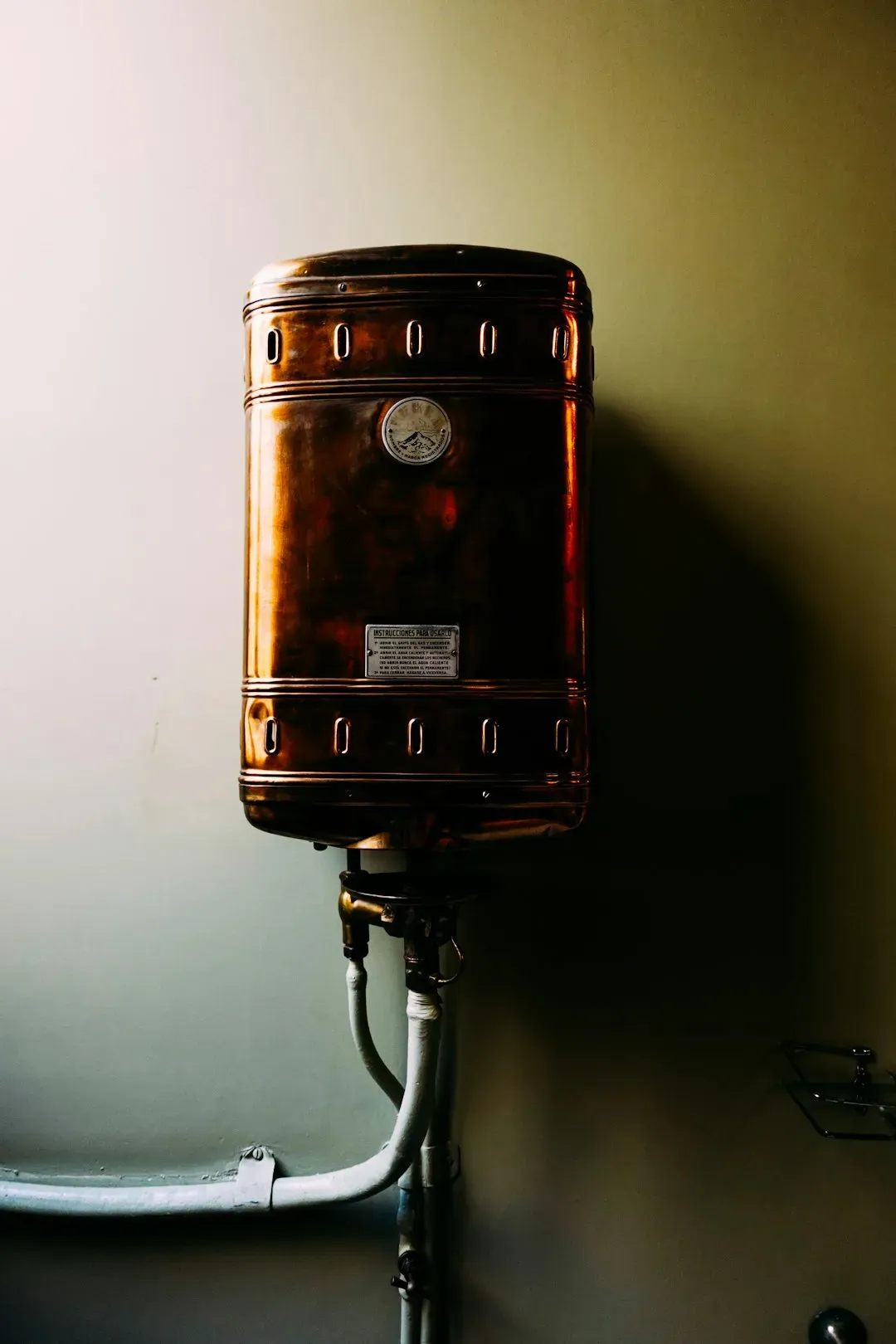
Checking the water heater and watching for leaks (Image Credits: Unsplash)
Water heaters tend to get attention only after they've already failed, usually in a dramatic and soggy way. The same Hanover Insurance Group research found that 39% of homeowners did not inspect their water heaters, posing a risk for costly damages. A quick annual check of the pressure valve and tank condition can catch small issues long before they become a flooded utility closet.
Pipes deserve the same attention, and here the numbers are even more striking. According to a separate homeowner survey, a concerning 45% of homeowners do not check their homes for mold and 51% do not check their pipes for leaks. Homeowners running through this checklist even once a year are ahead of roughly half the country on leak prevention alone.
Cleaning the dishwasher filter and drain
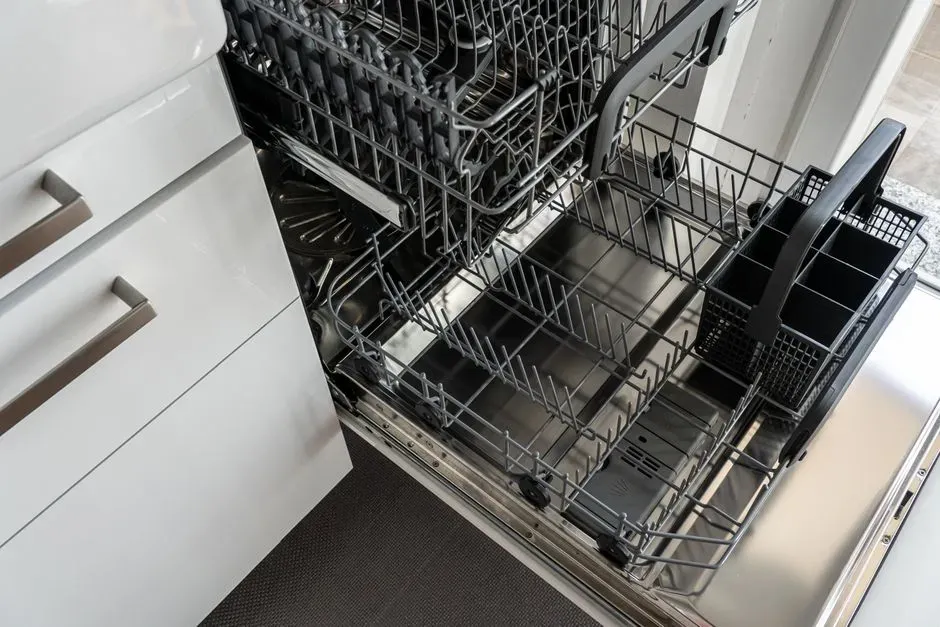
Cleaning the dishwasher filter and drain (Image Credits: Pexels)
It's easy to assume a dishwasher cleans itself just because it's constantly filled with soap and hot water. That assumption is wrong, and apparently a very common one. Dishwasher maintenance is the most neglected – 43% don't clean their dishwasher drain or filter.
A neglected filter doesn't just smell bad, it makes the whole machine work harder and clean worse, eventually shortening its lifespan. This is one of those five-minute chores that gets pushed aside simply because nobody thinks about it until dishes start coming out cloudy. Homeowners who pull that filter out every month or two are handling a task that a large share of the country has quietly written off entirely.
Testing GFCI outlets and other safety features
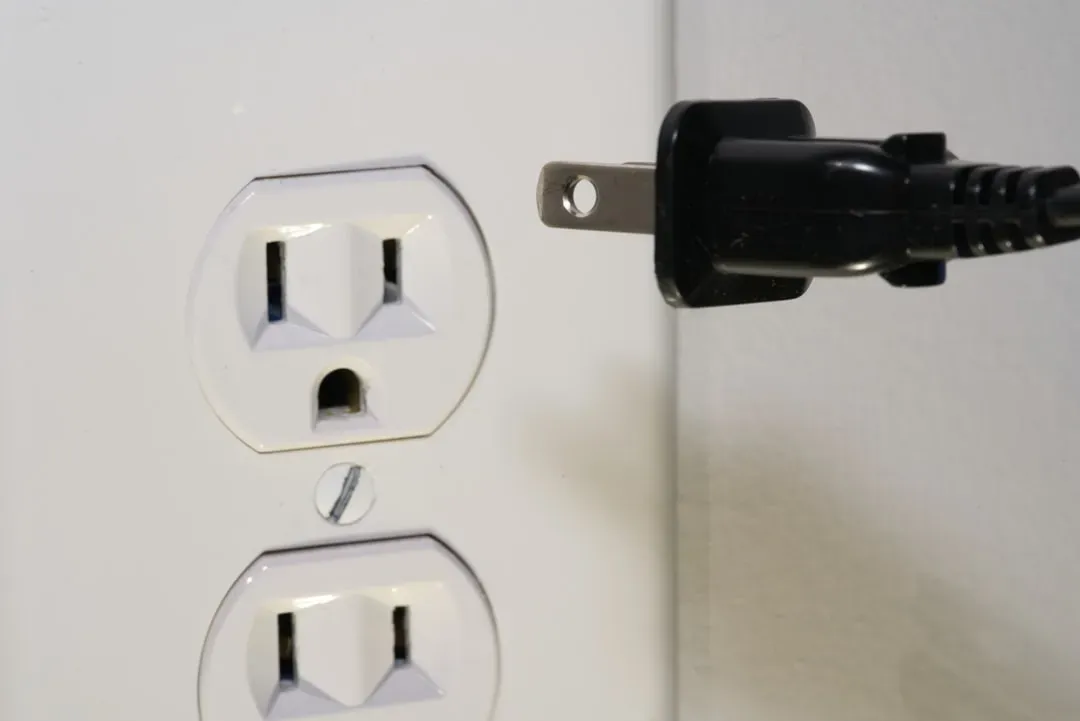
Testing GFCI outlets and other safety features (Image Credits: Unsplash)
Ground fault circuit interrupter outlets are one of those safety devices that only matter in the split second something goes wrong, which is exactly why they get ignored. The recommended routine is simple, since GFCI outlets should be tested monthly by pressing the "test" button, then the "reset" button. The power should cut off and then restore, confirming they are functioning correctly to prevent electrical shocks. Most people have never done this once, let alone monthly.
The same goes for garage door auto-reverse sensors and sump pumps, both of which sit quietly until the one moment they're actually needed. These checks take minutes but rarely make anyone's weekend to-do list. Homeowners who bother with them are essentially buying insurance that costs nothing but a little attention.
Handling small repairs before they become expensive ones
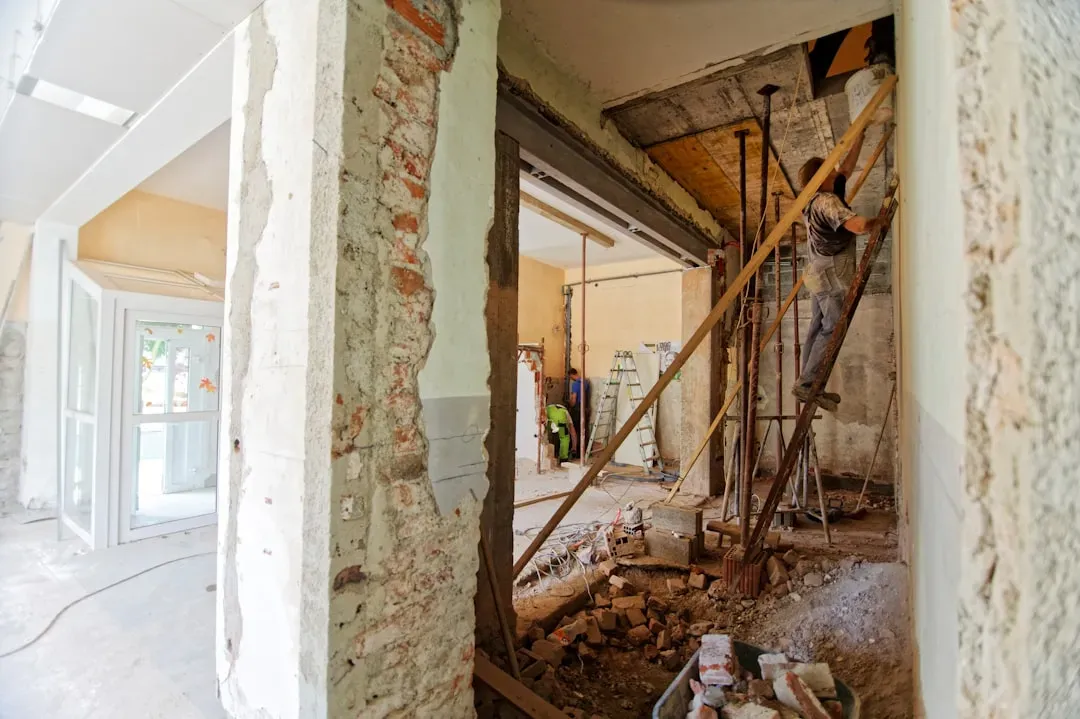
Handling small repairs before they become expensive ones (Image Credits: Unsplash)
Procrastination on maintenance isn't just a personality quirk, it's become measurable and fairly widespread. A 2026 report found that half of American homeowners (50%) say their home needs repairs or renovations that they can't afford right now, and two-thirds (65%) admit they've ignored a home maintenance task within the past five years. That ignored task rarely stays small.
The financial fallout from that delay is where things get expensive fast. Putting off maintenance resulted in repairs that could have been avoided for nearly 1 in 3 homeowners (29%). Of those, 72% spent at least $1,000 on a preventable repair, and 44% spent at least $5,000. Anyone who fixes the squeaky door, the small leak, or the loose shingle right away is sidestepping a cost that a large share of homeowners eventually pay anyway, just with interest.
Deep cleaning the stuff that hides in plain sight

Deep cleaning the stuff that hides in plain sight (Image Credits: Unsplash)
Routine surface cleaning is one thing, but the deeper tasks, carpets, baseboards, behind appliances, tend to fall off the radar entirely. One national survey found that annual deep cleaning tasks are also overlooked, with 41% failing to deep clean their carpets and 38% neglecting baseboard cleanings. Dust and allergens build up quietly in these spots for months or years at a time.
Even more frequent chores suffer the same fate. Nearly a third don't replace their sponges monthly, while 23% skip monthly microwave wipe-downs. More than 1 in 5 (21%) skip dusting and 18% skip mopping. None of these tasks are difficult on their own, but skipping them consistently is apparently the norm rather than the exception, which makes anyone still doing them a bit of an outlier in a good way.
The takeaway
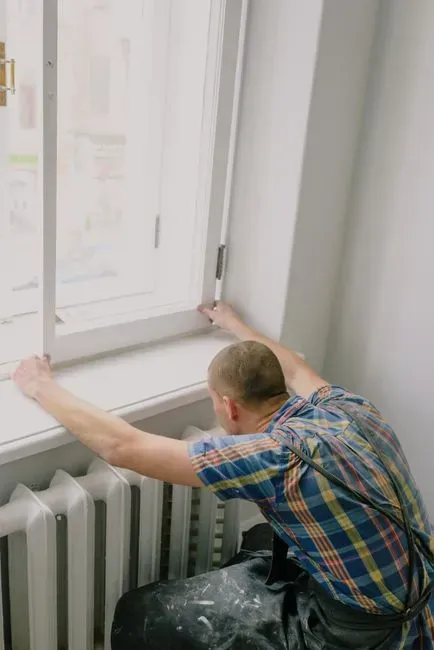
The takeaway (Image Credits: Pexels)
None of the habits above are complicated or expensive. What separates the homeowners staying ahead of the curve isn't skill or money, it's simply not letting the small stuff pile up until it becomes a big, costly problem. The surveys make it clear that skipping maintenance has become the default for a large share of the country, which means consistency alone is enough to put someone in the more careful minority.
There's no need to overhaul a routine overnight. Picking off one or two of these tasks this month, the smoke detector test, the filter swap, the gutter check, is usually enough to start closing that gap.