
Dating in 2026 looks different than it did even a few years ago, with fewer swipes, more skepticism, and a noticeable shift back toward simple, in-person effort. Yet according to recent surveys from YouGov, Hinge, and several other research groups, the basics still separate the daters who get a second date from the ones who don't. A handful of old-fashioned habits, it turns out, are quietly rare enough that doing them puts you well ahead of the pack.
Putting your phone away, not just face down
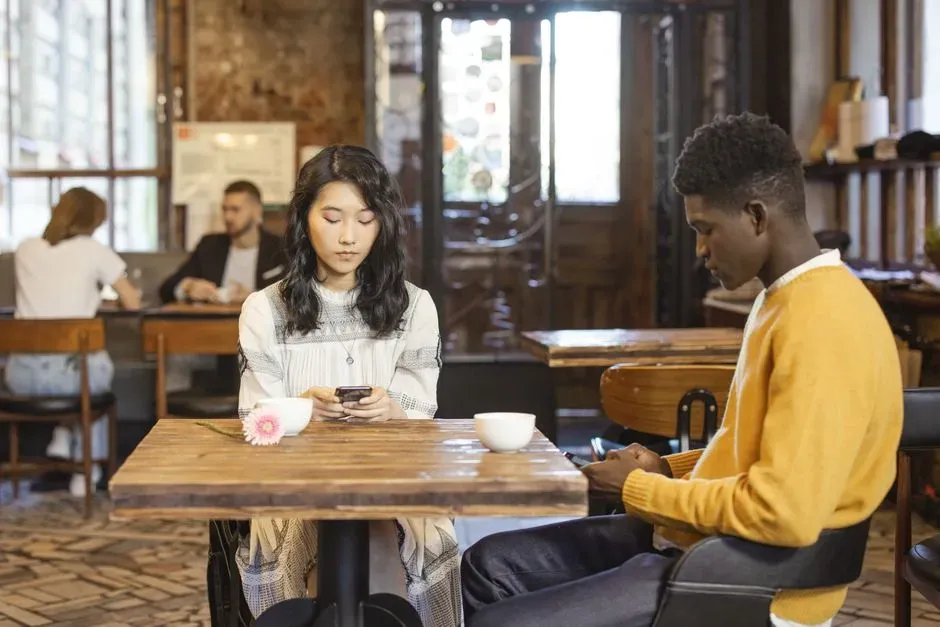
Putting your phone away, not just face down (Image Credits: Pexels)
A YouGov poll conducted in January 2025 among more than two thousand American adults found broad agreement on what ruins a first date, and excessive phone use is one of the behaviors most people consider unacceptable. That might sound obvious, yet anyone who has sat across from someone glancing at notifications every few minutes knows how common it still is.
The gap between knowing the rule and following it seems to be where most people slip. Fully silencing a phone and keeping it out of sight for an hour signals a kind of focus that has become surprisingly uncommon in an always-connected culture. It costs nothing and takes no special skill, which is exactly why it stands out.
Being genuinely polite to waitstaff
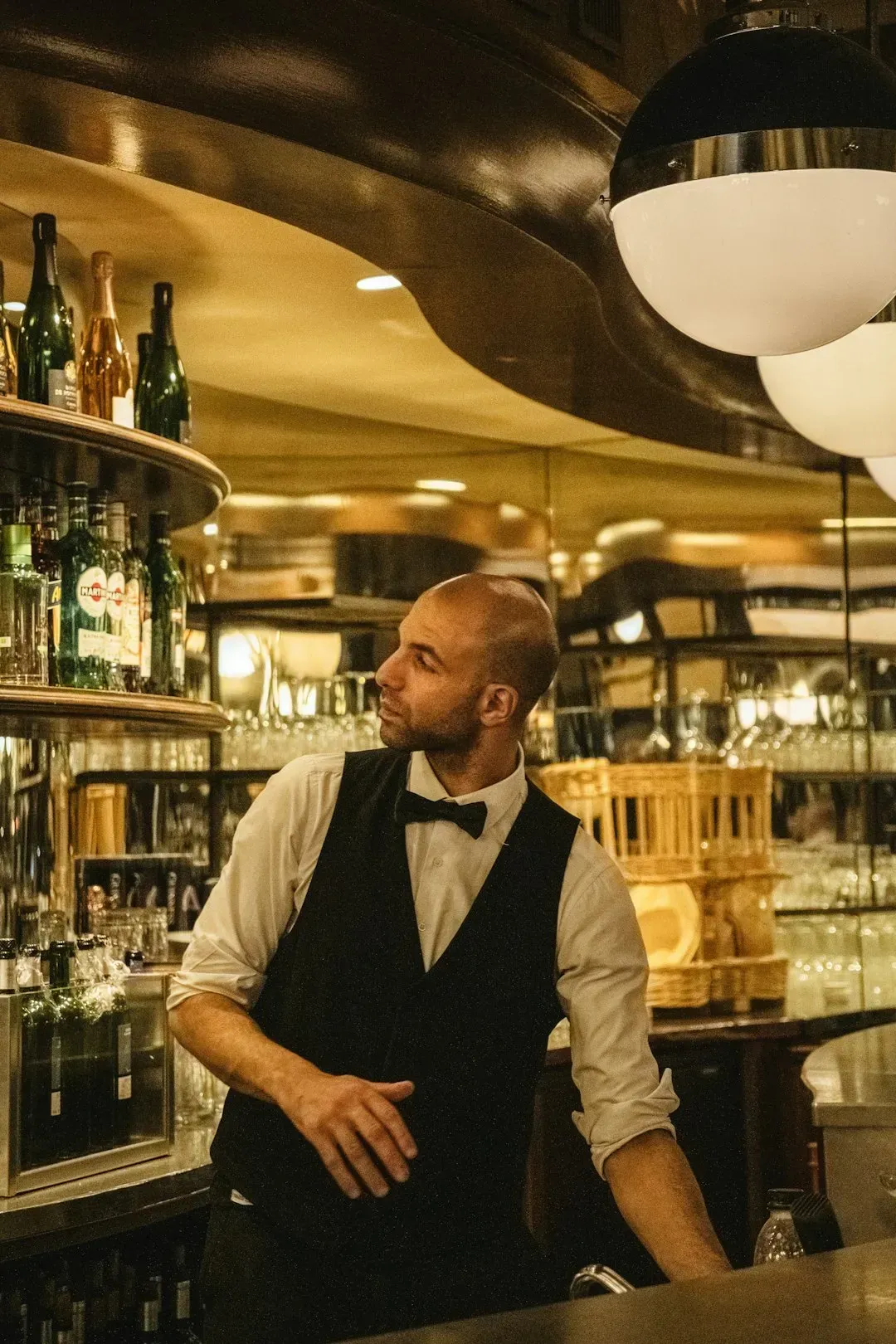
Being genuinely polite to waitstaff (Image Credits: Unsplash)
The same YouGov research found that rudeness to staff is one of the clearest dealbreakers people identify when asked about first-date etiquette. It’s a small window into character that most daters instinctively trust more than anything said across the table.
How someone treats a server or bartender tends to reveal patience and consideration in ways that carefully chosen conversation topics do not. Since this is a behavior nearly everyone agrees on, consistently getting it right is less about impressing a date and more about simply not giving them a reason to worry.
Asking real follow-up questions instead of just talking

Asking real follow-up questions instead of just talking (Image Credits: Pixabay)
Hinge’s 2025 D.A.T.E. Report, based on surveys of roughly thirty thousand daters, found that eighty-five percent of daters are more likely to want a second date when asked thoughtful questions, yet many people fall short of that bar. The report noted that only around sixty-one to sixty-two percent of Gen Z daters feel they ask enough questions on a first date.
That leaves a meaningful share of daters coasting through conversations without ever really drawing the other person out. Hinge also found that Gen Z daters are thirty-six percent more hesitant than millennials to begin a deep conversation on a first date, which suggests that simply asking a curious, specific question can set someone apart almost immediately.
Choosing something low-key over a high-pressure production
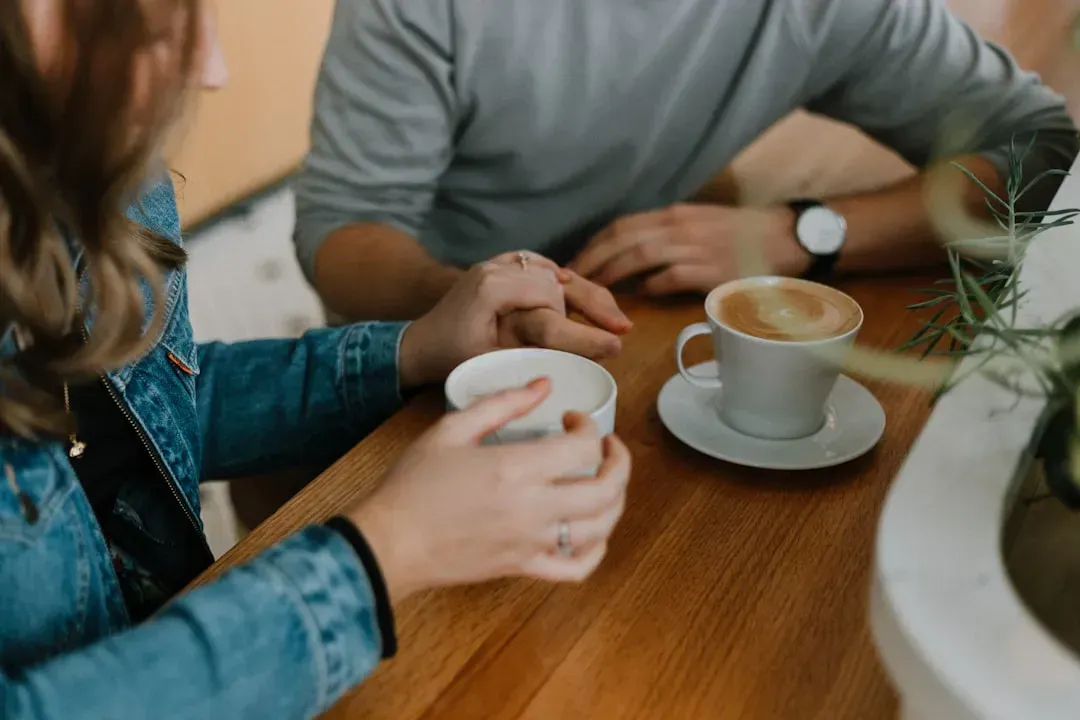
Choosing something low-key over a high-pressure production (Image Credits: Unsplash)
Dating platforms have been tracking a clear shift away from elaborate first dates. According to reporting on Tinder’s 2025 Year in Swipe data, the number one first date vibe singles are now looking for is something playful and low-pressure. Meanwhile, data from Happn shows that forty-one percent of daters are skipping dates due to cost or opting for free activities instead.
A coffee walk or a casual afternoon hangout doesn’t scream effort the way a candlelit dinner does, but that’s precisely the point. These lower-key formats emphasize gentle pacing and are expected to replace higher-pressure outings like the classic dinner and movie combination. Anyone still defaulting to an overplanned, expensive first date may be working against the grain of what most people actually want right now.
Showing up as your actual self early on

Showing up as your actual self early on (Image Credits: Unsplash)
Authenticity sounds like a cliché until you look at how many people actually struggle with it. One dating-statistics review found that thirty-five percent of first-date attendees rarely or never reveal their true selves, opting instead for a curated, cautious version of themselves.
Separate research on 2026 dating patterns found that seventy-three percent of singles say they know they like someone when they can be their whole selves around that person, a preference researchers linked to a broader move away from curated online profiles and toward in-person familiarity. Dropping the performance early, even in small ways, appears to resonate more than most people assume.
Making a small logistical effort, like offering to pick someone up
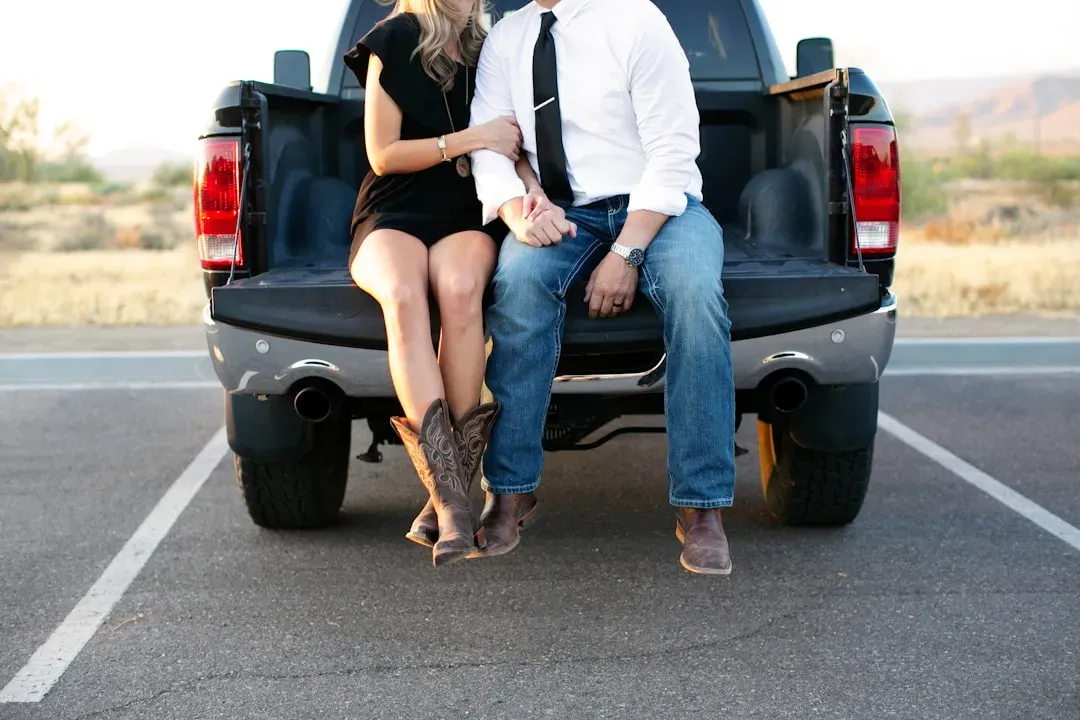
Making a small logistical effort, like offering to pick someone up (Image Credits: Unsplash)
It’s a detail that feels almost quaint, but it hasn’t disappeared. A DatingAdvice.com study surveying over a thousand Americans found that more than one in four still prefer their date to pick them up rather than meeting at a specified location.
That preference cuts against the more common, lower-effort default of just sending a pin and meeting on-site. Offering to handle transportation, or at least proposing it, is a small gesture that a meaningful minority of daters still notice and appreciate, even if it’s no longer the norm.
Leading with personality and humor instead of just looks
Leading with personality and humor instead of just looks (Image Credits: Pexels)
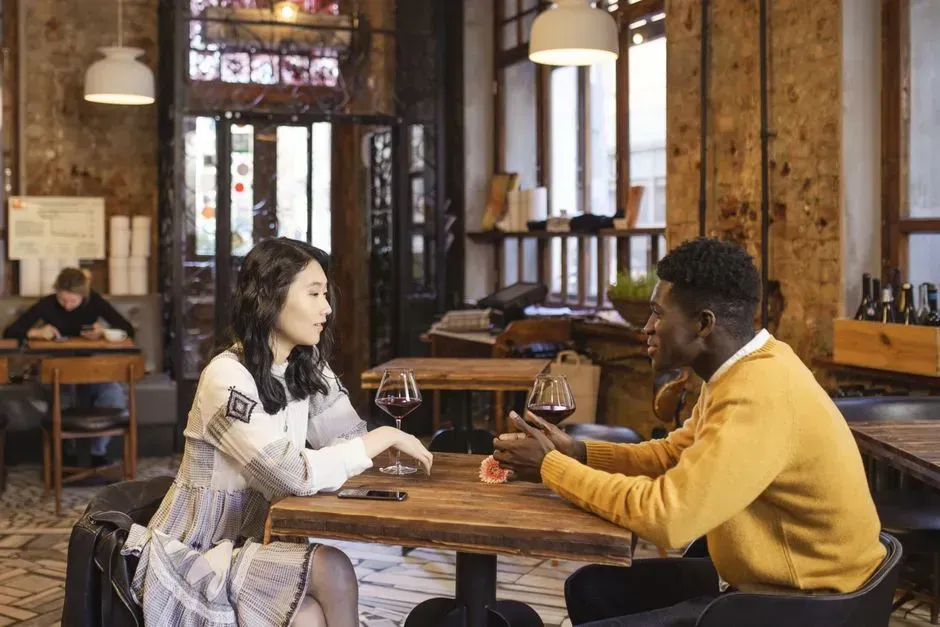
Looks get a date in the door, but they rarely keep the conversation going. Survey data compiled on first-date behavior found that sixty-five percent of singles are more attracted to personality on a first date than appearance, and separately, sixty-five percent of people think humor is the most attractive trait on a first date.
That’s a fairly consistent signal across different surveys, yet plenty of daters still spend the evening trying to seem impressive rather than trying to be genuinely funny or curious. Leaning into personality, even awkward or self-deprecating humor, tends to land better than a polished but flat presentation.
Keeping alcohol in check rather than using it as a crutch
Keeping alcohol in check rather than using it as a crutch (Image Credits: Pexels)
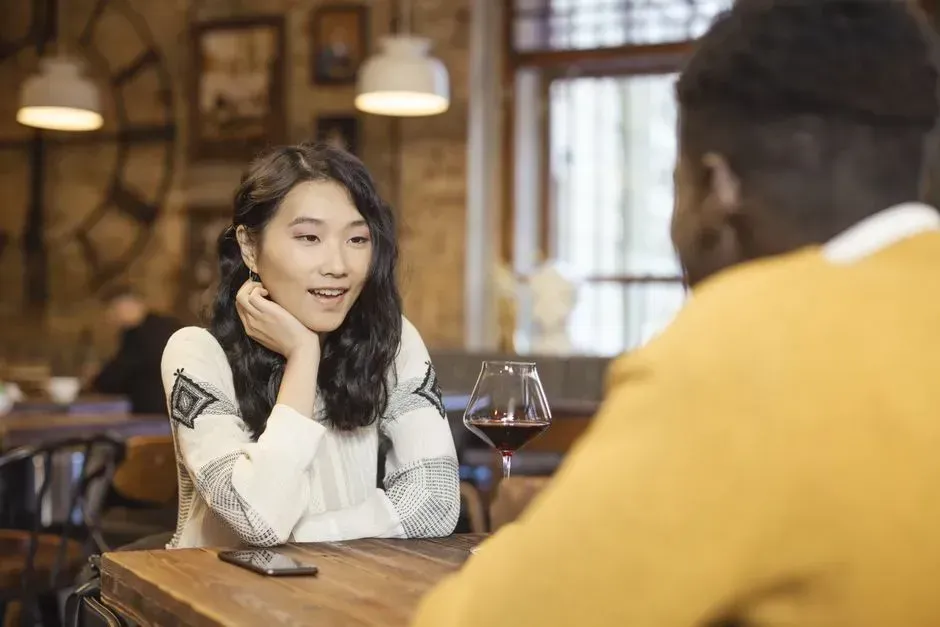
Nerves are real, and reaching for a drink to settle them is common. Still, a Top10.com survey on first-date norms found that a third of daters choose to abstain from drinking wine or beer to loosen up before or during a first meeting.
Skipping the drink, or at least pacing it carefully, keeps judgment and conversation sharper, which matters more on a first date than it might later on. It also signals a kind of self-possession that stands in contrast to relying on alcohol to carry the evening.
Following up honestly instead of disappearing
Following up honestly instead of disappearing (Image Credits: Unsplash)
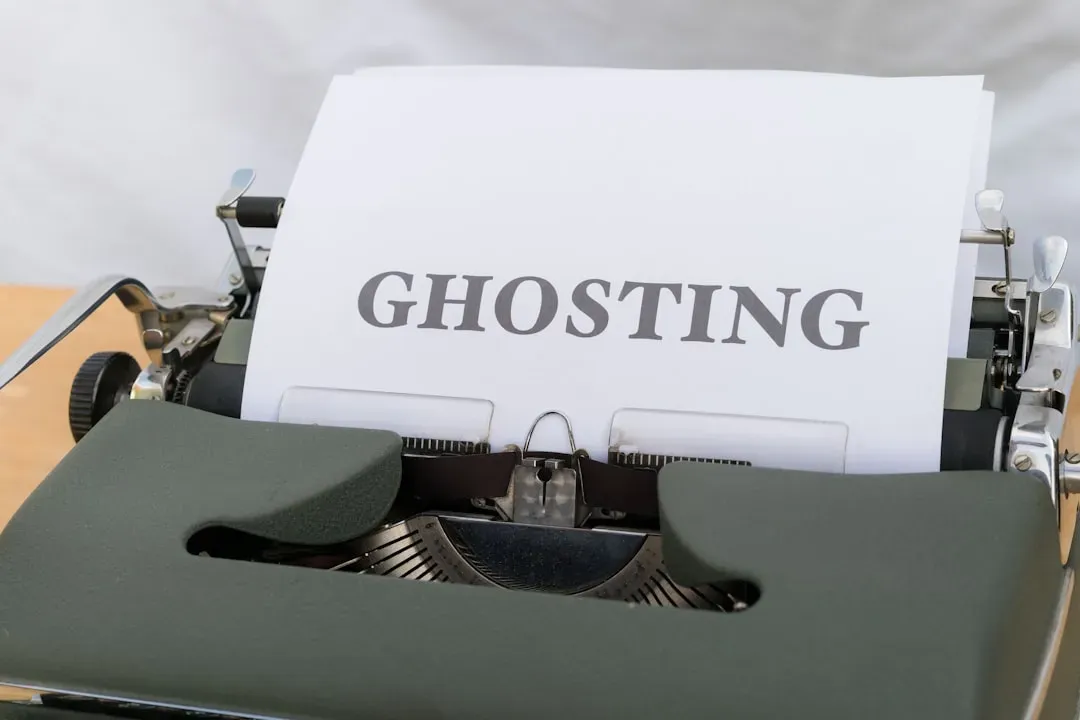
What happens after the date often matters as much as the date itself. Forbes Health’s review of dating research points to a widely cited finding that ghosting impacts roughly seventy-six percent of people who are dating, making it one of the most common complaints in modern dating.
A brief, honest message afterward, even a simple one saying there wasn’t a romantic spark, is rare enough to be memorable in the right way. Given how normalized silent disappearance has become, a short and respectful follow-up message puts someone in a small, appreciated minority almost by default.