
Dating in 2026 comes with a strange contradiction. People are more fluent than ever in therapy language, attachment theory, and self-help jargon, yet the actual warning signs in relationships seem harder to spot than they used to be. So I decided to run an experiment: feed ChatGPT the latest research, survey data, and behavioral patterns from dating experts, then ask it to rank which red flags carry the most real-world risk right now.
What came back wasn’t a list of clichés like “he’s rude to waiters” or “she still talks about her ex.” Some of those classics made the cut, but the ranking leaned heavily on financial exploitation, digital manipulation, and a handful of subtler behaviors that current data suggests are doing the most damage to singles today. Here’s how it broke down.
1. Love bombing that escalates into control
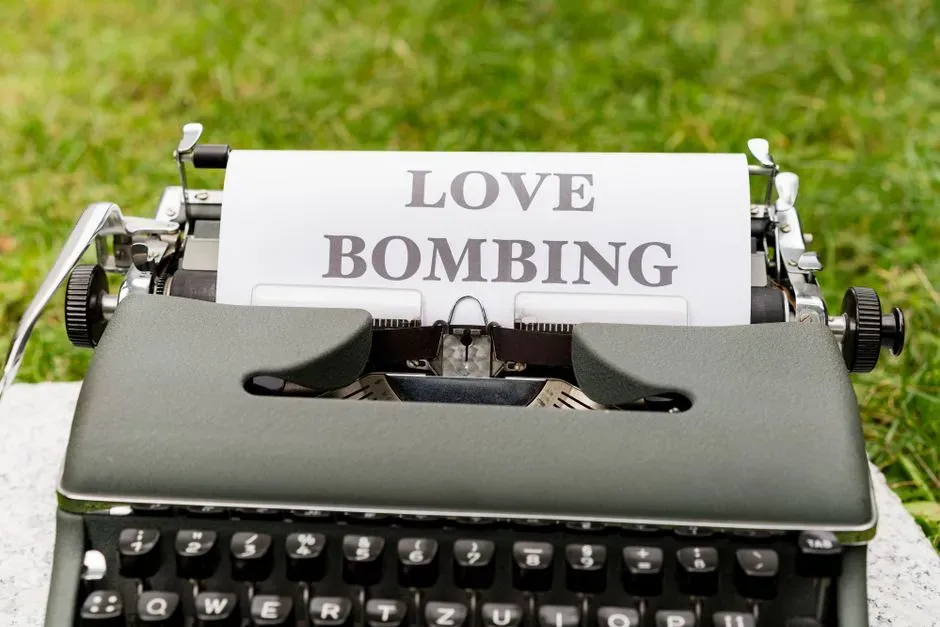
1. Love bombing that escalates into control (Image Credits: Pexels)
Love bombing tops most modern red flag lists for a reason: it works by design. It’s a form of emotional abuse where someone showers a new partner with excessive attention, affection, compliments, and gifts to create an intense emotional bond and a sense of urgency and dependence, which then paves the way for manipulation once the partner is hooked. The tactic often includes isolating the person from friends and family once the dependence takes hold.
What makes this especially risky in 2026 is how often it overlaps with financial exploitation. Merseyside Police in the UK reported that romance fraud reports rose nine percent over the past year, with 9,449 cases reported during the 2024/25 financial year, and a key method employed by fraudsters is love bombing, where victims are showered with overwhelming affection, manipulation, and emotional dominance to establish dependence. Victims in these cases lost an average of over eleven thousand pounds each, a reminder that emotional manipulation and financial harm frequently travel together.
2. Hidden bank accounts and financial secrecy

2. Hidden bank accounts and financial secrecy (Image Credits: Unsplash)
Money secrecy ranked surprisingly high in the model’s output, and the data backs it up. A Bankrate study found that two in five people in a committed relationship have committed financial infidelity, with the most common form being spending beyond what a partner would be comfortable with, followed by secret debt or hidden credit cards. This isn’t a rare occurrence tucked away in outlier households; it’s a mainstream pattern among couples who live together or are married.
Perhaps more telling is how seriously people now weigh this kind of dishonesty. A separate Bankrate survey found that more than two in five U.S. adults believe keeping financial secrets is at least as bad as physical infidelity. That shift in perception matters. Financial secrecy used to be treated as a private quirk; now it’s being judged with the same weight as an affair.
3. Constant, unresolved ex-talk

3. Constant, unresolved ex-talk (Image Credits: Unsplash)
This one has always been a dating red flag, but the numbers on how quickly it kills attraction are striking. A recent study found that 63% of singles say repeatedly bringing up an ex ends the date on the spot. That’s not a slow fade of interest; it’s an immediate exit.
The concern isn’t a single mention of a past relationship, which is normal and even healthy in small doses. The real signal is repetition, especially when it comes with unresolved anger, comparison, or lingering emotional entanglement. Singles today appear far less patient with that pattern than previous generations, treating it as evidence that someone isn’t actually available.
4. Breadcrumbing and permanent situationships

4. Breadcrumbing and permanent situationships (Image Credits: Unsplash)
The situationship isn’t new, but current commentary suggests it has evolved into something more entrenched. Recent dating analysis notes that in 2026, situationship isn’t a phase, it’s a lifestyle category, with many people claiming labels are restrictive, old fashioned, or unnecessary. The framing sounds progressive, but it often just delays the honest conversation both people need.
Breadcrumbing, the practice of sending just enough attention to keep someone interested without ever offering real commitment, thrives in this environment. Constant texting and digital contact can create an illusion of closeness that never translates into actual presence or follow-through. The gap between how connected something feels online and how little substance exists in person is exactly what makes this pattern so easy to miss until months have passed.
5. Weaponized therapy language

5. Weaponized therapy language (Image Credits: Pexels)
This is one of the more distinctly 2026 entries on the list. As more people absorb therapy vocabulary through social media, some have learned to use it defensively rather than constructively. One dating analysis observed that some people now use therapy vocabulary as armor instead of accountability, and while self-awareness is healthy, weaponized psychology is not.
The distinction matters. Someone who says “I’m working on my avoidant attachment” while actually changing their behavior is doing the work. Someone who says the same phrase to dismiss a partner’s valid concern is doing something else entirely. As the same analysis put it, when therapy-speak is used to dismiss concerns rather than address them, it’s not growth, it’s avoidance dressed up as maturity.
6. Refusing to define the relationship despite months together

6. Refusing to define the relationship despite months together (Image Credits: Unsplash)
Vagueness about status and intentions has always been a minor irritation in dating, but it’s climbing the risk ladder as ambiguity becomes normalized. Matchmaking research frames the underlying issue clearly: chemistry decides who you notice, but character decides who you keep, and consistency between someone’s words and their actions is often the clearest marker of that character.
The same source notes that inconsistency, vagueness, secrecy, and constant ex-talk are really variations on a single underlying problem rather than separate issues. When someone can’t or won’t answer a direct question about where things stand after a reasonable amount of time, that reluctance tends to say more than the answer itself would have.
7. How they treat people who can't do anything for them

7. How they treat people who can't do anything for them (Image Credits: Pexels)
This entry has been a folk wisdom staple for years, and it held up well when tested against current data. Behavioral researchers point to it as a consistent early warning sign: rudeness to staff shows how they’ll eventually treat you, since how someone treats a waiter often previews the treatment a partner will eventually receive.
The logic is straightforward. Politeness toward a date is easy; it’s performative, low stakes, and expected. Politeness toward a stranger who has nothing to offer in return is a better gauge of someone’s actual baseline behavior, since there’s no incentive attached to it beyond basic decency.
8. Unexpected payment requests after a date
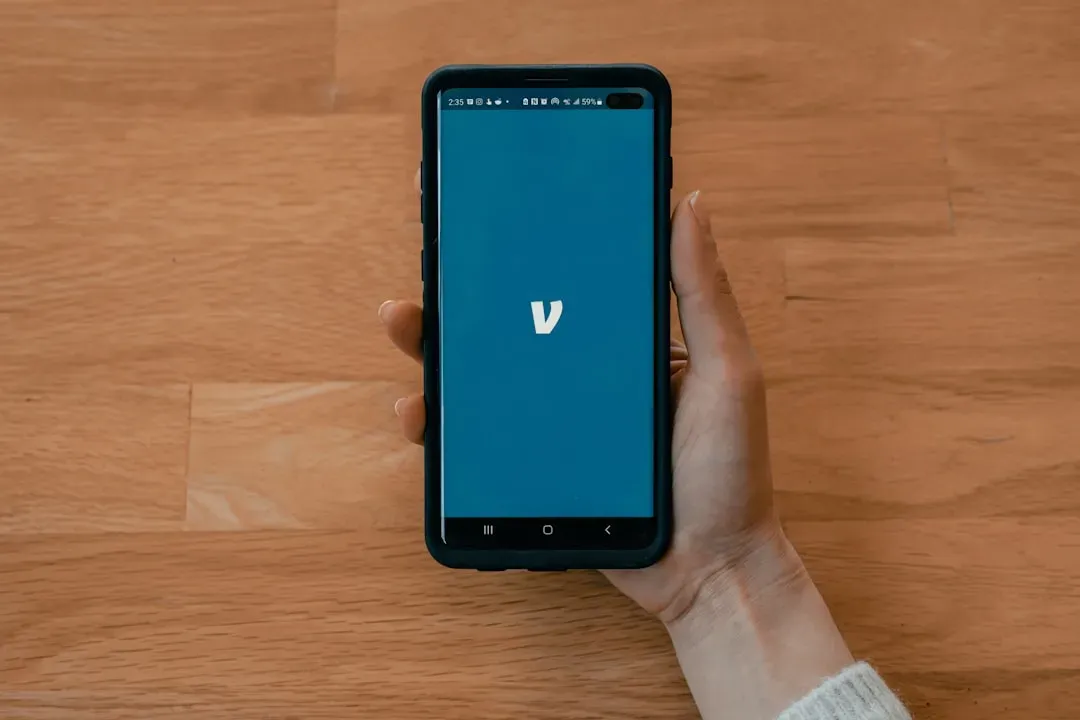
8. Unexpected payment requests after a date (Image Credits: Unsplash)
This might be the most specific and surprising item on the ranking, but the data is unambiguous. A 2026 study found that 61% of singles say requesting Venmo or Cash App payment after a date, without talking about it first, is a major red flag. It’s not really about who pays for dinner.
As one analysis of the survey put it, a surprise payment request feels transactional, not romantic, and for many that’s an immediate vibe killer. The issue is the lack of communication beforehand, which turns a minor logistical detail into a signal about how someone handles money and expectations more broadly.
9. Financial instability paired with emotional withdrawal

9. Financial instability paired with emotional withdrawal (Image Credits: Pexels)
Money concerns aren’t just about secrecy; they’re also about how people react to financial stress within a relationship. A Harris Poll survey of over two thousand U.S. adults found that 74% say financial stability is one of the most attractive traits when dating, and 60% report that practical alignment around money matters more than chemistry in today’s economy.
What raised this item’s risk ranking wasn’t instability alone, since job loss and financial setbacks happen to almost everyone at some point. The concerning pattern is the emotional response to it. Related survey data found that a notable share of people become emotionally closed off specifically when unemployed, which can compound financial stress with communication breakdowns at exactly the moment a couple needs to be working together.
10. Relationships treated like a public image project

10. Relationships treated like a public image project (By Adam Jones, Ph.D., <a href="https://commons.wikimedia.org/w/index.php?curid=29840844" target="_blank" rel="noopener">CC BY-SA 3.0</a>)
The final entry reflects how deeply social media has reshaped modern courtship. One 2026 dating analysis described a pattern where someone becomes more concerned about how a relationship fits their lifestyle image than how their partner actually feels, noting that a relationship is not a PR campaign, and if it feels like one, that’s the red flag.
This shows up in curated “soft launches,” strategic posting timed for maximum effect, and a general sense that the relationship exists partly for an audience. It’s a quieter red flag than financial secrecy or love bombing, but it points to the same underlying issue: a partner more focused on perception than on the actual person in front of them.
Final thoughts

Final thoughts (Image Credits: Pixabay)
None of these red flags are entirely new inventions of 2026. What has changed is the scale and speed at which they show up, largely thanks to dating apps, social media performance, and financial pressures that make money-related dishonesty more tempting than ever. The AI-generated ranking didn’t uncover secret knowledge so much as it organized existing research into a clearer hierarchy of risk.
The most useful takeaway isn’t any single item on the list. It’s the pattern connecting nearly all of them: a gap between what someone says and what they actually do, repeated often enough to stop looking like an accident.