
Becoming a parent tends to bring the same mix of joy and exhaustion no matter where you live, but the practical experience of those first months looks wildly different depending on your address. In some places, a new mother or father can expect a full year of paid leave, heavily subsidized childcare, and a government that treats family formation as a shared public responsibility rather than a private problem to solve alone.
That gap between countries is not shrinking. If anything, recent policy shifts in 2025 and 2026 have widened it further, with some governments doubling down on generous benefits while others, including the United States, remain notable outliers with no federally mandated paid leave at all. The eight countries below stand out for how consistently parents describe feeling supported, backed by concrete data on leave length, pay, and public investment in family life.
1. Sweden
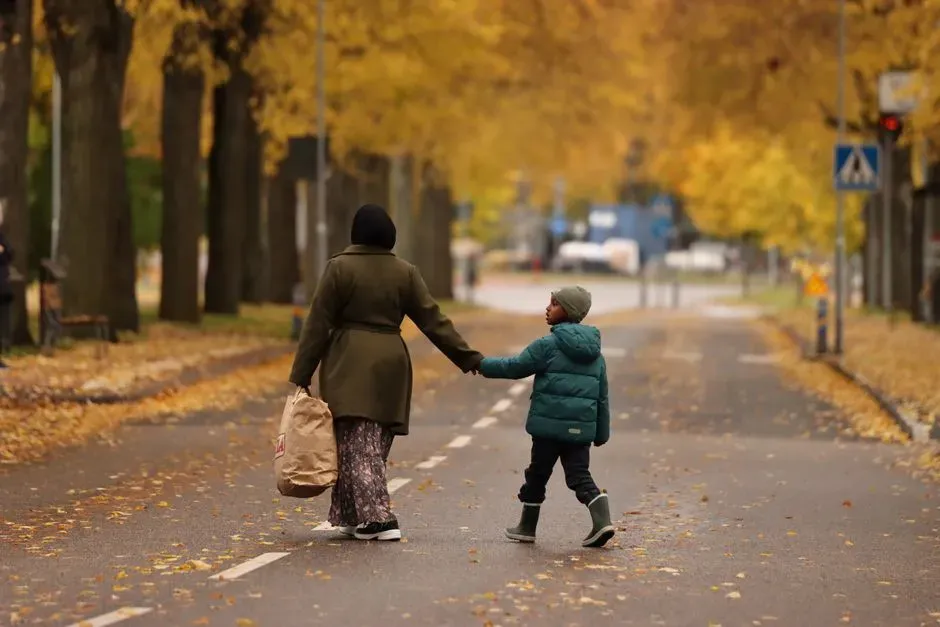
1. Sweden (Image Credits: Pexels)
Sweden's parental leave system is often held up as the global benchmark, and the numbers back that reputation up. Parents in Sweden are entitled to 480 days of paid parental leave per child, with an additional 180 days per child in cases of multiple births, and each parent has 90 days exclusively reserved for them while the remaining 300 days can be shared. That structure nudges fathers to actually use their share rather than defaulting to the mother taking everything.
The pay itself is not symbolic either. For the first 390 days of leave, parents are paid approximately 80% of their salary up to a ceiling, and for the remaining 90 days a lower flat rate applies, with parents with low or no income receiving a minimum guaranteed amount. On top of that, leave can be taken as a continuous period or split into parts until the child turns 12, and parents also have the option to reduce their working hours through partial leave. That flexibility is a big part of why Swedish parents so often describe the system as workable rather than theoretical.
2. Iceland

2. Iceland (Image Credits: Unsplash)
Iceland has spent the last two and a half decades refining what is widely considered one of the most gender-balanced leave systems anywhere. Iceland offers one of the most generous parental leave systems in the world, and since the 2021 reform under Act No. 144/2020, total leave runs to 12 months per family. Each parent has an independent entitlement to six months, either parent may transfer up to six weeks of their entitlement to the other, and each parent retains at least approximately four and a half months that cannot be transferred on a use it or lose it basis.
Pay is also solid rather than symbolic. Payment sits at 80% of average total salary, capped at ISK 900,000 per month for 2026, up from ISK 800,000 in 2025, a figure set by a March 2024 tripartite agreement. Iceland recently went further still. New legislation offers six extra months of leave for each additional child born, meaning parents of twins can claim a full year of leave while those welcoming triplets may take up to 18 months. Few countries adjust so directly for the practical reality that multiples mean more work, not just more paperwork.
3. Estonia
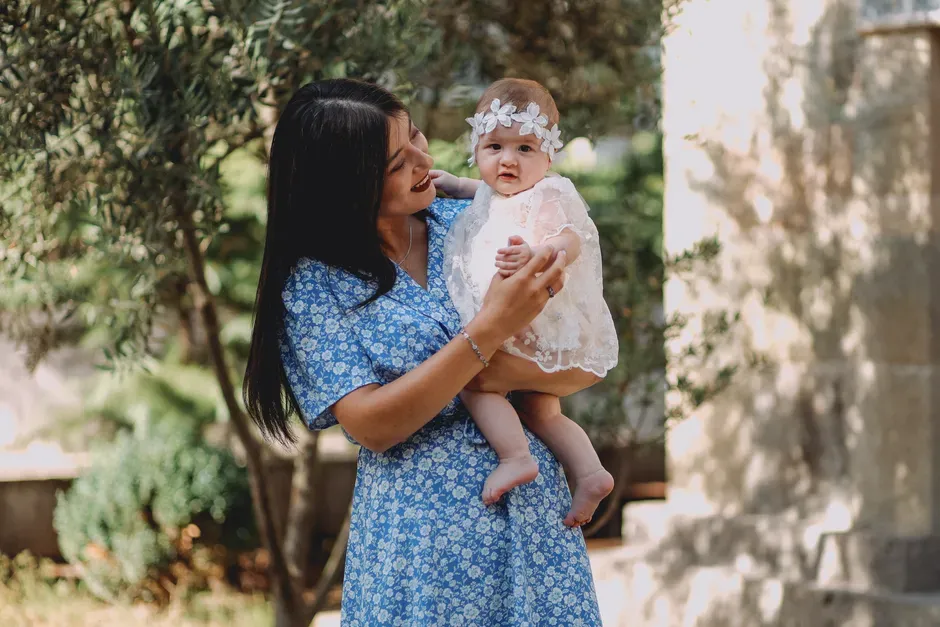
3. Estonia (Image Credits: Pexels)
Estonia rarely gets the international attention that Scandinavia does, but by sheer duration it may lead the entire world. Estonia currently leads the world in maternity leave benefits, offering up to 82 weeks of paid maternity and parental leave combined, with parents receiving 100% salary replacement for the first 20 weeks. That is well over a year and a half of income protection tied to a single birth.
The system does not stop there either. The parental benefit is paid at the amount of 100% of average earnings for 435 days, and together the maternity benefit and parental benefit are paid for a period of 575 days, roughly one and a half years. Estonia backs this with an even longer runway for actual childcare leave. Employees in Estonia can also benefit from up to 475 days of parental leave, shared between the two parents and usable at any time before the child's third birthday. It is a system built on the premise that early childhood support should not run out just because the calendar hits a year.
4. Norway

4. Norway (Image Credits: Pexels)
Norway gives new parents a genuine choice rather than a single fixed formula, which many families say makes the leave feel less like a bureaucratic hoop and more like an actual benefit. Fathers in Norway can choose to receive full salary as usual for 15 weeks, or 80% of their usual pay for 19 weeks. That kind of trade off, more money over less time versus less money over more time, lets families decide what fits their own budget.
Beyond the birth itself, Norway extends its safety net well into a child's early years. The base maternity leave in Norway is 35 weeks but can increase to up to 45 weeks depending on the payment option chosen. There is also meaningful support for the inevitable sick days that come with young kids. Parents in Norway are entitled to up to 10 days per year, or 15 days if they have more than two children, of paid leave to care for a sick child under 12, while single parents are entitled to 20 days per year. That last detail matters more than it might seem, since a huge share of early parenting stress comes from unpredictable illness rather than the planned newborn period.
5. Finland
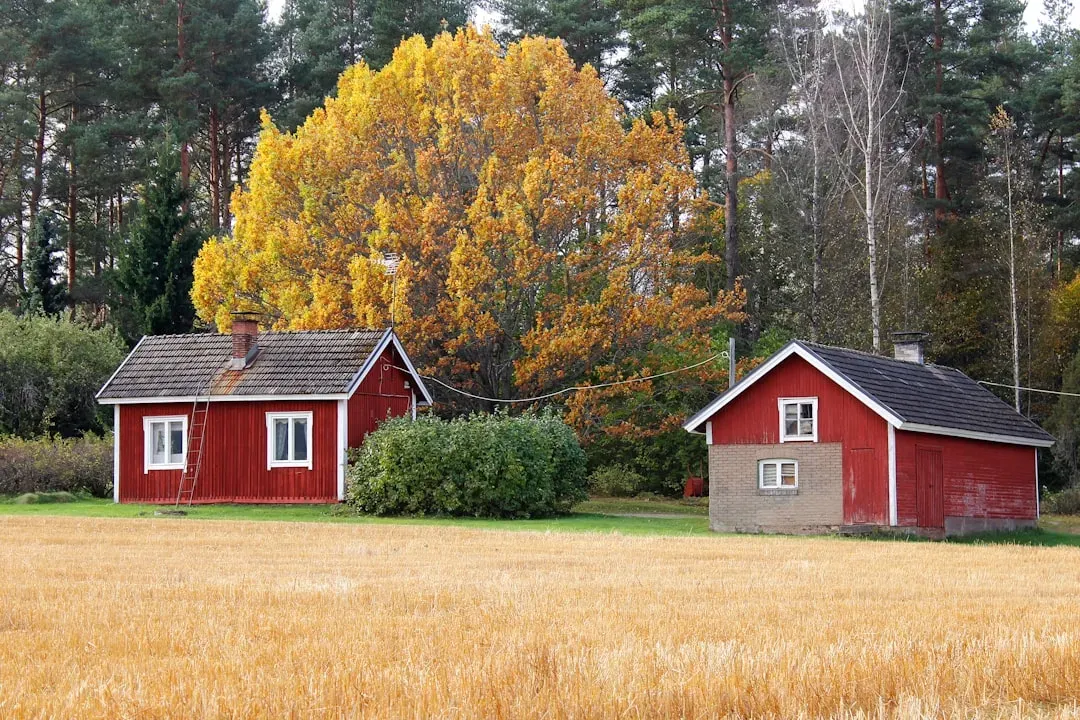
5. Finland (Image Credits: Unsplash)
Finland rewrote its entire approach to parental leave in 2021, and the change was not cosmetic. Starting in 2021, Finland gave all parents leave regardless of their gender or whether they are a child's biological parents, and under the new law each parent is given 160 days, or about seven months. That gender neutral framing matters for the growing number of same sex and blended families raising children in the country.
The pay structure is designed to soften the transition rather than create a cliff edge. The first 16 days are paid at 90% of earnings, and the following days are paid at 70% of income. Finland's broader reputation for family wellbeing does not rest on leave policy alone, though. Finland is frequently celebrated as one of the happiest countries and an incredible place to raise a family, with a reputation built on exceptional safety, first rate public education, and a deep commitment to wellbeing, alongside its generous parental leave. Parents there tend to describe the leave system as one piece of a much larger puzzle that actually fits together.
6. Denmark
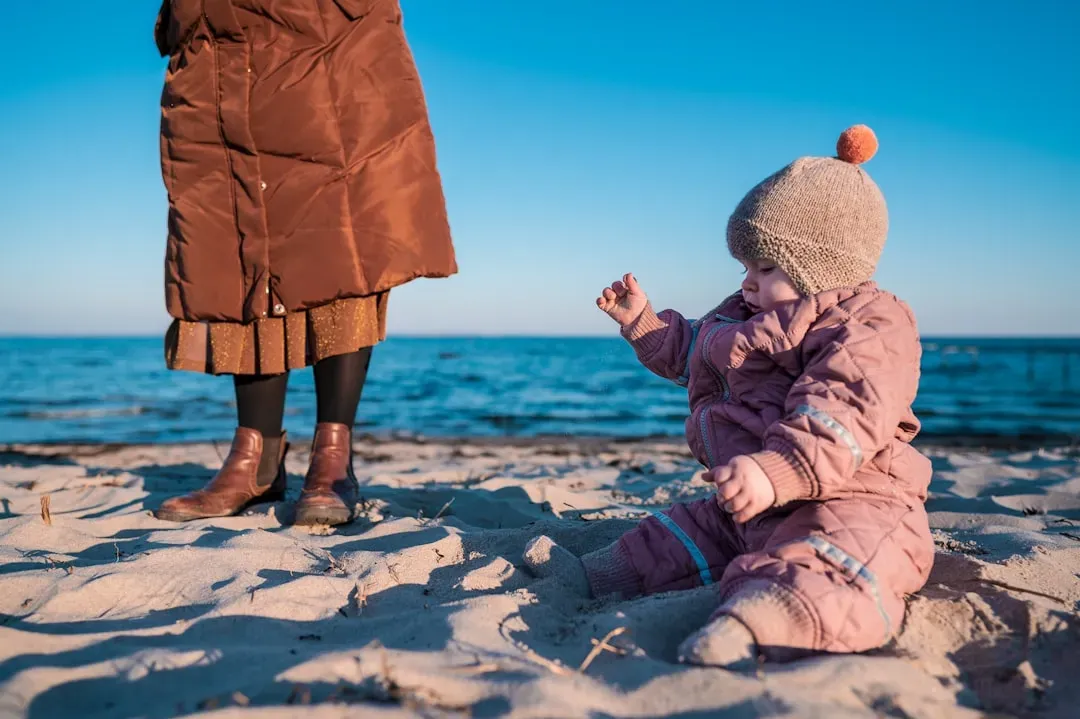
6. Denmark (Image Credits: Unsplash)
Denmark takes a slightly different philosophical approach than its Nordic neighbors, leaning harder into early childcare access rather than pushing leave duration to the absolute maximum. New mothers in Denmark are entitled to four weeks of maternity leave before the birth and 14 weeks after, while fathers get two weeks of paternity leave, followed by an additional 32 weeks of parental leave to be shared between the parents. That shared block gives families room to negotiate who stays home and when.
Denmark's real strength has historically been in what happens after leave ends. Denmark for many years took the lead in the provision of early childhood education and care for the youngest age group, though take up rates have dropped in recent years for children aged zero to two, from 66% in 2015 to 54% in 2021. That decline is worth watching, but Denmark still enters parenthood conversations with a level of institutional childcare infrastructure that many countries simply do not have. Recent EU pressure has also pushed change. Gender equality in parental leave use has in recent years mainly gained political focus in Denmark as a consequence of the 2022 EU Directive on parental leave, which obliged member states to introduce leave quotas.
7. Bulgaria

7. Bulgaria (Image Credits: Pexels)
Bulgaria is something of a surprise entry on most people's mental map of family friendly countries, yet the raw numbers are hard to beat. Bulgaria is the country with the best maternity leave in the world, offering new parents an incredible 410 days of paid time off. That is over 13 months, almost entirely covered before a parent has to think about returning to work.
The pay rate during that stretch is also unusually strong for the region. Bulgaria covers 90% of the employee's salary during that leave period. For a country with a lower average income than Western Europe, that combination of duration and wage replacement represents a genuinely significant public commitment, and it is one reason Eastern European nations increasingly appear alongside Scandinavia in serious comparisons of parental support rather than being dismissed as an afterthought.
8. Japan
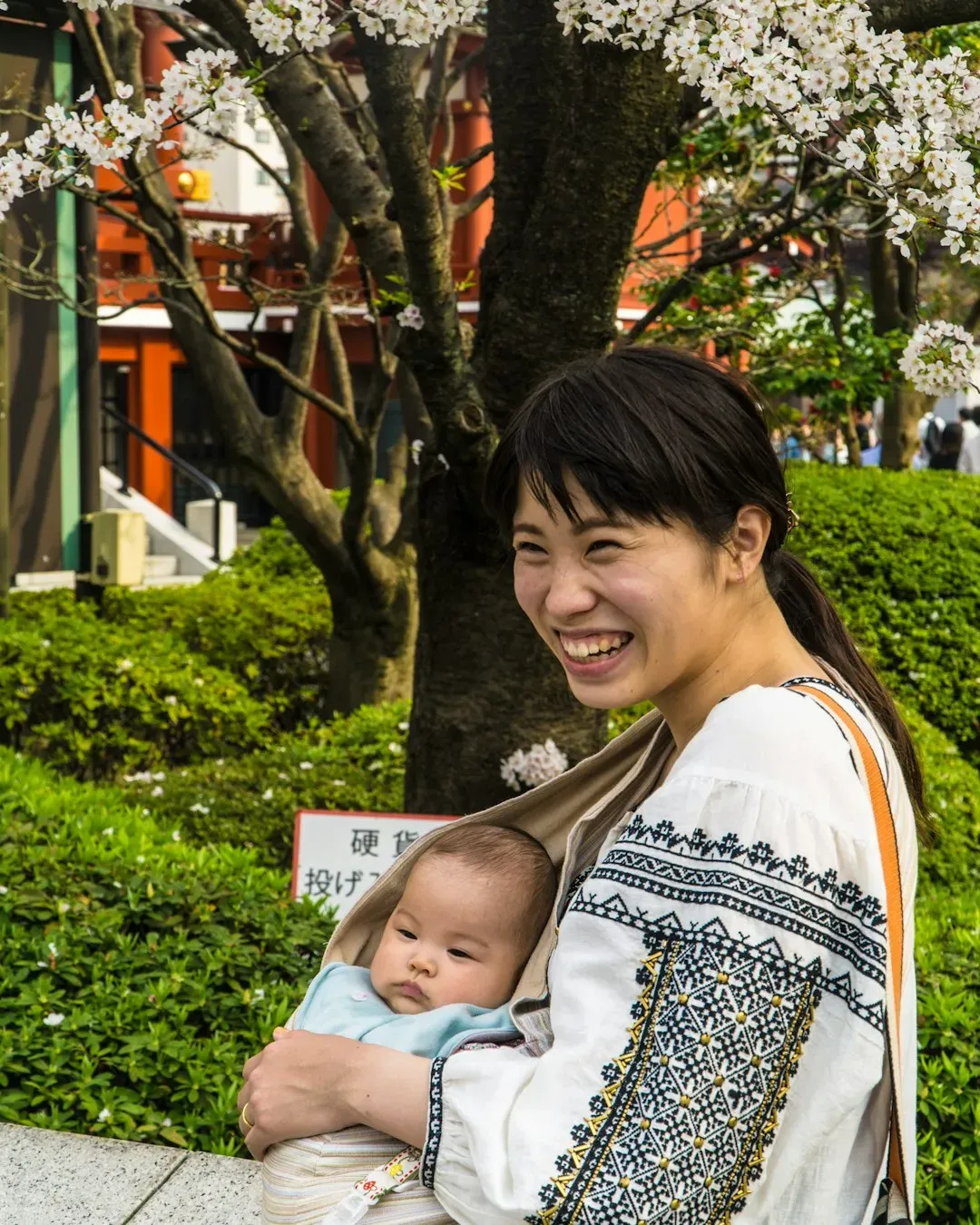
8. Japan (Image Credits: Unsplash)
Japan does not top duration rankings the way Estonia or Bulgaria do, but 2026 marks a genuine turning point in how the country funds early parenthood. From fiscal year 2026, the government aims to make standard childbirth effectively free, eliminating out of pocket costs that have climbed steadily for over a decade. Currently parents receive a lump sum childbirth and childcare allowance of 500,000 yen, which often does not cover the entire cost of delivery, as the national average has climbed from around 417,000 yen in 2012 to more than 518,000 yen in 2024.
Japan is also pairing that reform with broader structural change. The country will roll out a nationwide childcare access system in fiscal year 2026 offering temporary care, group childcare, and parent child support services for infants and toddlers in households not currently using formal childcare facilities. On the leave side, cultural change is visible in the data too. The male parental leave acquisition rate reached a record 40.5% according to the FY2024 Basic Survey on Equal Employment. That figure was in the single digits not long ago, so the shift signals a real change in how Japanese fathers are expected, and choosing, to participate.
These eight countries do not follow one single formula. Some lean on sheer length of leave, others on wage replacement, and a few, like Japan, are still mid transformation rather than finished products. What they share is a policy environment where the arrival of a child triggers a coordinated public response rather than leaving families to sort it out through savings, luck, or employer goodwill alone.