
Moving into a new neighborhood used to mean casseroles and awkward introductions over a fence. These days, especially in dense urban blocks, the welcome looks different but it still exists in small, practical gestures. Longtime residents often extend little courtesies to newcomers without much fanfare, and those quiet accommodations can shape how quickly someone feels at home.
1. A heads-up about the noisy trash pickup schedule
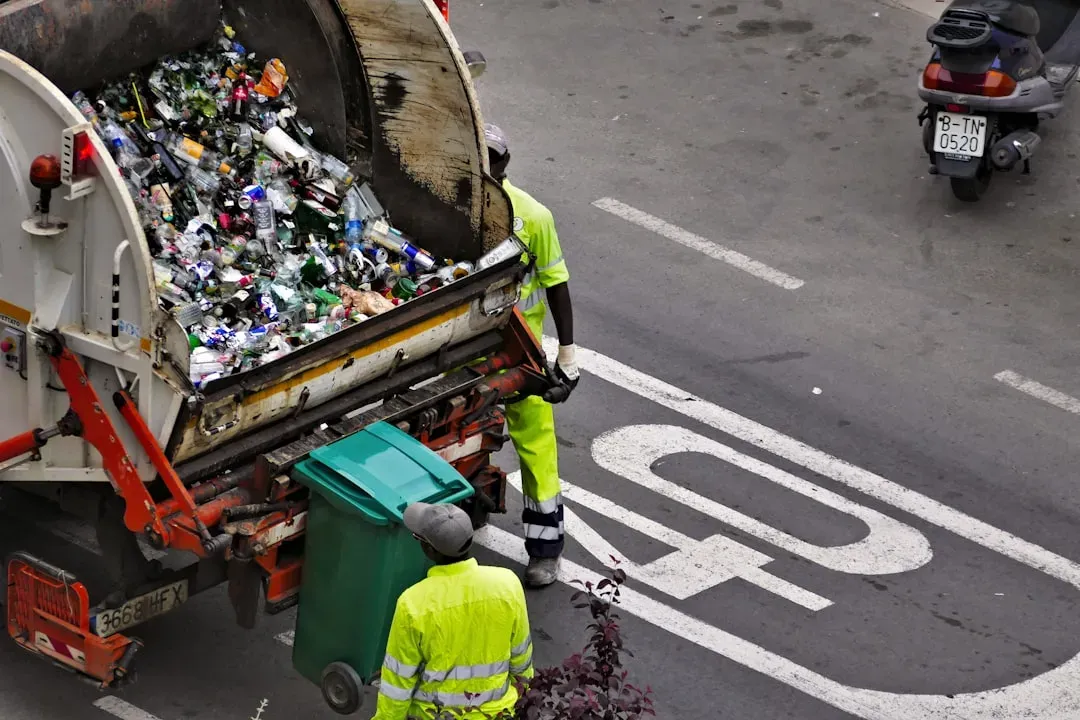
1. A heads-up about the noisy trash pickup schedule (Image Credits: Unsplash)
Established residents frequently tip off new arrivals about which day the recycling truck actually shows up, since municipal calendars posted online do not always match reality on the ground. In cities like Chicago or Philadelphia, pickup times can shift by holiday weeks or weather delays, and locals know the pattern better than any city website.
This small favor saves newcomers from missing a collection and having bags pile up on the curb. It also spares them the embarrassment of putting bins out too early or too late, which in some municipalities can actually draw a fine.
2. Letting a new neighbor use their driveway temporarily

2. Letting a new neighbor use their driveway temporarily (Image Credits: Pexels)
Street parking in older urban neighborhoods, particularly in cities with pre-war housing stock like Boston or Brooklyn, can be brutally limited. Longtime residents sometimes offer a spare driveway spot for a week or two while a newcomer figures out permit parking rules or waits for a residential sticker to arrive in the mail.
It is not a permanent arrangement, but it buys time. Parking permit backlogs in many city transportation departments can take two to four weeks to process, so this gesture fills a real gap.
3. Sharing the good number for a plumber or electrician

3. Sharing the good number for a plumber or electrician (Image Credits: Pexels)
Word of mouth still beats online reviews when it comes to trade professionals, especially in cities where licensing boards list hundreds of contractors with little differentiation. Neighbors who have lived on a block for years usually have a short list of reliable people they trust for emergencies.
Passing along that list to someone new protects them from overpriced or unreliable services advertised heavily online. It also reflects a practical form of trust, since a bad plumber can mean real property damage.
4. Overlooking a slightly late lawn mow or unkempt stoop

4. Overlooking a slightly late lawn mow or unkempt stoop (Image Credits: Unsplash)
In many city neighborhoods with strict aesthetic norms, from Charleston's historic districts to parts of Denver with HOA-adjacent expectations, a lawn left too long or a stoop with weeds can draw complaints fast. Yet neighbors often give newcomers a grace period before saying anything, understanding that moving in brings its own chaos.
This patience typically lasts a few weeks to a couple of months. It reflects an unspoken rule that judgment should wait until someone has actually settled in.
5. Quietly watching for suspicious activity around a new house
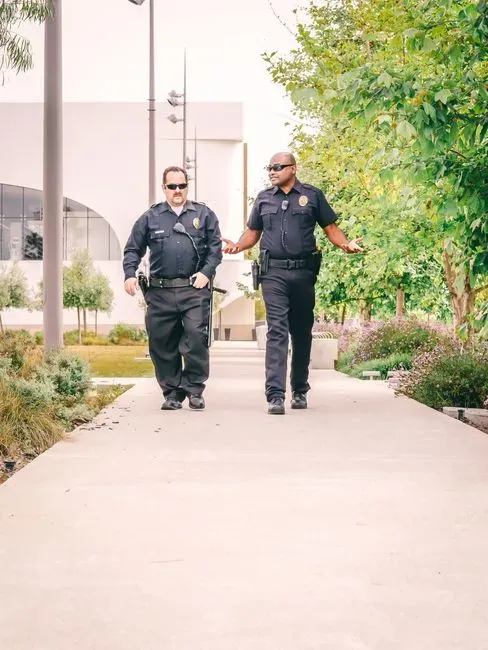
5. Quietly watching for suspicious activity around a new house (Image Credits: Pexels)
Longtime residents on a block often keep a more watchful eye on a new home during the first few months, particularly if the previous owners were known and trusted for years. This is not paranoia so much as habit, since neighbors accustomed to knowing who belongs where tend to notice unfamiliar cars or activity faster.
Community policing research has repeatedly shown that informal neighbor vigilance correlates with lower property crime rates in residential areas. Newcomers benefit from this without ever asking for it, simply by being folded into the existing watch pattern.
6. Sharing the neighborhood group chat or listserv invite

6. Sharing the neighborhood group chat or listserv invite (Image Credits: Pexels)
Platforms like Nextdoor have become dominant in urban and suburban neighborhoods alike, but plenty of blocks still run private group texts or email listservs that predate the app. Existing residents often extend an invite to newcomers within the first month, giving them access to information the official channels never carry.
These groups tend to cover things like which contractor is currently overbilling people or when a street will be closed for construction. Being looped in early helps newcomers avoid being the only ones caught off guard.
7. Explaining unwritten rules about shared walls or fences
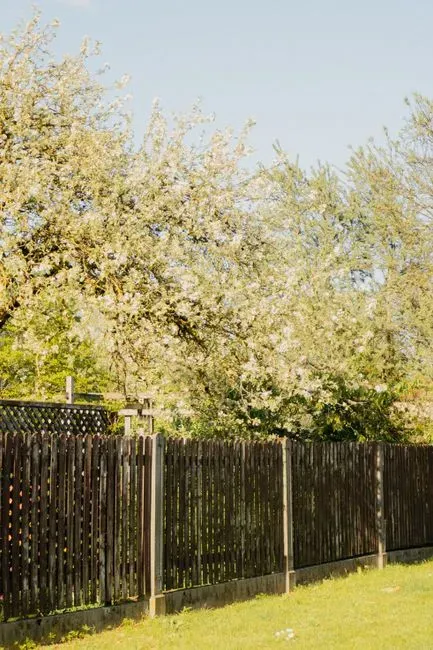
7. Explaining unwritten rules about shared walls or fences (Image Credits: Pexels)
Rowhouses and townhomes in cities like Baltimore or Washington, D.C. often come with shared walls, and the etiquette around noise, shared repairs, or fence maintenance is rarely written down anywhere. Neighbors typically walk newcomers through these unspoken agreements early on, partly out of self-interest and partly out of genuine helpfulness.
This might include who traditionally pays for fence repairs on a shared property line or what time noise becomes a problem on weeknights. Skipping this conversation tends to cause friction later, so most experienced residents raise it proactively.
8. Letting kids play across yard lines without complaint
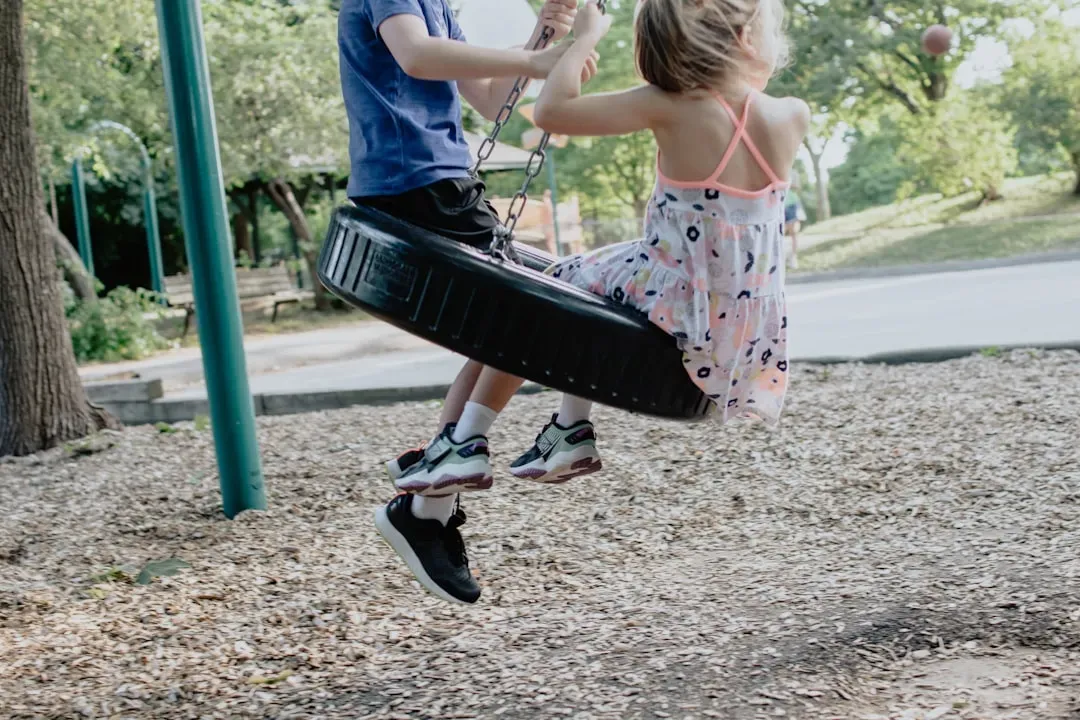
8. Letting kids play across yard lines without complaint (Image Credits: Unsplash)
In many suburban and even some urban neighborhoods with small yards, children naturally wander across property lines while playing, and this can be a sensitive issue for property-conscious homeowners. Established families with kids of their own often extend a relaxed attitude toward this once a new family with children moves in, treating it as normal rather than trespassing.
This tolerance usually depends on some reciprocity, meaning the newcomers are expected to extend the same courtesy eventually. It is a small thing, but it can determine whether children from different households actually become friends.
9. Passing along seasonal decorations or plants nobody wants
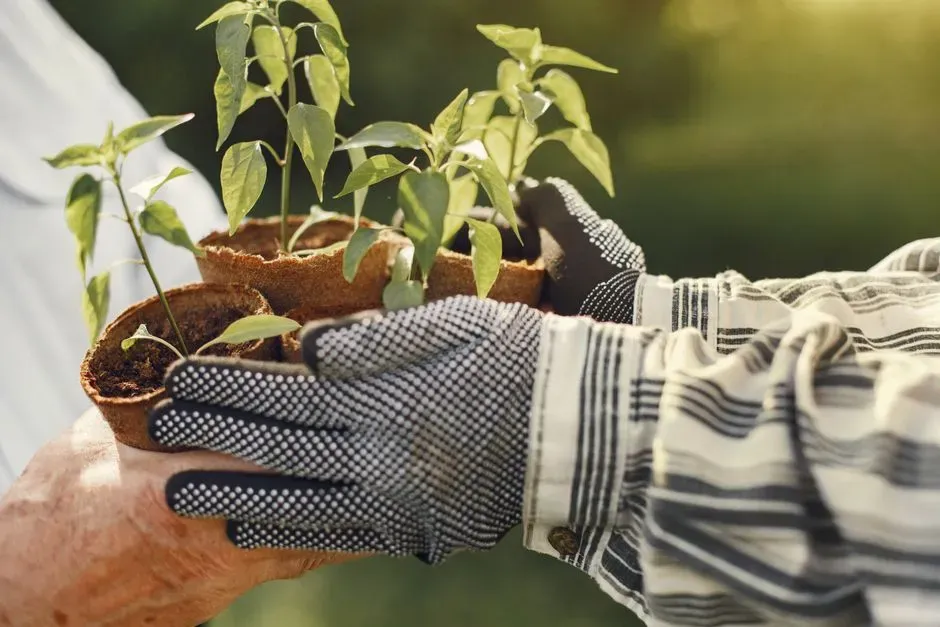
9. Passing along seasonal decorations or plants nobody wants (Image Credits: Pexels)
Long-term residents doing a garden cleanup or attic purge sometimes offer extra plants, holiday decorations, or leftover paint to newcomers rather than throwing them out. This happens more in older, established neighborhoods where people have accumulated decades of household surplus.
It is a low-cost gesture but a meaningful one, since it signals that the newcomer is already being thought of as part of the block. Perennial plants divided from an existing garden, in particular, are a common and practical welcome gift in many parts of the country.
10. Tolerating moving trucks blocking the street longer than usual
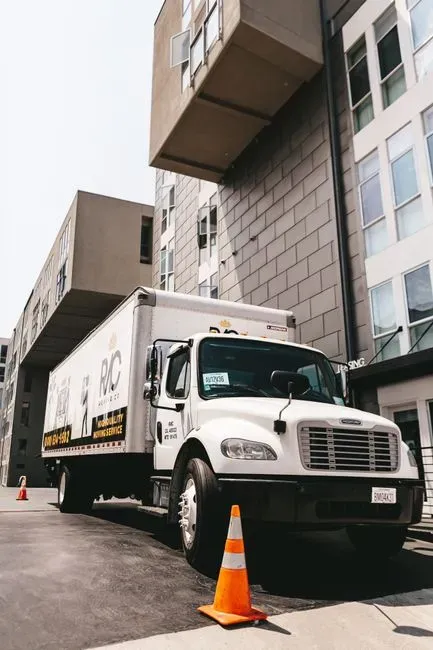
10. Tolerating moving trucks blocking the street longer than usual (Image Credits: Pexels)
Move-in day in a dense city block, whether in San Francisco or Chicago, often means a moving truck occupying street parking for hours, sometimes blocking a driveway temporarily. Most neighbors accept this without complaint, recognizing it as a one-time inconvenience rather than a pattern.
Some cities require moving permits for double-parked trucks on certain blocks, and neighbors who know this sometimes help newcomers navigate the paperwork rather than reporting the truck. This small patience avoids turning a stressful day into a confrontational one.
11. Introducing newcomers to the best informal parking spots

11. Introducing newcomers to the best informal parking spots (Image Credits: Unsplash)
Beyond formal permits, many urban blocks have informal parking wisdom, like which spots flood after heavy rain or which corner draws frequent tickets due to street cleaning schedules. Neighbors often share this kind of practical, hyperlocal knowledge that no city map would ever include.
This kind of tip can save a newcomer from a parking ticket within the first week, which in cities like New York can run over sixty dollars for a single violation depending on the infraction. It is the sort of detail that only comes from lived experience on that specific street.
12. Offering a spare key contact for emergencies

12. Offering a spare key contact for emergencies (Image Credits: Unsplash)
Some established neighbors offer to be the emergency contact who holds a spare key, particularly useful for newcomers who do not yet have local family or close friends nearby. This arrangement typically develops naturally after a few months of friendly interaction, rather than being requested outright.
It reflects a level of trust that often surprises people who assume city neighbors keep more distance than those in small towns. In practice, many urban blocks retain small-town habits even amid larger anonymity.
13. Sharing information about school boundaries and enrollment deadlines
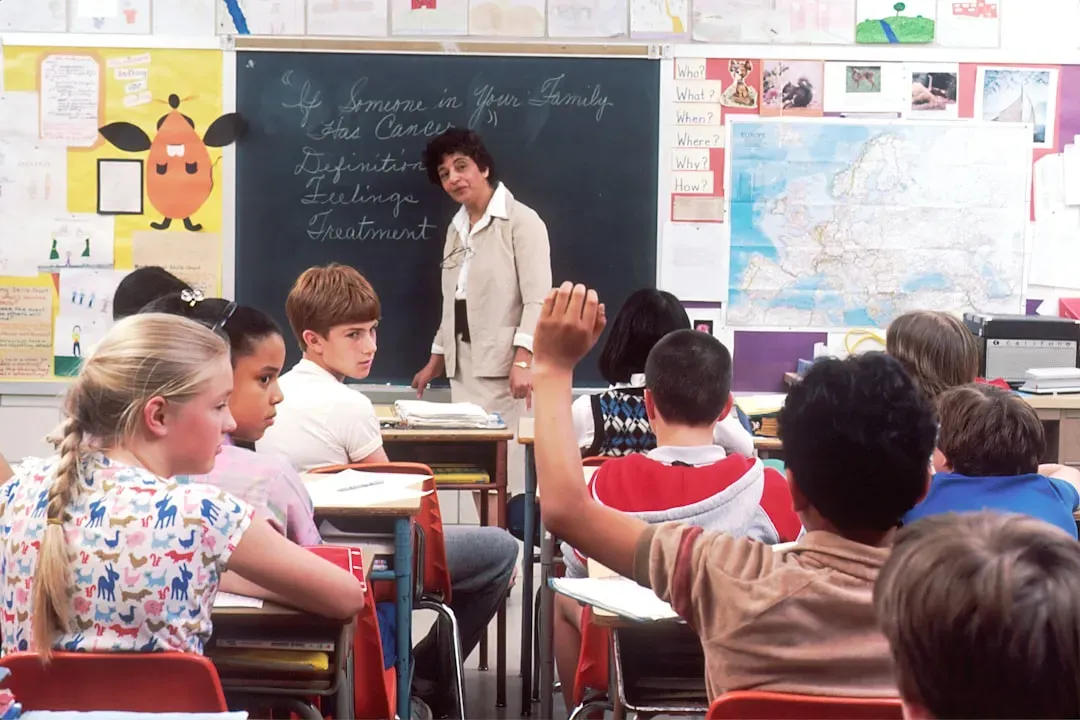
13. Sharing information about school boundaries and enrollment deadlines (Image Credits: Unsplash)
Public school district boundaries can be confusing, and enrollment deadlines vary widely by city and even by specific school within a district. Neighbors with school-age children often walk newcomers through this process, since official district websites can be outdated or unclear about specific address zones.
This kind of guidance matters because missing an enrollment window in some cities can mean a child gets placed on a waitlist for a preferred school. Experienced parents on a block frequently know these deadlines cold, having gone through the process themselves.
14. Letting a slightly overgrown hedge or fence issue slide during the adjustment period

14. Letting a slightly overgrown hedge or fence issue slide during the adjustment period (Image Credits: Unsplash)
Similar to lawn care, hedge trimming and fence maintenance disputes are common sources of neighbor tension in dense residential areas. Newcomers unfamiliar with a property's boundary lines or maintenance history often get a pass for the first season while they figure out what belongs to them.
This grace period tends to end once a full year has passed, at which point expectations shift toward standard upkeep. Most disputes over property lines actually arise after this initial adjustment period has ended, not during it.
15. Recommending which local businesses actually deserve loyalty

15. Recommending which local businesses actually deserve loyalty (Image Credits: Unsplash)
Local restaurants, hardware stores, and dry cleaners rise and fall in reputation over time, and online reviews do not always capture recent changes in ownership or quality. Longtime residents often steer newcomers away from declining businesses and toward reliable ones based on years of firsthand experience.
This kind of guidance can matter more in cities experiencing rapid commercial turnover, where a beloved shop from five years ago might now be under different, less careful management. Word of mouth remains one of the most trusted forms of local information despite the rise of review platforms.
16. Explaining which utility providers are actually reliable

16. Explaining which utility providers are actually reliable (Image Credits: Unsplash)
In cities with multiple competing internet or utility providers, established residents often know which companies have chronic outage issues on that specific block, information that is not obvious from provider marketing or general online reviews. This is especially relevant in neighborhoods with aging infrastructure, where service quality can vary block by block even within the same city.
Sharing this kind of insight helps newcomers avoid a frustrating trial-and-error period with contracts and installation fees. It is a practical courtesy that saves both time and money during an already expensive moving process.
17. Giving newcomers a pass on not knowing local customs immediately
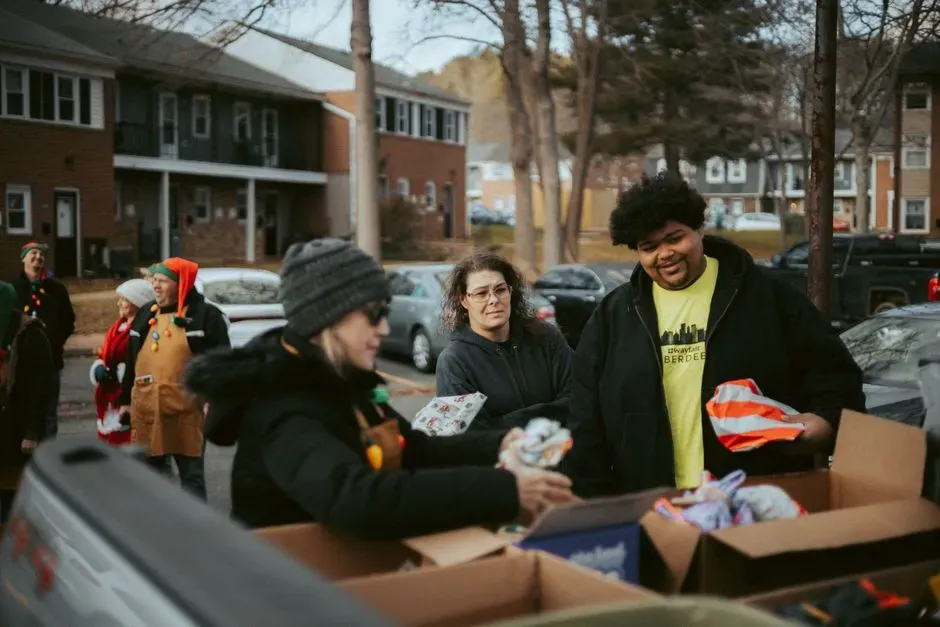
17. Giving newcomers a pass on not knowing local customs immediately (Image Credits: Pexels)
Every neighborhood has small customs, from specific holiday decoration norms to unwritten rules about which side of the street to walk dogs on, and these take time to learn. Most established residents extend patience for social missteps during the first several months, understanding that nobody arrives already knowing the local rhythm.
This grace period is arguably the most important item on this list, since it underlies all the others. It gives newcomers room to make mistakes without being immediately judged as inconsiderate or unaware.
These seventeen gestures rarely get discussed openly, yet they form much of the social infrastructure that makes a new house start to feel like part of a community. None of them require grand effort, but together they explain why some neighborhoods manage to stay welcoming even as cities grow denser and more transient.