
I moved from a city of several million people to a town where the population sign still lists a number with four digits, not six. For the first few weeks, I kept waiting to feel the isolation everyone warns you about. Instead, something slower and more surprising happened. This is the story of how a place I expected to tolerate became one I actually chose to stay in.
The assumptions I packed along with my boxes
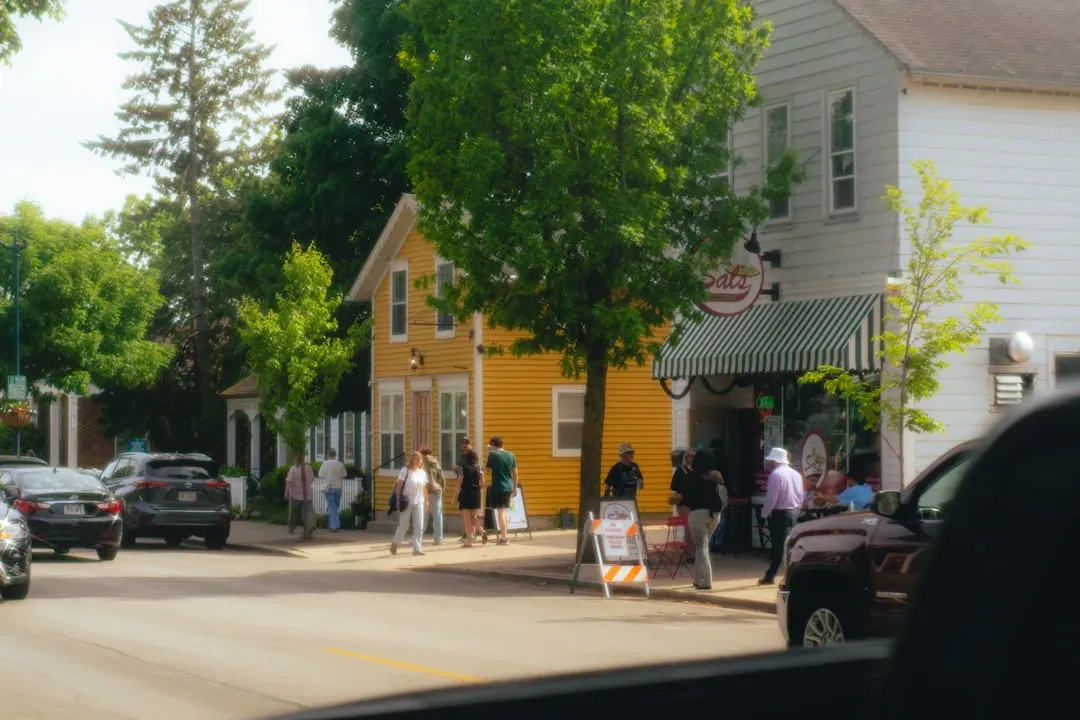
The assumptions I packed along with my boxes (Image Credits: Unsplash)
Before the move, I pictured small-town life as a montage of suspicion and sameness, closed clubs where everyone already knew each other and had no interest in adding one more name to the list. I braced for polite distance at best, and quiet exclusion at worst. Those fears were not entirely irrational. Plenty of research on rural communities documents real skepticism toward newcomers, especially in places that have watched outsiders arrive, drive up costs, and leave a few years later.
What I had not accounted for was timing. I was arriving during a period when small towns across the country were absorbing a wave of new residents, not resisting one. Places with fewer than 30,000 residents went from a net loss of 25,000 people in 2019 to a net gain of more than 125,000 in 2021. That shift meant I was not the town's first newcomer in years. I was one of many, and the community had already started adjusting to that reality before I even signed a lease.
A diner booth became my unofficial office
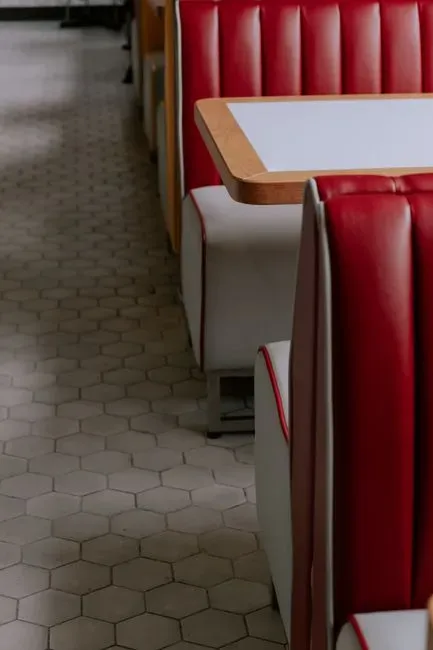
A diner booth became my unofficial office (Image Credits: Pexels)
I did not expect a laminated menu and a bottomless coffee cup to become part of my daily routine, but the local diner turned into the closest thing I had to a coworking space. Regulars nodded at me before they knew my name, and eventually one of them just started calling me "the new guy with the laptop," which somehow felt like an honor. Within a month, I had a designated stool near the window, and the owner had learned exactly how I take my eggs.
This kind of informal, repeated contact turned out to matter more than any single grand gesture of welcome. Sociologists studying small-town cohesion often point to these low-stakes, recurring interactions as the real glue of community life, more so than organized events. It is not that anyone made a speech about inclusion. It is that showing up in the same booth three mornings a week quietly did the work instead.
The volunteer fire department taught me what belonging means

The volunteer fire department taught me what belonging means (Image Credits: Pexels)
A neighbor mentioned that the volunteer fire department was short-staffed, and I signed up mostly out of curiosity rather than any deep calling. What I found was a room full of people who ranged from teenagers to retirees, all showing up because someone had to, and that someone might as well be them. Nobody asked how long I had lived there before handing me a task.
Volunteering in America has actually been climbing back toward pre-pandemic levels in recent years. Data from the U.S. Census Bureau and AmeriCorps found over 75.7 million people in the U.S. formally volunteered between September 2022 and September 2023, or 28.3% of the population aged 16 and older. In a small town, that kind of participation is not an abstract statistic. It is the difference between a fire truck being staffed on a Tuesday afternoon or not.
Neighbors who show up without being asked
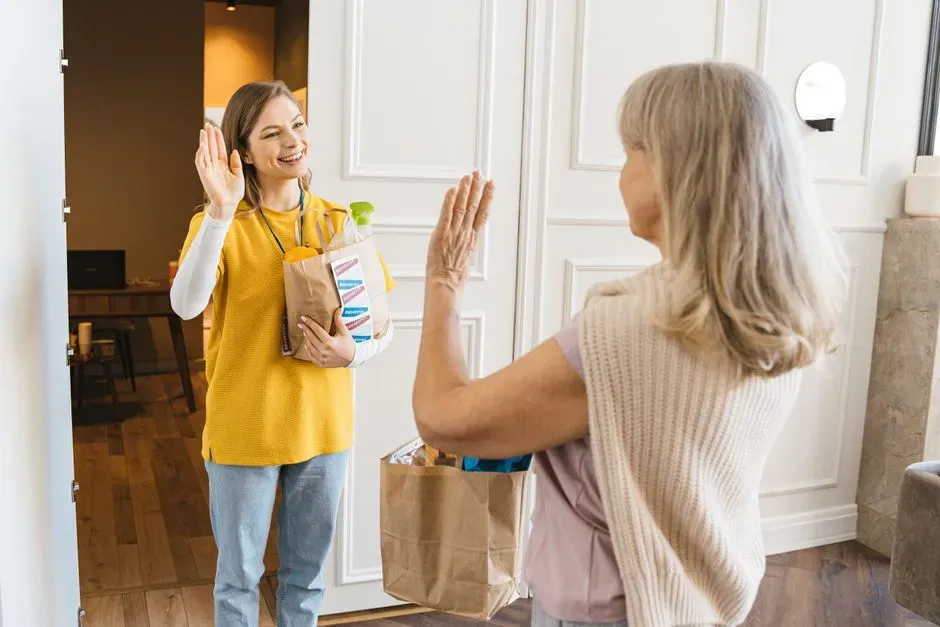
Neighbors who show up without being asked (Image Credits: Pexels)
The first time my car would not start in the driveway, three separate neighbors offered jumper cables before I had even finished swearing at the ignition. This was not coordinated. It was just how people there seemed wired to respond to a stranded car in a driveway. I had lived in apartment buildings before where I did not know the person two doors down, so this took some recalibrating.
What struck me most was how unremarkable this felt to everyone but me. Nobody treated the gesture as noteworthy, which somehow made it more meaningful. It suggested a baseline expectation of mutual aid that had nothing to do with me specifically and everything to do with how the town generally operated.
Small businesses that remembered my name
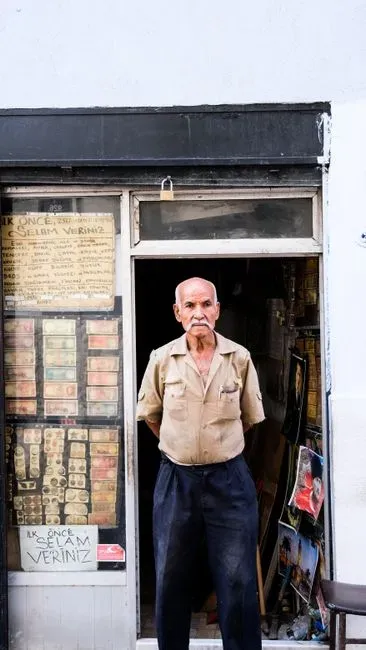
Small businesses that remembered my name (Image Credits: Pexels)
The hardware store owner started setting aside a specific brand of paint he knew I liked after I mentioned it once in passing. The woman at the pharmacy asked about a minor health issue I had brought up weeks earlier, not in a nosy way, but in the way you'd check on a friend. These small acts of memory added up faster than I expected.
Economically, this kind of personal retail relationship is becoming rarer nationally as commerce consolidates into larger chains and online platforms. In a small town, though, the math still favors knowing your customers by name, because there are simply fewer of them and more reason to keep each one. That scarcity, oddly enough, produced a kind of attentiveness that felt almost old-fashioned in a good way.
The local festival that changed my calendar
The local festival that changed my calendar (Image Credits: Pexels)
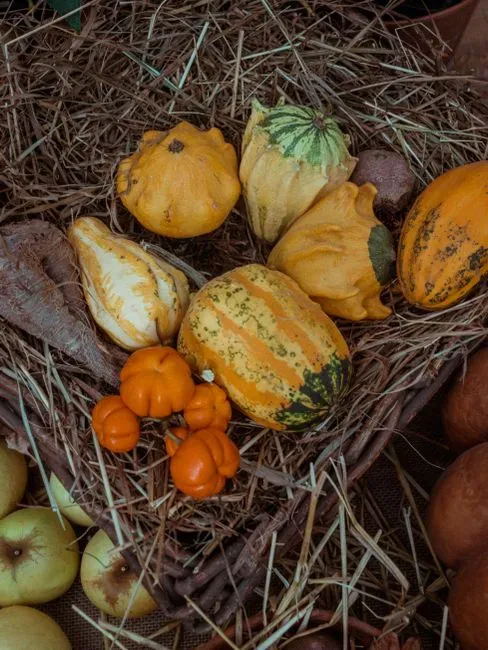
Every town seems to have one event that dominates its yearly rhythm, and mine turned out to be a harvest festival that shuts down Main Street for a weekend each fall. My first year, I attended as a spectator. By my second year, I was helping set up folding tables at six in the morning because someone assumed, correctly, that I would say yes if asked.
These recurring civic events function as more than entertainment. They give a community a shared calendar, a set of inside jokes, and a reason to see the same faces in a different context than usual. Once I had a role in the festival, however small, I stopped feeling like an observer of the town and started feeling like part of its ongoing story.
Remote work made the leap possible in the first place

Remote work made the leap possible in the first place (Image Credits: Unsplash)
None of this would have happened without the flexibility to work from anywhere, and I am far from alone in that. A study by JLL found only 37% of workers over 50 are returning to the office, and only 20% of workers under 30 are going back, with more than 53% of organizations planning to make remote work permanently available. That shift reshaped who could realistically consider a move like mine, and small towns benefited directly from it.
The scale of this movement is larger than anecdote suggests. Census population estimates showed migration rose in small towns and rural counties in 2023, making them the top destination within the U.S., with most of that growth driven by residents aged 25 to 44. I was, statistically speaking, a fairly ordinary example of a much bigger pattern, even if it did not feel that way from inside my own moving truck.
Slower traffic, slower judgments
Slower traffic, slower judgments (Image Credits: Pexels)
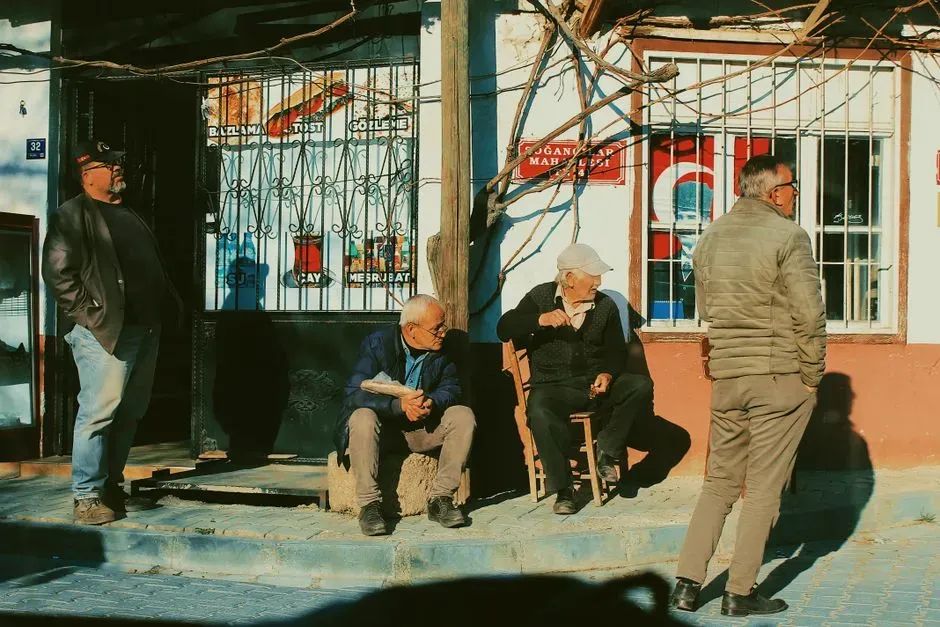
It took me longer than it should have to notice that people here simply did not rush to conclusions about strangers the way I expected. Curiosity came first, judgment came later, if at all. When I showed up to a town meeting in running shoes because I had come straight from a jog, nobody blinked.
I had assumed a tight-knit community would mean a rigid one, with unspoken rules I would inevitably break. Instead, I found more patience than I had budgted for, partly because the town had already seen a range of new arrivals with different habits and backgrounds. Tolerance, it turned out, was not incompatible with tradition here. It just took a different shape than I expected.
The school board meeting that surprised me

The school board meeting that surprised me (Image Credits: Unsplash)
I do not have kids, so I had no real reason to attend a school board meeting, but a neighbor invited me along almost as a joke. What I found instead was a packed room of people debating a bus route change with the intensity most cities reserve for national politics. It was, in its own way, a masterclass in local democracy still functioning the way it is supposed to.
Growth has not been without friction, and this meeting made that clear. Some small towns struggle with the sudden increase in population, placing pressure on housing markets and local resources, with schools, healthcare facilities, and transportation networks needing to scale up to meet rising demand. Watching that tension debated openly, rather than ignored, gave me more confidence in the town's ability to adapt than any welcome mat ever could.
What I would tell someone considering the same leap
What I would tell someone considering the same leap (Image Credits: Unsplash)
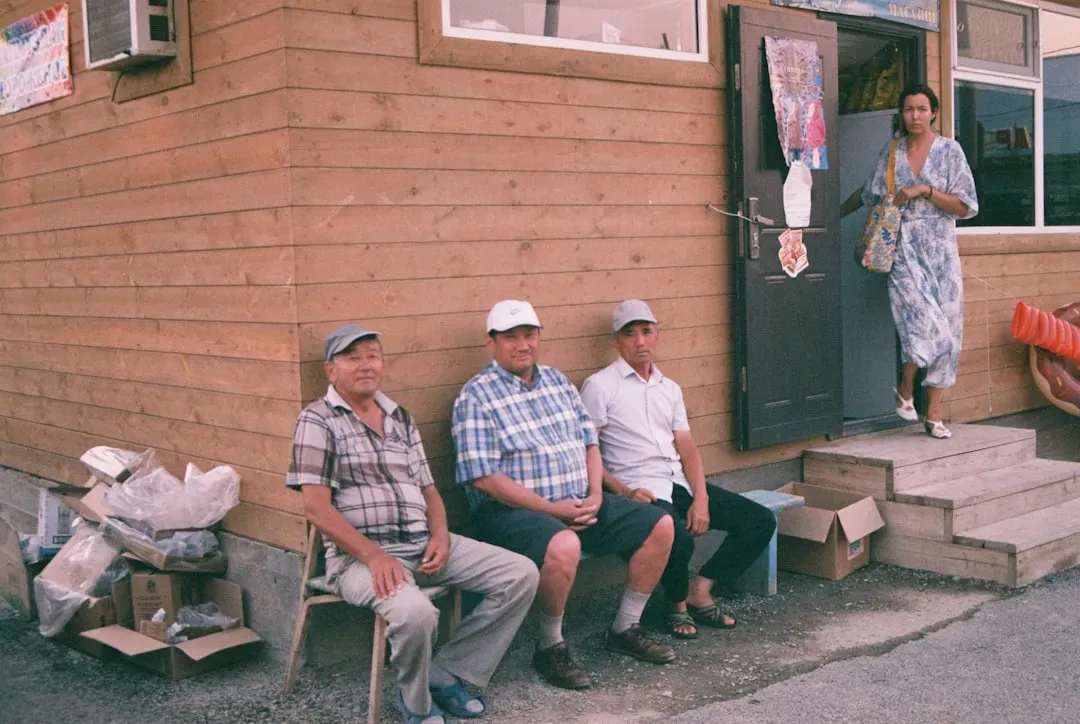
If you are weighing a move like mine, I would not oversell the ease of it. There were quiet months, some genuine homesickness for anonymity, and moments where I felt like an obvious outsider in a room of long-term residents. Fitting in was not automatic, and it was not instant either.
What changed things was consistency, showing up at the same diner, the same fire station, the same festival, again and again until familiarity replaced novelty. Small towns that embrace this kind of growth tend to benefit from economic diversity, stronger local communities, and a renewed sense of vibrancy over time. I did not find a perfect town. I found one willing to let me become part of it, which turned out to be more than enough.