
Raising a family in 2026 costs more than it used to, and most parents feel that reality every time they check a grocery receipt or a daycare invoice. Yet not every city squeezes household budgets the same way. Some places manage to combine reasonable housing, manageable childcare bills, and steady wages in a way that actually leaves parents with breathing room at the end of the month.
A handful of recent national studies, including a 2026 ranking from StorageCafe and separate cost-of-living research from GOBankingRates, point to specific cities where family income tends to stretch noticeably further than the national norm. The following six places stood out for a mix of affordable childcare, workable housing costs, and steady take-home pay.
Lexington, Kentucky

Lexington, Kentucky (By Madgeek1450 at English Wikipedia, <a href="https://commons.wikimedia.org/w/index.php?curid=6761516" target="_blank" rel="noopener">Public domain</a>)
Lexington took the top overall spot in a 2026 StorageCafe study that ranked the 100 largest U.S. cities on family affordability, and Lexington, Kentucky is ranked as the top city for raising kids in the U.S. this year due to factors like affordable childcare, fair housing prices, and overall quality of life. The numbers back that up in practical terms. In Lexington, typical monthly rent accounts for about 22% of household income, comfortably below the 30% affordability benchmark, which is the kind of margin that lets a family actually save something.
Grocery costs help too. Grocery bills for a family with two children run about $12,000 per year in Lexington, among the lowest in the top 10. On the healthcare side, the city boasts nearly 20 pediatricians per 10,000 children, one of the best ratios in the ranking, meaning shorter waits and easier appointments. Combined with childcare costs around $17,000 a year for two kids, the overall math in Lexington leaves parents with more room than most comparably sized cities.
Frisco, Texas

Frisco, Texas (Image Credits: By williamedia, <a href="https://commons.wikimedia.org/w/index.php?curid=15481291" target="_blank" rel="noopener">CC BY 2.0</a>)
Frisco earned a specific distinction in the same 2026 research: it topped the list for childcare affordability among the nation’s 100 biggest cities. Frisco, Texas came in at No. 1, where families spend just 9 percent of their median income on childcare costs. That figure matters because childcare is often the single largest line item in a young family’s budget, sometimes rivaling a mortgage payment in more expensive metros.
Frisco also benefits from a workforce that skews toward flexible arrangements. About 34% of residents work remotely, one of the highest rates nationwide, giving parents a real shot at balancing career and home life. That flexibility, paired with the lowest childcare burden in the country relative to income, makes Frisco one of the more financially forgiving places for two-income households with young kids.
Durham, North Carolina

Durham, North Carolina (Image Credits: Unsplash)
Durham landed in the second spot on StorageCafe’s 2026 family ranking, and it stands out for a trend most cities are not seeing. Durham’s share of households with children has actually grown over the past decades, one of only six cities on the list to see an increase. That kind of demographic growth usually signals that local costs and local wages are staying in reasonable balance for families.
Part of the appeal is flexibility built into daily routines. Durham’s work-life balance is well above the national average, with more than 20% of residents working remotely, which shows up where it matters for families, like school pick-ups, activities, and appointments. Reasonable housing costs and accessible amenities round out the picture, giving Durham a reputation as a place where a parent’s paycheck does not disappear the moment rent and daycare are paid.
Atlanta, Georgia

Atlanta, Georgia (Image Credits: Unsplash)
Atlanta is the outlier on most affordability lists because it is a genuine big city, yet it still cracked the top 10 in the 2026 StorageCafe family rankings. Atlanta was the only city in the top 10 with a population over 500,000, which makes its placement a little more interesting. The city offers the career upside of a major metro without the childcare costs typically associated with one.
The specific numbers explain why. The study found that childcare costs are still relatively affordable compared to local income, with two children costing around $15,000 a year, or about 13% of household income. Add in remote work options and a highly educated labor pool, and Atlanta manages something rare among large cities: real earning potential without the usual family cost penalty.
Memphis, Tennessee

Memphis, Tennessee (Image Credits: Pexels)
Memphis shows up on a different but related list, one measuring how far a specific salary level actually stretches. According to a 2025 analysis, if city living is important and a chunk of change left over after expenses matters, Memphis, Tennessee is the city where a $100,000 salary will go the furthest in the U.S. For a two-income household or a single higher earner supporting a family, that gap between income and expenses is exactly what creates room for savings, activities, and the everyday costs of raising kids.
The calculation behind that ranking accounted for housing, groceries, and other core expenses, then measured what was left over after taxes. Researchers used average rental costs, added annual expenses and housing costs to find total expenses for each city, then subtracted that from after-tax earnings to figure out how much money would be left over. Memphis consistently posted one of the largest leftover balances in that comparison, which is a meaningful cushion for a household juggling childcare, school costs, and everything in between.
Oklahoma City, Oklahoma

Oklahoma City, Oklahoma (Image Credits: Pexels)
Oklahoma City appears repeatedly in cost-of-living breakdowns aimed at Southern and Midwestern affordability, and the reason is straightforward: wages hold up well against the local cost of living. Oklahoma City is a city where the cost of living takes up just 58% of the median household income, which leaves roughly $28,000 annually to be spent on savings and fun. That kind of margin is unusual in a national landscape where many families are watching cost of living eat up most of what they bring home.
For parents specifically, that leftover income tends to go toward the things that make family life easier, extracurricular activities, a bigger emergency fund, or simply less stress around monthly bills. Oklahoma City does not top glossy lifestyle rankings the way coastal cities do, but the underlying math consistently favors households trying to make a single paycheck cover more ground. It is a reminder that affordability, not prestige, is often what actually helps a family’s budget breathe.
What These Cities Have in Common
What These Cities Have in Common (Image Credits: Pexels)
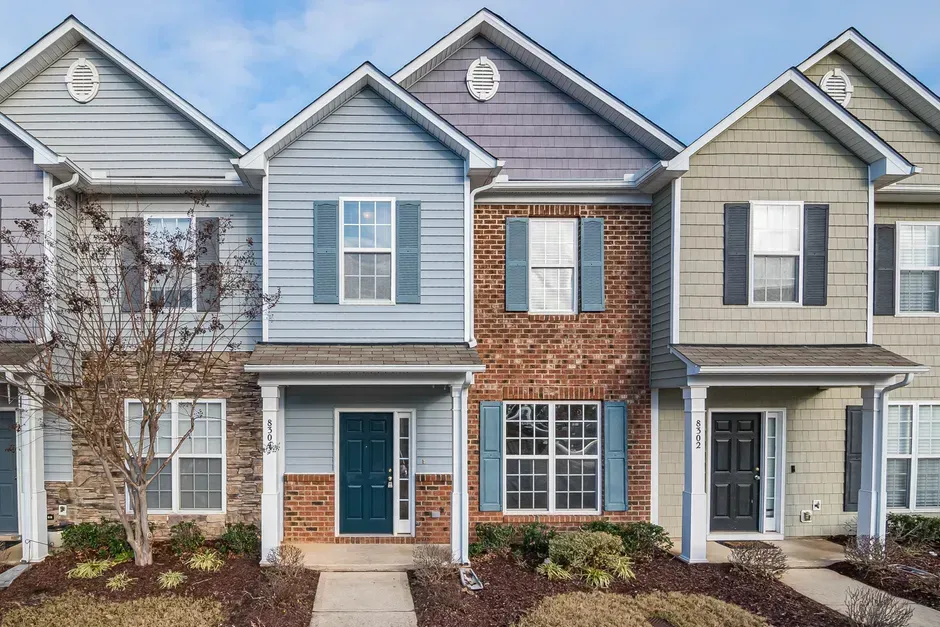
Looking across all six places, a pattern emerges that goes beyond simple cost of living. Each city pairs relatively affordable childcare with housing costs that stay well below the typical 30 percent income threshold, and several also benefit from higher rates of remote work that cut down on commuting costs and scheduling stress. None of them are the cheapest places in America outright, but they represent a specific kind of balance between earning potential and family expenses.
That balance is increasingly what parents are searching for when they consider relocating. Rather than chasing the highest salary or the lowest rent in isolation, families are looking at the full equation, income minus housing minus childcare minus everyday costs, and choosing places where that number still leaves something behind. These six cities are where that equation currently works best for parents managing a household budget in 2026.