
Most of us grow up learning a certain code of neighborly conduct, the kind of small gestures meant to show friendliness and respect. Wave hello, offer a helping hand, keep things tidy, and everyone gets along. But somewhere between generations and shifting expectations around privacy, plenty of these well-meaning habits have started landing very differently than intended.
What one household sees as a warm gesture, another might read as intrusive or even presumptuous. The line between thoughtful and overstepping has gotten blurrier, especially as more people value boundaries over the old-fashioned “everybody knows everybody” style of community living. Here are twelve habits that still feel polite to the person doing them, yet often come across as anything but to the person on the receiving end.
1. Dropping by unannounced
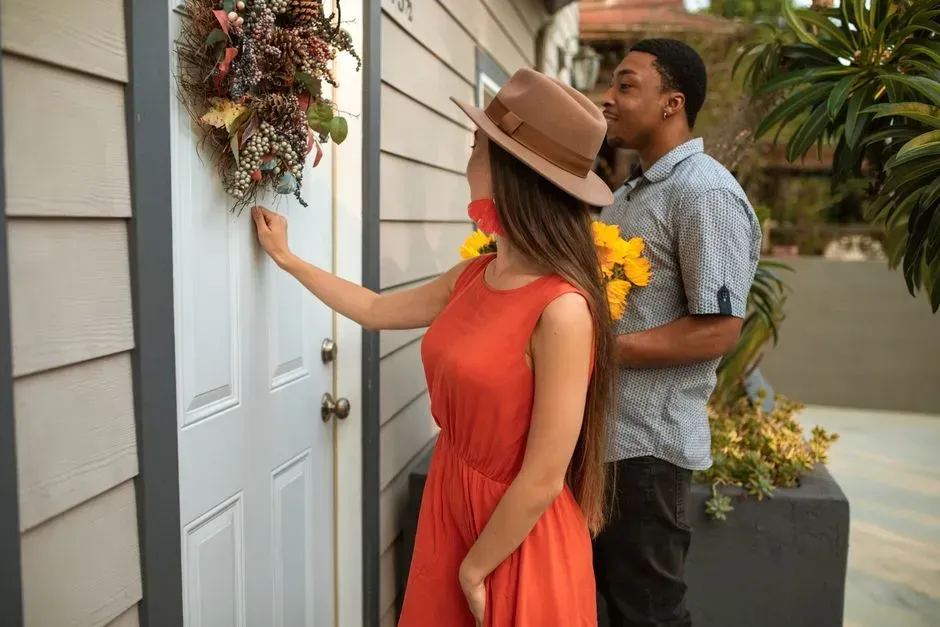
1. Dropping by unannounced (Image Credits: Pexels)
Showing up at someone’s door without calling or texting first used to be a sign of comfort between neighbors, almost a compliment that said “you don’t need an invitation.” These days, though, an unexpected knock often triggers mild panic rather than delight, especially for people working from home or juggling family chaos behind closed doors. It disrupts whatever was happening inside, and there is no graceful way to say “this isn’t a good time” without feeling awkward.
Text-first culture has quietly rewritten the rules around visiting. Many people now expect at least a heads-up message, even for something as simple as returning a borrowed tool. Skipping that step, no matter how friendly the intention, can read as a lack of awareness about someone else’s time and space.
2. Offering unsolicited advice about yard work

2. Offering unsolicited advice about yard work (Image Credits: Unsplash)
Commenting on a neighbor’s lawn, garden, or landscaping choices often comes from a genuine place, a desire to be helpful or share knowledge picked up over years of homeownership. Yet unsolicited tips about fertilizer schedules or which weeds to pull can feel like quiet judgment dressed up as friendliness. It implies the other person’s approach is somehow lacking, even if that was never the intent.
Yard care has also become a more personal choice than it once was, with many homeowners deliberately choosing native plants, no-mow lawns, or wildflower patches for environmental reasons. Advice that assumes a traditional manicured lawn is the only correct look can land as tone-deaf. What feels like helpful expertise to one person can feel like an intrusion into someone else’s decisions about their own property.
3. Bringing over homemade food without asking

3. Bringing over homemade food without asking (Image Credits: Pexels)
A plate of cookies or a casserole delivered to the door has long been the classic symbol of neighborly kindness. It still can be, but food allergies, dietary restrictions, and general caution around unlabeled homemade items have made this gesture more complicated than it used to be. Some recipients feel obligated to eat something they cannot or would rather not consume, just to avoid seeming ungrateful.
There is also the practical matter of dishes and containers, which creates a small but real social debt of returning them properly and promptly. A short message asking “would love to bring something over, any allergies I should know about?” tends to be far better received than a surprise delivery. The gesture itself is not the problem so much as the missing step of checking first.
4. Correcting how someone parks

4. Correcting how someone parks (Image Credits: Unsplash)
Pointing out that a neighbor’s car is a little too close to a shared property line or slightly over a curb might feel like a helpful public service. In practice, it often reads as nitpicking, especially if the parking issue is minor or happens only occasionally. Nobody enjoys being told how to park in front of their own house.
Parking disputes are also one of the more common sources of neighbor friction, according to community mediation groups that handle everyday residential conflicts. Even a gently worded comment can feel like surveillance, as though someone is watching and measuring. Letting small parking quirks go, rather than mentioning every instance, tends to preserve goodwill far better than correction does.
5. Watching over a neighbor's house too closely

5. Watching over a neighbor's house too closely (Image Credits: Pexels)
Keeping an eye on a neighbor’s property while they are away is often framed as a considerate, community-minded thing to do. But there is a difference between noticing something is off and tracking every visitor, delivery, or late-night light. When neighbors mention specific comings and goings in too much detail, it can feel less like watchfulness and more like being monitored.
This has become more noticeable with the rise of doorbell cameras and neighborhood social apps, where sharing footage or observations about someone’s routine is easier than ever. A general offer like “let me know if you want someone keeping an eye on things” is usually appreciated. Volunteering detailed observations nobody asked for tends to cross into uncomfortable territory instead.
6. Giving feedback on noise levels

6. Giving feedback on noise levels (Image Credits: Pexels)
Letting a neighbor know their music, dog, or kids are a bit loud seems like straightforward communication, and sometimes it genuinely is necessary. The trouble comes when the complaint is delivered as a passing comment rather than a direct, respectful conversation, since indirect hints often come across as passive-aggressive rather than helpful. A vague remark about “hearing a lot going on over there” can feel more like a judgment than useful feedback.
Noise tolerance also varies enormously based on lifestyle, work schedule, and even hearing sensitivity, so what feels unreasonably loud to one household might seem completely normal to another. Being specific and calm, rather than repeatedly hinting or complaining to other neighbors first, generally produces better results. Directness handled kindly tends to preserve the relationship far more than indirect commentary ever does.
7. Insisting on reciprocating every small favor
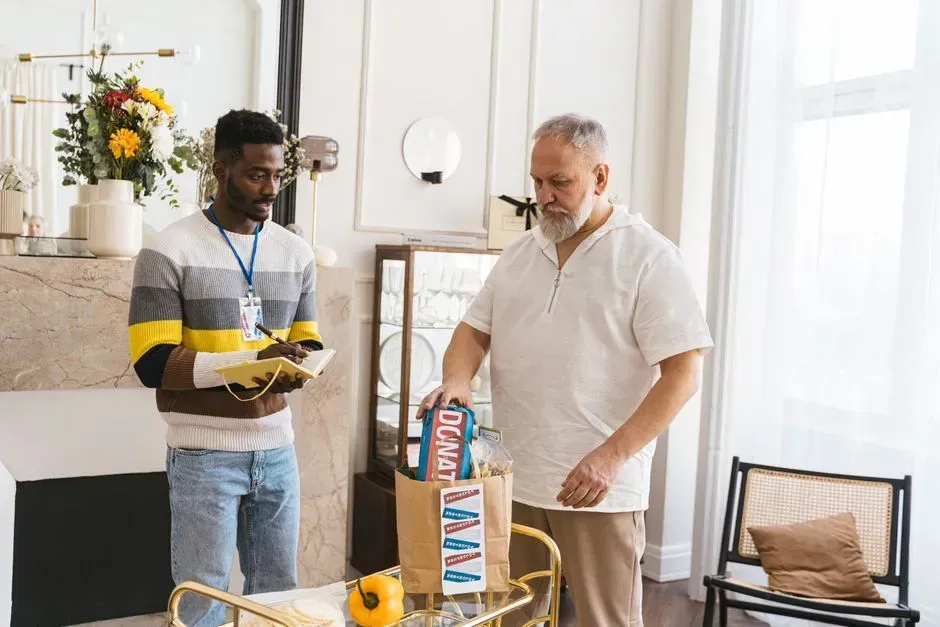
7. Insisting on reciprocating every small favor (Image Credits: Pexels)
Many people feel uncomfortable accepting help without immediately paying it back, whether that means insisting on covering gas money for a ride or showing up with a gift after being handed a spare cup of sugar. This instinct comes from good manners, a desire not to seem like a freeloader. Yet constantly keeping score can actually feel transactional rather than warm, turning small kindnesses into a running tally.
Neighborly relationships tend to work best as loose, informal exchanges rather than strict one-to-one trades. Insisting on reciprocating every single gesture can unintentionally signal discomfort with simply being helped, which some neighbors find oddly distancing. Sometimes the more generous response is simply saying thank you and letting the favor stand.
8. Asking too many personal questions to be friendly

8. Asking too many personal questions to be friendly (Image Credits: Pexels)
Small talk is a normal part of neighborly life, but there is a point where curiosity starts to feel like prying. Questions about someone’s job, income, relationship status, or health, even asked with warmth, can put people in an awkward spot if they would rather keep those details private. What feels like friendly interest to the asker can feel like an interrogation to the person answering.
This has become especially relevant as more households value privacy around finances and personal circumstances than previous generations did. Sticking to lighter topics, weather, local events, shared interests, tends to build comfort over time without pushing anyone into oversharing. Genuine closeness usually develops naturally rather than through direct questioning.
9. Leaving notes instead of talking directly

9. Leaving notes instead of talking directly (Image Credits: Pexels)
A handwritten note left on a door or windshield can feel like a polite, non-confrontational way to raise an issue, whether it is about a barking dog, a trash can left out too long, or a car parked in the wrong spot. The problem is that notes strip away tone, so a message meant to be gentle can easily be read as cold or accusatory instead. Without facial expression or vocal tone, even carefully worded notes can come across harsher than intended.
Community mediators frequently point out that unresolved neighbor disputes often escalate specifically because communication started indirectly rather than face-to-face. A short, friendly conversation in person or a warm text tends to defuse tension far more effectively than a written note ever could. What feels like the less awkward option in the moment can end up creating more awkwardness down the line.
10. Offering to watch pets or kids without a clear plan

10. Offering to watch pets or kids without a clear plan (Image Credits: Pexels)
Volunteering to keep an eye on a neighbor’s pet or children while they run errands is a genuinely generous offer, and most people mean it sincerely. Where it gets tricky is when the offer is vague, lacking clear boundaries around time, responsibilities, or expectations. This can leave the other neighbor unsure whether it is truly fine to take them up on it or whether they are imposing.
Clear, specific offers tend to be far more useful and easier to accept than open-ended ones. Saying “I’m free Saturday morning if you need someone to watch the dog for two hours” gives the other person something concrete to say yes or no to. A vague “just let me know if you ever need anything” often goes unused simply because nobody wants to test how serious the offer really was.
11. Sharing home security tips unprompted

11. Sharing home security tips unprompted (Image Credits: Unsplash)
After a break-in nearby or a string of package thefts, it is natural to want to warn neighbors and suggest precautions like better locks, cameras, or motion lights. The intention is protective, but delivering this advice unprompted can come across as alarmist or, worse, as an implied criticism of how someone currently keeps their home. Nobody wants to be told their security setup is inadequate, even if the person saying so means well.
Neighborhood safety alerts are more effective when shared through neutral channels, like local community groups or official watch programs, rather than direct personal comments. This keeps the information available without putting any one household on the spot. Practical, general information shared with the whole street tends to land better than pointed advice aimed at a single neighbor.
12. Complimenting renovations while asking about cost

12. Complimenting renovations while asking about cost (Image Credits: Unsplash)
Admiring a neighbor’s new deck, fence, or landscaping is a normal and pleasant part of living close to other people. The trouble starts when the compliment comes bundled with a direct question about how much it all cost, which can feel intrusive even when curiosity is the only motive. Home improvement spending is a personal financial matter, and not everyone wants to discuss it, even casually.
This has become more noticeable as renovation costs have climbed significantly in recent years, making the topic feel more sensitive for many homeowners. A simple compliment on its own, without follow-up questions about budget or contractors, tends to be received far more warmly. If someone wants to share pricing details, they usually will, without needing to be asked.
Being a good neighbor rarely comes down to grand gestures. It usually comes down to small, thoughtful adjustments, checking before assuming, respecting privacy, and communicating directly rather than indirectly. The habits above are not really about being unfriendly; they are about updating old norms to fit how people actually want to live and interact today.