
I live on a street where, until recently, I could count on one hand the number of neighbors whose names I actually knew. We waved. We nodded. Occasionally someone would mention the weather while collecting a package. Then, on a whim after a slow Sunday afternoon, I decided to see what would happen if I hosted a block party once a month for three months straight, just to see if a street full of strangers could turn into something resembling a community.
What follows isn't a polished success story with a neat bow on top. It's a fairly honest account of permits, paper plates, awkward silences, and the slow, uneven process of getting people to actually show up.
The idea that started as a joke
The idea that started as a joke (Image Credits: Pexels)
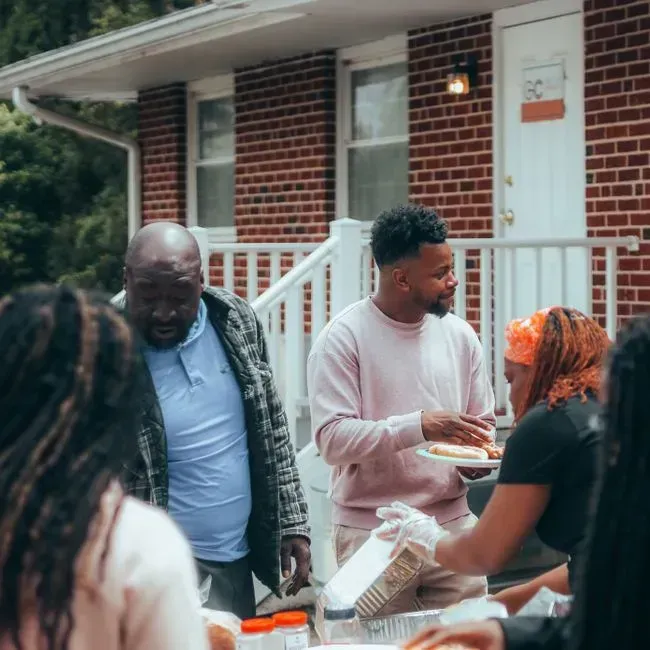
It began with a comment I made to my partner about how strange it was that we knew our coworkers better than the people living twenty feet away. That comment turned into a plan within a week, mostly because I wanted to test whether the isolation everyone talks about was really as bad on our street as the national numbers suggested. Research on this is not exactly reassuring. A recent Harris Poll found that a majority of adults say they want to meet more people in their neighborhood, yet 71% of adults say they want to meet more people in their neighborhood, and 50% of adults say they wish they had a closer relationship with their neighbors, while 47% of adults say it’s difficult to make new connections in the local area.
That gap between wanting connection and actually having it stuck with me. If people wanted this so badly, I figured, maybe all it needed was someone willing to do the unglamorous organizing work. So I set a simple rule for myself: one gathering a month, on the street itself, no fancy theme, just food and folding chairs. I had no idea yet how much bureaucracy was waiting for me before a single hot dog got grilled.
Figuring out the permit maze

Figuring out the permit maze (Image Credits: Unsplash)
I assumed a block party just meant putting up a few cones and calling it a day. I was wrong. Most cities require a formal application, and the rules vary more than you’d expect from one town to the next. In some places, like Portland, permits are 100% free, though applications should be submitted at least 15 business days before your event. Other cities are far stricter about who can even apply.
In Philadelphia, for instance, only one signature per household is allowed, and the petitioner must be an adult and live on the block where the event will take place. Washington D.C. goes even further, requiring that the applicant or sponsor must be an adult District resident, 21 years or older, residing on the block to be closed. I spent an evening on my city’s permit portal, filled out a traffic control form I didn’t fully understand, and mailed a paper application because the online system kept timing out.
Month one: a smaller crowd than I hoped for
Month one: a smaller crowd than I hoped for (Image Credits: Unsplash)
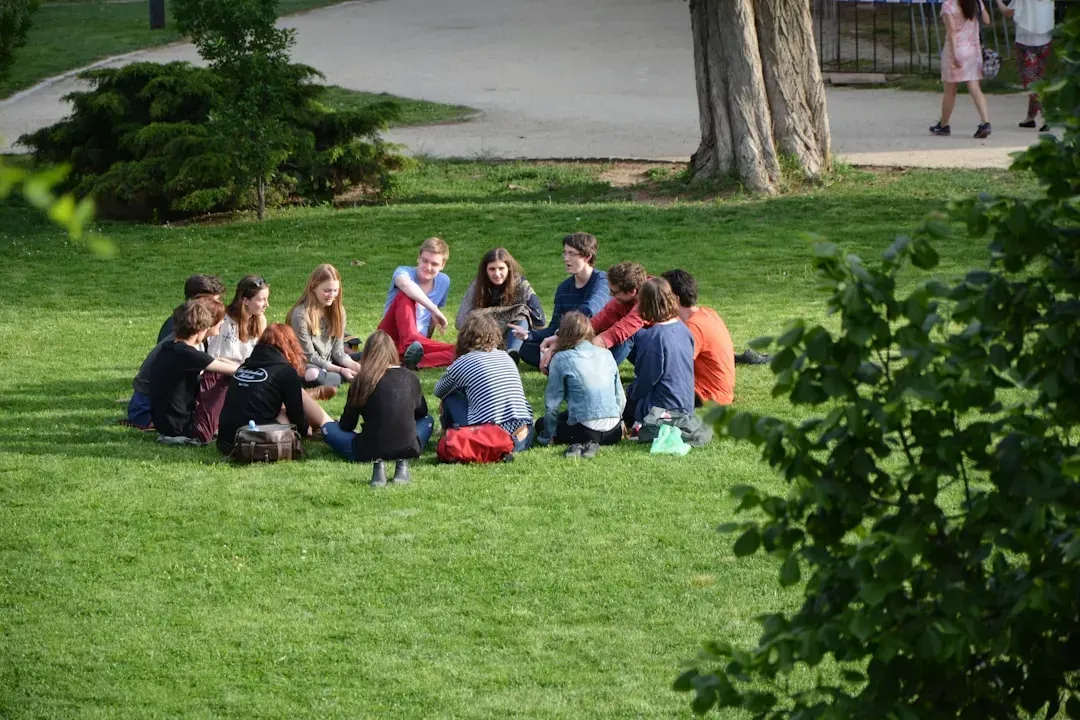
The first gathering was humble, to put it kindly. I set up two folding tables, a cooler, and a sign that said everyone was welcome. Out of roughly eighteen households on our stretch of street, five people showed up, and two of those were kids dragged along by a single parent who clearly needed a break.
Nobody stayed longer than forty minutes. I remember standing there with a plate of untouched watermelon slices, wondering if this whole idea had been a mistake. Still, a few conversations happened that wouldn’t have otherwise, and one neighbor mentioned she’d been meaning to introduce herself for over a year but never found the right moment. That small comment kept me from calling it quits.
Learning that timing changes everything
Learning that timing changes everything (Image Credits: Pexels)
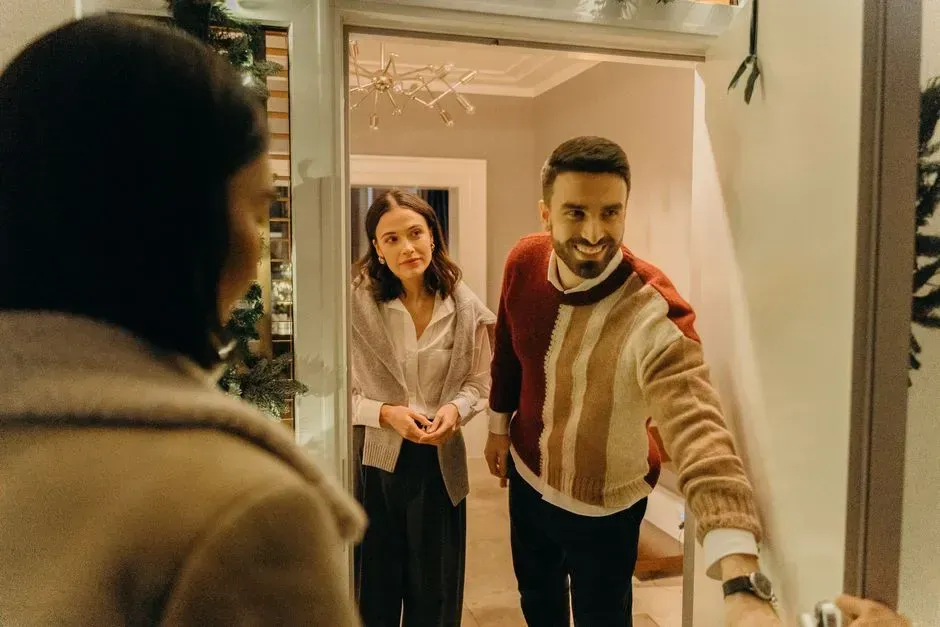
After the underwhelming turnout, I did some digging into why people weren’t showing up. It wasn’t reluctance exactly, it was scheduling. Several neighbors told me they simply hadn’t seen the flyer in time, or assumed it was a private event for people who already knew each other.
For the second gathering, I switched from a weekday evening to a Saturday afternoon and knocked on doors personally instead of relying on paper notices. That single change nearly tripled attendance. It confirmed something I’d read about how a large share of people say they’d welcome more neighborly contact, they just need a low-effort invitation rather than a formal one.
The food logistics nobody warns you about
The food logistics nobody warns you about (Image Credits: Pexels)
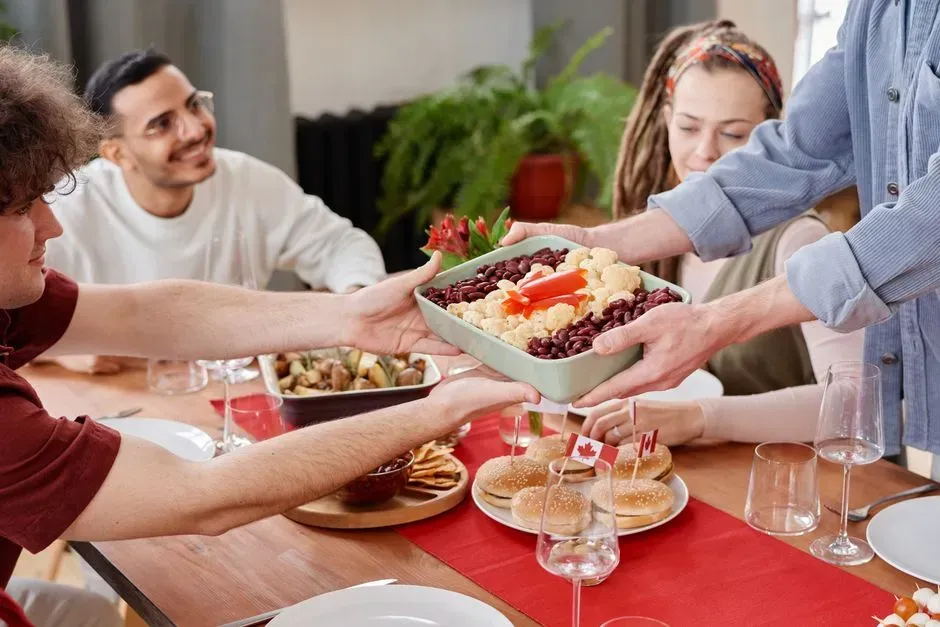
Feeding a rotating group of strangers on a public street turns out to be trickier than a backyard barbecue. Several cities explicitly restrict what you can sell or serve. Philadelphia’s guidelines, for example, prohibit hosts from selling alcoholic beverages or charging admission of any kind at these events.
So I leaned on a potluck model instead, asking each household to bring one dish if they could. It wasn’t perfect. Some months we ended up with four bags of chips and no main course, other months someone showed up with an elaborate tray of empanadas that put my grilled corn to shame. The inconsistency was frustrating at times, but it also meant nobody felt like they were footing the bill for the whole street.
Kids turned out to be the real organizers

Kids turned out to be the real organizers (Image Credits: Pexels)
Somewhere around the second month, I noticed the kids on the street were doing more community building than any adult, myself included. They started arriving early to chalk the pavement, and within twenty minutes there’d be a group of six or seven running around while their parents, who might otherwise have stood there awkwardly, ended up chatting because their kids were playing together.
It reminded me why so many cities specifically design permits around this dynamic. Portland’s own permit language notes that block parties are meant to gather your neighbors to hold a Block Party in your street or turn the street over to the kids for play, treating children’s play as a legitimate, primary use of the closure rather than an afterthought.
The awkward moments that almost derailed things
The awkward moments that almost derailed things (Image Credits: Unsplash)
Not everything went smoothly. One neighbor complained about the noise spilling past his property line, which pushed me to actually check local noise rules more carefully. Some cities are strict about this, with St. Louis requiring that no sound amplifying devices may be used that can be heard beyond 150 feet from the party itself.
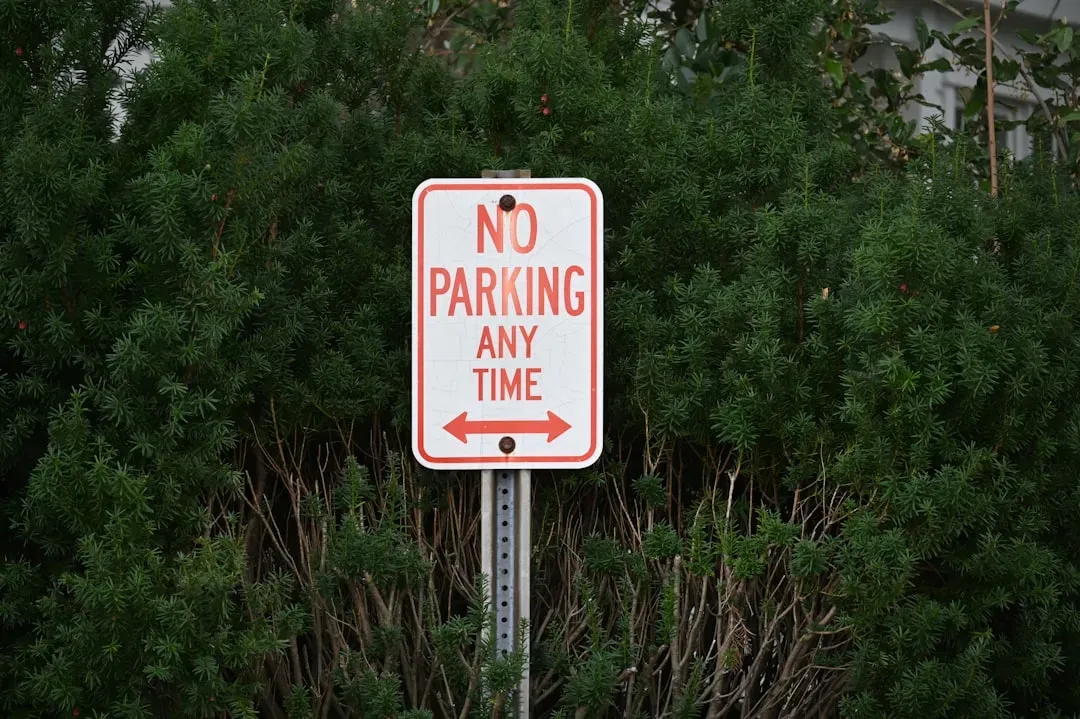
Another awkward stretch involved parking. A couple of residents weren’t thrilled about temporarily losing their usual spot in front of their own house, even for a few hours. I ended up personally notifying every household about exact start and end times after that, which cut down on the grumbling considerably by the third month.
What changed once people started remembering names
What changed once people started remembering names (MDGovpics, Flickr, <a href="https://creativecommons.org/licenses/by/2.0/" target="_blank" rel="noopener">CC BY 2.0</a>)
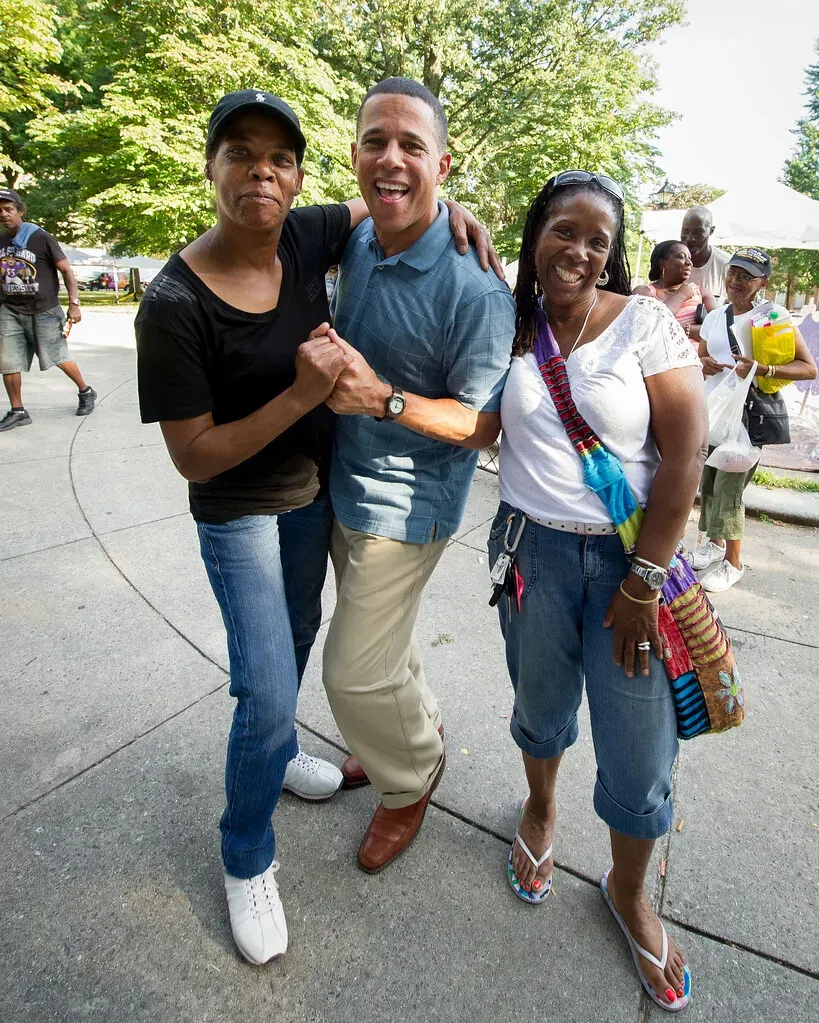
By the second gathering, something shifted that I hadn’t fully expected. People started remembering each other’s names and, more importantly, small details, like whose dog needed watching during vacations or who worked night shifts and appreciated quieter mornings. This kind of texture doesn’t show up in a single event, it builds slowly.
Research on neighborhood cohesion backs up why this matters beyond just feeling pleasant. A study of neighborhood social cohesion found that higher levels of neighborhood social cohesion were associated with lower levels of overall and social loneliness, suggesting that these small, repeated interactions carry real weight over time rather than being purely feel-good gestures.
Month three brought the biggest turnout yet
Month three brought the biggest turnout yet (Image Credits: Unsplash)
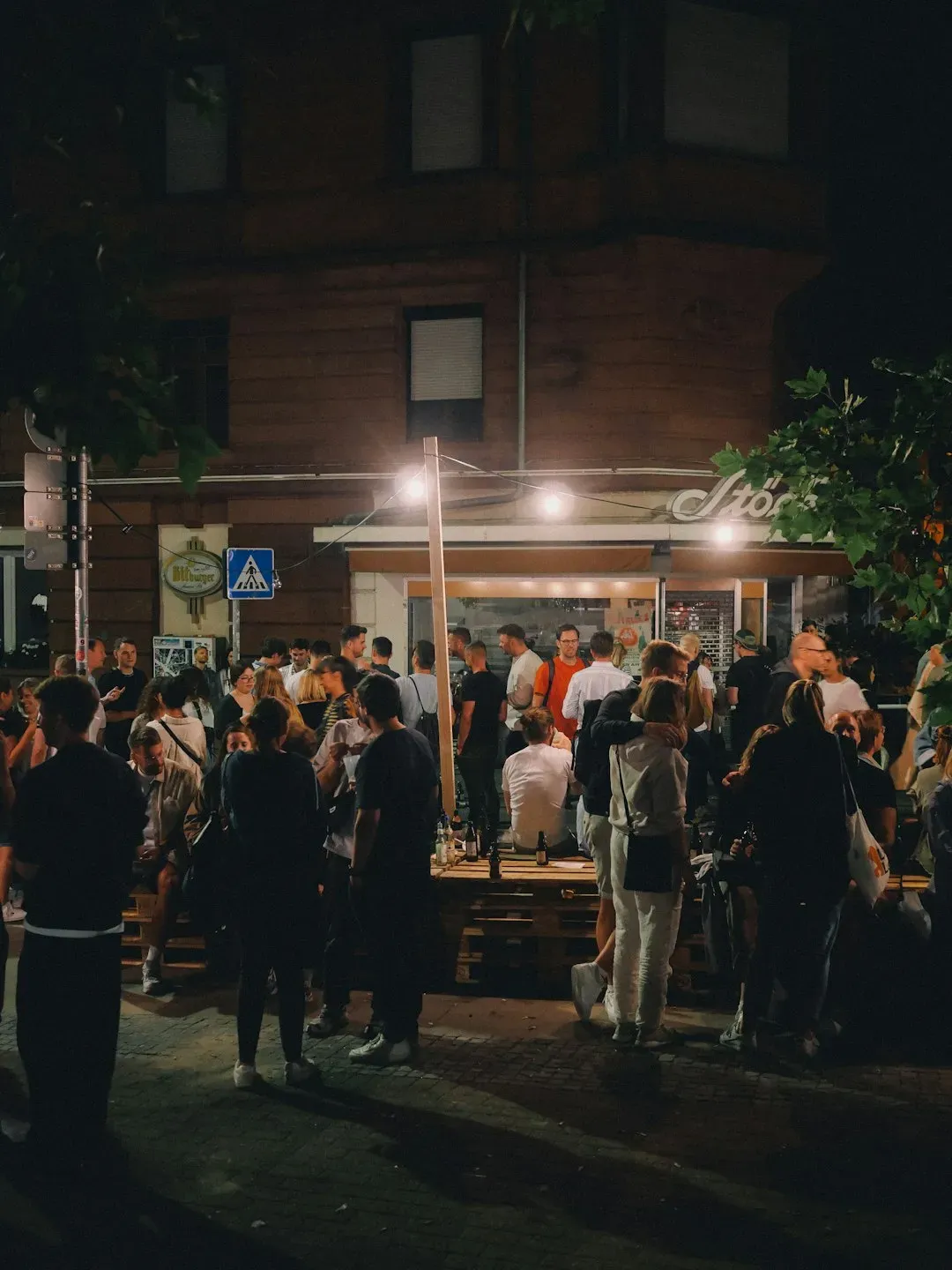
By the third and final scheduled gathering, something had genuinely clicked. Attendance jumped to around fourteen people, nearly the whole street, and for the first time nobody left within the first hour. People brought their own chairs without being asked, and two neighbors offered to help organize the next one before I’d even mentioned continuing the experiment.
It wasn’t a dramatic transformation, more like a slow thaw. Still, the difference between month one’s five reluctant attendees and month three’s relaxed, chatty crowd was stark enough that I started wondering whether three months had simply been enough time for trust to build, or whether we’d just gotten lucky with good weather each time.
What the loneliness data says about why this worked at all
What the loneliness data says about why this worked at all (Image Credits: Pexels)
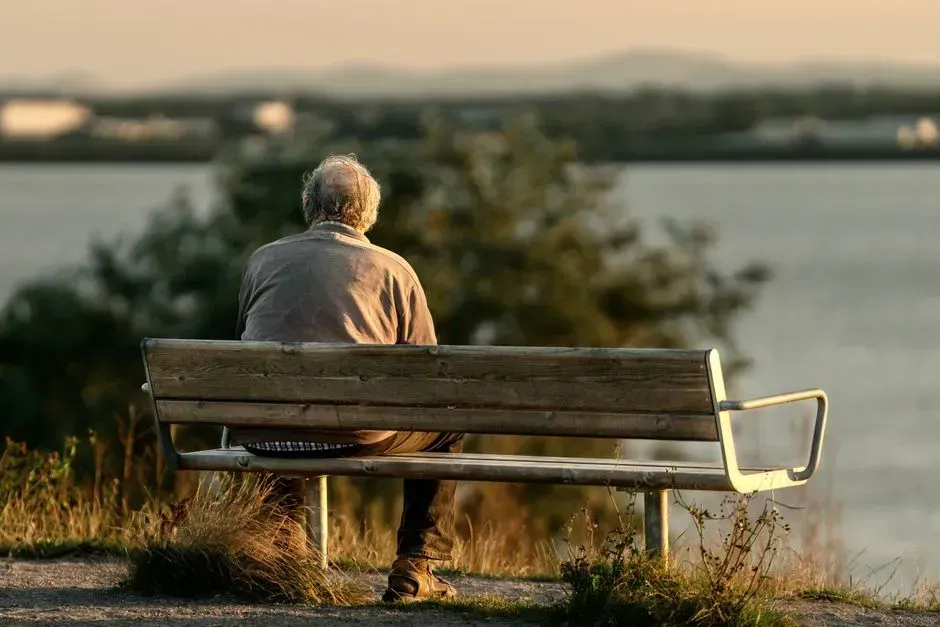
Stepping back from my own street, the broader context makes this experiment feel less like a quirky personal project and more like a small response to a documented problem. A recent nationally representative survey found that 21% of adults in the U.S. feel lonely, with many respondents feeling disconnected from friends, family, and/or the world. That is not a small number when you consider it across an entire country.
Younger adults, in particular, seem to struggle more with local connection. National survey data shows that only 42% of young adults feel connected with their neighbors, a gap that a monthly gathering on a shared street, however modest, seemed to chip away at in a very small, local way.
Final thoughts on three months of folding tables
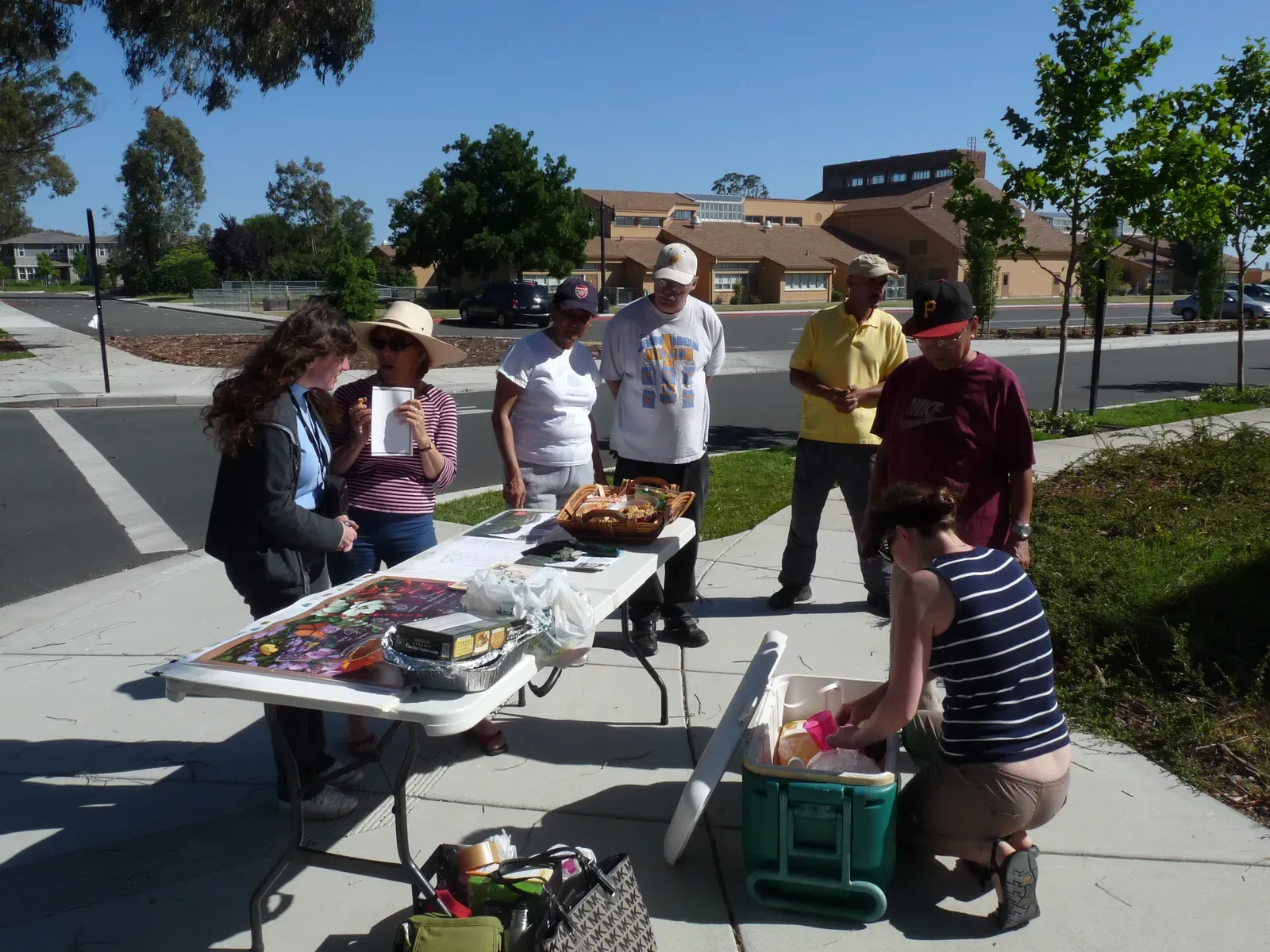
Final thoughts on three months of folding tables (Image Credits: Reaching out to neighbors, <a href="https://commons.wikimedia.org/w/index.php?curid=68916095" target="_blank" rel="noopener">Public domain</a>)
Three months isn't long enough to declare victory over neighborhood isolation, and I wouldn't claim this fixed anything in a lasting or measurable way. What it did do was turn a handful of strangers into people who now wave with actual recognition, and that's not nothing.
If there's one honest takeaway, it's that the paperwork and awkward first gatherings are worth pushing through, because the payoff doesn't show up right away. It shows up slowly, in small comments and returned favors, long after the folding tables have been put away.