
Marriages that last don't usually run on grand gestures. They run on the small, repeatable stuff, the kind of moments that seem almost too ordinary to matter until you notice they've quietly shaped decades together. Couples who've been married a long time tend to describe these tiny rituals with a kind of fondness that's hard to fake, and researchers who study long-term relationships keep circling back to the same idea: consistency beats intensity.
What follows isn't a list of elaborate date-night ideas or expensive anniversary trips. It's a look at the smaller, recurring habits that couples build into their years together, the ones that show up so often they stop feeling like effort and start feeling like identity.
1. A specific morning or evening check-in
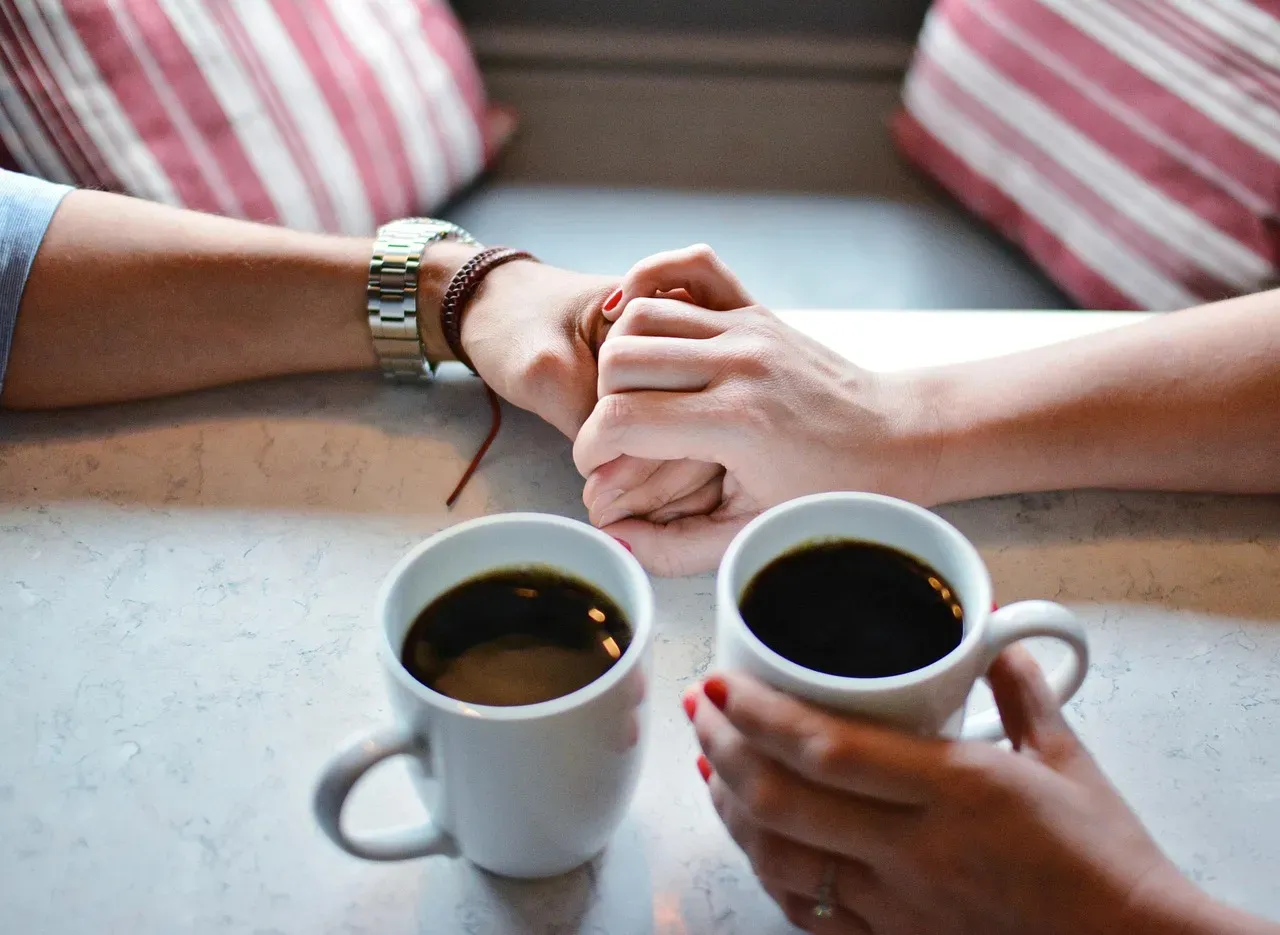
1. A specific morning or evening check-in (Image Credits: Pixabay)
Plenty of long-married couples point to a daily ritual as small as a coffee together before the day starts or a few minutes of talking in bed before sleep. It's rarely about the content of the conversation. It's about the reliability of the pause itself, a guaranteed window where nothing else competes for attention.
Therapists who work with couples often note that these brief check-ins function as a kind of relationship maintenance, similar to checking in on a car before a long drive. Skipping it once doesn't break anything, but skipping it for weeks tends to create a noticeable distance that both partners feel before they can name it.
2. Reusing the same anniversary spot

2. Reusing the same anniversary spot (Image Credits: Pexels)
Some couples return to the same restaurant, hotel, or even the same table year after year, not because it's the best option available, but because it's theirs. The familiarity becomes part of the celebration, layering new memories on top of old ones in a place that already holds meaning.
This kind of repetition can feel almost old-fashioned in an era of algorithm-driven recommendations and constant novelty. Yet for many couples, that's exactly the appeal. A repeated location becomes a quiet timeline of the marriage itself, marked by changes in each other rather than changes in scenery.
3. A running inside joke that never dies

3. A running inside joke that never dies (Image Credits: Pexels)
Almost every long-term couple has at least one joke that outsiders wouldn't understand and insiders can't fully explain either. It might reference something that happened on a disastrous camping trip a decade ago or a mispronounced word from early in the relationship.
These jokes persist because they act as shorthand for shared history. Bringing one up in the middle of an argument or a stressful day can defuse tension almost instantly, not because it solves the problem, but because it reminds both people they're still on the same team.
4. A specific way of saying goodbye
4. A specific way of saying goodbye (Image Credits: Pixabay)
Some couples have a particular phrase, gesture, or even a short ritual they repeat every single time one of them leaves the house. It might be a certain kiss, a specific sentence, or a habit as simple as watching from the window until the car turns the corner.
Relationship researchers have long pointed to small transition rituals as meaningful because they mark the boundary between together time and apart time. Repeating the same goodbye, even after thousands of repetitions, keeps that boundary from feeling careless or automatic.
5. Cooking the same meal on a certain date
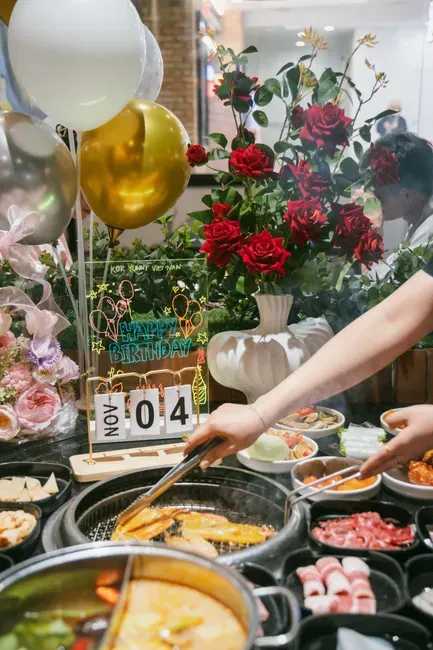
5. Cooking the same meal on a certain date (Image Credits: Pexels)
Food tends to carry an outsized emotional weight in long marriages. A specific dish tied to an anniversary, a first date, or even a hard year the couple got through together often becomes a recurring tradition that neither partner wants to change.
Sometimes it's the exact recipe from early in the relationship, imperfections and all. Other times the dish evolves slightly each year, but the act of making it together stays fixed, turning a kitchen task into a small annual checkpoint.
6. Handwritten notes or cards
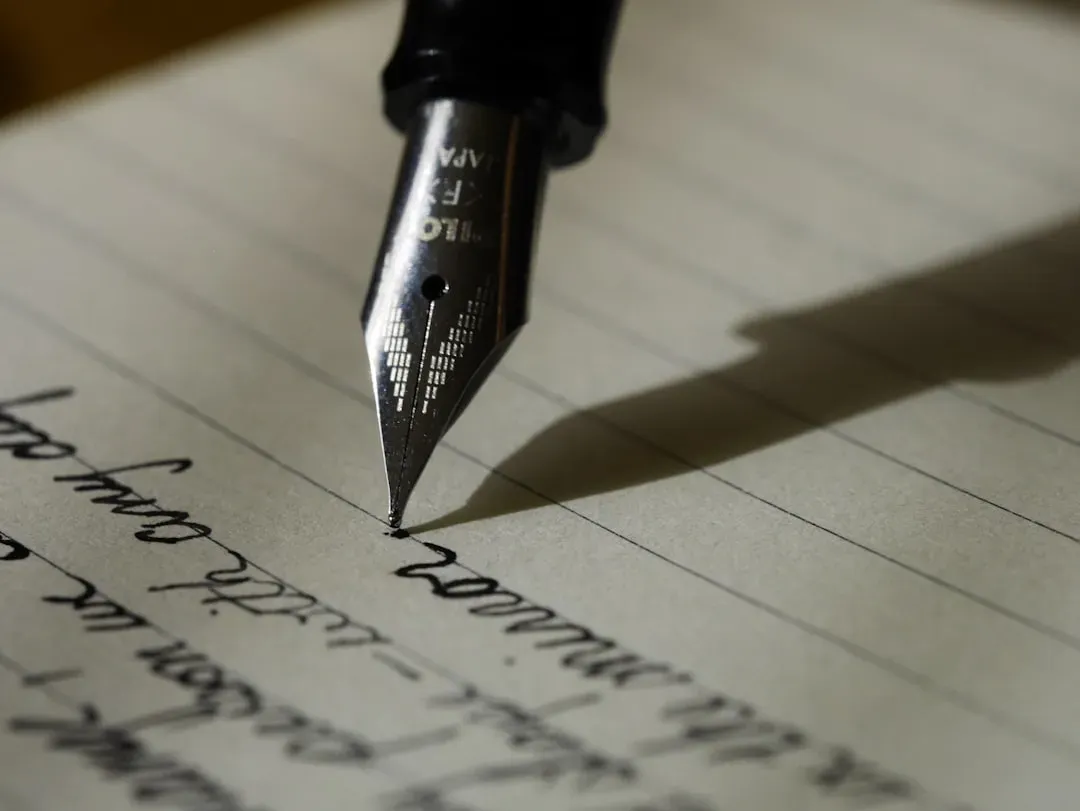
6. Handwritten notes or cards (Image Credits: Unsplash)
Despite living in an era dominated by texting, many long-married couples still rely on handwritten notes for birthdays, anniversaries, or no occasion at all. There's a tactile, deliberate quality to handwriting that a text message simply doesn't carry.
Some couples keep every note in a drawer or a small box, creating an informal archive of the marriage's emotional highlights. Rereading old notes years later often surprises people, not because the sentiments have changed, but because they haven't.
7. A yearly trip, even a small one

7. A yearly trip, even a small one (Image Credits: Unsplash)
Not every couple can afford elaborate vacations, but many manage a smaller yearly getaway, sometimes as modest as a weekend an hour from home. The consistency matters more than the scale.
These trips often become reference points in the marriage's timeline, the kind of thing that gets mentioned in passing years later as "the year we went to that cabin" or "the trip where the car broke down." A shared travel tradition, however modest, tends to generate disproportionate amounts of shared memory.
8. A weekly or monthly "no phones" ritual

8. A weekly or monthly "no phones" ritual (Image Credits: Unsplash)
As phone use has become a documented source of tension in relationships, some couples have pushed back with a deliberate counter-tradition: a recurring block of time with devices put away entirely. It might be one dinner a week or a single evening a month.
Surveys on relationship habits in recent years have repeatedly flagged phone distraction as a top complaint among partners, which makes this particular tradition feel less like a quaint habit and more like a practical response to a modern problem. Couples who maintain it consistently often describe it as one of the few times they feel fully present with each other.
9. Marking small milestones, not just big ones

9. Marking small milestones, not just big ones (Image Credits: Unsplash)
Beyond anniversaries and birthdays, many couples build small traditions around minor milestones, first snow of the season, the day they moved into a particular home, or even the anniversary of a pet joining the family. These moments rarely make headlines in the relationship, but they add up.
Marking smaller milestones keeps a couple's shared calendar full of low-stakes reasons to pause and acknowledge each other. Over years, these accumulated small check-ins often do more relational work than the occasional big celebration, simply because they happen so much more often.
None of these traditions require money, elaborate planning, or dramatic gestures. What they share is repetition, the simple, almost stubborn insistence on doing the same small thing again and again until it becomes part of a couple's shared language. That kind of consistency, more than any single grand moment, tends to be what long marriages are actually built from.