
There's something almost cinematic about the way marriages worked in the 1950s. Everything had a rhythm to it, a set of unspoken rules that most couples followed without ever writing them down. If you grew up watching your grandparents move through their daily routines, you probably noticed patterns that seemed old-fashioned even back then, let alone now.
These habits weren't quirks so much as reflections of the era itself, shaped by postwar optimism, tight household budgets, and social expectations that pushed men and women into very defined roles. Looking back at them now says as much about how far things have shifted as it does about the people who lived through it.
1. Dinner was served at the exact same time every night
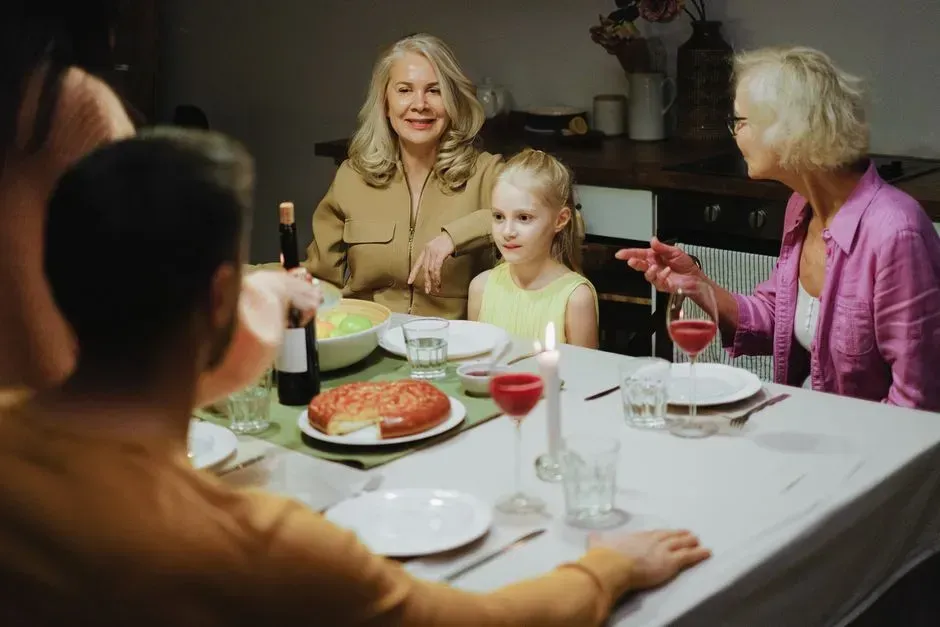
1. Dinner was served at the exact same time every night (Image Credits: Pexels)
Postwar households ran on a schedule that would feel rigid by today’s standards. Dinner at six, no exceptions, because the husband’s workday ended around five and the commute took roughly an hour. Meals weren’t just about food; they were the anchor point of the entire household’s day.
This consistency came from necessity as much as tradition. Most 1950s households had one income earner, and the household schedule revolved entirely around that person’s work hours. Being even fifteen minutes late to dinner could genuinely disrupt the rest of the evening, since ovens ran on gas or early electric models that didn’t hold heat the way modern appliances do.
2. The husband handled the finances, and the wife rarely saw the bank statements

2. The husband handled the finances, and the wife rarely saw the bank statements (Image Credits: Unsplash)
Money management in most 1950s marriages fell squarely on the husband, and this wasn’t just cultural preference. Until the Equal Credit Opportunity Act passed in 1974, many banks legally required a husband’s co-signature for a married woman to open her own credit card or line of credit. That single legal reality shaped how millions of couples handled money for decades.
Wives often received a set household allowance for groceries and daily expenses, while larger financial decisions, like buying a car or taking out a mortgage, were handled by the husband alone. This wasn’t necessarily framed as unfair at the time; it was simply how things worked given the legal and social structure. Many women managed impressively tight budgets within those allowances, becoming skilled at stretching every dollar.
3. Sunday was reserved for church, family, and nothing else

3. Sunday was reserved for church, family, and nothing else (amandabhslater, Flickr, <a href="https://creativecommons.org/licenses/by-sa/2.0/" target="_blank" rel="noopener">CC BY-SA 2.0</a>)
Church attendance in the 1950s was remarkably high, and Sunday mornings were treated as sacred in the literal sense. Families dressed up, attended services together, and often followed church with a large midday meal, frequently at a grandparent’s house. Very little else got scheduled on Sundays because the day itself was considered off-limits for anything but rest and family time.
This wasn’t just about religious devotion, though that was certainly part of it. Blue laws in many states actually restricted commercial activity on Sundays, meaning stores were closed and options for other activities were limited anyway. The result was a day that naturally centered around home, church, and extended family in a way that feels almost impossible to replicate now.
4. Letter writing and phone calls followed strict etiquette

4. Letter writing and phone calls followed strict etiquette (Image Credits: Unsplash)
Communication in a 1950s marriage moved at a completely different pace. Long-distance phone calls were expensive, often billed by the minute, so calls to relatives in other states were reserved for special occasions or genuine emergencies. Everyday communication happened through letters, and there was an expected etiquette around them, including thank-you notes sent promptly after gifts or visits.
This slower pace shaped how couples handled distance and separation, especially during a decade that included the Korean War. Wives of servicemen relied almost entirely on mail, sometimes waiting weeks between letters. That kind of patience is hard to imagine now, when a missed text feels like an emergency.
5. Household chores were divided almost entirely by gender

5. Household chores were divided almost entirely by gender (Image Credits: Pexels)
The division of labor in a typical 1950s household followed a clear, largely unspoken script. Cooking, cleaning, laundry, and childcare fell to the wife, while yard work, home repairs, and car maintenance belonged to the husband. This wasn’t up for negotiation in most homes; it was simply the default arrangement almost everyone grew up expecting.
Appliances marketed during this decade reinforced the divide constantly. Advertisements for washing machines, vacuum cleaners, and kitchen gadgets were aimed squarely at women, promising to make housework easier and more efficient. Meanwhile, tools, lawnmowers, and automotive products were marketed to men, cementing the idea that certain tasks belonged exclusively to one gender or the other.
6. Disagreements happened privately, never in front of others

6. Disagreements happened privately, never in front of others (Image Credits: Pexels)
Couples married in the 1950s generally kept conflict behind closed doors, almost as a matter of principle. Arguing in front of children, neighbors, or extended family was considered embarrassing, a sign that the marriage wasn’t being managed properly. Whatever tension existed at home stayed at home, at least outwardly.
This created a public image of near-constant harmony, even when private reality looked different. Marriage counseling existed but carried a stigma, and many couples simply worked through problems on their own or leaned on advice from parents and clergy instead. The emphasis on presenting a united front publicly was less about honesty and more about social reputation within tight-knit communities.
7. Formal dress was expected even for ordinary days at home
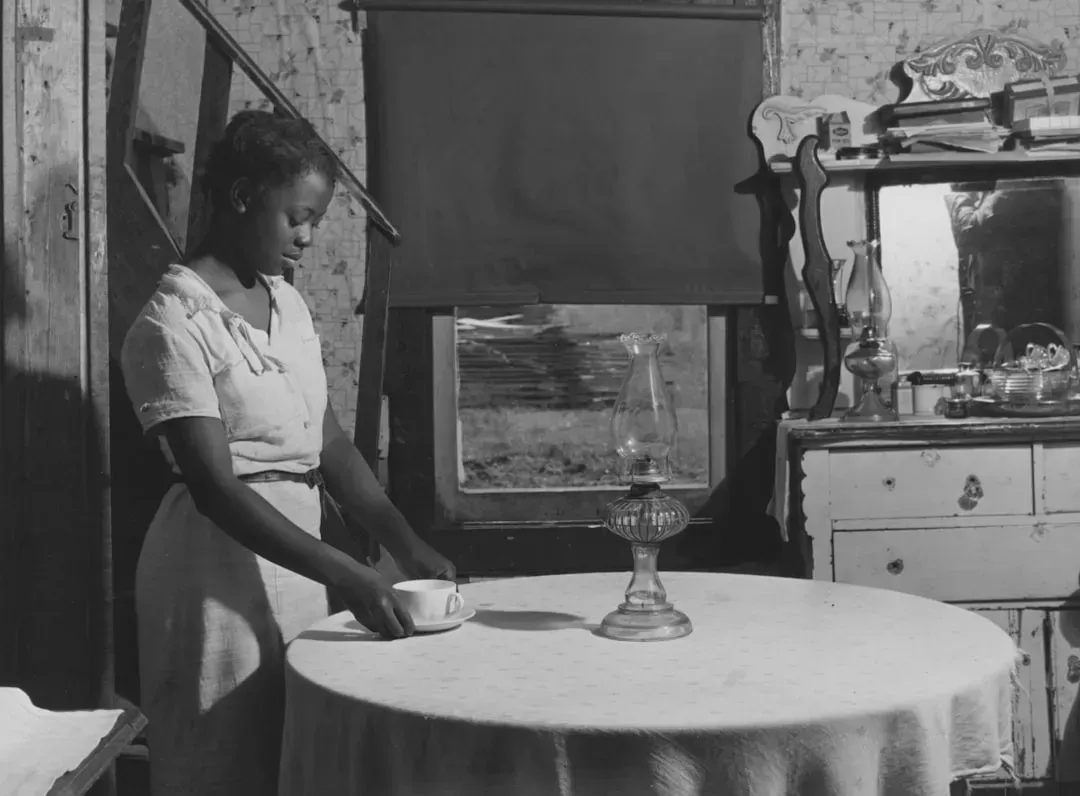
7. Formal dress was expected even for ordinary days at home (Image Credits: Unsplash)
Clothing standards in the 1950s applied to daily life in ways that seem almost formal by today’s casual norms. Women often wore dresses and did their hair even for routine grocery shopping or running errands around the neighborhood. Men typically kept a suit and tie for work and still dressed neatly at home, favoring button-down shirts over anything resembling loungewear.
This wasn’t purely vanity; it reflected genuine social expectations tied to respectability. Being seen in public looking disheveled reflected poorly not just on the individual but on the household as a whole. Even relaxing at home in the evening often meant staying reasonably put-together, since neighbors or relatives might stop by unannounced.
8. Major purchases were saved for, rarely financed on credit
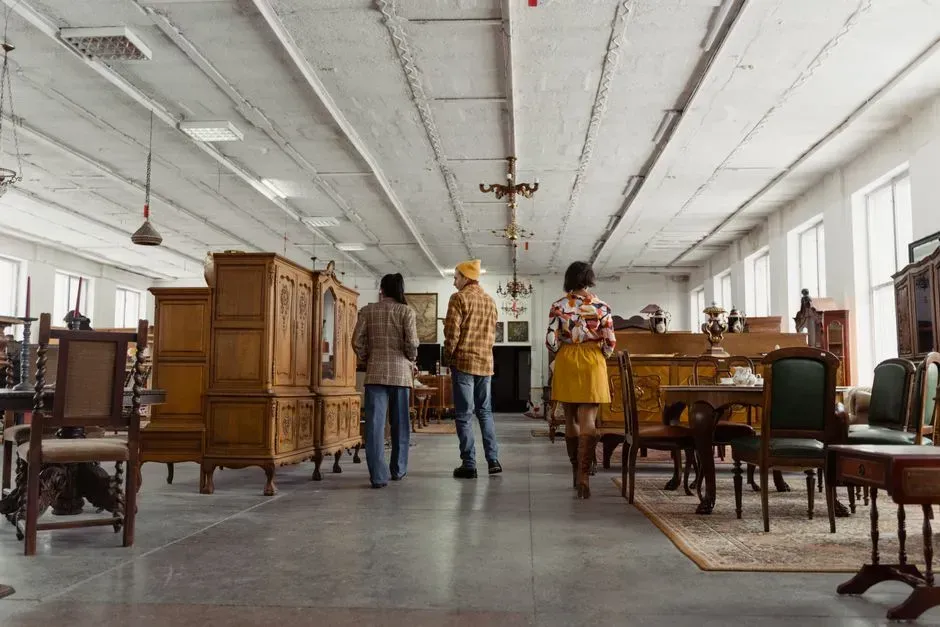
8. Major purchases were saved for, rarely financed on credit (Image Credits: Pexels)
Credit cards as we know them didn’t widely exist until the Diners Club card launched in 1950, and even then, adoption was slow and limited mostly to business travelers. Most 1950s couples saved cash for major purchases like furniture, appliances, or cars rather than financing them. Layaway programs at department stores were common, letting families pay down an item over weeks or months before taking it home.
This approach to spending reflected both limited credit access and lessons carried over from the Great Depression just two decades earlier. Many couples married in the 1950s had parents who had lived through serious financial hardship, and that caution around debt often got passed down. Buying something outright, even if it meant waiting months to afford it, was treated as the responsible and expected way to handle money.
Looking at these habits now, it’s easy to see how much of a 1950s marriage was shaped by circumstances outside anyone’s control: legal restrictions, limited technology, and social expectations that left little room for individual choice. Some of these patterns faded quickly as laws changed and household dynamics shifted in the following decades. Others lingered longer in certain families, quietly shaping how the next generation approached their own marriages.