
There’s a particular brand of humor that seems to skip a generation and land squarely on grandfathers. It’s the kind of joke that gets an eye roll from grandkids but somehow still earns a smile from grandma after forty or fifty years of marriage. These one-liners aren’t clever in a modern sense, and that’s exactly the point.
They’re familiar, a little corny, and delivered with perfect comedic timing that only comes from decades of practice. Here are nine classic lines that seem to live in nearly every grandpa’s back pocket.
1. "I'd say I love you more, but I don't want to lie"

1. "I'd say I love you more, but I don't want to lie" (Image Credits: Pexels)
This one works because it flips the expected romantic response into something playfully sarcastic. It sounds like an insult for half a second before landing as a joke, which is exactly why it gets a laugh instead of an argument. The timing matters here more than the words themselves.
Grandpas tend to deliver this with a straight face, letting the pause do the comedic work. It’s a low-stakes way of saying something sweet while pretending not to. That contradiction between tone and meaning is a comedy technique older than either of them, and it still holds up.
2. "I married you for your cooking, and I'm still waiting"

2. "I married you for your cooking, and I'm still waiting" (Image Credits: Pexels)
Food-based jokes are a staple of long marriages, partly because meals are such a consistent part of daily life together. This line pokes fun at domestic routine without actually criticizing anyone’s cooking. It works because everyone involved knows it’s not really about the food.
It also plays on a common trope from earlier generations, where marriage and home cooking were culturally linked. Grandpas who use this line usually follow it with a genuine compliment a few seconds later. The joke softens the moment rather than making it awkward.
3. "I'm not arguing, I'm just explaining why I'm right"

3. "I'm not arguing, I'm just explaining why I'm right" (Image Credits: Unsplash)
This is less about romance and more about the comedic dynamic of long-term disagreements. It calls out stubbornness in a self-aware way, which makes it funny instead of annoying. The line works because it names a pattern both people recognize from experience.
Couples who’ve been together for decades often develop shorthand for their recurring disagreements, and this is a classic example. It defuses tension by turning a small conflict into a shared joke. Saying it out loud usually stops the argument before it goes anywhere.
4. "She's the boss, I'm just the vice president of nothing"

4. "She's the boss, I'm just the vice president of nothing" (Image Credits: Pexels)
Self-deprecating humor is a reliable tool in a grandpa’s comedic arsenal, and this line leans into it fully. It exaggerates the idea of household hierarchy for comedic effect, even when the actual relationship is far more balanced. The joke works because it’s obviously not meant to be taken literally.
This kind of line often gets used in front of family or friends, turning a private dynamic into a shared laugh. It also lets grandpa poke fun at himself rather than his wife, which keeps the humor gentle. That self-directed angle is part of why it lands so consistently.
5. "I do all the thinking, she does all the deciding"
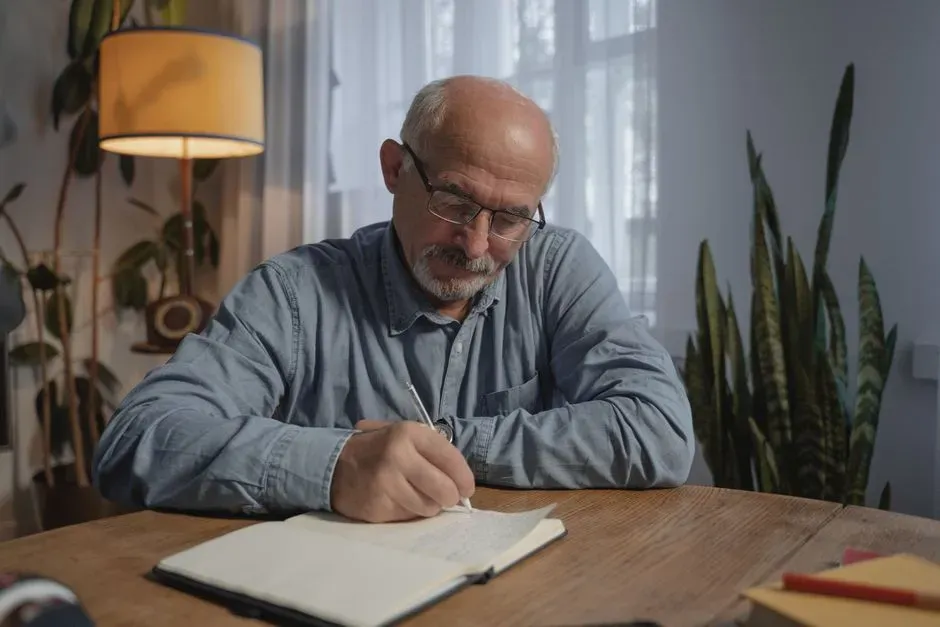
5. "I do all the thinking, she does all the deciding" (Image Credits: Pexels)
This one plays with the idea of division of labor in a relationship, turned slightly absurd for comedic value. It suggests a clear system while also admitting that one half of it barely matters. The humor comes from the honesty hidden inside the exaggeration.
It’s a line that tends to get used when someone asks who makes decisions at home. Rather than giving a straight answer, grandpa turns it into a bit. It’s simple, but it almost always gets a reaction.
6. "I told her I'd love her till the end of time, she said try lunch first"
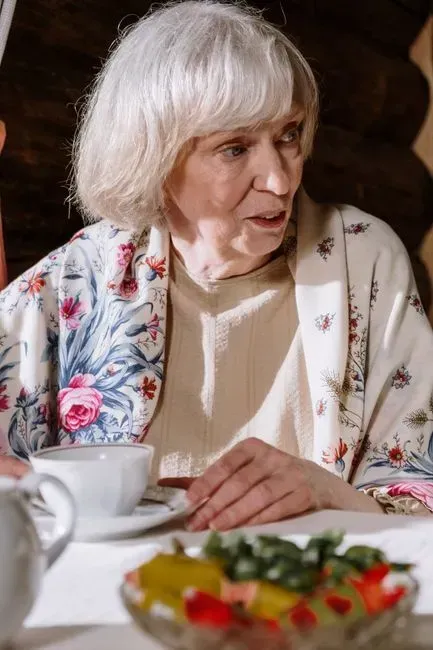
6. "I told her I'd love her till the end of time, she said try lunch first" (Image Credits: Pexels)
This one relies on a classic comedic structure: a romantic setup followed by an unexpectedly practical punchline. The joke works because it subverts expectations without undercutting the sentiment entirely. It’s warm and funny at the same time, which is a difficult balance to strike.
Lines like this often get repeated at family gatherings because they’re easy to remember and easy to deliver. The joke also works as a two-person routine, especially if grandma plays along with the punchline herself. That interactive quality makes it feel more like a shared performance than a one-sided joke.
7. "Behind every great woman is a man wondering what happened"
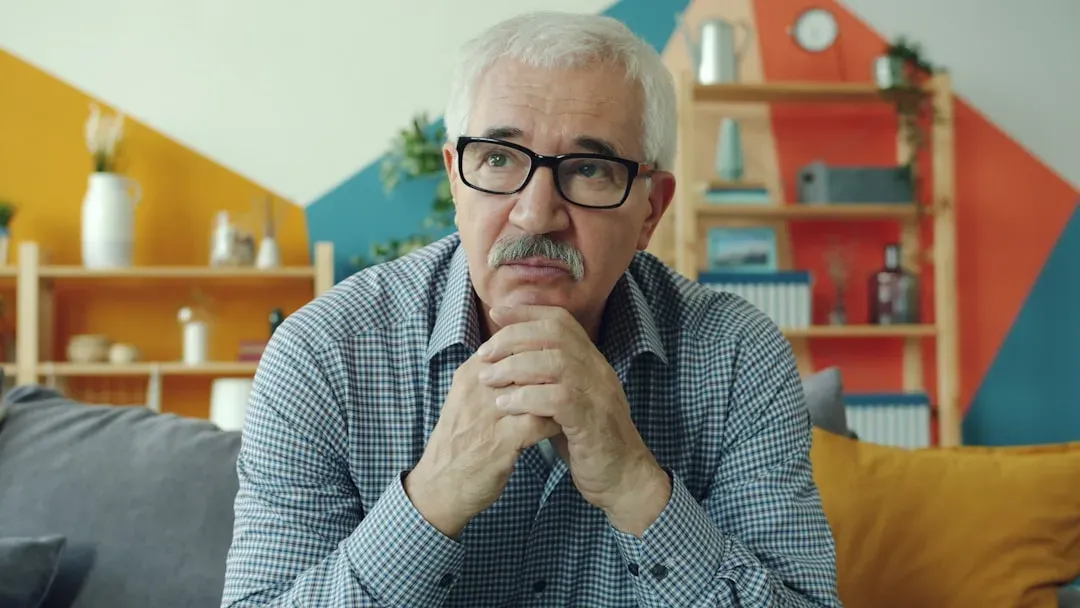
7. "Behind every great woman is a man wondering what happened" (Image Credits: Unsplash)
This line flips a familiar saying about supportive partners into something more self-deprecating. It works because it’s unexpected, twisting a phrase most people have heard in its original form. The surprise itself is what generates the laugh.
It also fits into a long tradition of wordplay humor, where familiar phrases get reworked for comedic effect. Grandpas often favor this style because it doesn’t require much setup. A single sentence does all the work.
8. "I'm not saying she's always right, I'm saying I've never been right when she wasn't"
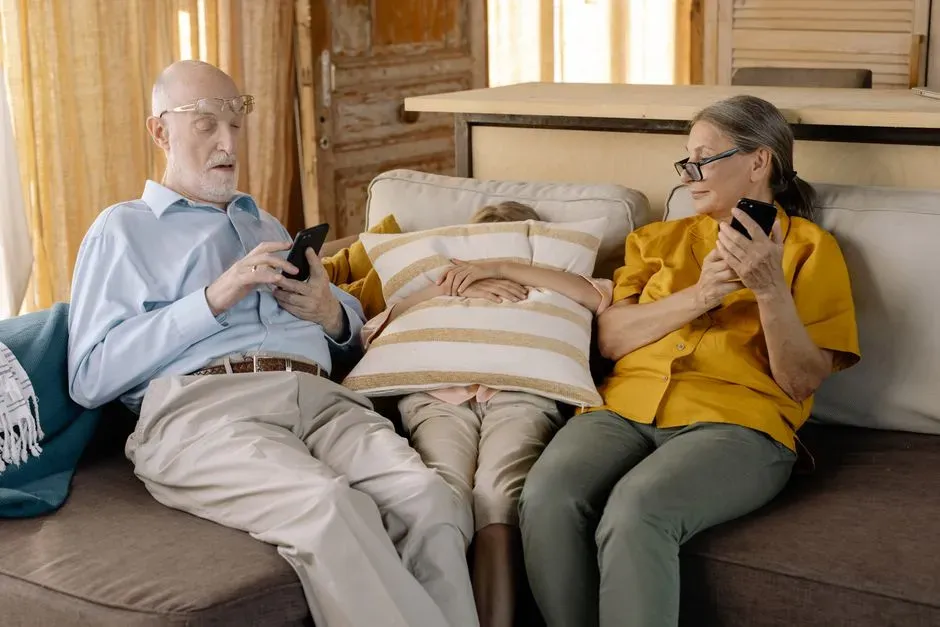
8. "I'm not saying she's always right, I'm saying I've never been right when she wasn't" (Image Credits: Pexels)
This line uses a bit of verbal gymnastics to make a simple point in a roundabout way. The humor comes from watching someone twist logic just enough to avoid a direct compliment. It sounds evasive, but everyone understands exactly what it means.
This kind of joke often shows up during family debates or light teasing sessions. It lets grandpa acknowledge his wife’s judgment without sounding overly sentimental. The slightly convoluted phrasing is part of what makes it memorable.
9. "We've been happily married for years, some of them were even together"

9. "We've been happily married for years, some of them were even together" (Image Credits: Unsplash)
This is one of the most widely recognized marriage jokes, and its staying power says a lot about why it works. It pokes fun at the ups and downs of long relationships without being mean-spirited. The honesty behind the exaggeration is what makes it land.
It’s often used as a closing line during toasts or family stories, giving it a sense of comedic timing built for an audience. Grandpas tend to deliver it with a grin, fully aware of the groan it’s about to produce. That anticipation is part of the charm.
These lines share a few things in common: timing, familiarity, and a willingness to poke fun at oneself rather than the other person. They’re not meant to be original. They’re meant to be reliable, which is exactly why they get repeated for decades.