
There was a time when tipping had clear boundaries. You tipped a server who brought food to your table, refilled your drink, and checked in throughout the meal. Everything else, especially anywhere involving a counter, a menu board, or a to-go bag, stayed tip-free by default.
That line has blurred considerably over the past few years. Digital payment screens now flip toward customers in places that never had a tip jar, let alone a suggested percentage, and the shift has been fast enough that many diners still feel caught off guard. Here is a look at eight types of restaurants where tipping has quietly become the norm, along with what is actually driving the change.
1. Fast-Casual Chains Like Chipotle and Qdoba
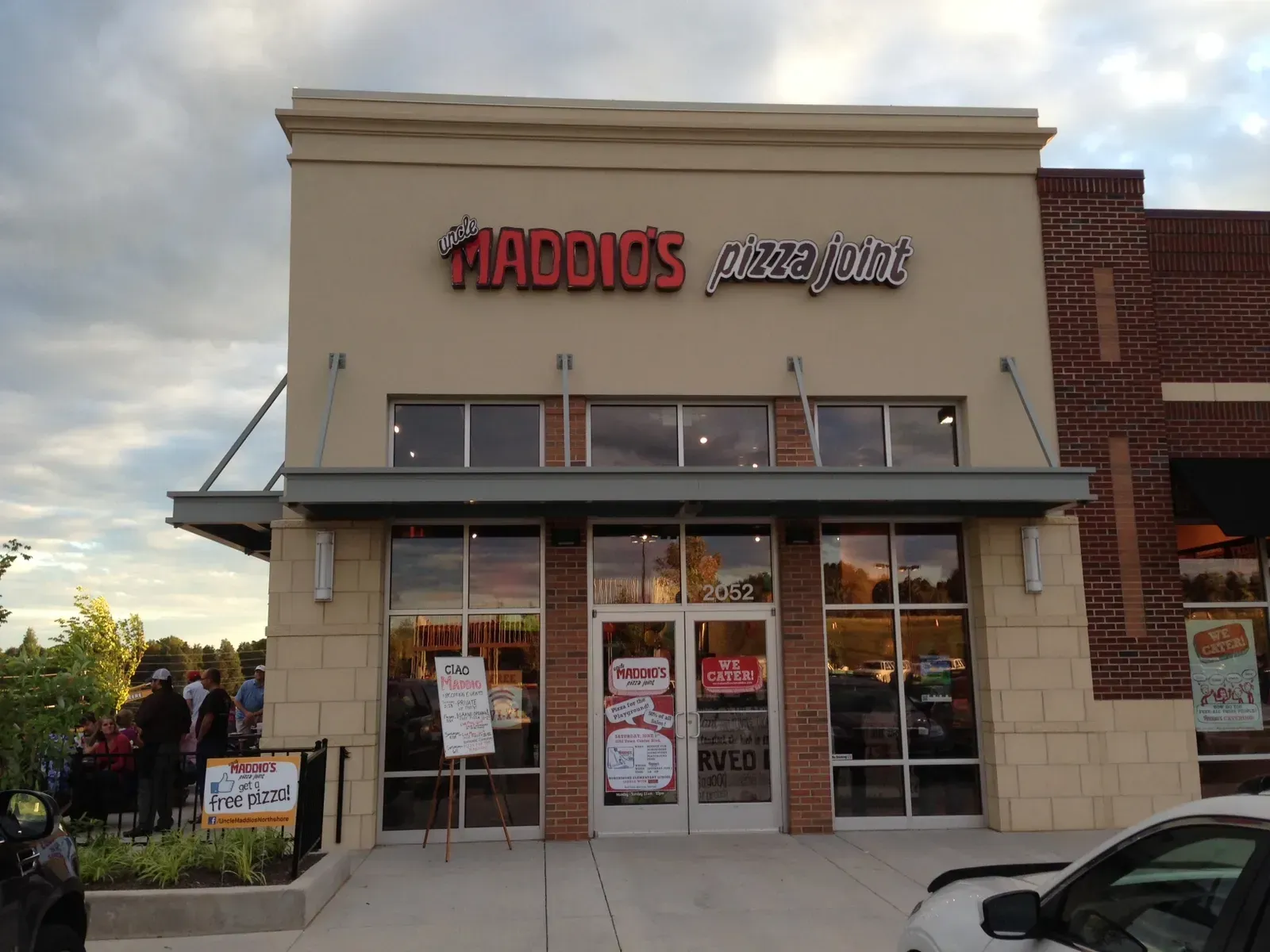
1. Fast-Casual Chains Like Chipotle and Qdoba (By Father O'Day, <a href="https://commons.wikimedia.org/w/index.php?curid=27391921" target="_blank" rel="noopener">CC BY-SA 3.0</a>)
Fast-casual restaurants built their identity on skipping table service, and for years that meant skipping tips too. That changed as chains adopted tablet-based checkout systems. Consumers have grown more welcoming toward tips at fast casuals like Chipotle and Panera, even though the absence of gratuities was once viewed as a big part of these concepts’ appeal.
The reaction has been mixed at best. About a third of respondents said those places shouldn’t ask for tips, while a quarter said they don’t mind but won’t typically leave one. Even so, once the tablet is in front of a customer with staff watching, plenty of people tap a percentage just to move the line along.
2. Coffee Shops Including Starbucks and Dunkin
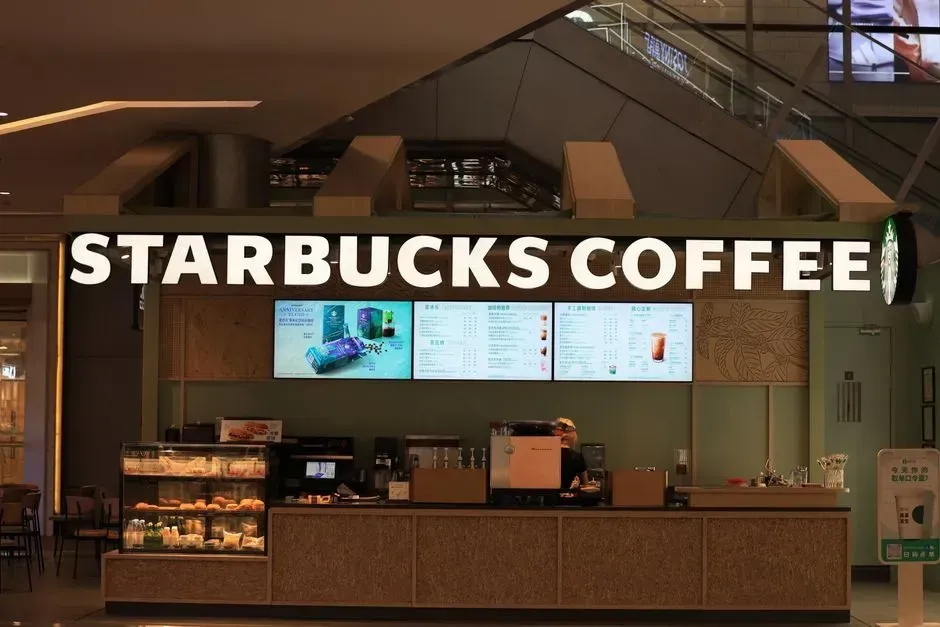
2. Coffee Shops Including Starbucks and Dunkin (Image Credits: Pexels)
Coffee counters may be the single biggest battleground in the tipping debate. At a Starbucks on Chicago’s Northwest side, the credit card terminal asks customers if they want to add a tip before paying, with suggested options of $1, $2, or $5. That kind of prompt has become standard across cafes nationwide, not the exception.
Public opinion on this one is genuinely split rather than uniformly negative. The response was similar for coffee cafes like Starbucks and Dunkin’, though more than a quarter said they typically tip a dollar or two at a place like Starbucks. Notably, some chains have started walking these prompts back after customer pushback, with reports in late 2025 indicating major chains like Starbucks and Panera are removing digital tipping prompts at checkout.
3. Pizza Delivery Chains Like Domino's
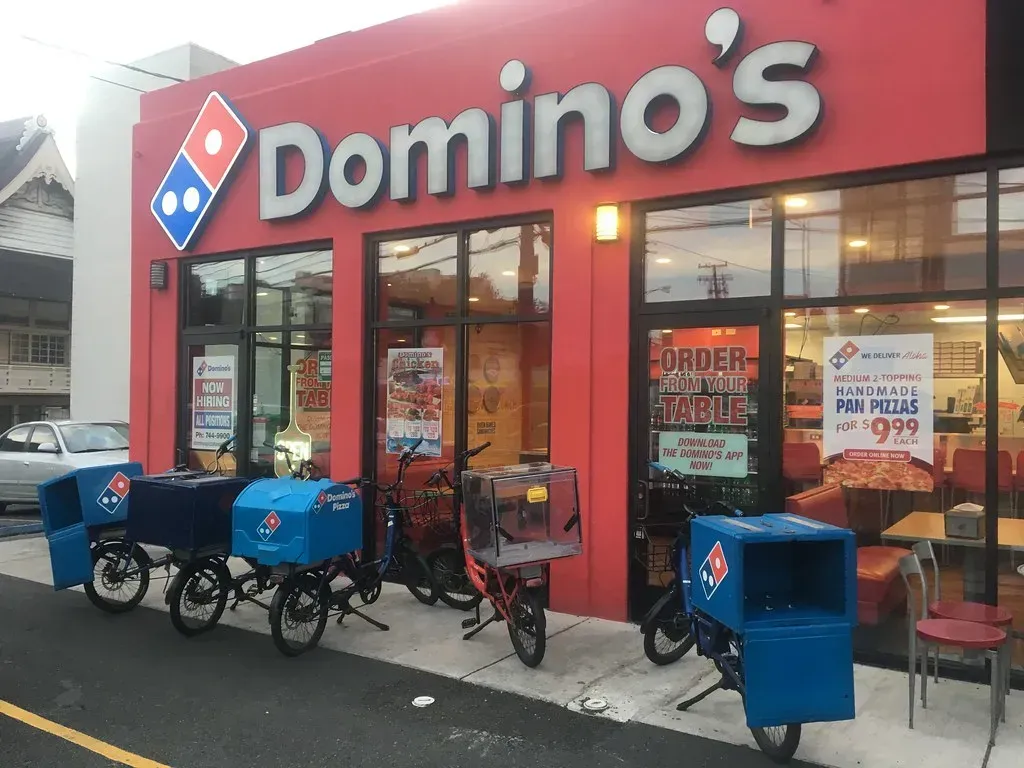
3. Pizza Delivery Chains Like Domino's (Erica _ Fischer, Flickr, <a href="https://creativecommons.org/licenses/by/2.0/" target="_blank" rel="noopener">CC BY 2.0</a>)
Pizza delivery has always involved some tipping tradition, but the intensity around it has escalated. Domino’s has taken an unusual approach by leaning into the frustration rather than fighting it. The chain launched a promotion that rewards customers with $3 off a future online delivery order for every $3 or more they tip a Domino’s delivery driver, running through mid-September.
The messaging around the campaign openly acknowledges how exhausting tip requests have become. A narrator in the commercial says there’s a lot of pressure to tip these days, showing people being asked to tip at the grocery store, gym, and even a wedding, before the tagline about Domino’s tipping customers back. It’s a clever way to reinforce tipping as expected while pretending to sympathize with tip fatigue.
4. Sandwich Shops Like Subway and Jimmy John's
4. Sandwich Shops Like Subway and Jimmy John's (Image Credits: Unsplash)
Sandwich counters are about as close to self-service as a restaurant gets, which makes the tip prompts there feel especially jarring to longtime customers. Complaints about Subway specifically have circulated widely, with one online commenter bluntly asking why Chipotle, Qdoba, and Subway started flashing tip screens in the first place.
Survey data backs up the skepticism. More than 6 in 10 people told Technomic that fast-food places like McDonald’s and Subway shouldn’t ask for a tip at all, while another 17% said it’s fine if they ask but they typically don’t add one. Yet the prompts keep showing up, largely because the payment technology defaults to including them unless an owner actively disables the feature.
5. Ice Cream Parlors and Dessert Shops

5. Ice Cream Parlors and Dessert Shops (Image Credits: Pexels)
Few transactions feel less service-heavy than ordering a scoop of ice cream, yet dessert shops have become a frequent flashpoint for tip creep. When you visit an ice cream parlor or a sweet shop, the transaction is typically brief and straightforward, and a prompt for a tip sometimes appears even though the service is minimal and fast.
Etiquette guidance on this one leans firmly toward skipping the extra charge. It’s OK to forgo the tip at most fast-casual places like bakeries or ice cream shops that pay their workers at least a minimum wage. Still, the awkwardness of the screen turning around, with a cashier standing right there, pushes a lot of customers to tap something anyway.
6. Food Trucks
6. Food Trucks (Image Credits: Pexels)
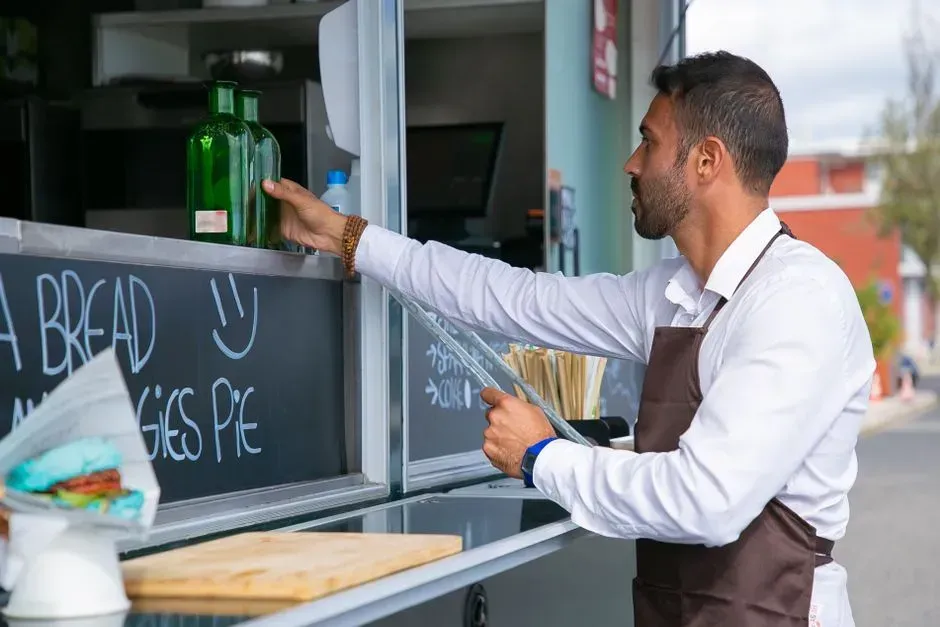
Food trucks occupy a strange middle ground. There’s more personal interaction than at a drive-through, but usually no table service, no delivery, and no real difference from ordering at any other counter. Mobile POS systems adopted industry-wide have brought the same swivel-screen tipping prompts to trucks that once ran mostly on cash and simple tip jars.
Recent survey tracking shows just how much tip amounts at trucks have shifted even within a single year. Tips at food trucks averaged 27%, down from 32% just months earlier in September 2025. The decline suggests fatigue is setting in, but the expectation to tip something at all has clearly stuck around even as the amounts shrink.
7. Self-Serve Buffets
7. Self-Serve Buffets (Image Credits: Pexels)
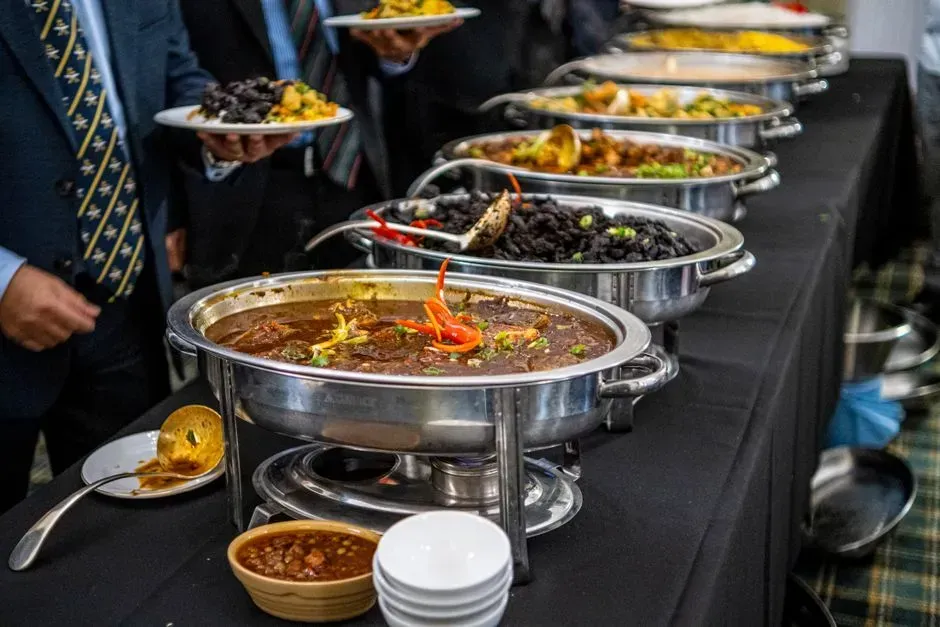
Buffets seem like an obvious candidate for tip-free dining since customers do their own plate-filling. But staff still handle drink refills, plate clearing, and general upkeep, which has kept a modest tipping tradition alive even as digital prompts push the numbers higher than they used to be. At a buffet, you’re serving yourself, but staff are still clearing plates, refilling drinks, and maintaining the dining area, so a 10% tip is appropriate for attentive buffet staff.
What has changed is not the custom itself but the way it’s presented. Where a buffet might once have had a small tip jar near the register, many now run card payments through a terminal that defaults to a percentage-based prompt, nudging customers toward a higher number than the informal 10% norm that guidebooks still recommend.
8. Convenience Store and Grocery Food Counters
8. Convenience Store and Grocery Food Counters (Image Credits: Gallery Image)
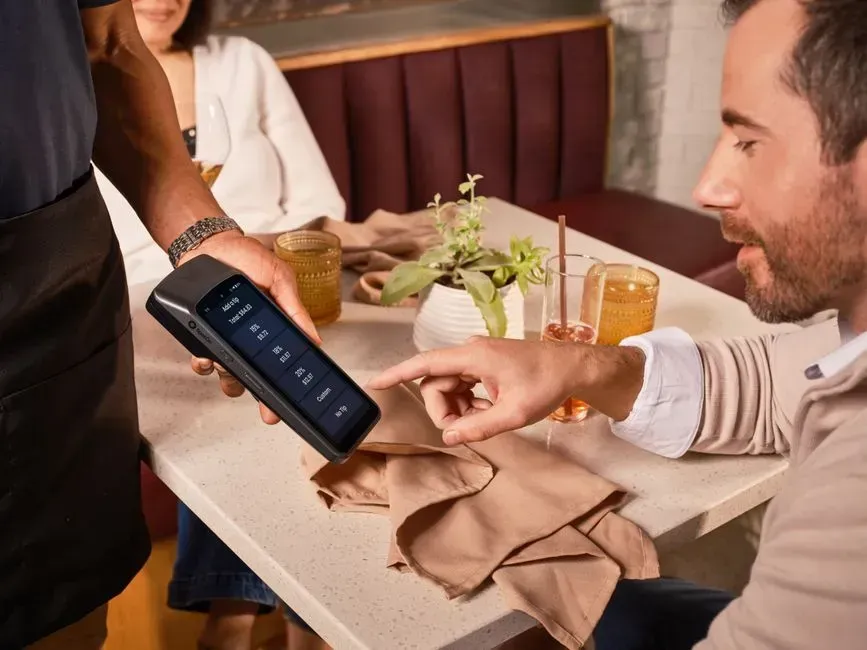
Perhaps the most jarring addition to the tipping landscape has been convenience stores and grocery store food counters, spaces that historically had zero connection to gratuity culture. At convenience store checkouts, customers quickly pay for everyday items like snacks or drinks, and occasionally a tip prompt appears on the payment terminal even though no additional service is rendered, making the request feel awkward and out of context.
The trend extends even further than snack counters. Americans are being asked to tip on digital screens for everything from a cup of coffee to self-checkout at grocery stores, and many are frustrated with the new tipping culture. When a machine you’re operating yourself asks for a gratuity, the disconnect between effort and expectation becomes hard to ignore.
The common thread across all eight categories is technology, not tradition. Card readers and tablets running platforms like Square or Toast often ship with tipping prompts switched on by default, and those defaults typically suggest 15%, 20%, and 25% for transactions over ten dollars. Business owners can turn the feature off, but many simply haven’t, either out of inertia or because the extra revenue helps offset wage pressures without raising menu prices.
Data suggests the backlash is already reshaping behavior. Square found that in the first quarter of 2025, the average tip on food and beverage transactions was 15.17%, falling to 14.99% by the second quarter as consumer confidence dipped. Whether that decline continues or reverses likely depends on how many businesses decide the awkward swivel screen is worth the customer irritation it creates.