
There was a time when a Tuesday night might mean a Rotary meeting, a Sunday morning meant church, and a Saturday afternoon meant a block party with folding tables and a cooler full of soda. Those rhythms shaped entire neighborhoods for generations. Lately, though, the calendar looks different, and the reasons behind that shift are more layered than simple laziness or disinterest.
Sociologists have been tracking this drift for decades, but the pace has noticeably quickened in the past few years. What follows is a look at nine community rituals that have quietly faded from daily American life, along with the research explaining why people have stepped back from them.
1. Weekly church attendance

1. Weekly church attendance (Image Credits: Unsplash)
Regular churchgoing has been one of the most closely tracked casualties of changing American habits. Gallup data shows that weekly or near weekly religious attendance sat at an average of 42% of U.S. adults attended religious services every week or nearly every week two decades ago, a number that has since dropped substantially. More recent figures put that share at 30% currently, a decline researchers link directly to a shrinking pool of religiously affiliated Americans.
The Heritage Foundation’s long-range analysis paints an even starker picture, noting that in 1975, about 35 percent of American adults attended religious services every week, nearly every week, or several times a week, but by 2022, only 22 percent of Americans attended religious services at least once a week. Much of this is tied to demographic change rather than a single cultural rejection of faith. This decline is largely driven by the increase in the percentage of Americans with no religious affiliation, moving from 9% in 2000-2003 to 21% in 2021-2023, almost all of whom do not attend services regularly.
2. Joining civic and service clubs

2. Joining civic and service clubs (Image Credits: Pexels)
Groups like Rotary, Kiwanis, and Lions Clubs once served as the social backbone of small towns, offering both networking and a built-in sense of purpose. That backbone has weakened considerably. Robert Putnam’s landmark research found that attending club meetings, such as those held by Rotary and Kiwanis groups, declined by 58 percent in the period 1975-2000, a trend that has only continued since.
Rotary International’s own numbers illustrate the ongoing struggle. Membership was more than 400,000 in 1995, and it’s roughly 330,000 today, with only about one in ten members under 40. The organization is also losing more people than it’s gaining each year, as Rotary has been losing more members than it has been gaining, with about 44,000 new people signing up every year, but 51,000 departing.
3. Fraternal orders like the Elks, Masons, and Shriners
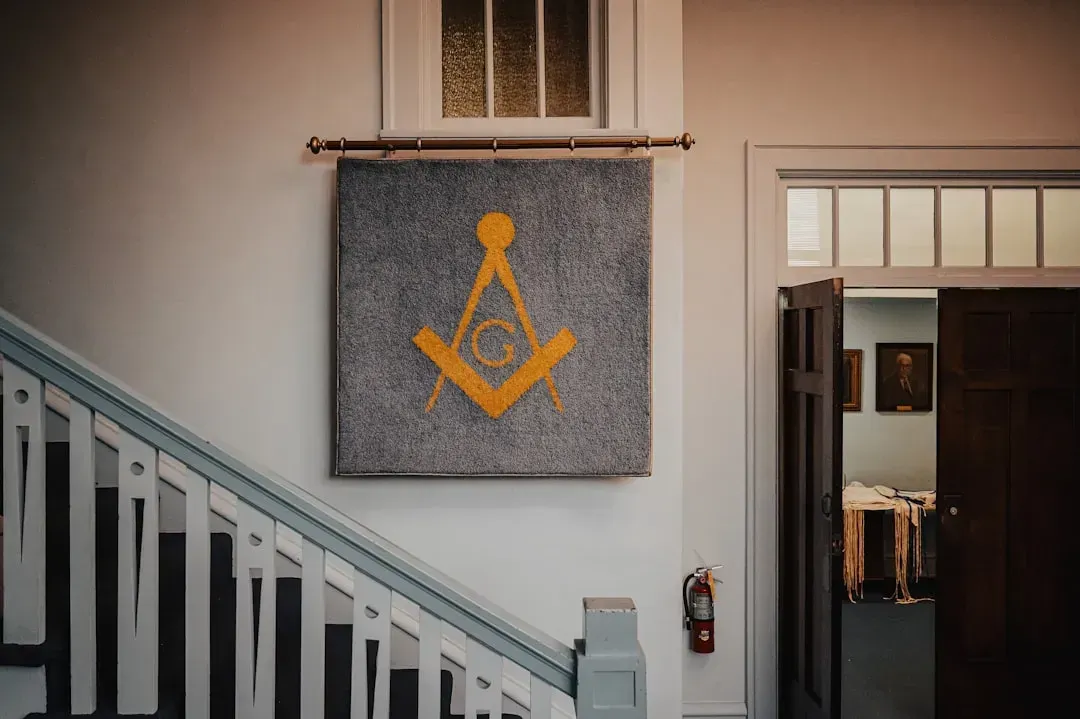
3. Fraternal orders like the Elks, Masons, and Shriners (Image Credits: Unsplash)
Fraternal lodges once anchored entire town squares, complete with their own buildings, rituals, and multigenerational membership rolls. Those institutions have been hollowed out over the past several decades. The Masons alone report having lost three million members since the 1950s, a staggering figure for an organization that once defined civic life in countless communities.
The pattern repeats across similar groups. The Elks have seen membership decline by 50% since 1980, while the Shriners’ rolls have dropped by 50% since 1990. Fewer young professionals are stepping in to replace aging members, leaving many lodges with buildings far larger than their remaining rosters actually need.
4. Neighborhood block parties and potlucks
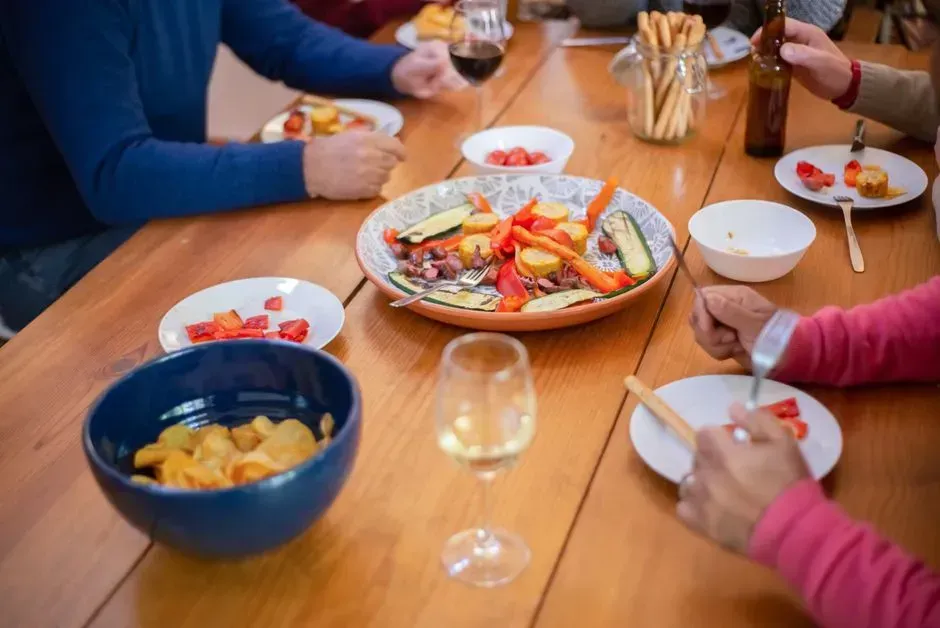
4. Neighborhood block parties and potlucks (Image Credits: Pexels)
The classic block party, where neighbors close off a street and everyone brings a dish, has become something closer to a novelty than a habit. Broader research on civic life backs this up, with one recent study noting that regular attendance at local events and participation in community activities have become exceptions rather than norms. What used to happen organically now often requires deliberate planning and outside encouragement.
That’s part of why national campaigns have emerged to try to revive the tradition. America’s Potluck, tied to the 250th anniversary of the Declaration of Independence, was built specifically around the idea that America’s Potluck is an opportunity for neighbors to join with one another to share a fun, communal meal, creating a sense of connection and belonging. The fact that such an effort needs a formal campaign at all says something about how rare these gatherings have become on their own.
5. Formal dinner parties and home entertaining

5. Formal dinner parties and home entertaining (Image Credits: Unsplash)
Hosting a proper sit-down dinner for friends used to be a routine part of adult social life. Recent data suggests otherwise. A widely cited figure from the Bureau of Labor Statistics found that just 4.1 percent of Americans attended or hosted a social event on an average weekend or holiday in 2023, a number that surprised even researchers who study social behavior closely.
The response to this has been notable. The U.S. Surgeon General’s office released a guide aimed at nudging people back toward hosting, and as one report described it, Murthy’s office recently released a booklet titled “Recipes for Connection,” filled with ideas and tips to ease anxieties around hosting a gathering. Cost, cramped living spaces, and simple unfamiliarity with the format have all been cited as reasons younger adults in particular have drifted away from formal entertaining.
6. Casual house parties among young people

6. Casual house parties among young people (Image Credits: Unsplash)
It isn’t just the formal dinner party that’s disappeared. Informal, everyday socializing has taken a hit too, especially among the youngest adults. According to the American Time Use Survey, time spent attending or hosting social events decreased by 50 percent among Americans aged 15 and older between 2003 and 2024, with the decline reaching 69 percent for those aged 15 to 24.
The drop is steep enough that it’s changed the basic texture of adolescence and early adulthood for many people. Face-to-face socialization of any kind decreased by 35 percent over the past two decades for that age group. Increased parental oversight, more screen-based entertainment, and lingering effects from pandemic-era isolation have all been floated as contributing factors.
7. PTA meetings and school volunteering
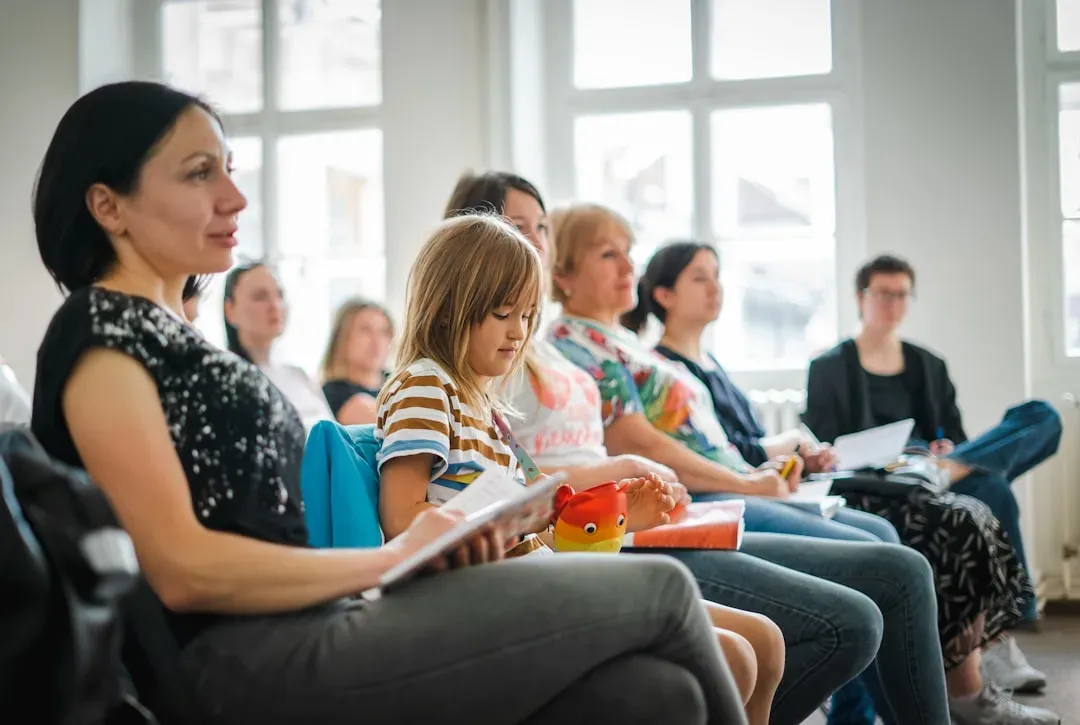
7. PTA meetings and school volunteering (Image Credits: Unsplash)
Parent-teacher organizations were once a near-mandatory part of raising school-age kids, filled with bake sale planning and classroom volunteering. That’s shifted noticeably in recent years. Coverage of the broader civic decline notes plainly that parent-teacher organizations no longer attract the interest they once did, even as schools continue to rely on the same level of parental support they always have.
Dual-income households, longer commutes, and the sheer number of extracurricular demands on families have all squeezed out the time that used to go toward PTA involvement. Many schools have responded by shrinking meeting frequency or moving discussions online, which helps attendance numbers but changes the social dynamic entirely. What used to be a chance to actually know other parents has often become a quick email thread instead.
8. Bowling leagues and organized recreational clubs

8. Bowling leagues and organized recreational clubs (Image Credits: Gallery Image)
Robert Putnam’s book “Bowling Alone” became shorthand for this entire trend because the sport captured something universal about how Americans used to socialize. His research, published in 2000, painted a picture of the evaporation of social organization in the U.S., compiling data showing how dramatically American modes of social assembly have changed. Bowling leagues were simply the most visible example of a much wider pattern.
That withdrawal wasn’t limited to bowling alleys. Much of this withdrawal from the public forum has been a retreat from the political, alongside an equally important withdrawal from service and fraternal groups. Recreational leagues of all kinds, from softball to card clubs, have followed a similar downward trajectory as people’s free time has fragmented into smaller, more solitary pursuits.
9. Everyday neighboring and front-porch chats
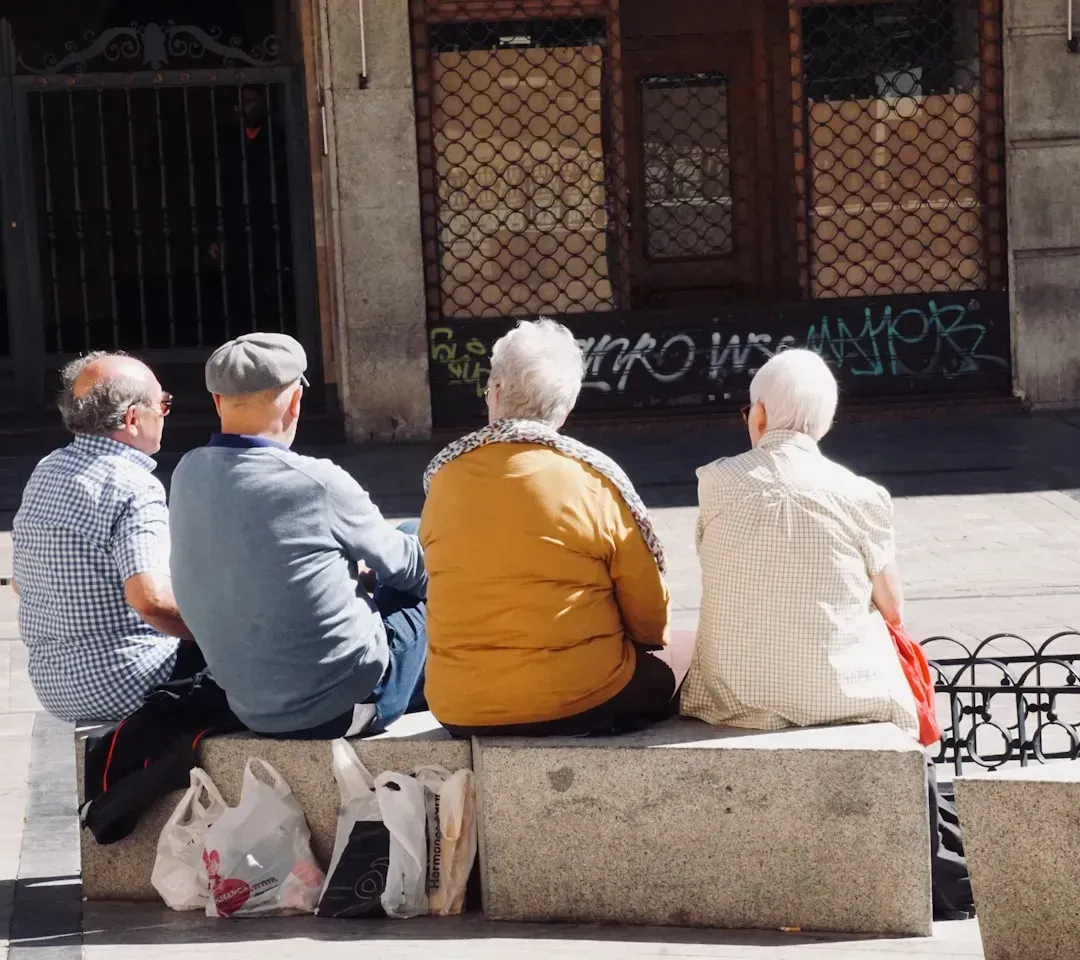
9. Everyday neighboring and front-porch chats (Image Credits: Unsplash)
Even the smallest community ritual, simply talking to the people next door, has thinned out. AmeriCorps survey data found that 57% of Americans report talking with their neighbors at least once a month, with only 8% speaking to their neighbors daily. That’s a far cry from the stereotype of neighbors constantly in and out of each other’s yards.
Deeper conversation has faded even more than casual contact. The same research found that the level of discussing politics, social issues, and local affairs with neighbors has decreased, falling from 33% in 2017 to approximately 29%. Interestingly, practical help between neighbors hasn’t disappeared entirely, since Census Bureau figures show an estimated 54.2% of Americans helped or exchanged favors with neighbors such as house sitting, running errands, or lending tools between September 2022 and 2023, compared to 51.7% in 2019, suggesting people still lean on each other even when they talk less.
The bigger story behind the numbers
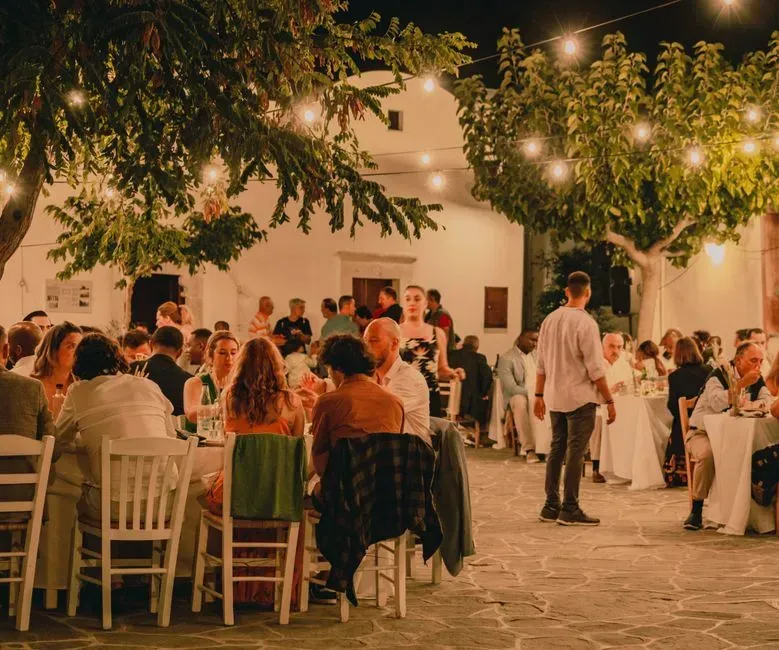
The bigger story behind the numbers (Image Credits: Pexels)
Taken together, these nine trends don’t point to a single villain like social media or the pandemic, even though both play a role. They reflect decades of shifting work schedules, smaller living spaces, dual-income households, and a culture that increasingly outsources connection to apps and algorithms rather than folding chairs and casserole dishes. Robert Putnam was writing about this erosion long before smartphones existed, which suggests the roots run deeper than any one piece of technology.
What’s worth noting is that none of these traditions are entirely gone. Small pockets of revival are visible, from potluck campaigns to Surgeon General initiatives encouraging people back to the dinner table. Whether those efforts are enough to reverse a half-century trend remains an open question, but the fact that people are actively trying to rebuild these habits suggests the appetite for community hasn’t disappeared, only the routines that used to deliver it automatically.