
Every neighborhood has one now. A WhatsApp thread, a Nextdoor feed, a Facebook group with a name like “Maple Street Watch” that somehow generates more notifications than actual news outlets. What started as a convenient way to share lost cat flyers and trash pickup schedules has, in a lot of places, turned into something closer to a low-grade soap opera that never ends.
The tools themselves aren’t the problem. It’s the patterns that show up again and again, the same missteps repeated block after block, city after city, as if there’s an unwritten manual everyone accidentally memorized. Here are four habits that keep popping up, and why they tend to do more harm than good.
1. Turning every minor inconvenience into a public complaint

1. Turning every minor inconvenience into a public complaint (Image Credits: Pexels)
Someone parks slightly over the line. A dog barks for ten minutes on a Tuesday afternoon. Within minutes, it’s posted to the group chat with a photo, a timestamp, and a tone that suggests a crime has been committed rather than a mild annoyance. This habit turns small, forgettable moments into permanent digital records that neighbors can scroll back to months later.
The irony is that most of these issues would resolve faster with a quick, private conversation than a public callout ever could. Posting publicly invites a pile-on, where three other people chime in with their own unrelated grievances, and the original issue gets buried under commentary. What could have been a two-minute chat at the mailbox becomes a thread with forty replies and zero resolution.
2. Sharing unverified crime alerts without checking first
2. Sharing unverified crime alerts without checking first (Image Credits: Pexels)
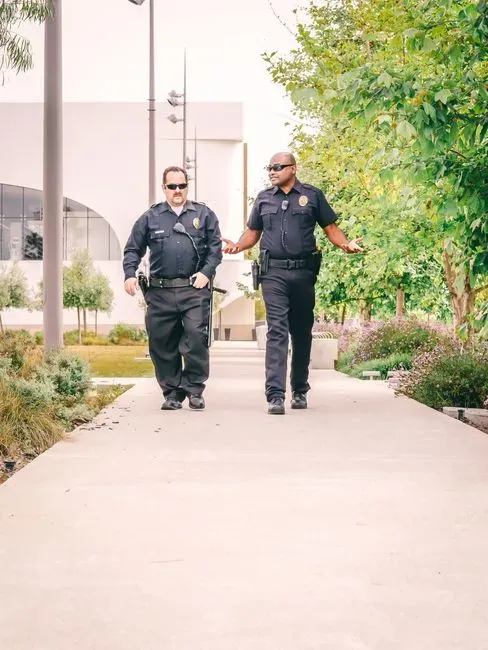
A blurry photo of someone walking down a driveway at night gets posted with a caption like “suspicious person, be careful.” No context, no confirmation, sometimes not even a report to local police. It spreads fast because fear travels faster than facts, and within an hour half the neighborhood believes a crime wave is underway based on a single unclear image.
This habit matters because misinformation in these groups doesn’t just create unnecessary anxiety, it can also lead to neighbors being wrongly flagged simply for looking different or being unfamiliar. Community safety experts and local law enforcement liaisons routinely encourage residents to verify with official non-emergency lines before broadcasting alarm to hundreds of people. A little patience before hitting send would spare a lot of neighbors from being falsely painted as threats.
3. Letting political arguments hijack a practical channel
3. Letting political arguments hijack a practical channel (Image Credits: Pexels)
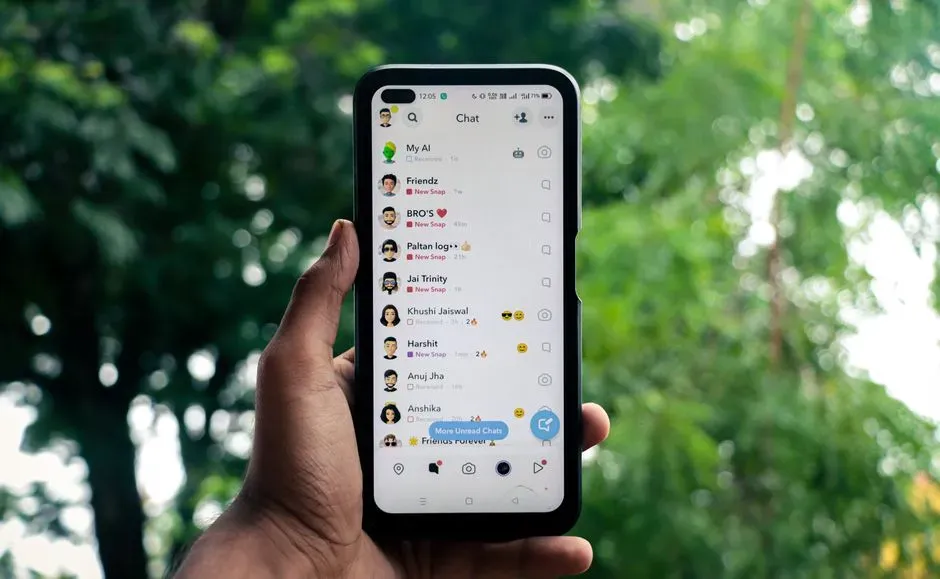
A group meant for sharing recycling schedules or organizing a block party inevitably drifts into debates about zoning laws, school board elections, or national politics that have nothing to do with the street itself. One comment about a local ballot measure turns into a three-day argument involving people who don’t even live in the same voting district. The original purpose of the chat gets lost entirely.
These detours don’t just waste time, they often fracture the group’s trust and make people hesitant to post anything at all going forward. Many admins of neighborhood groups have had to introduce strict no-politics rules just to keep the space functional, a sign of how disruptive this pattern has become. Once a chat turns into a debate stage, its usefulness as a practical tool tends to disappear.
4. Overloading the group with notifications instead of using direct messages
4. Overloading the group with notifications instead of using direct messages (Image Credits: Gallery Image)
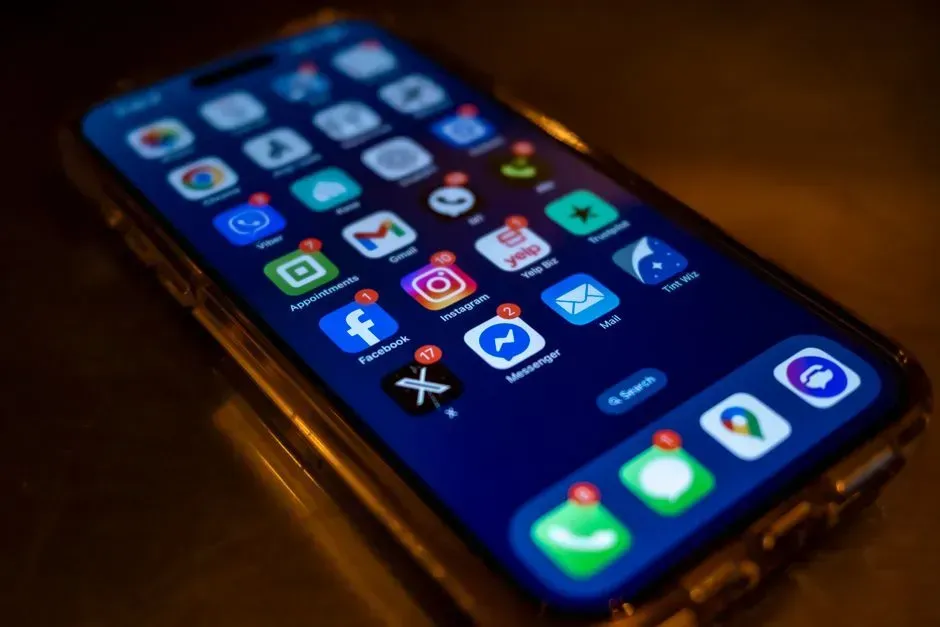
Someone wants to ask one neighbor a quick question about a fence line, but instead of a private message, it goes to the entire group of eighty people. Then five others reply with their own opinions on fences in general, and the notification count climbs into the dozens for something that concerned exactly two households. This habit turns a shared tool into a source of digital fatigue rather than convenience.
Group fatigue is a real and measurable phenomenon, and it’s one of the most common reasons neighbors mute or quietly leave these chats altogether. When every minor exchange gets broadcast to everyone, the signal-to-noise ratio drops fast, and people stop paying attention even when something genuinely important comes through. Ironically, the habit meant to keep everyone informed ends up making people tune out entirely.
None of these habits are unique to any one neighborhood or platform. They show up in suburban cul-de-sacs and dense city blocks alike, largely because group chats reward speed and reaction over thought and restraint. Recognizing the pattern is the easy part. Breaking it takes a bit more discipline than most people expect, but the payoff is a neighborhood channel people actually want to check instead of one they learn to dread.