
Grocery bills have become something of a national obsession, and for good reason. Between egg prices swinging wildly, beef climbing at a pace nobody asked for, and the occasional welcome dip in a category or two, keeping a family fed without blowing the budget takes more than luck. It takes knowing which foods actually stretch, which ones hold their price, and how to build a cart around them.
The good news is that federal data still backs up a simple idea: a household of four can eat well, every day, for a number that starts with a one and ends well under two thousand. The trick lies in which eight staples do most of the heavy lifting.
Rice: the quiet backbone of a cheap dinner
Rice: the quiet backbone of a cheap dinner (Image Credits: Unsplash)
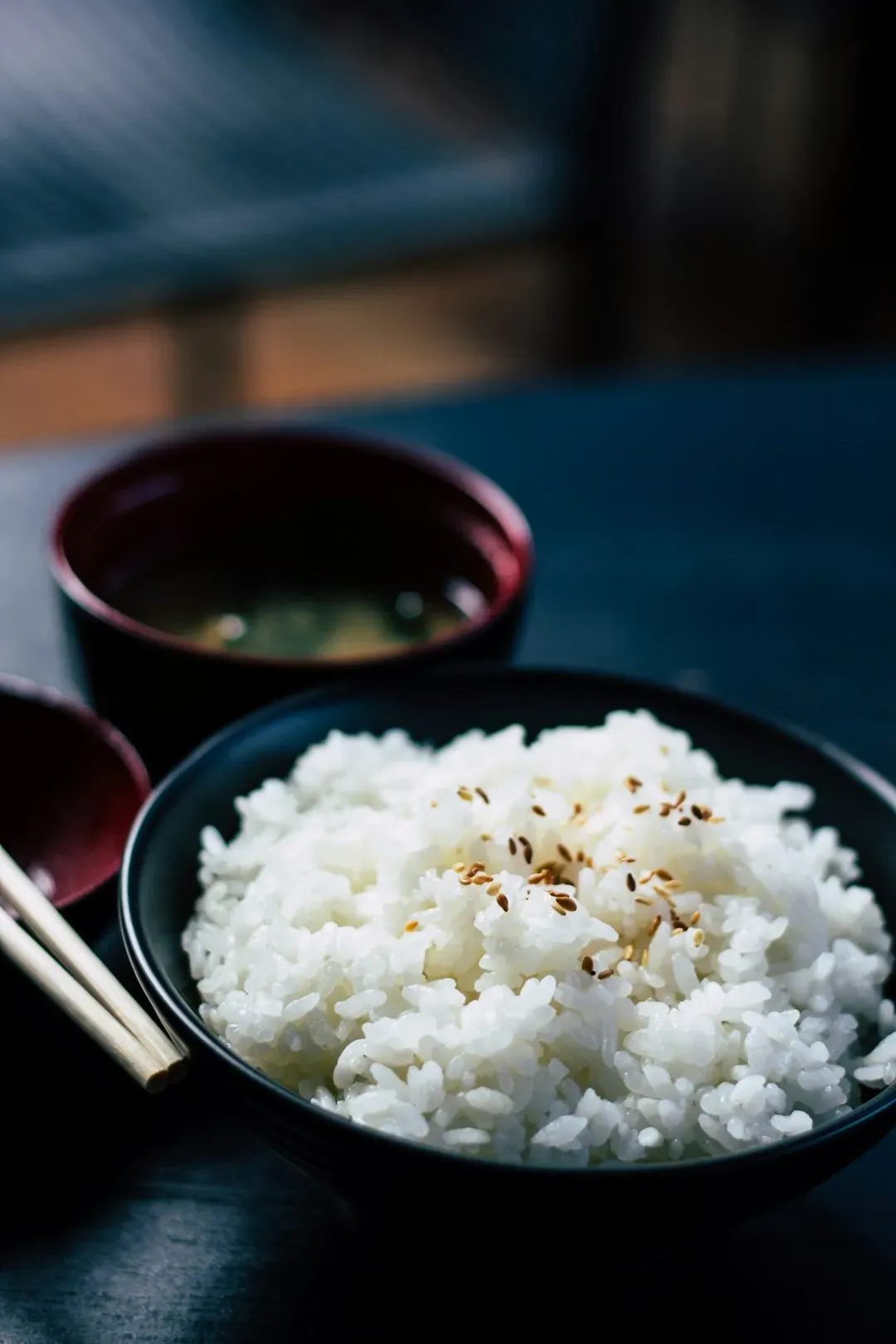
Rice remains one of the most reliable calories-per-dollar foods on the market, and it has stayed that way even as other grocery categories lurched up and down. Rice and dry beans have only risen about 11% since 2020, making them relatively stable staples compared to meat, sugar, or beverages. That kind of price stability matters when a family is trying to plan a month of meals without guessing what next week's receipt will look like.
A large bag of long grain white or brown rice can anchor dozens of meals, from simple rice and beans to fried rice using up leftover vegetables and a couple of eggs. It also freezes and reheats well, which cuts down on waste, one of the quiet budget killers in any kitchen. For a family trying to stay under a set monthly number, rice is often the single ingredient that makes the math work.
Dried beans and lentils: cheap protein that never really left
Dried beans and lentils: cheap protein that never really left (cookbookman17, Flickr, <a href="https://creativecommons.org/licenses/by/2.0/" target="_blank" rel="noopener">CC BY 2.0</a>)
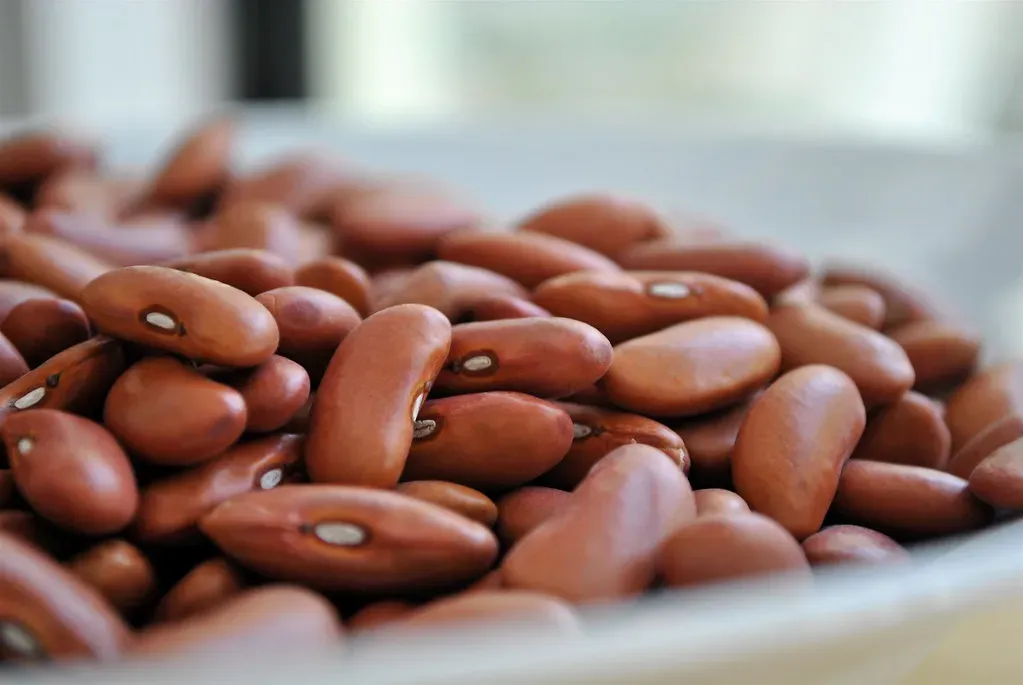
Beans get overlooked because they are not glamorous, but they are one of the few proteins that have not been swept up in the volatility hitting meat and eggs. As the same tracking noted, rice and dry beans have remained relatively stable staples over the past several years, which is a meaningful contrast to categories like beef that have jumped sharply.
A pound of dried pinto or black beans, cooked from scratch, costs a fraction of canned versions and stretches across chili, soups, burritos, and side dishes. Lentils cook even faster and need no soaking, which makes them a practical weeknight option for busy households. Leaning on beans a few nights a week is one of the simplest ways to keep the grocery total from creeping upward.
Eggs: finally back to being a bargain
Eggs: finally back to being a bargain (Image Credits: Unsplash)
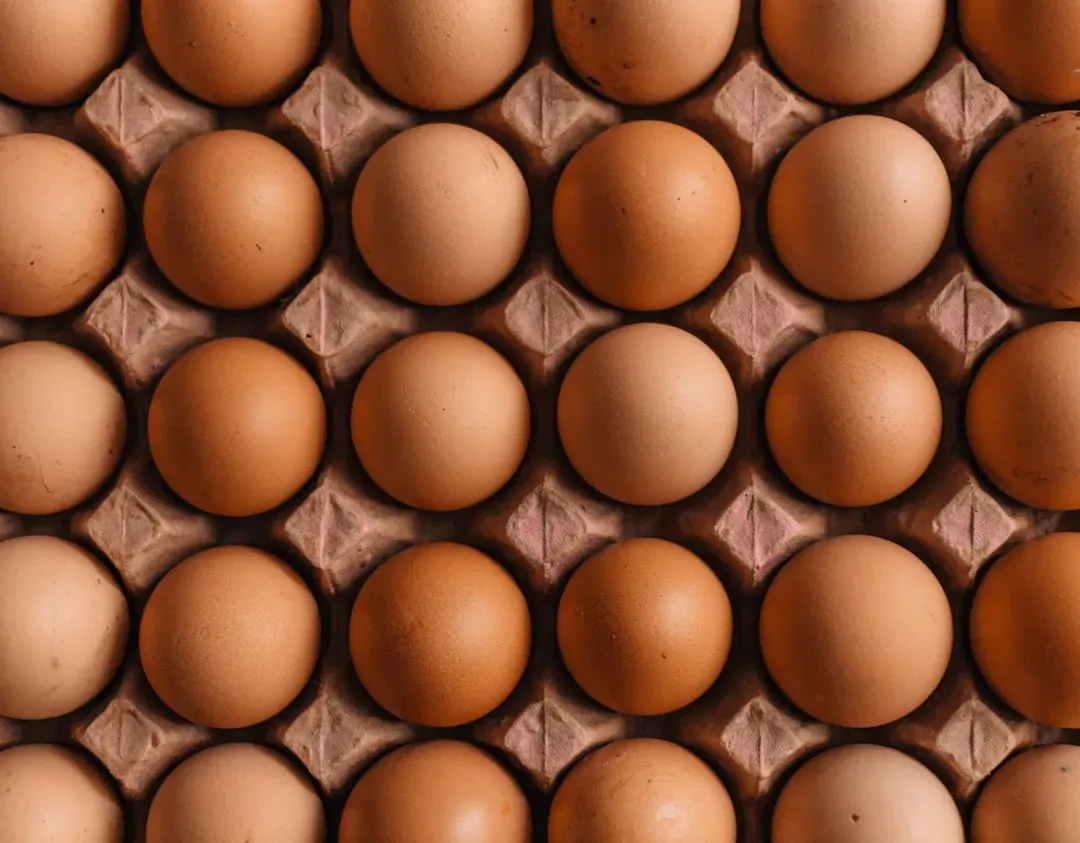
For much of the past few years, eggs were anything but cheap, thanks to repeated avian flu outbreaks that thinned flocks nationwide. That is changing. Egg prices are poised to drop by 27.4% this year, according to the USDA, and more recent government tracking pushed that estimate even further, with egg prices predicted to decrease 30.7 percent in 2026, with a prediction interval of -36.5 to -23.4 percent.
Retail data backs this up directly. Eggs averaged $2.19 per dozen in recent tracking, a sharp turnaround from the spikes seen in 2024 and early 2025. That drop matters for family budgets because eggs are a fast, filling protein for breakfast, lunch, and dinner, and right now they are cheaper than they have been in a long while.
Chicken: the protein doing double duty

Chicken: the protein doing double duty (Image Credits: Pexels)
While beef prices have been climbing uncomfortably fast, chicken has stayed remarkably calm by comparison. Poultry prices were predicted to rise just 1.0% in 2026, making it one of the most affordable protein options available this year. Retail numbers reflect that steadiness, with boneless chicken breast averaging $4.17 per pound in recent tracking.
Whole chickens and bone-in thighs tend to run even cheaper per pound than boneless breasts, and they shred easily for tacos, soups, and casseroles that stretch across multiple meals. Buying a larger bird and portioning it out over several dinners is one of the oldest budget tricks in the book, and it still works. Chicken's price stability is exactly why it has become the default protein for families trying to avoid the beef aisle altogether.
Pasta: filling, flexible, and still affordable
Pasta: filling, flexible, and still affordable (Image Credits: Pexels)
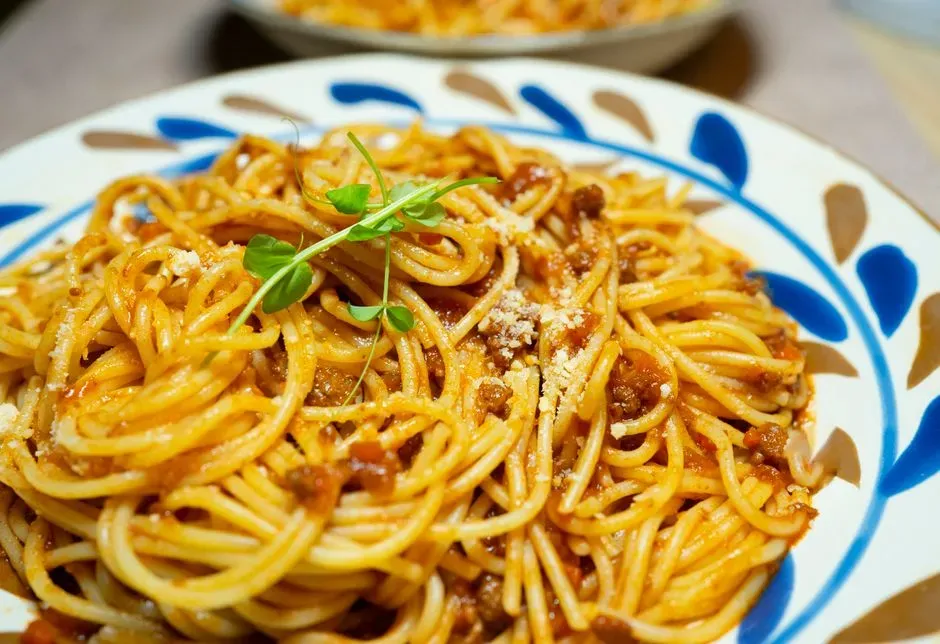
Pasta sits in a similar lane to rice: a pantry staple that has not seen the dramatic swings hitting fresh produce or meat. It absorbs whatever sauce, vegetable, or protein is on hand, which makes it one of the easiest ways to use up leftovers before they go to waste. A box costs little, cooks in minutes, and can feed a family of four for well under the price of a single restaurant entrée.
Pairing pasta with canned tomatoes, a handful of frozen vegetables, or a small amount of ground meat turns it into a complete dinner that scales easily for larger households. Because dry pasta has a long shelf life, it is also one of the more forgiving staples to buy in bulk when it goes on sale. That flexibility is a big part of why it remains a fixture in budget-conscious kitchens.
Frozen vegetables: nutrition without the produce aisle markup
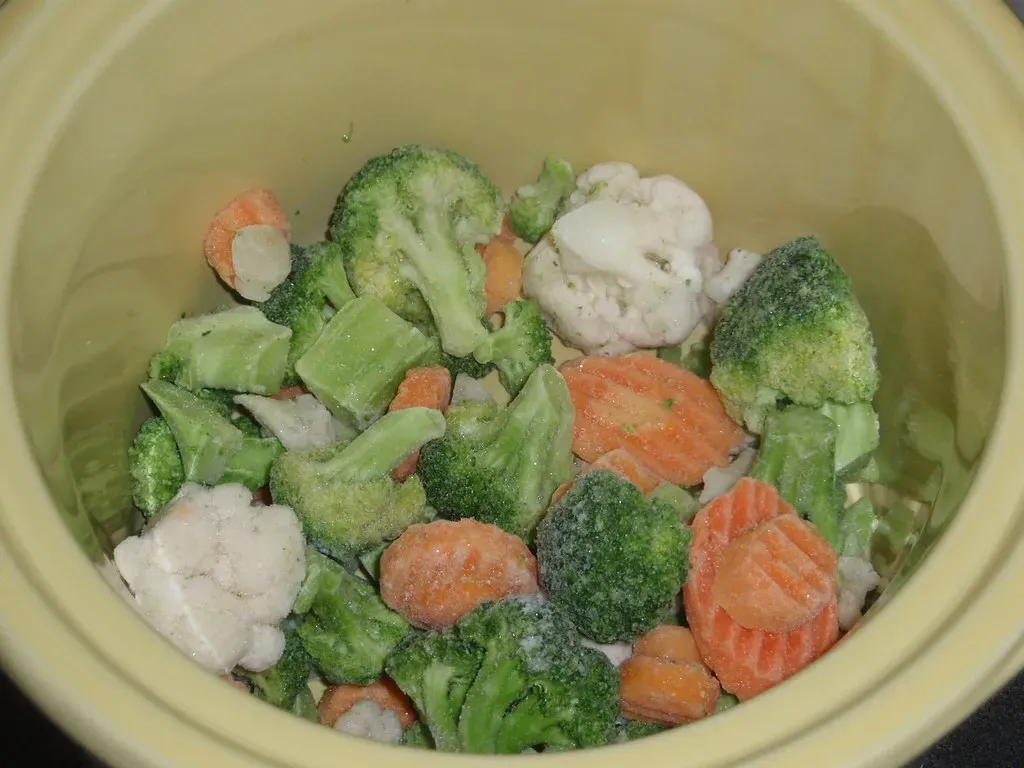
Frozen vegetables: nutrition without the produce aisle markup (Joelk75, Flickr, <a href="https://creativecommons.org/licenses/by/2.0/" target="_blank" rel="noopener">CC BY 2.0</a>)
Fresh vegetables have gotten noticeably pricier. Retail fresh vegetable prices decreased slightly from May to June 2026 but were 9.9 percent higher in June 2026 than in June 2025, which is exactly the kind of gap that pushes budget-minded shoppers toward the freezer aisle instead.
Frozen vegetables are typically flash-frozen at peak ripeness, which means the nutritional value holds up well, and there is no spoilage clock ticking once they hit the freezer. A large bag of frozen broccoli, peas, or mixed vegetables usually costs less per serving than the fresh equivalent, especially outside of local growing seasons. For a family trying to hit nutritional targets without inflating the grocery bill, frozen vegetables quietly do a lot of work.
Potatoes: the most underrated calorie bargain
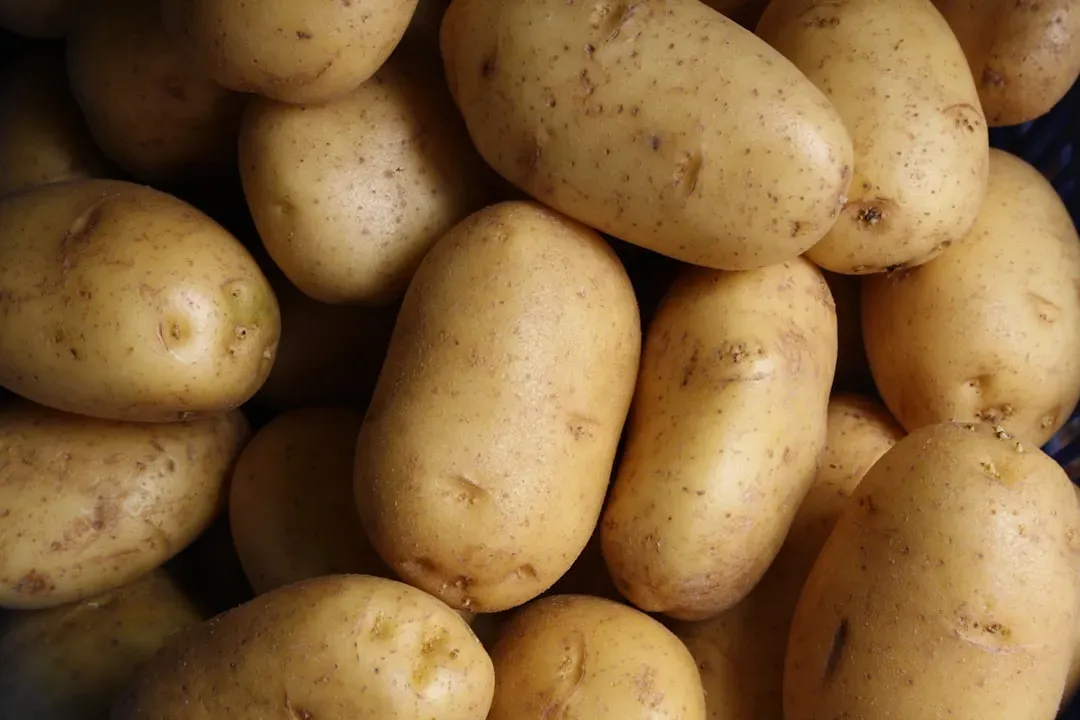
Potatoes: the most underrated calorie bargain (Image Credits: Unsplash)
Potatoes rarely get much attention in grocery price discussions, largely because they have simply stayed cheap and useful without much drama. A ten-pound bag can be baked, mashed, roasted, or turned into soup, and it holds in a cool pantry for weeks without refrigeration. That kind of shelf stability is valuable for a family trying to shop less frequently and waste less food.
Because potatoes pair with almost any protein or vegetable in the kitchen, they function as a flexible base rather than a single-use ingredient. A single bag can realistically stretch across a week of side dishes for four people at a cost that is hard to beat elsewhere in the store. It is not an exciting staple, but it is a dependable one, which counts for a lot when the goal is staying under a fixed monthly number.
Oats: breakfast that barely moves the needle
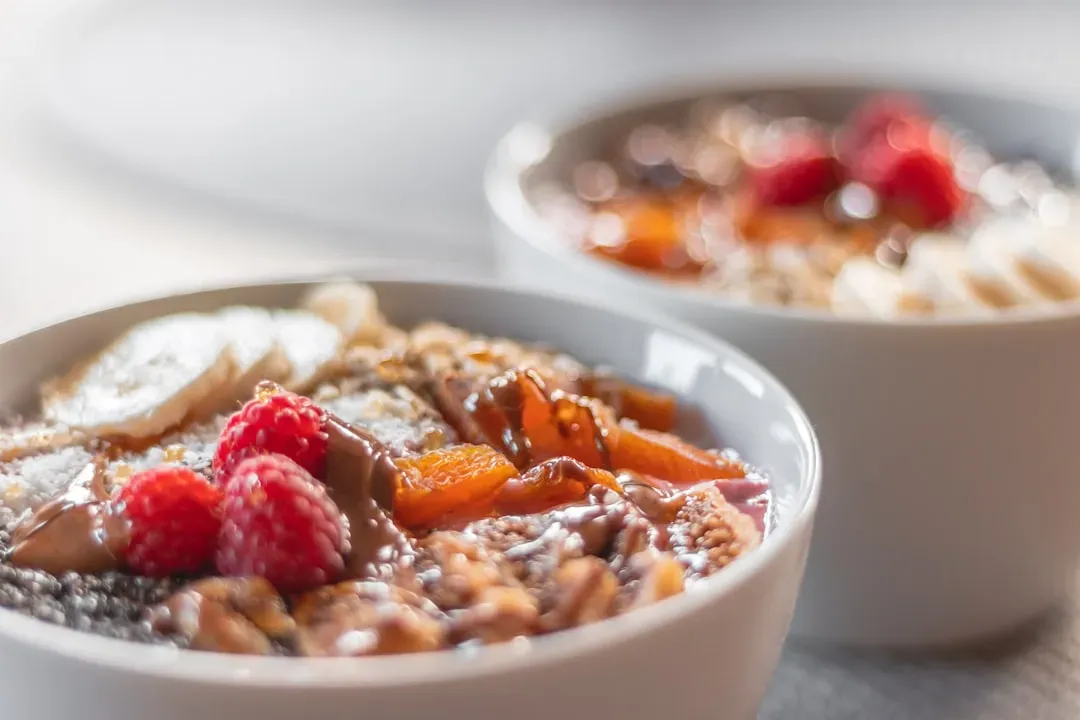
Oats: breakfast that barely moves the needle (Image Credits: Unsplash)
Oats belong in the same stable category as rice and pasta: a grain that has largely avoided the sharper inflation hitting proteins and sweets. Cereal and bakery products have seen price increases below the historical average, keeping bread and cereal accessible staples even as other parts of the grocery list have gotten pricier.
A large container of rolled oats can cover a family's breakfasts for weeks at a cost that barely registers against beef or specialty cereals. Oats also work beyond breakfast, showing up in baked goods, as a meat extender in dishes like meatloaf, or as a thickener in soups. For a household watching every dollar, oats are one of the least noticed but most useful items in the pantry.
Final thoughts on building a family grocery list that lasts
Final thoughts on building a family grocery list that lasts (Image Credits: Unsplash)
The federal numbers give a useful reality check on all of this. For 2026, the USDA moderate-cost plan suggests a single adult should aim for about $328 to $388 per month depending on age and gender, while a family of four including two adults and two older children should budget approximately $1,500 per month, assuming meals are cooked at home rather than eaten out.
That figure is not a guess pulled from nowhere. It reflects the tier that most closely reflects what a typical middle-income family actually spends on groceries, and it lines up closely with what a cart built around rice, beans, eggs, chicken, pasta, frozen vegetables, potatoes, and oats can realistically deliver. Prices will keep shifting month to month, some staples up, some down, but a list built around these eight items still gives a family the best shot at staying comfortably under that fifteen-hundred-dollar line.