
Ask any well traveled eater about the meal that made them pause with a fork halfway to their mouth, and there’s a good chance it happened somewhere in Europe. The continent’s reputation for refined cuisine hides a handful of dishes that lean hard into fermentation, offal, and centuries old preservation tricks that predate refrigeration by a long shot.
These are not obscure curiosities cooked up for shock value. They’re regional staples, tied to real history, real scarcity, and real pride. Still, when a menu lists them plainly, plenty of visitors quietly order the pasta instead.
Haggis in Scotland
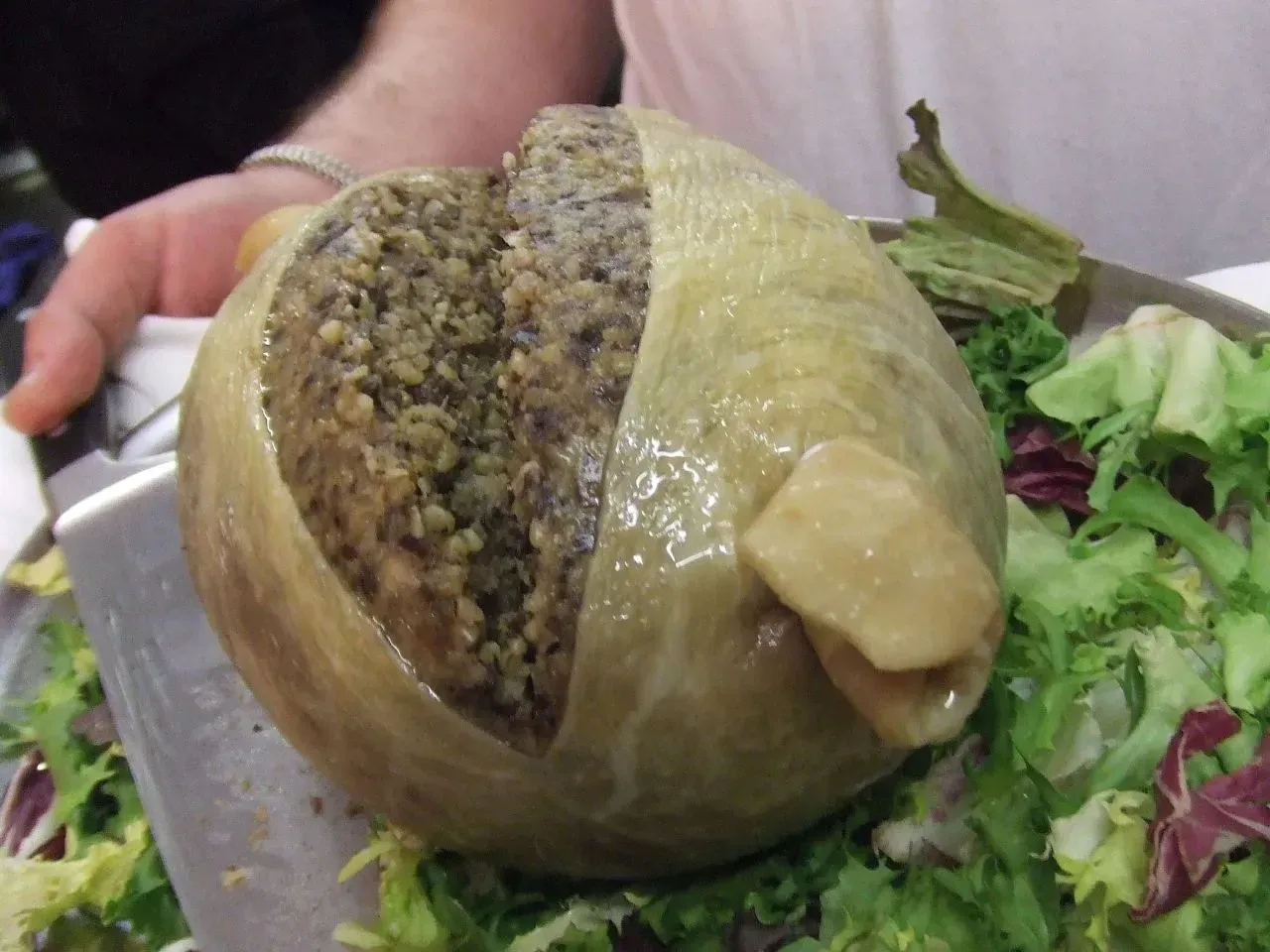
Haggis in Scotland (By Tess Watson, <a href="https://commons.wikimedia.org/w/index.php?curid=52429978" target="_blank" rel="noopener">CC BY 2.0</a>)
Haggis is Scotland’s national dish, and its reputation abroad rests almost entirely on one detail: it traditionally includes sheep lung. The organ meats, along with oatmeal, suet, and seasonings, are boiled inside a sheep’s stomach to produce the pudding. That description alone is usually enough to make a first time visitor ask for the fish and chips menu instead.
What makes the dish especially interesting right now is its odd legal status overseas. Traditional haggis has been banned in the United States since a federal regulation prohibited the use of livestock lungs as human food in 1971, a rule that effectively makes the authentic recipe illegal on American soil. Order it in Edinburgh or Glasgow, though, and you’ll usually find a peppery, savory dish that tastes far milder than its ingredient list suggests, often served simply with mashed potatoes and turnips.
Casu Marzu in Sardinia
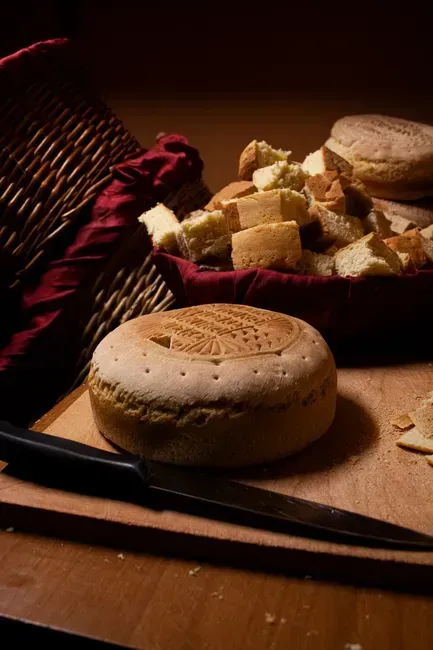
Casu Marzu in Sardinia (Image Credits: Pexels)
Casu marzu might be the single most intimidating cheese in Europe, and that’s before anyone mentions the maggots. Made from pecorino sardo, it’s deliberately left open so cheese flies can lay eggs inside it, and the larvae then break down the fat until the cheese turns into a soft, intensely pungent paste. The result, after roughly three months, is a soft, spreadable paste that weeps a liquid Sardinians call lagrima, with a flavor that is intensely sharp and pungent, carrying a burning aftertaste.
The larvae themselves add a physical challenge on top of the smell. They are tiny, around eight millimeters long, but remarkably athletic, capable of launching themselves up to fifteen centimeters into the air, which is why experienced eaters shield the cheese with one hand or close their eyes while eating. Its legal footing is genuinely murky, since the cheese’s legal status is a gray area, registered as a traditional product of Sardinia and therefore locally protected, yet deemed illegal by the Italian government since 1962 due to laws prohibiting food infected by parasites. A 2024 push to get it recognized at the European level didn’t fare much better, since a petition to legalize it was sent to the European Parliament proposing safety regulations, but was summarily rejected on the grounds that the cheese was a contaminated and decayed product.
Surströmming in Sweden
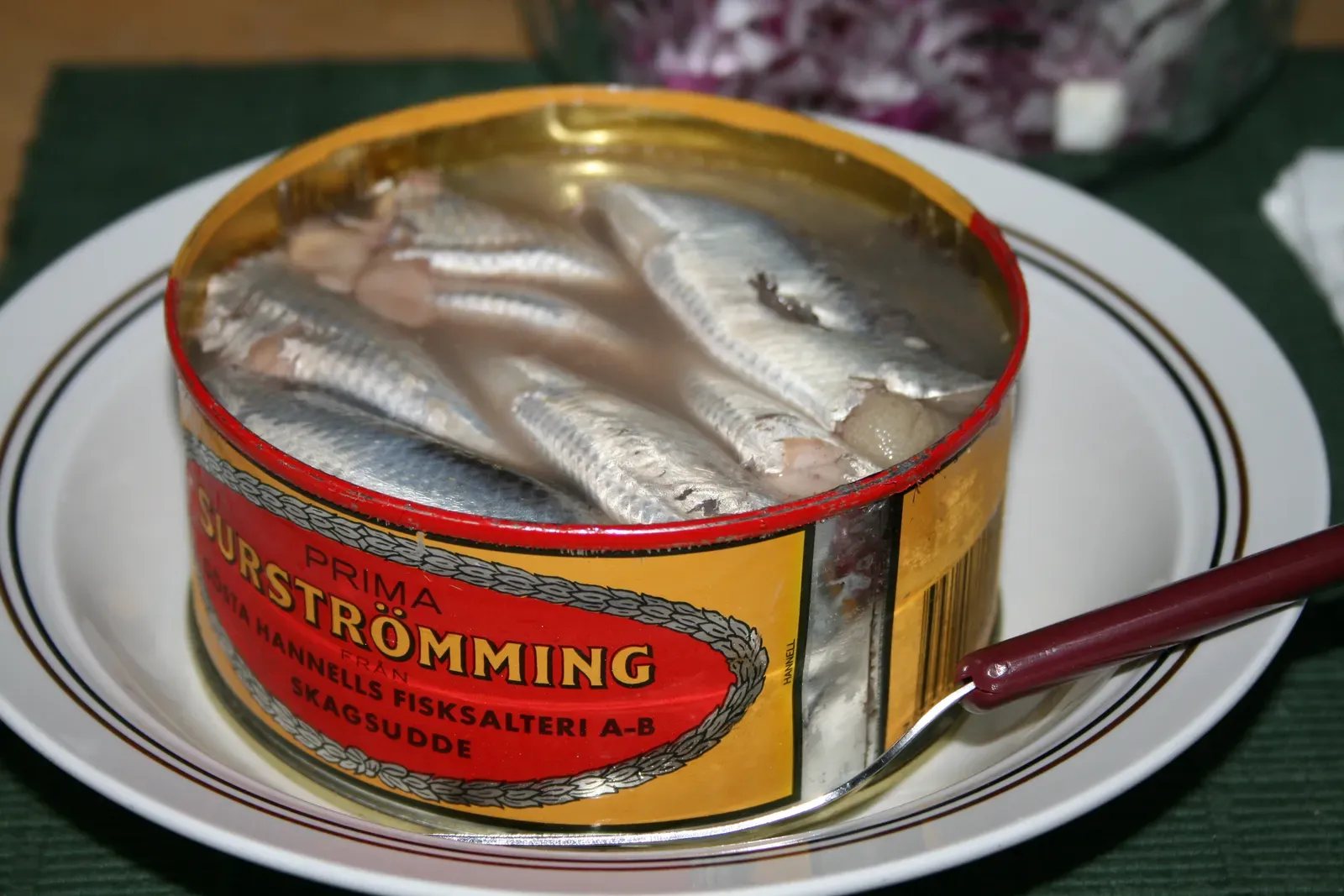
Surströmming in Sweden (Image Credits: By Wrote, <a href="https://commons.wikimedia.org/w/index.php?curid=32069968" target="_blank" rel="noopener">CC BY 2.0</a>)
Few foods announce themselves before you’ve even opened the can quite like surströmming. This Baltic herring is left to ferment for months in a low salt brine, and by the time it’s tinned, salt tolerant bacteria break down sugars stored in the fish and produce organic acids, while also generating carbon dioxide and hydrogen sulfide as byproducts, which is why the cans visibly bulge over time. The smell that follows has made it one of the internet’s favorite dare foods.
Locals will tell you the reputation is a little unfair. Surströmming carries a truly distinctive aroma, and while a common myth is that it’s simply rotten fish, that’s not the case, since it’s carefully fermented using a traditional method of preservation used for centuries in many parts of the world. It’s traditionally eaten on flatbread with potatoes, onion, and sour cream rather than straight from the tin, and by tradition, and once mandated by royal decree, each year’s new catch is only available for purchase on and after the third Thursday in August, when premiere day is still celebrated with outdoor parties and community festivals.
Hákarl in Iceland
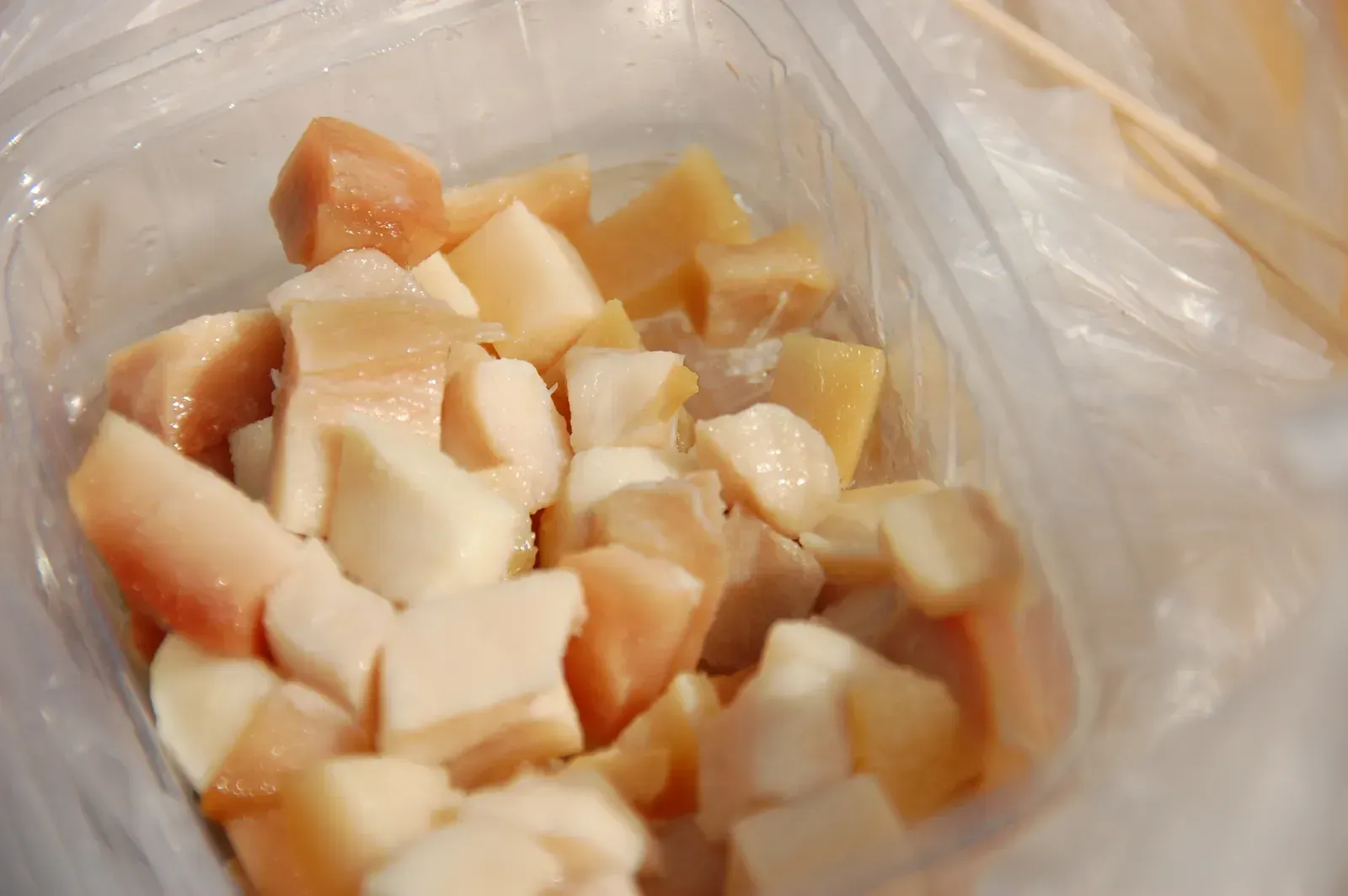
Hákarl in Iceland (Kæstur Hákarl, <a href="https://commons.wikimedia.org/w/index.php?curid=55144788" target="_blank" rel="noopener">CC BY 2.0</a>)
Hákarl, Iceland’s fermented shark, comes with a built in warning label written into the biology of the animal itself. Hákarl is prepared using Greenland shark meat, which must be fermented because the shark’s flesh is otherwise poisonous, since these sharks live in such cold waters that their tissue contains high levels of urea and trimethylamine oxide, chemicals that function like antifreeze but are also incredibly toxic to humans. Eating it fresh simply isn’t an option.
The curing process takes months, and the result splits opinion sharply among visitors who try it. One well known food personality called the taste “sweet, nutty … only faintly fishy,” while the late Anthony Bourdain called it “the single worst, most disgusting, and terrible tasting thing” he had ever eaten. It’s traditionally served during Þorrablót, Iceland’s midwinter heritage festival, often alongside a shot of the local spirit brennivín to help it go down.
Andouillette in France
Andouillette in France (Image Credits: Unsplash)
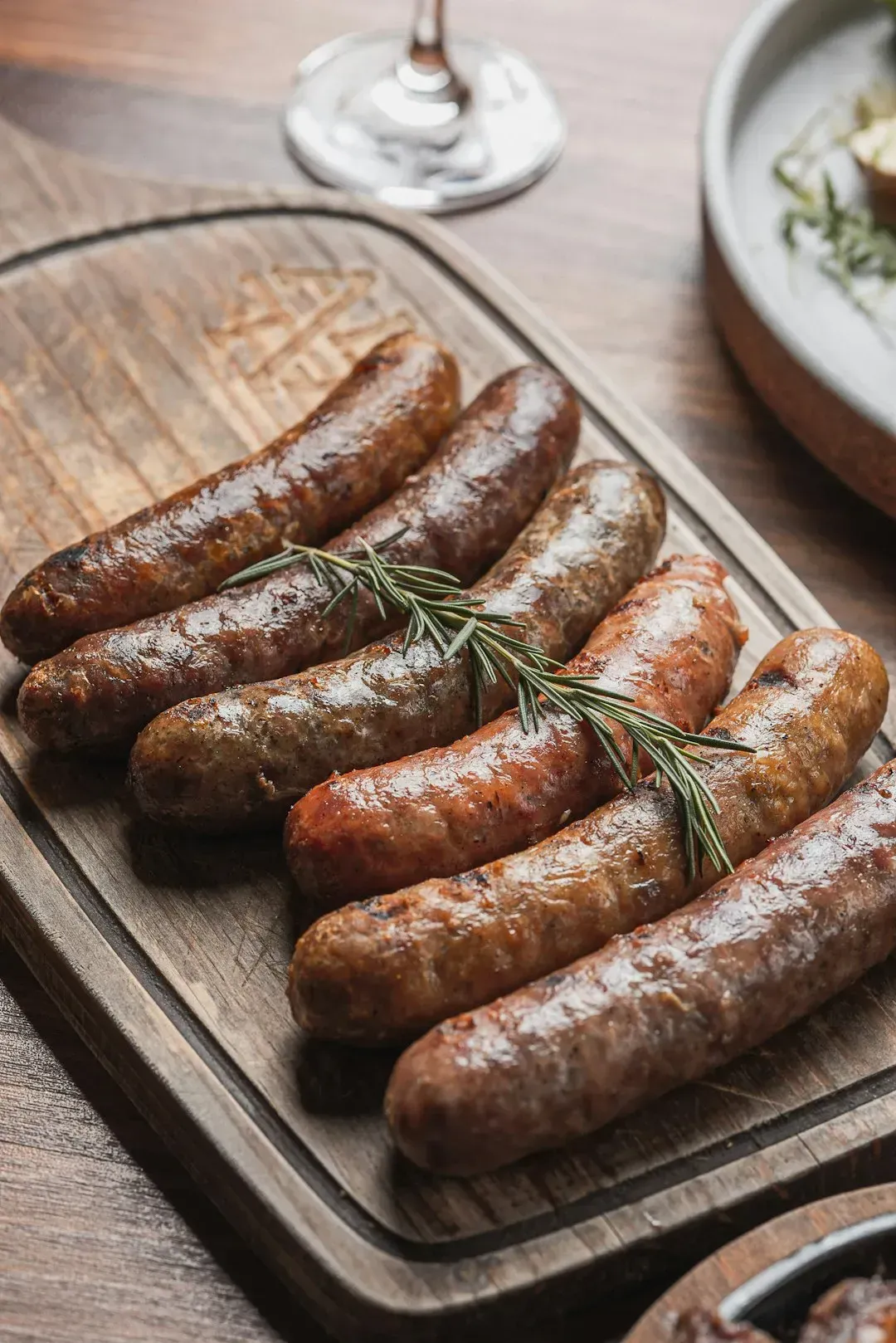
Andouillette rarely appears on tourist facing menus with much explanation, and that’s part of the problem. It’s a coarse sausage made primarily from pork intestine and tripe, seasoned with mustard, pepper, and wine, and grilled or pan fried until the casing browns. The aroma alone, often faintly reminiscent of the digestive tract it comes from, catches unsuspecting diners off guard before the first bite even happens.
French diners who grew up with it tend to treat andouillette as comfort food rather than a dare, usually paired with mustard sauce, fries, or a simple green salad. It has its own devoted association in France dedicated to preserving traditional preparation methods, a sign of how seriously the dish is taken locally even as it baffles outsiders. For a lot of visitors, the texture proves more challenging than the taste, since it’s noticeably softer and more granular than a typical grilled sausage.
Blood sausage across the British Isles and Central Europe
Blood sausage across the British Isles and Central Europe (By Valdavia, <a href="https://commons.wikimedia.org/w/index.php?curid=17888285" target="_blank" rel="noopener">CC BY-SA 3.0</a>)
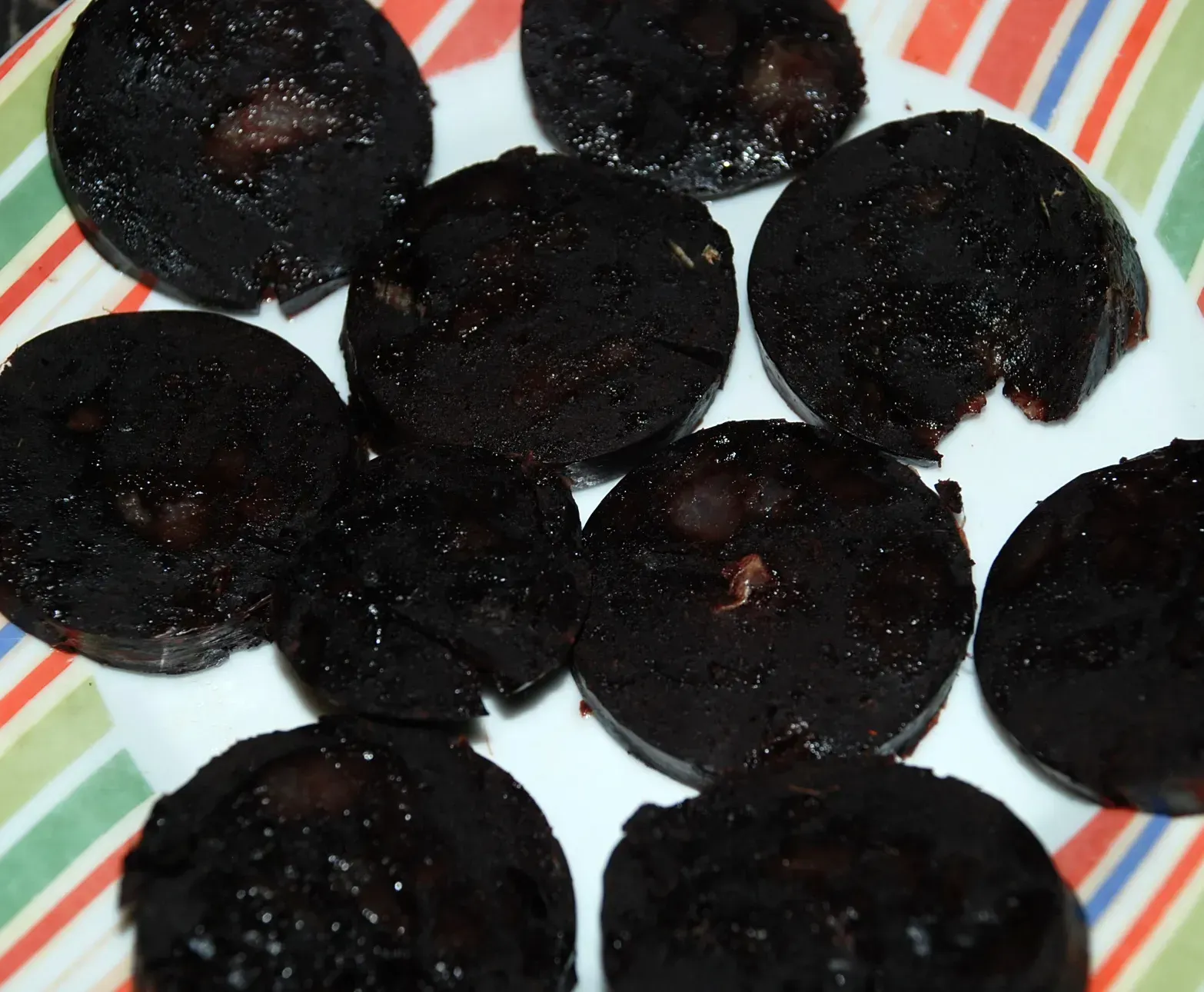
Blood sausage goes by different names depending on where you order it, black pudding in Britain and Ireland, Blutwurst in Germany and Austria, but the core idea stays the same across borders. It’s made from pig’s blood mixed with fat, oatmeal, barley, or other grains, then cooked and often sliced and fried until the outside crisps up. The color and the word “blood” printed plainly on a menu tend to do more to scare off first timers than the actual flavor ever does.
In practice, most people who try it describe something closer to a rich, mildly spiced sausage than anything unsettling, especially once it’s fried alongside eggs and bacon in a traditional British breakfast. Regional versions vary quite a bit in texture and seasoning, from the drier, crumblier styles found in parts of Ireland to the smoother, more finely ground versions common in German speaking regions. It remains one of the least adventurous “adventurous” dishes on this list, mostly because tourists overestimate how unusual it will actually taste.
Final thoughts
Final thoughts (Image Credits: Unsplash)
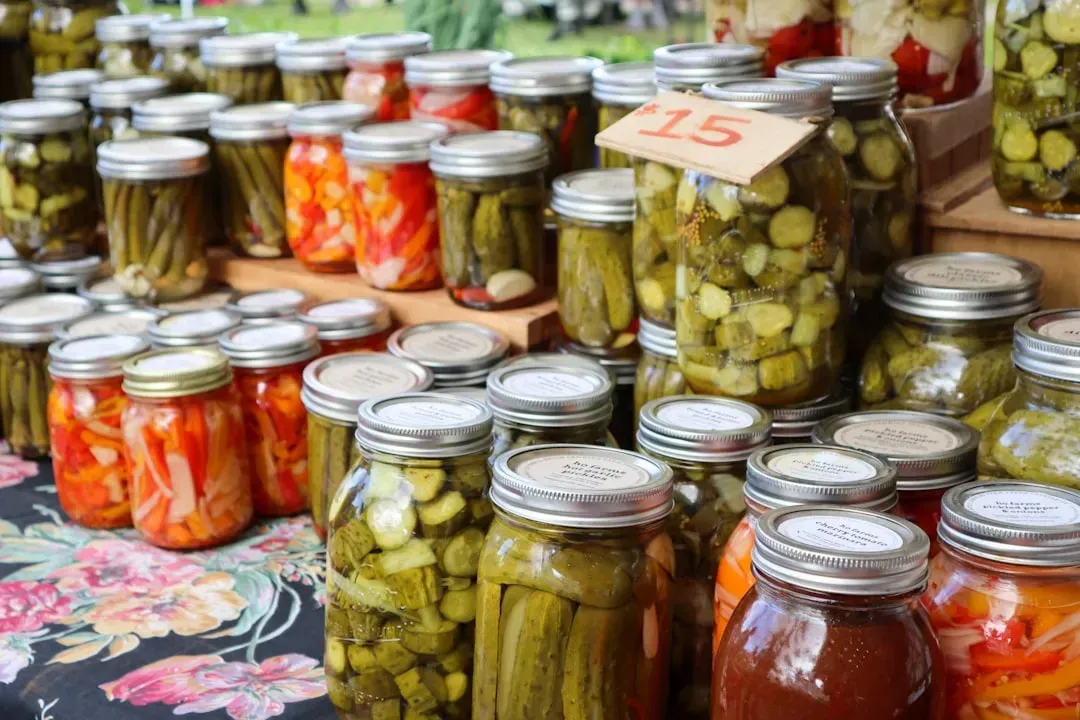
What ties these six dishes together isn’t shock value so much as necessity turned into tradition. Fermentation, offal, and unusual preservation methods kept people fed through cold winters and salt shortages long before refrigerators existed, and the recipes stuck around because communities grew to genuinely love them. Ordering one abroad doesn’t require bravado, just a bit of curiosity and a willingness to trust a few centuries of local know how.