
Every family has that one item that disappeared during a move, a downsizing spree, or a well meaning spring cleaning. Years later, it's the thing adult children mention with a wince, not because it held monetary value, but because it carried a piece of their story that no photo can replace. These regrets tend to follow a pattern, and once you hear them, you start noticing how often they repeat across different families and generations.
1. Childhood artwork and school projects
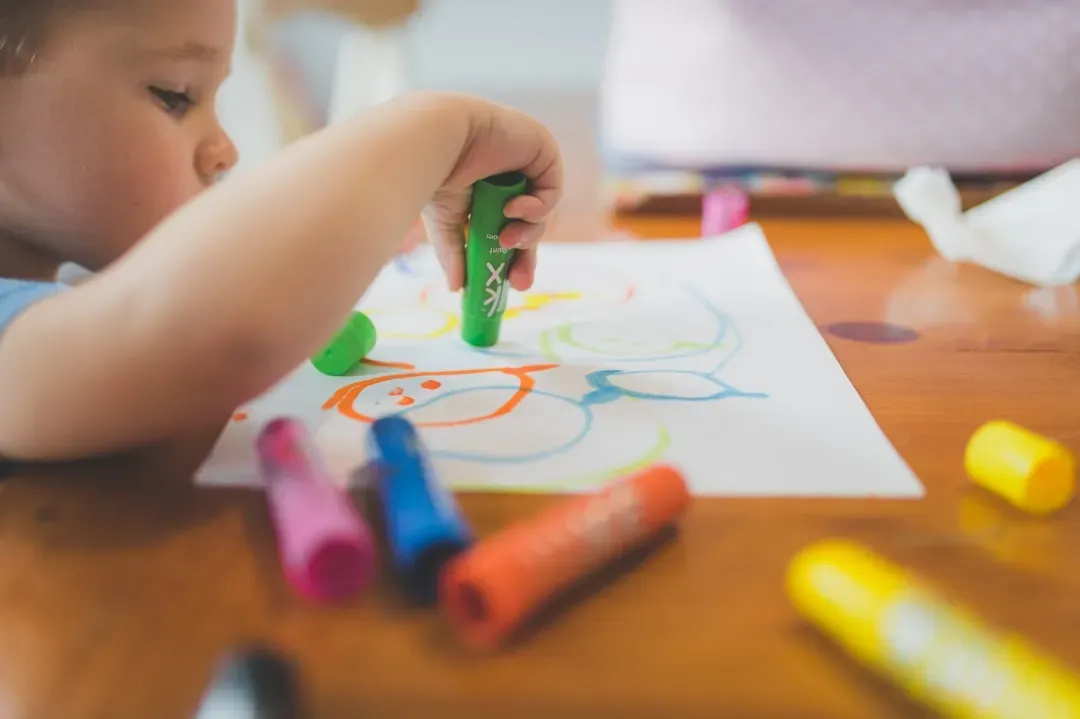
1. Childhood artwork and school projects (Image Credits: Unsplash)
Crayon drawings, clay handprints, and construction paper collages rarely survive a decade, let alone a lifetime, once parents decide the garage needs clearing out. Many adult children later say they wish even a handful of these pieces had been kept, since they mark developmental milestones and a version of themselves they can no longer picture clearly. A single kindergarten drawing can trigger more memory than a dozen photographs because it shows how a child's hand and mind worked at that exact age.
Parents often toss these items gradually, a little at each cleaning session, which means no single decision feels significant at the time. The cumulative loss only becomes obvious later, when an adult child realizes there is no physical record of their early creative attempts left at all. Family historians and organizing experts frequently suggest keeping a small curated box rather than everything, precisely because complete disposal is the outcome people regret most.
2. Handwritten letters and cards

2. Handwritten letters and cards (Image Credits: Unsplash)
In an age of texting, a handwritten letter or birthday card carries weight that digital messages don't replicate, since it shows actual handwriting, word choice, and the physical act of someone sitting down to write. Adult children often wish their parents had kept correspondence from grandparents, old friends, or even their own younger selves, because the paper itself becomes a kind of artifact. Losing these letters means losing tone and personality that a printed email simply cannot convey.
This category also includes notes tucked into lunchboxes, postcards from trips, and even divorce or adoption related correspondence that later takes on new meaning. Many people only start searching for these letters after a parent has passed away, when the letters could answer questions the family member can no longer ask directly. Genealogy and family history researchers consistently point to handwritten materials as some of the most irreplaceable documents a household can lose.
3. Old family photographs and negatives
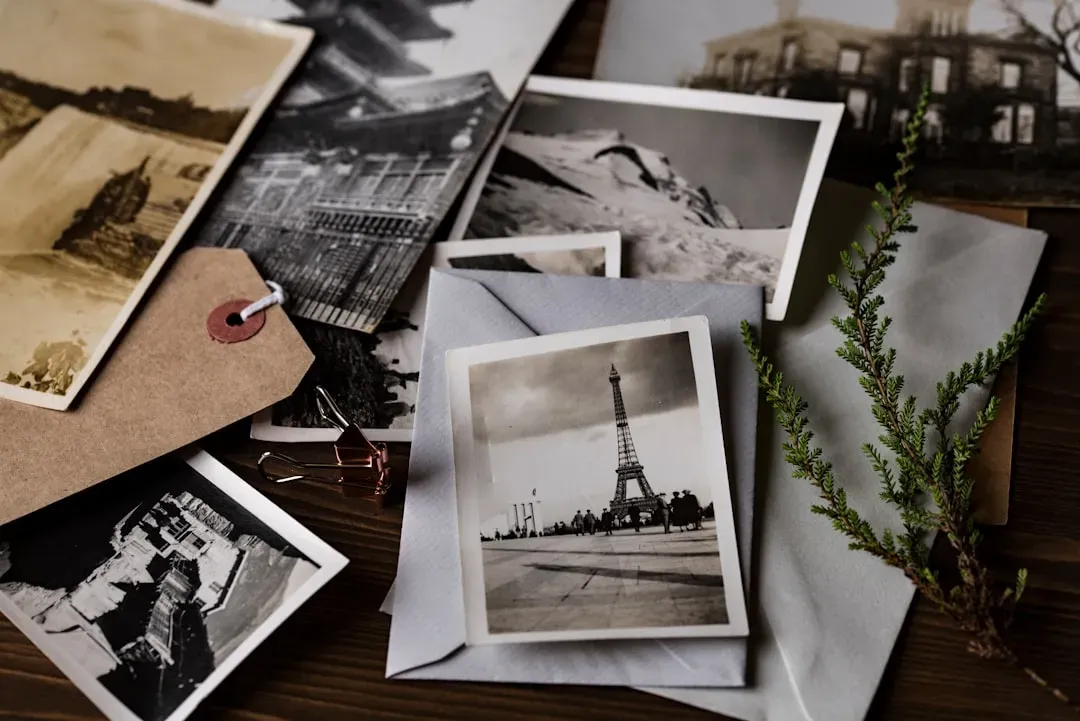
3. Old family photographs and negatives (Image Credits: Unsplash)
Digital photography has made it easy to forget how fragile and finite physical photo collections used to be, and many parents threw out blurry, duplicate, or seemingly unimportant prints during cleanups without realizing their value would grow over time. Adult children often discover later that a single discarded photo was the only image showing a deceased relative, a demolished childhood home, or a moment nobody else documented. Even out of focus shots can hold enormous sentimental value once decades have passed and memory starts to fade.
Negatives are an even bigger loss because they represent the only way to reproduce a photo at higher quality or in multiple copies. Once negatives are discarded, that option disappears permanently, regardless of how advanced scanning or restoration technology becomes. Archivists and photo preservation specialists routinely recommend against purging older photo collections precisely because their importance tends to increase, not decrease, as time passes.
4. Family recipes and handwritten cookbooks
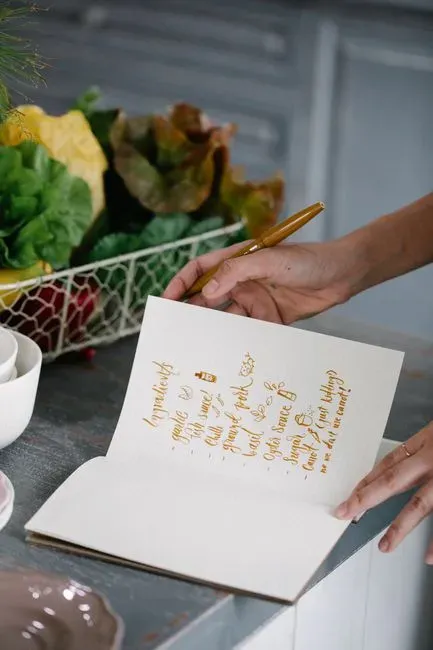
4. Family recipes and handwritten cookbooks (Image Credits: Pexels)
A stained recipe card in a grandmother's handwriting often means more than the dish it describes, since it represents family gatherings, cultural identity, and a connection to people who may no longer be alive to explain how the recipe was really made. Adult children frequently mention regretting the loss of these cards or handwritten cookbooks because online recipes rarely replicate the exact proportions or techniques passed down through generations. Small details, like a note about using more butter than the recipe states, often only exist in these physical notes.
Some families lose recipes gradually as index card boxes get tossed during moves or as older cookbooks are donated without anyone checking the margins for handwritten additions. Culinary historians note that many regional and family specific recipes exist nowhere else, meaning their loss is permanent once the physical copy is gone. This is why food writers increasingly encourage families to photograph or transcribe these recipes long before any decluttering happens.
5. Childhood toys and comfort objects
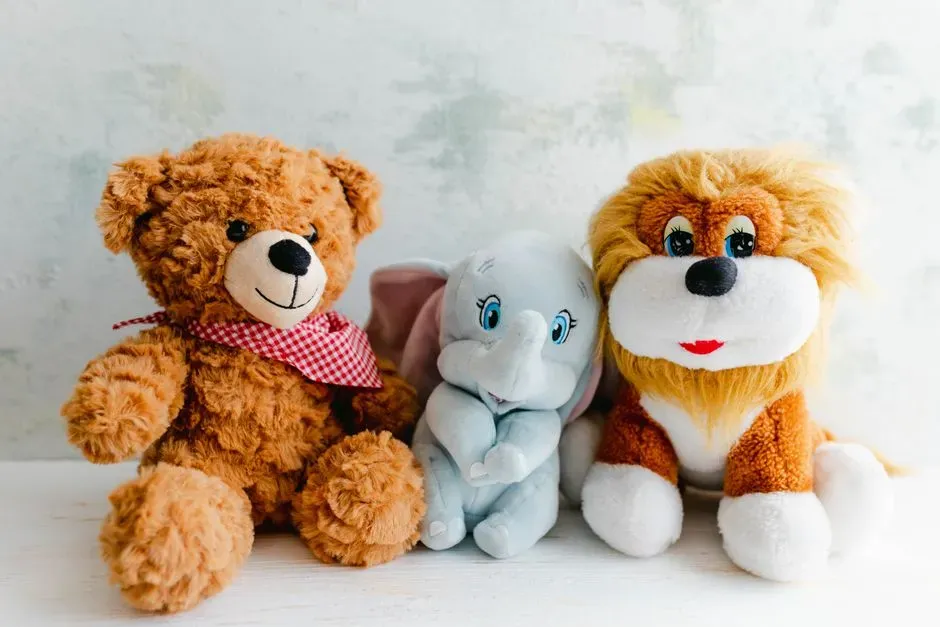
5. Childhood toys and comfort objects (Image Credits: Pexels)
A specific stuffed animal, a well loved blanket, or a favorite toy often represents emotional security from early childhood, and its disappearance can feel surprisingly significant even decades later. Adult children sometimes describe wishing they still had one particular object, not because they want to play with it again, but because it symbolized a period of safety and simplicity in their lives. Parents typically donate or discard these items during a child's transition to adolescence, often without asking, assuming the attachment has already faded.
Psychologists who study attachment and memory note that transitional objects, a term originally used to describe items like blankets and stuffed toys, can retain symbolic importance well into adulthood. This explains why so many adults keep searching thrift stores or asking relatives if anyone happens to still have the exact toy from their early years. The specific object rarely turns up again, which is part of what makes its absence feel permanent.
6. Journals, diaries, and personal writing

6. Journals, diaries, and personal writing (Image Credits: Pexels)
A teenage diary can feel embarrassing to a parent who stumbles across it during a cleanup, but to the adult child who wrote it, that diary represents an honest, unfiltered record of who they were at a specific age. Many adult children later wish these journals had survived, even the awkward or dramatic entries, because they offer insight into their own emotional development that memory alone cannot reconstruct accurately. Losing this kind of writing means losing direct access to how a person actually thought and felt at fifteen or sixteen, rather than how they remember thinking and feeling.
This regret often intensifies with age, since adults frequently find themselves wanting to understand their younger selves with more nuance than they had at the time. Family therapists sometimes note that personal writing, even unremarkable daily entries, can offer valuable context during family history conversations or when processing grief after a parent's death. Once discarded, this kind of first person record cannot be recreated from memory with the same accuracy or honesty.
7. Furniture and household objects with family history
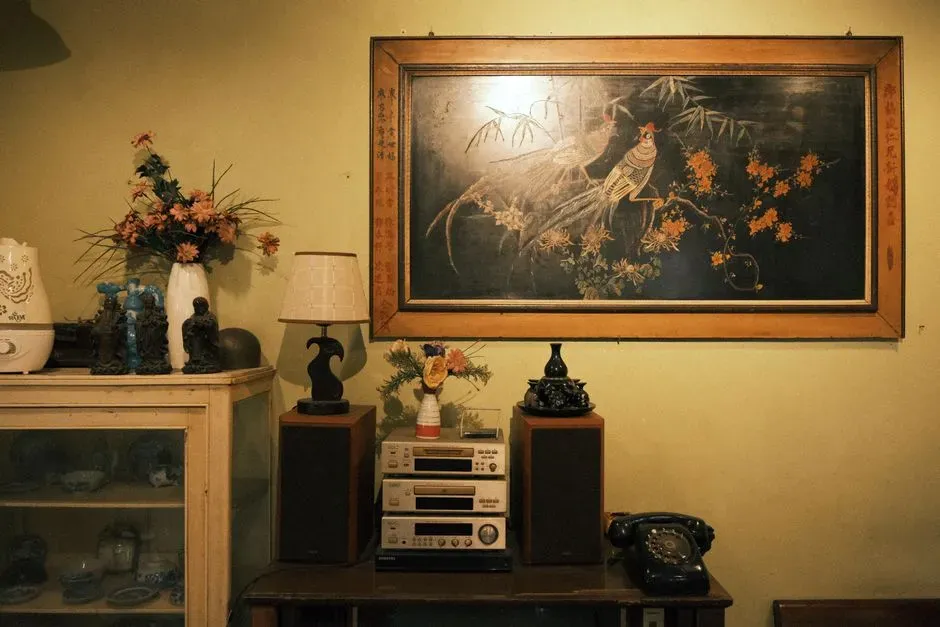
7. Furniture and household objects with family history (Image Credits: Pexels)
Not every piece of furniture deserves to be kept, but adult children often express regret over specific items tied to strong memories, such as a grandmother's rocking chair, a father's workbench, or a table where every major family conversation happened. These objects carry stories that go beyond their physical function, and their absence can make a family home feel less connected to its own history. Downsizing decisions made quickly, especially during a parent's move to a smaller home or senior living facility, sometimes eliminate these pieces without full consideration of their sentimental weight.
Estate planning professionals frequently recommend that families have conversations about meaningful objects well before a move becomes urgent, precisely because rushed decisions tend to prioritize space over sentiment. Once a specific piece of furniture is sold, donated, or discarded, replacing it with something similar rarely satisfies the original emotional connection. The item itself becomes secondary to what it represented, which is why so many adult children describe missing a particular chair or table long after the practical need for it has passed.
These seven categories show up again and again in conversations about family loss, decluttering regret, and the gap between what feels expendable in the moment and what actually holds lasting meaning. The common thread is timing, since almost none of these items seem important until years have passed and the chance to keep them has already closed.