
Every long relationship eventually settles into a rhythm, and that’s not a bad thing. Still, comfort has a sneaky side effect: the little habits that once made a partnership feel alive can quietly fade without anyone noticing. Relationship researchers who have spent decades studying couples, most notably John and Julie Gottman, keep pointing to the same conclusion. It’s rarely one dramatic event that erodes a relationship. It’s the slow disappearance of small, ordinary behaviors that used to happen without effort.
Below are ten habits that experts consistently flag as non-negotiable for lasting connection. None of them require grand romantic gestures or expensive dates. They’re small, repeatable, and surprisingly easy to lose if a couple stops being intentional about them.
1. Asking Genuine Questions About Each Other's Inner World

1. Asking Genuine Questions About Each Other's Inner World (Image Credits: Unsplash)
Gottman researchers call this maintaining “love maps,” which is essentially a running knowledge of your partner’s fears, dreams, and daily stresses. Love maps are Gottman’s term for truly knowing your partner’s inner world, everything from their favorite meal to their biggest worries, and strong couples continually update these maps by asking questions, listening closely, and staying curious even after years together. Couples who let this habit slip often assume they already know everything about their partner, which is rarely true since people change in small ways constantly.
A simple practice the Gottmans recommend is checking in regularly rather than assuming familiarity equals understanding. A practical step is to regularly ask, “What’s been on your mind lately?” which keeps the connection alive and prevents drifting into emotional distance. It sounds almost too simple to matter, yet it’s one of the first habits couples abandon once life gets busy.
2. Responding to Bids for Connection

2. Responding to Bids for Connection (Image Credits: Pexels)
A “bid” is any small attempt one partner makes to get attention, affection, or support, whether that’s pointing out something funny outside the window or simply sighing after a long day. This involves acknowledging and responding positively to a partner’s bids for attention, affection, or support, and even small bids are opportunities to connect. Ignoring these moments repeatedly, even unintentionally, is one of the clearest predictors researchers have found for growing distance.
Couples coaches echo this same point from the therapy room rather than the lab. Making it a priority to respond to bids of connection and attention helps the relationship remain strong over the years because it shows the person you are with that they matter. When this habit disappears, partners often stop bidding altogether, which is a much harder pattern to reverse than simply missing a few bids here and there.
3. Repairing After Arguments Instead of Letting Them Fester

3. Repairing After Arguments Instead of Letting Them Fester (Image Credits: Pexels)
No couple avoids conflict entirely, but the ones who stay together long term tend to share one specific skill. One commonality most successful couples had was their ability to do “repairs,” and the couples who really were successful a few years down the road were the ones who made repairs. This doesn’t mean grand apologies every time. It can be as small as a joke that breaks the tension or a quiet acknowledgment that things got heated.
What matters most is that the repair attempt actually gets noticed and accepted. Making a repair doesn’t mean buying flowers or treating your partner to an expensive dinner; it can be a question or a comment which acknowledges that your partner is a person and not an enemy. Couples who stop bothering to repair, even in minor disagreements, tend to let resentment quietly accumulate.
4. Managing Recurring Disagreements With Humor Instead of Trying to "Win" Them

4. Managing Recurring Disagreements With Humor Instead of Trying to "Win" Them (Image Credits: Gallery Image)
Most couples assume unresolved arguments are a sign of dysfunction, but Gottman’s data tells a different story. The Gottmans discovered that 69% of marital conflicts are perpetual, based on personality differences or lifestyle preferences that won’t go away, and the key isn’t solving them but managing them with humor, empathy, and open dialogue, since couples who thrive learn to talk about these issues without letting them dominate or poison the relationship. This is a habit that’s easy to lose once fatigue sets in, since it takes more patience to manage an old argument gracefully than to simply avoid it.
Staying respectful during these repeat disagreements matters just as much as the humor itself. Remaining respectful even in conflict means it’s important never to call your partner names or intentionally harm them, since conflict should be about both of you working through the problem together rather than behaving like you’re against each other. Couples who let this discipline slip often find the same old argument becoming increasingly bitter with each round.
5. Starting Difficult Conversations Gently
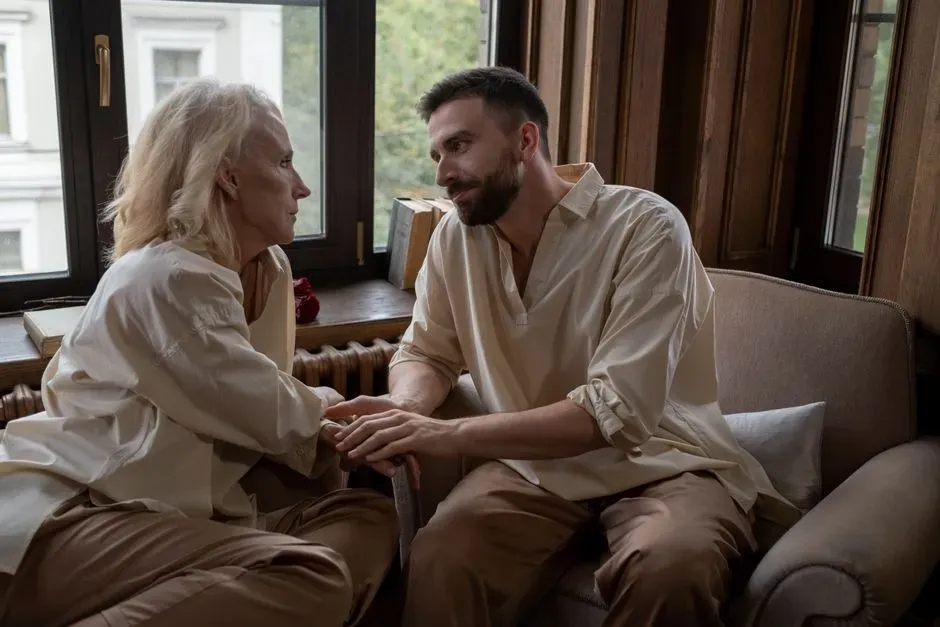
5. Starting Difficult Conversations Gently (Image Credits: Pexels)
How an argument opens tends to predict how it closes, and this is one of the more consistent findings in relationship science. How an argument begins often predicts how it ends, since a harsh startup involving blame, criticism, or sarcasm leads to defensiveness and escalation, while a softened startup opens the door for resolution. A soft startup is a habit, not a personality trait, which means it can be practiced or neglected depending on how tired or frustrated someone feels in the moment.
Couples who let stress dictate their tone often don’t realize how much damage a harsh opening line does before the actual issue is even addressed. Once criticism becomes the default way of raising concerns, it tends to spiral quickly, since the other partner responds defensively rather than with curiosity. Keeping this habit intact requires actively noticing your own tone before speaking, especially during high-stress periods.
6. Expressing Appreciation Out Loud, Regularly

6. Expressing Appreciation Out Loud, Regularly (Image Credits: Pexels)
It’s easy to feel gratitude privately and never say it, but experts insist the verbal part matters enormously. The Gottmans found that successful marriages have a strong culture of appreciation. This culture doesn’t maintain itself. It requires actively noticing good things your partner does and saying so, rather than letting appreciation live only in your head.
Therapists who work directly with couples in crisis point to the same missing ingredient. Among the habits of successful couples is overcommunication, since successful couples express empathy and appreciation for one another on a regular basis. When appreciation goes unspoken for long enough, partners start to feel taken for granted, even if that was never the intention.
7. Protecting Small, Consistent Rituals of Connection

7. Protecting Small, Consistent Rituals of Connection (Image Credits: Unsplash)
Grand romantic gestures get all the attention, but researchers who study daily habits keep landing on something far more modest. Even on nights when both partners want to zone out, the happiest couples stick to one small shared ritual they never skip, whether it’s eating dinner together without phones, making a nightly cup of tea, or doing a word game together, and the ritual becomes a daily anchor that’s predictable, comforting, and theirs alone. These rituals seem trivial until they disappear, at which point couples often notice a vague sense of drifting apart without being able to pinpoint why.
Broader research backs this pattern of small over grand. New research shows the happiest couples thrive on small, everyday rituals like shared meals, quick check-ins, and intentional goodbyes. Protecting even one of these tiny anchors, especially during busy or stressful seasons, appears to matter more than occasional big trips or celebrations.
8. Staying Emotionally Honest, Even About Small Things

8. Staying Emotionally Honest, Even About Small Things (Image Credits: Pexels)
Long-term partners sometimes stop sharing minor thoughts and feelings, assuming they’re not worth mentioning. Experts argue this is exactly backward. Communication can become tricky if you’re convinced there’s nothing left to say, but couples in healthy relationships make a habit of talking about things that matter every single day. This daily habit of small disclosures builds a foundation that pays off during bigger, harder conversations later.
The payoff isn’t just closeness in the moment, it’s a deeper sense of psychological safety over time. Over time, this daily practice of being emotionally honest builds a rock-solid sense of safety, and both partners will never feel like they have to carry their baggage alone. Losing this habit doesn’t happen all at once. It usually fades gradually as partners get busier and start editing themselves out of convenience.
9. Maintaining Individual Identity and Independence

9. Maintaining Individual Identity and Independence (Image Credits: Pexels)
It sounds counterintuitive, but experts warn that too much togetherness can actually weaken a relationship over time. Consistency and support are foundational in healthy relationships, but over time some couples begin to over-rely on one another for emotional regulation, decision-making, or daily logistics, which can slowly lead to codependence, so happy couples counteract this by practicing independence, maintaining solo hobbies, spending time alone, or handling some responsibilities individually, since this independence is vital for maintaining a sense of self. Letting this habit slide often looks like a couple that seems inseparable on the surface but has quietly lost the individuality that made them interesting to each other in the first place.
There’s also a subtler benefit to keeping some distance intact. This independence enables something many couples underestimate the value of, the chance to miss one another, since waking up next to the same person every day can create the illusion of deep familiarity, and many couples assume that physical closeness naturally begets emotional closeness, but this is not the case. Couples who guard their own separate interests tend to bring more energy back into shared time rather than less.
10. Choosing Effort Over Autopilot, Especially After the Honeymoon Phase

10. Choosing Effort Over Autopilot, Especially After the Honeymoon Phase (Image Credits: Pexels)
Perhaps the most important habit of all is simply the decision to keep trying once the initial excitement fades. Continuing the same amount of effort throughout the relationship as you did in the honeymoon stage is a habit therapists say separates couples who thrive from those who drift into what researchers sometimes call parallel lives together. This isn’t about recreating early-relationship butterflies forever. It’s about refusing to let comfort become an excuse for neglect.
Relationship specialists who study why closeness fades over time point to one particular explanation for how this decline happens. The natural tendency of committed relationships is for communication, appreciation, romance, and affection to decline over time, not due to a growing dislike of each other, but rather because partners become too comfortable together. Recognizing that this drift is natural, rather than a sign something is wrong, is often the first step toward reversing it before it takes hold permanently.
None of these ten habits are complicated or expensive, and that’s precisely why they’re so easy to overlook. They tend to vanish gradually rather than all at once, often disguised as simple busyness or fatigue rather than genuine disinterest. The couples who stay close over decades aren’t the ones who never struggle. They’re the ones who keep noticing when these small habits start slipping and make the deliberate choice to bring them back, again and again, for as long as the relationship lasts.