
Cruise buffets have a magnetic pull. Endless trays, every cuisine imaginable, and the freedom to fill your plate as many times as you want make them one of the biggest draws of life at sea. Still, spend enough time working behind the scenes on a ship and you start to notice patterns, and not the flattering kind. Crew members who serve, cook, and clean these buffets day after day often develop their own quiet rules about what they’ll grab and what they’ll walk right past.
These aren’t paranoid food snobs. They’re people who understand exactly how long a tray of scrambled eggs has been sitting under a heat lamp, or how quickly a mayo-based salad can slide into the “danger zone” once the ship hits open water. Based on insights from cruise industry veterans, food safety experts, and crew members who have spoken publicly about their own habits, here are nine buffet items that repeatedly show up on the skip list.
1. Buffet Sushi
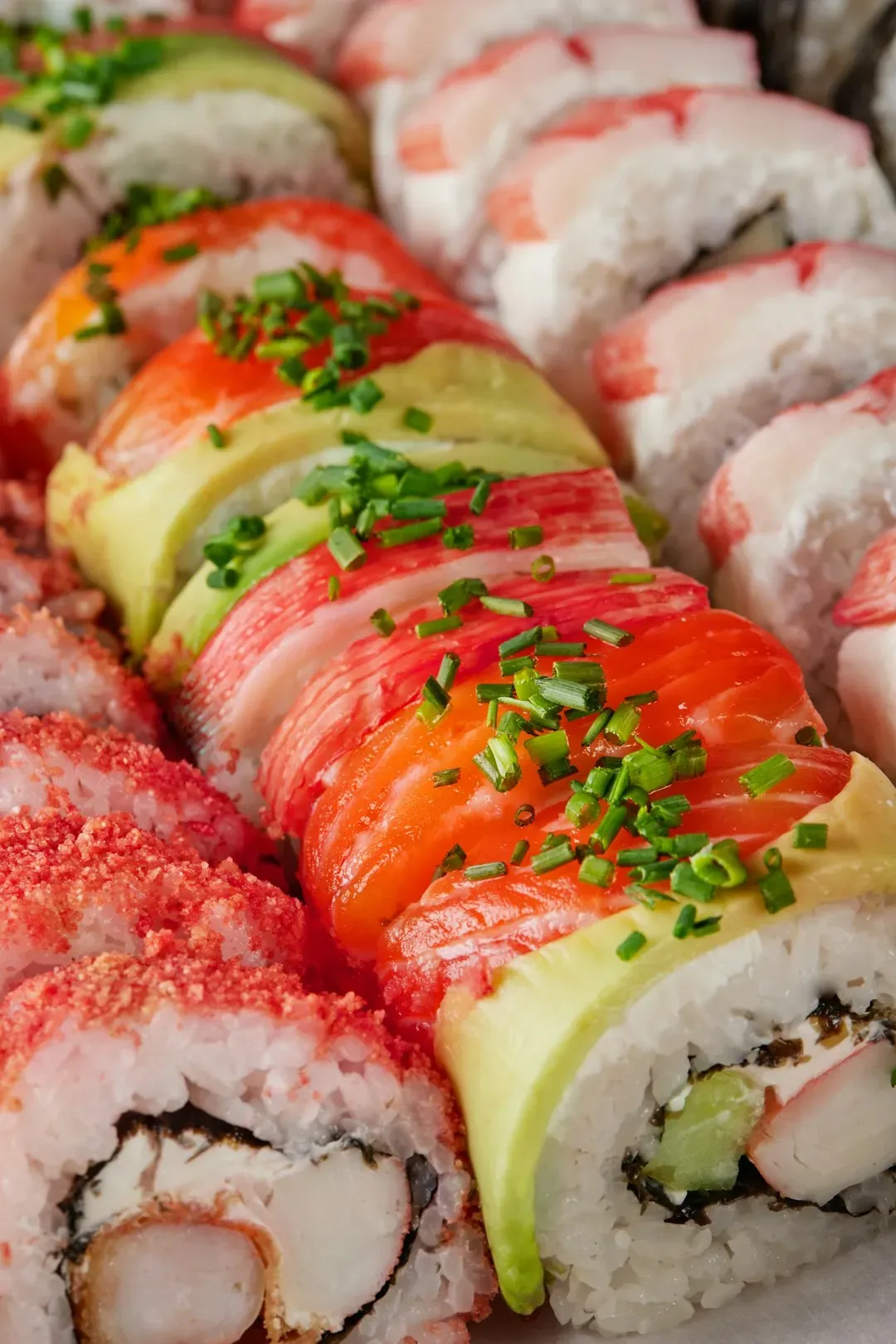
1. Buffet Sushi (Image Credits: Unsplash)
Sushi looks elegant sitting on ice, but appearances can be deceiving once you factor in how long it has actually been there. Sushi on the buffet is a gamble if you do not know how long it has been sitting out, so ask a server or skip it. Raw fish simply doesn't forgive extended time at room temperature the way a cooked dish might.
Food safety experts echo this concern beyond just cruise ships. Undercooked or raw items, like sushi or runny eggs, are more prone to causing foodborne illnesses. When a buffet is serving thousands of passengers a day, that spicy tuna roll may have been sitting far longer than you'd guess from a quick glance.
2. Mayo-Based Salads (Tuna, Egg, and Chicken Salad)
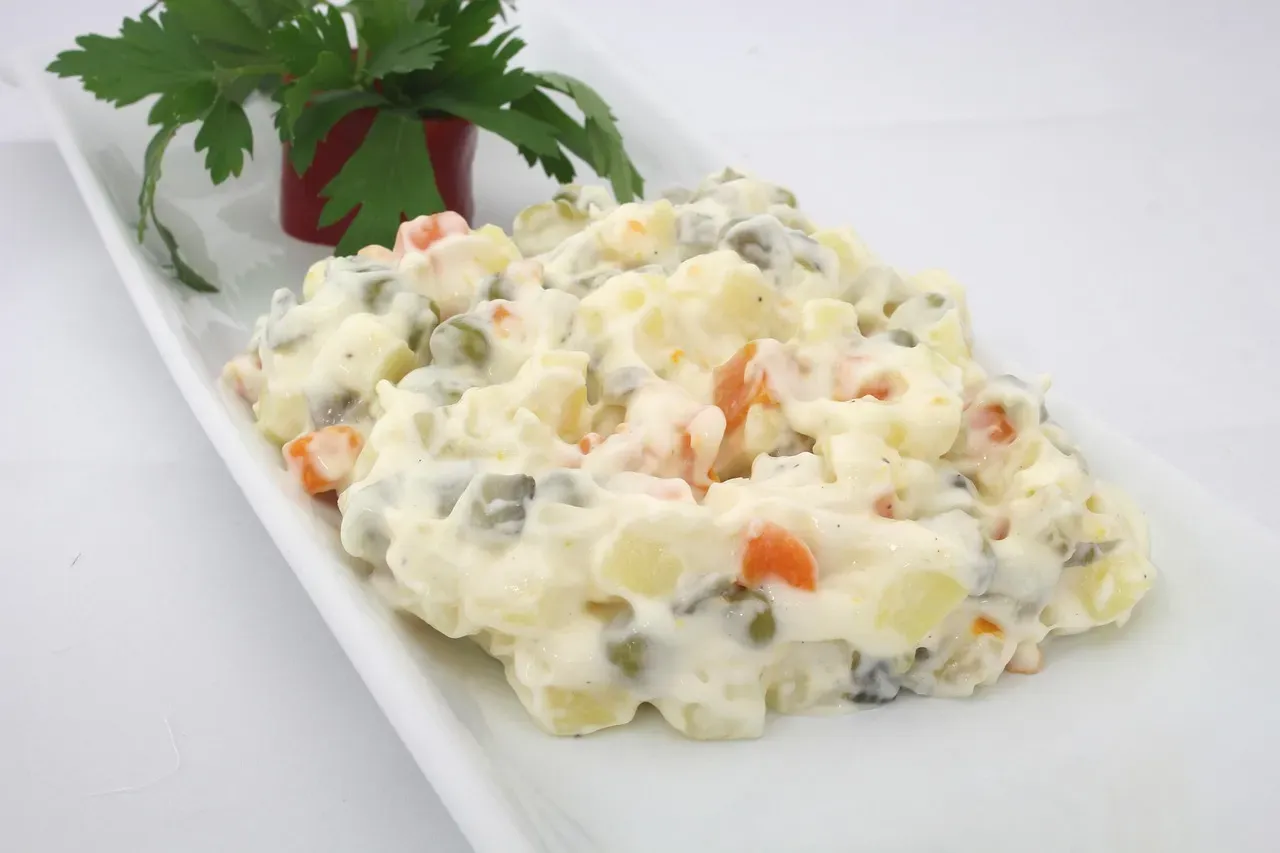
2. Mayo-Based Salads (Tuna, Egg, and Chicken Salad) (Image Credits: Pixabay)
These creamy classics are comfort food staples, but they're also some of the riskiest items on a warm buffet line. Tuna, egg, and chicken salads need to stay ice-cold, but often don't, making these dishes particularly vulnerable to temperature abuse that can turn them from safe to spoiled in under two hours. The scary part is that you often can't tell just by looking or tasting.
That's precisely why experts recommend caution here. You won't always smell or taste the difference, so it's smart to skip the mayo-based items unless you know they were just made and kept cold. If it's been out for a while under a sneeze guard, it's better left alone.
3. Alfredo and Creamy Seafood Bisque
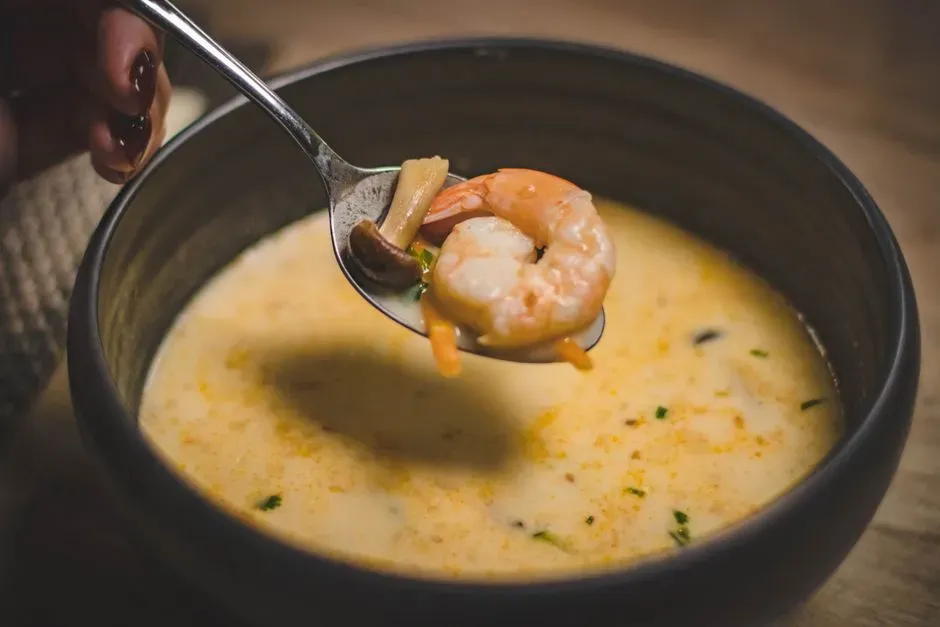
3. Alfredo and Creamy Seafood Bisque (Image Credits: Pexels)
Rich, creamy dishes are comfort food royalty, but they hide spoilage remarkably well. Dishes like Alfredo or seafood bisque can spoil quickly, especially in buffet trays, and once cooled, creamy foods can turn fast and may not be hot enough when reheated to kill bacteria. The thick texture that makes these dishes so satisfying is exactly what masks the early signs of trouble.
Crew members who work the buffet lines know that these trays get refilled less frequently than simpler dishes, meaning what's left in the pan by mid-afternoon may have been sitting far longer than the fresh-looking surface suggests. When in doubt, a dish made to order in a sit-down restaurant is almost always the safer bet.
4. Display Seafood and Shellfish
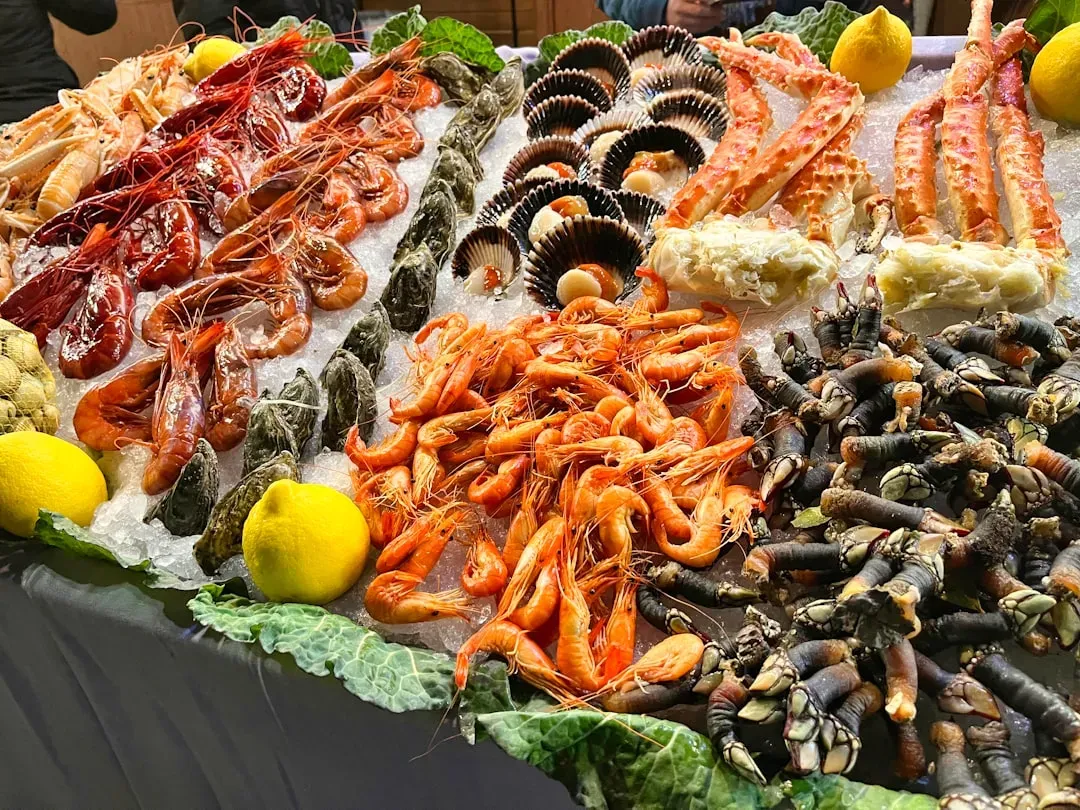
4. Display Seafood and Shellfish (Image Credits: Unsplash)
That gorgeous seafood display with shrimp, oysters, and shellfish nestled artfully on ice photographs beautifully, but it deserves a second look before you dig in. Seafood on offer at a buffet deserves a wary eye, since shellfish should theoretically be kept chilled, and if you can't see proof of that, such as shellfish nestled in ice, that's a major red flag. Temperature control is the whole game with raw seafood.
The underlying science is straightforward but unforgiving. One of the biggest risks at a buffet is improper temperature control, since food sitting too long in the danger zone between 40 and 140 degrees Fahrenheit allows bacteria to multiply rapidly. Many crew members and food safety voices instead suggest saving seafood cravings for a proper sit-down restaurant onboard.
5. Buffet Scrambled Eggs
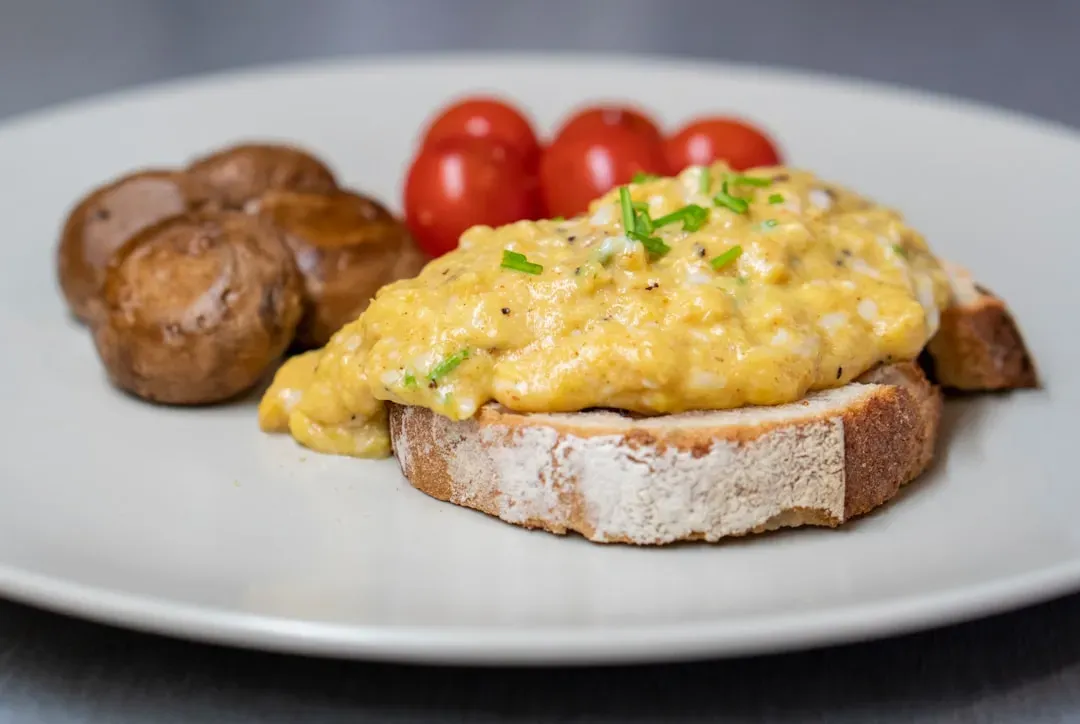
5. Buffet Scrambled Eggs (Image Credits: Unsplash)
Breakfast buffets are notorious for this one. Eggs held in a chafing dish for hours rarely taste the way they should, and they're often reconstituted rather than freshly cracked. For breakfast, made-to-order eggs or omelets are preferable to buffet scrambled eggs, which may be powdered and held too long. The texture alone usually gives it away once you know what to look for.
Beyond taste, there's a practical safety angle too. Eggs sitting under heat lamps can dry out or slip into unsafe temperature ranges if the buffet gets busy and refills slow down. Most crew members who eat breakfast on their own time head straight for the omelet station instead, where eggs are cooked fresh in front of you.
6. Buffet Pizza
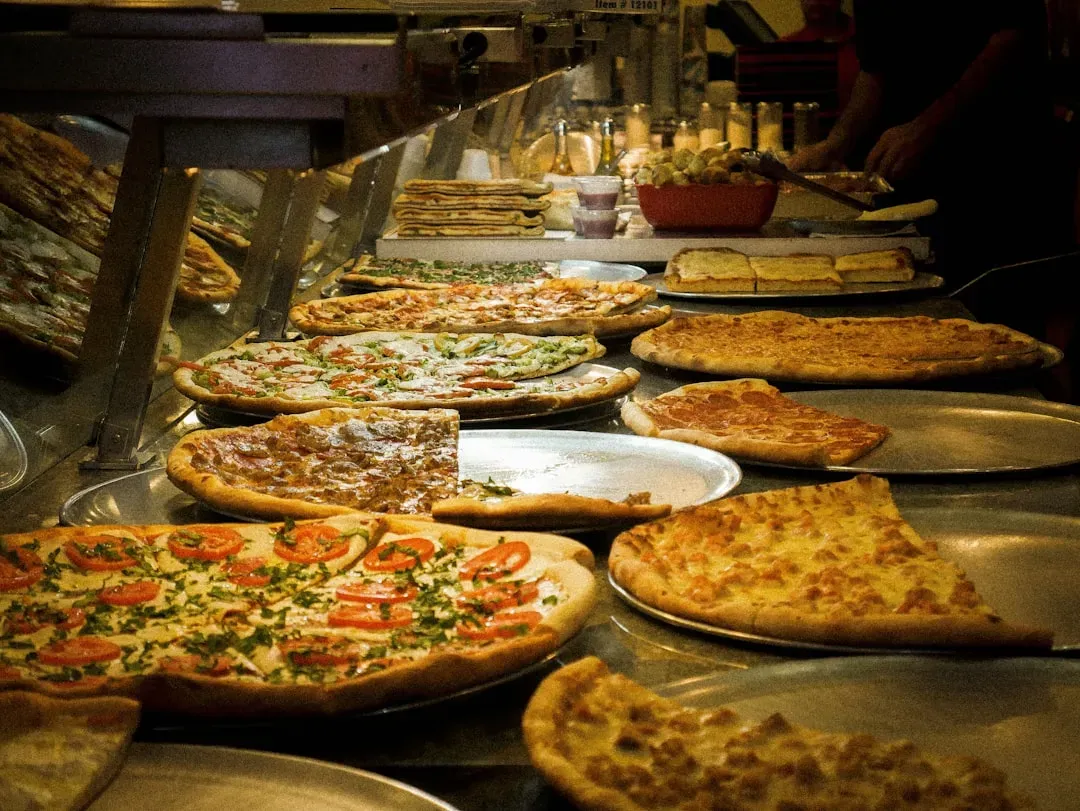
6. Buffet Pizza (Image Credits: Unsplash)
Pizza is a crowd favorite on nearly every ship, but the buffet version rarely lives up to the fresh-from-the-oven promise. The version sitting at the buffet often doesn't live up to expectations, because heat lamps cause the crust to become chewy while the heat melts away the topping structure, so the appearance remains attractive but the flavor reveals an alternate reality. It looks the part, but the bite tells a different story.
Pizza left out too long also raises digestive concerns beyond just taste. When left out on a cruise buffet, pizza can become problematic, since cheese that's been sitting for a while tends to harden and may upset your digestion, so it's best to order it freshly made at a restaurant onboard. Many ships have a dedicated pizzeria or made-to-order station specifically for this reason.
7. Pre-Cut Fruit
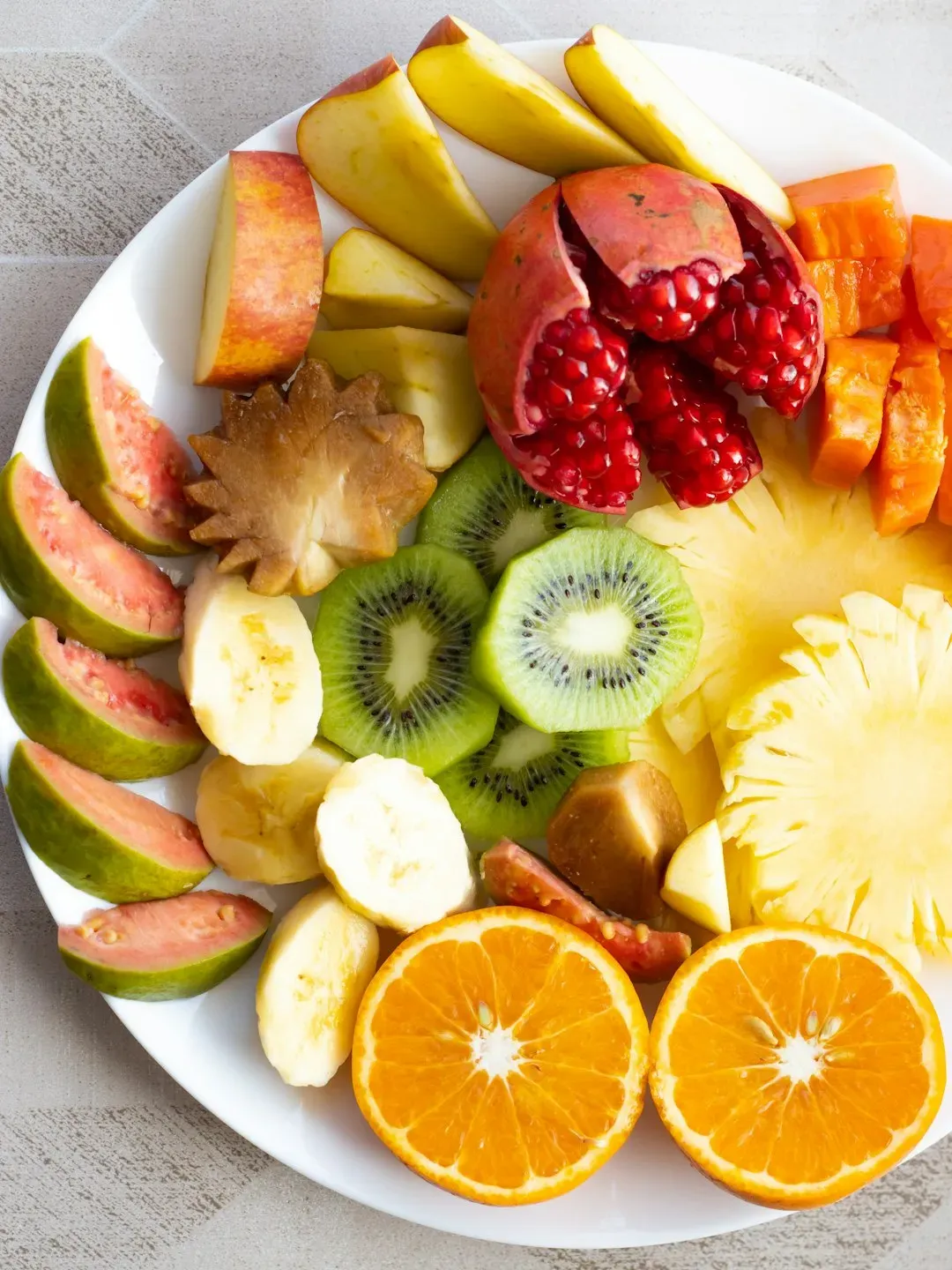
7. Pre-Cut Fruit (Image Credits: Unsplash)
A fruit platter feels like the safe, healthy choice at any buffet, yet the reality is more complicated once you understand how fast cut produce declines. Pre-cut fruit appears to be a nutritious and secure choice, but its freshness declines rapidly when exposed to buffet environments, since the drying process begins immediately after it faces air exposure. The fruit that looks perfectly fine can already be past its prime.
The fix is simple according to those familiar with buffet operations. It may sit out longer than anticipated at high-traffic buffet locations, so for a fresher option, go for whole fruits or look for stations where fruit is being cut and served more frequently. A whole apple or banana beats a wilting fruit cup nearly every time.
8. Cold Cuts Left Out at the Deli Counter
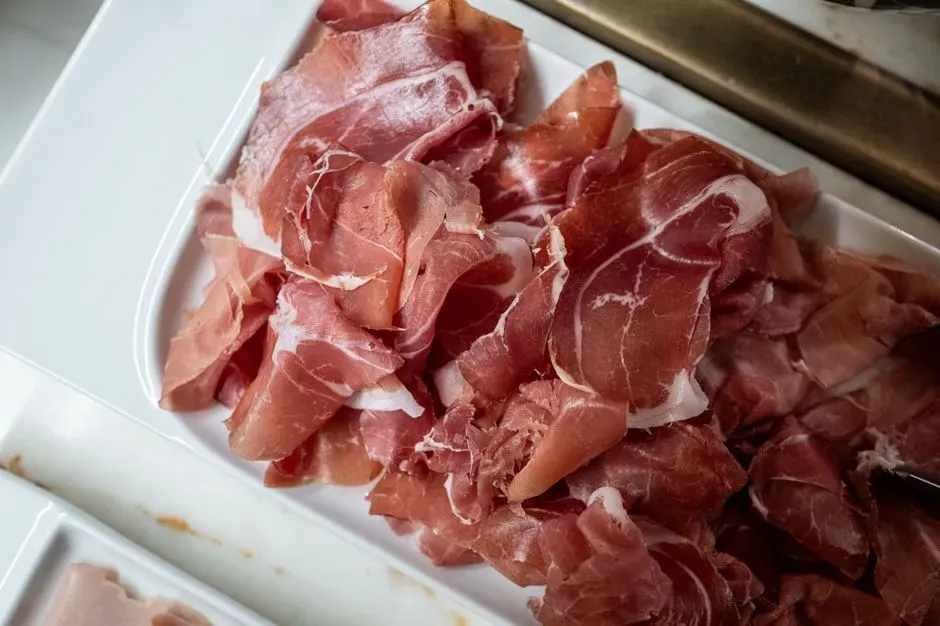
8. Cold Cuts Left Out at the Deli Counter (Image Credits: Pexels)
The deli station seems harmless enough, but timing matters more than people realize. The deli counter provides decent options, though cold cuts lose their taste because extended exposure to air causes the meat to become dry. Meat that's been sitting exposed for hours simply isn't the same as a freshly sliced portion.
Crew members who frequent these counters during off-peak hours notice the difference immediately. The meats displayed during off-peak hours appear less attractive than what comes out during a fresh restock. Timing your visit around when trays are refreshed, rather than grabbing from a tray that's clearly been sitting, makes a noticeable difference.
9. Anything You've Watched Someone Else Touch
9. Anything You've Watched Someone Else Touch (Image Credits: Unsplash)
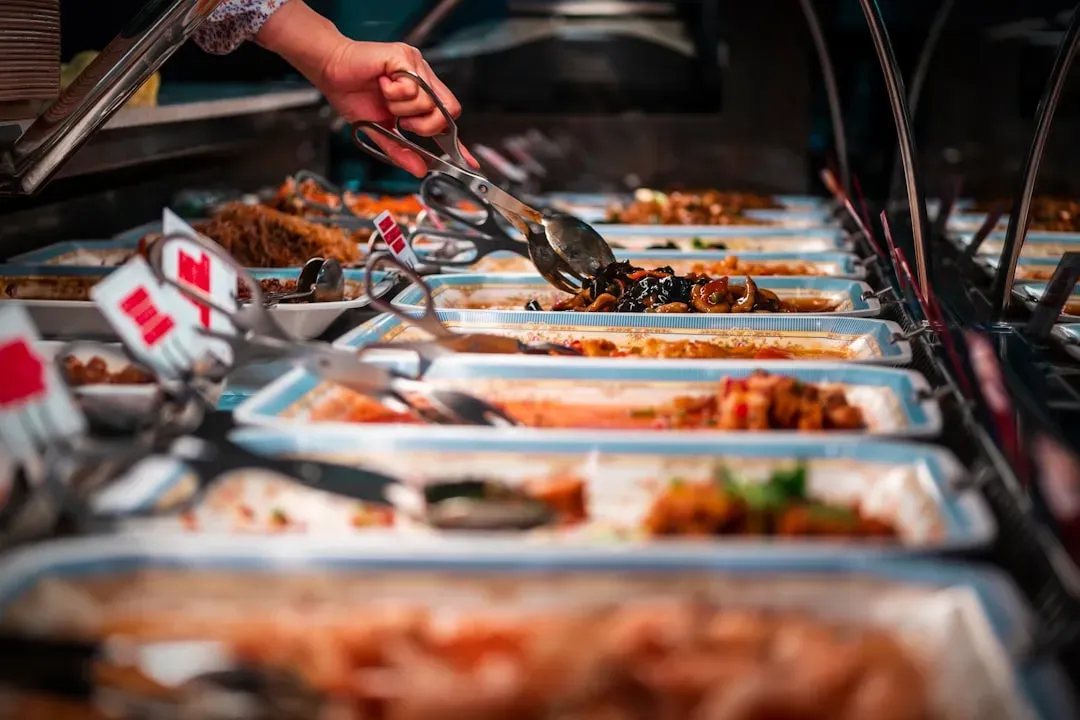
This one isn't about a specific dish so much as a specific behavior, but it shows up constantly in crew and frequent-cruiser advice. If you notice the person in front of you touching food and putting it back, you should notify a server and swerve that dish, and the same applies if someone has contaminated a vegetable-only dish using utensils meant for meat or if tongs have fallen completely into the food. Once contamination happens, no amount of heat lamp warmth fixes it.
Veteran cruisers who pay close attention to buffet etiquette have picked up on this too. Some travelers avoid using their fingers to dip into sauces or dishes, never picking up food and putting it back, and they watch out for people who do and avoid those foods entirely. It might feel awkward to flag it, but crew members would genuinely rather swap out a tray than risk a norovirus outbreak, something ships take extremely seriously given how easily it spreads in close quarters.
Eating Smarter at the Buffet
Eating Smarter at the Buffet (Image Credits: Unsplash)
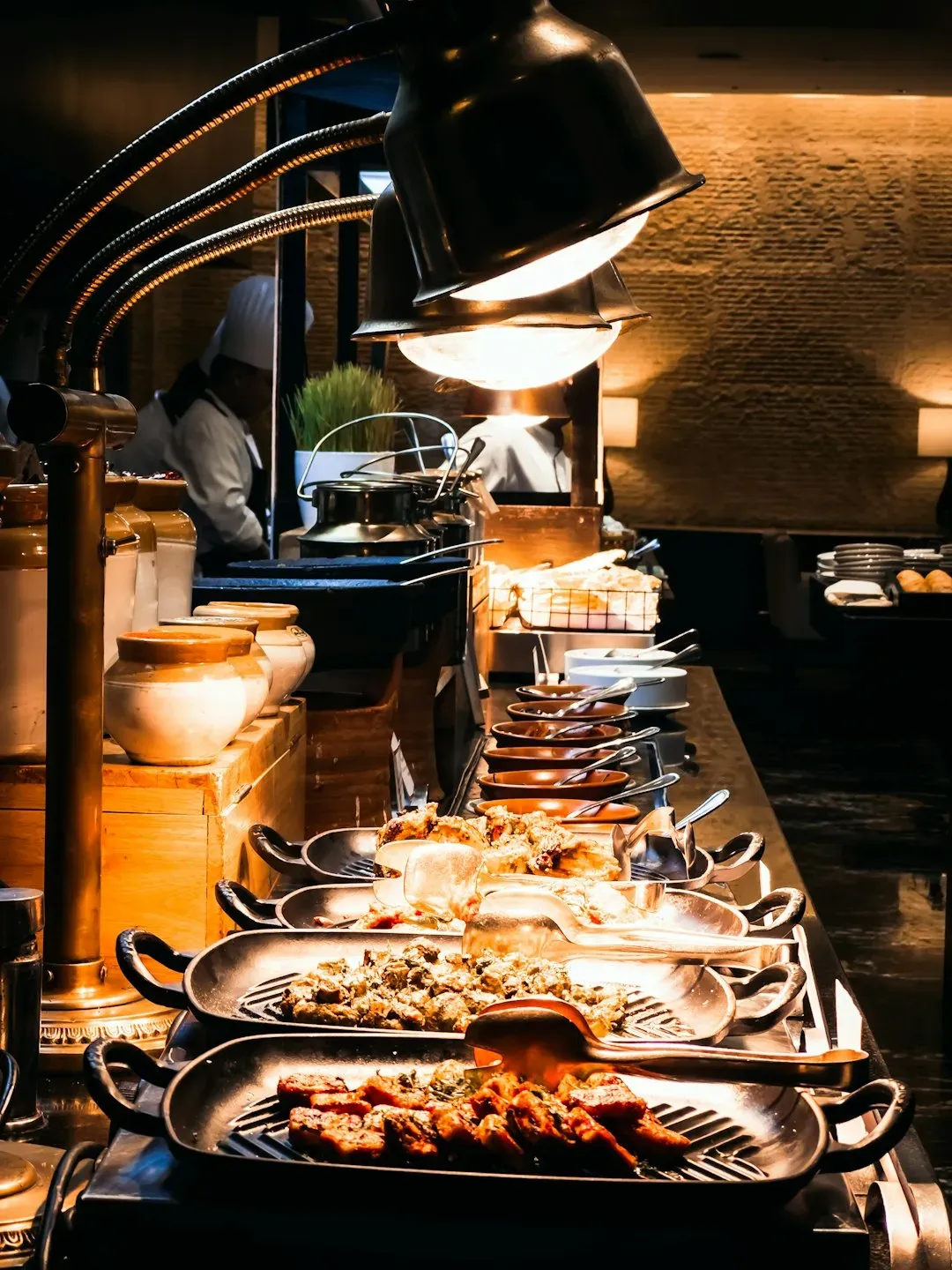
None of this means buffets are a minefield to be avoided altogether. The vast majority of cruise lines run tight, well-monitored food safety programs, and outbreaks remain rare relative to the sheer volume of meals served daily. Still, small habits make a real difference: choosing made-to-order stations over trays that have been sitting, taking smaller portions across multiple trips, and trusting your gut when something looks dry, wilted, or simply off.
The dishes on this list aren't universally dangerous every single time. They're simply the ones where timing, temperature, and handling matter most, and where a little extra caution costs you nothing. Next time you're working the buffet line, take a cue from the crew standing behind the counter. If they'd walk past it, it's probably worth a second thought before it lands on your plate.