
Booking a wedding caterer feels straightforward at first. You taste some food, sign a contract, and assume the number on the proposal is the final number. Yet couples across the country consistently discover that the real cost, and the real experience, of wedding catering comes with a long list of details that never made it into the initial conversation. Some of these gaps come from vague industry norms, others from caterers who simply prefer not to bring up unflattering topics until they have to.
This isn’t necessarily about dishonesty. Many caterers assume couples already know the standard practices, or they wait for questions rather than volunteering information that might complicate a sale. Either way, understanding these nine blind spots before you sign anything can save you money, stress, and a few unpleasant surprises on the biggest day of your life.
1. The Per-Person Price Rarely Includes Everything
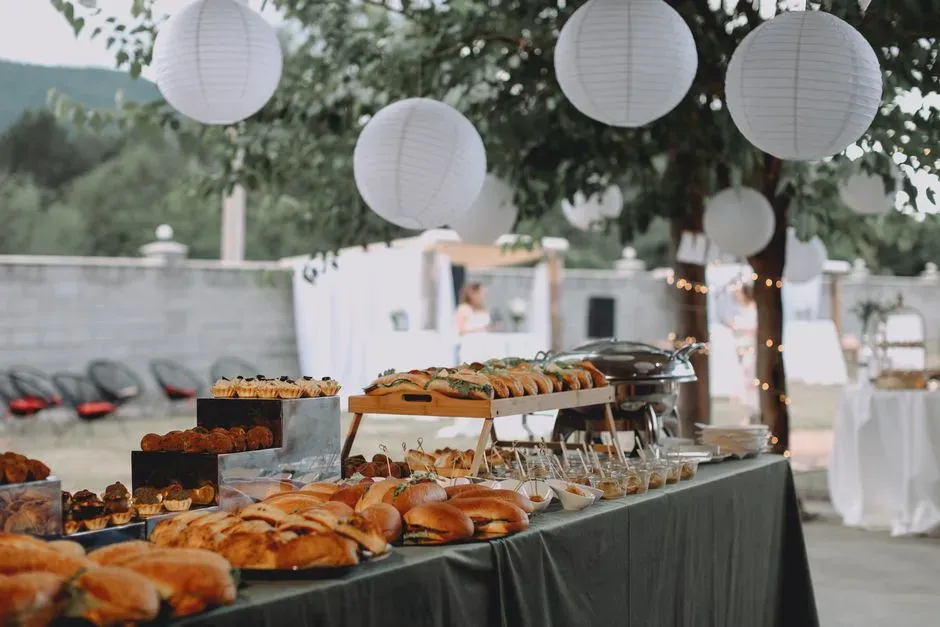
1. The Per-Person Price Rarely Includes Everything (Image Credits: Pexels)
When a caterer quotes a number like seventy dollars per person, that figure often covers food alone, not drinks, service staff, rentals, or taxes. According to The Knot, the average per-person cost for food and drinks combined is $70 to $85, and food and beverage typically represent 20 to 30 percent of the total wedding budget for catering alone. That means the number you saw in a brochure or heard in a sales pitch is frequently the floor, not the ceiling.
Couples who don't ask for a full itemized breakdown often end up shocked when the final invoice arrives. Requesting an itemized quote ensures every cost component, like staffing fees or rentals, is clear upfront. A good rule of thumb is to never accept a verbal estimate as your working budget number until you've seen it broken down line by line in writing.
2. Cake-Cutting Fees Can Apply Even to Cakes You Bring Yourself

2. Cake-Cutting Fees Can Apply Even to Cakes You Bring Yourself (Image Credits: Unsplash)
Many couples assume that bringing in a cake from an outside bakery saves money, and it can, but there's often a catch waiting on the invoice. If you don't use a venue's in-house chef or an approved cake company, they often require a cutting fee that is typically around $1-$2 per guest, and it can go as high as $7 in rare cases. Caterers rarely lead with this detail during the initial tasting or sales meeting.
The justification is usually about labor rather than greed, even if it doesn't feel that way when you see the charge. Cutting a wedding cake for 200 people is not a quick job, and staff have to disassemble the tiers, slice them uniformly, plate them, garnish them, serve them to tables, then clear and wash the plates, and the fee covers this extensive labor. Ask about this fee before you fall in love with an outside bakery's design.
3. Corkage Fees Turn "Bring Your Own Booze" Into a Costly Idea

3. Corkage Fees Turn "Bring Your Own Booze" Into a Costly Idea (Image Credits: Pexels)
Plenty of couples try to save money by supplying their own wine or champagne instead of paying the caterer's bar markup. On paper, it sounds like an easy win. In practice, caterers frequently charge a corkage fee that eats into, or even erases, those savings.
Some couples bring their own wine or champagne to save money or because their venue doesn't serve their preferred vintage, and when you do this, venues charge a corkage fee which can range between $10 and $40 per bottle. Other estimates place the range a bit lower but still significant, with corkage for bringing your own wine or champagne expected to run around $10 to $15 per bottle. Caterers rarely raise this topic unprompted because it discourages the very idea of outside alcohol they'd rather sell themselves.
4. Service Charges and Gratuity Are Often Layered on Top

4. Service Charges and Gratuity Are Often Layered on Top (Image Credits: Pexels)
The quoted per-person food price is only part of the math. A service charge, separate from any tip you might choose to add, is standard in the industry and can be substantial. Service charges usually run 18 to 22 percent, added on top of the per-person quote. Many couples don't realize this charge exists until they're reviewing a contract line by line.
This service fee typically covers staffing, coordination, and administrative overhead rather than functioning as a direct tip to the waitstaff, though the language in contracts can be confusing. It's worth asking your caterer directly whether the service charge is distributed to staff or retained by the company, since the answer varies and affects whether you should still tip separately.
5. Tastings Are Not Always Free

5. Tastings Are Not Always Free (Image Credits: Pixabay)
Couples often assume that sampling the menu before booking is a complimentary courtesy. That assumption isn't always correct, and caterers rarely advertise the cost upfront because it can make them seem less accommodating compared to competitors. Many wedding caterers charge a tasting fee of $25 to $75 per person, especially for larger groups.
Some companies do credit that fee toward your final invoice if you book with them, but that's not universal, and it's rarely explained unless a couple asks directly. Some caterers charge for pre-wedding tastings, so it's worth asking if that fee will be credited toward your total. Clarify this before scheduling a tasting so you're not caught off guard by an unexpected charge for what felt like a casual meeting.
6. Overtime Charges Kick in Fast When Receptions Run Long
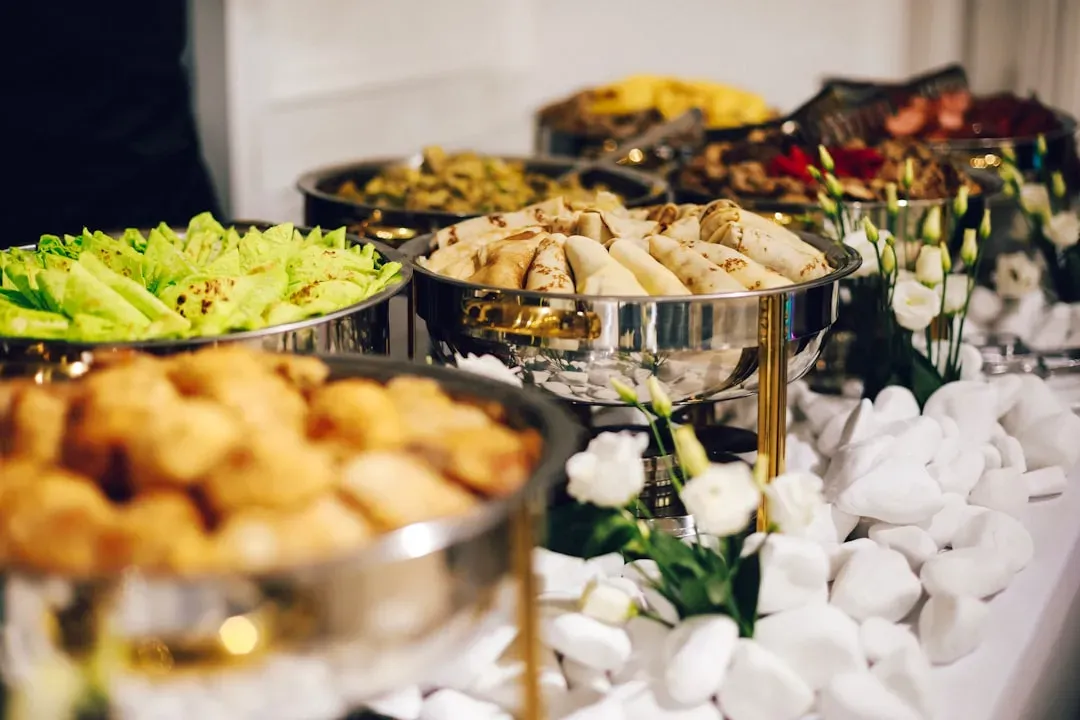
6. Overtime Charges Kick in Fast When Receptions Run Long (Image Credits: Unsplash)
Wedding timelines rarely go exactly as planned. Speeches run long, the first dance gets delayed, and suddenly your reception is bumping up against its contracted end time. Caterers know this happens constantly, yet they don't always spell out how expensive those extra minutes can become.
If a wedding runs later than expected, catering staff may charge overtime fees, and some caterers only serve food for a set number of hours, meaning extra time comes at an additional cost. There are also charges tied to keeping the kitchen open past its scheduled window. Additional chef fees may apply if the kitchen remains open past the contracted time. Building a buffer into your reception schedule is one of the simplest ways to avoid this entirely.
7. Outside Catering Can Cost More Than In-House Options

7. Outside Catering Can Cost More Than In-House Options (Image Credits: Pexels)
Couples frequently choose an outside caterer hoping to save money compared to a venue's in-house food service. Ironically, this choice sometimes backfires because of everything that comes bundled into an in-house package but not into an independent caterer's quote. Some couples who opt for outside catering do so in hopes of cutting down costs, but sometimes the opposite happens, and couples might not realize all of the extras tagged onto catering.
Labor costs alone can add up quickly once you move away from a venue's built-in staff. Outside catering requires additional labor fees including servers, bussers, attendants, dishwashers, and permits. On top of that, there's often a travel charge nobody mentions during the initial sales pitch. Off-site caterers typically charge travel fees, usually determined on a per-mile basis depending on how far they have to travel to get to the venue.
8. Rental Items Like Plates and Linens Aren't Always Part of the Deal

8. Rental Items Like Plates and Linens Aren't Always Part of the Deal (Image Credits: Unsplash)
It's easy to assume that once you've hired a caterer, they'll simply show up with everything needed to serve a meal. That's not always true, particularly with smaller or independent catering companies that specialize in food preparation rather than full event production. Plates, cutlery, glassware, table linens, and serving utensils may require separate rentals if not included in the package.
This gap tends to surface late in the planning process, sometimes just weeks before the wedding, when a couple realizes their caterer expected them to source place settings independently. Confirming exactly what's included in writing, right down to napkins and serving utensils, prevents a last-minute scramble and an unplanned rental bill.
9. Rising Ingredient Costs Are Quietly Passed Along to Couples
9. Rising Ingredient Costs Are Quietly Passed Along to Couples (Image Credits: Unsplash)
Wedding catering prices haven't stayed flat, and caterers don't always explain why a quote today looks different from one they gave a friend a year or two ago. Food commodity costs, particularly proteins, have climbed noticeably in recent years. The cost of meat increased by up to 17 percent, with another 12.8 percent increase not expected to slow, meaning catering costs are expected to keep rising into 2026.
This inflation shows up in per-person pricing across the board, and by 2026 the spread had widened considerably depending on menu choices and region. Wedding catering prices in 2026 generally range from $45 to $350 per person, while private dinner parties typically fall between $65 and $200 per person. Caterers rarely volunteer an explanation for why prices have shifted since your engagement began, but understanding the broader commodity trends helps you negotiate with realistic expectations rather than assuming you're simply being overcharged.
None of this means every caterer is trying to hide something sinister. Much of the wedding industry runs on assumed knowledge, unwritten norms, and pricing structures that make more sense to vendors than to the couples paying the bills. Still, walking into contract negotiations informed about cake-cutting fees, corkage charges, service percentages, and overtime policies puts you in a far stronger position than simply trusting the first number you're given.
The best defense against catering surprises is a simple habit: ask for everything in writing, and ask specifically about the categories caterers tend to leave out. A little upfront persistence during the planning process can spare you a lot of frustration when the final invoice lands in your inbox.