
Anyone who has glanced at a delivery app receipt lately knows the sting. Between service fees, delivery charges, and the automatic tip prompt, a casual dinner order can rival what a sit-down restaurant used to charge. Yet some of the biggest gaps between menu price and actual cost aren’t hidden in fancy tasting menus. They’re in everyday comfort foods, the stuff that takes little more than a stove, a bowl, and a few pantry staples to recreate.
This list rounds up ten popular meals and drinks where the markup between restaurant or delivery price and homemade cost is especially dramatic. Some of these differences come down to convenience fees and labor, others to ingredients that are simply cheap in bulk but pricey by the portion. Either way, once you see the numbers side by side, it’s hard to unsee them.
1. Restaurant-Style Guacamole
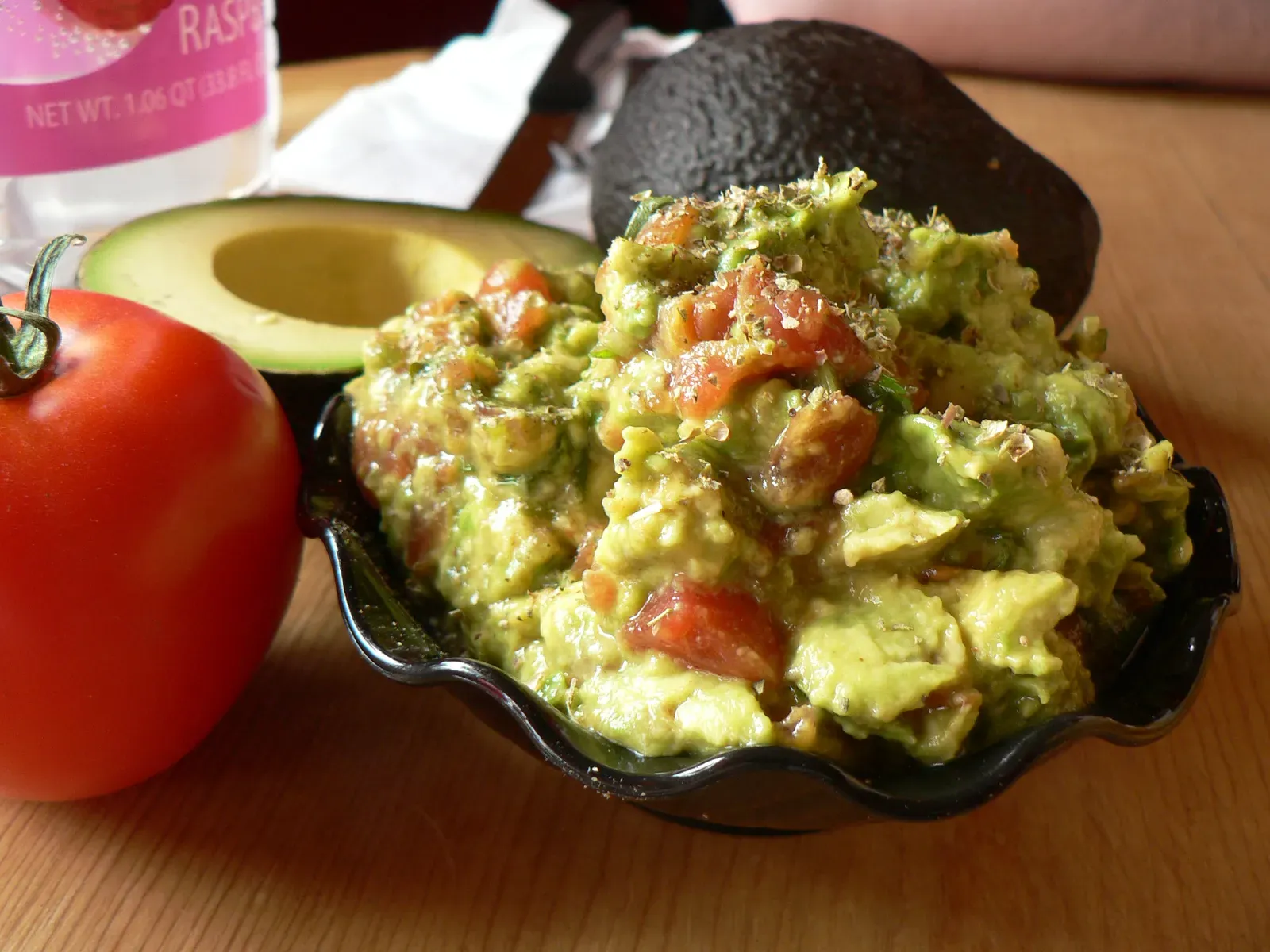
1. Restaurant-Style Guacamole (guacamole, <a href="https://commons.wikimedia.org/w/index.php?curid=3504430" target="_blank" rel="noopener">CC BY-SA 2.0</a>)
Guacamole is one of the most quietly profitable items on a casual restaurant menu. A six- to eight-serving portion of made-to-order guacamole costs about $50 at a restaurant like Cheesecake Factory. That price often doesn't even include chips, which are frequently sold separately or rationed rather than offered as a bottomless basket.
At home, the same batch is remarkably cheap to pull together. You can make a six- to eight-serving portion of homemade guacamole with four avocados, one small yellow onion, one bunch of cilantro and two limes for around $7.50. Even accounting for avocado price swings, that's a massive gap, and it explains why guac is often flagged as one of the worst value add-ons on a restaurant bill.
2. Avocado Toast
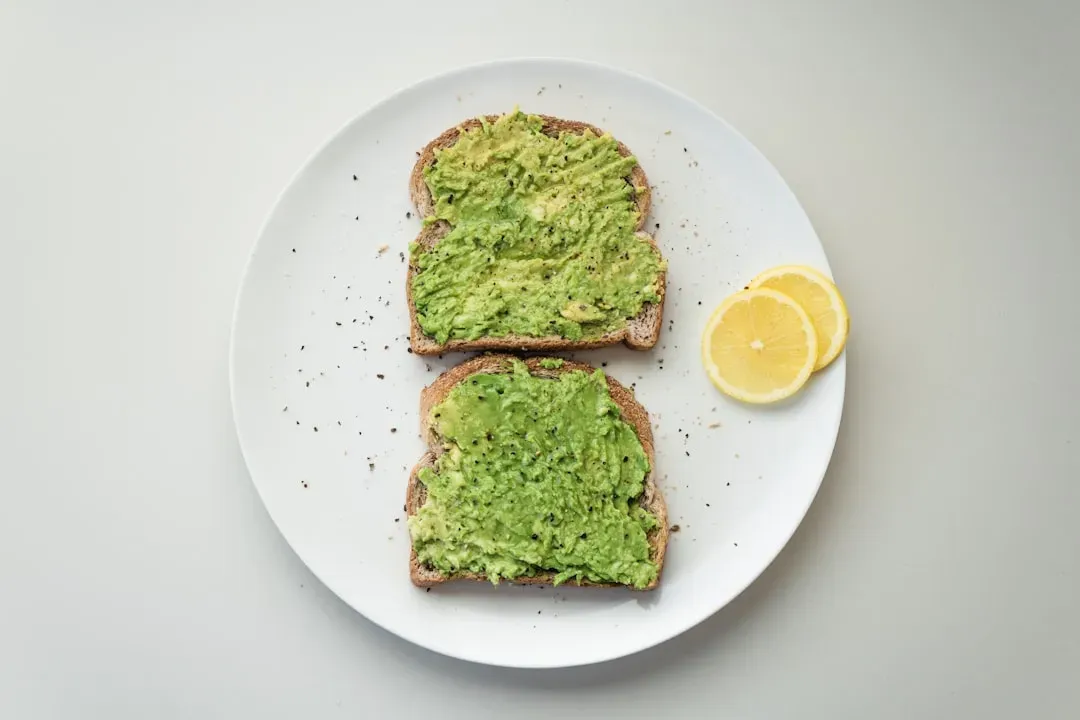
2. Avocado Toast (Image Credits: Unsplash)
Avocado toast became the poster child for millennial spending debates for a reason. Industry breakdowns of a typical ten dollar avocado toast show that add whole-grain bread, sesame seeds, and other garnishes, and you're up to $3.50 for the ingredients – or about 35 percent of the menu price, with the rest going toward labor, rent, and overhead rather than pure profit.
Making it at home strips away nearly all of that overhead. A slice of good bread, a ripe avocado, a squeeze of lime, and a pinch of salt or chili flake costs a fraction of the finished plate you'd get at a café. You lose the ambiance and the dishwashing, but you keep almost the entire cost difference in your pocket.
3. Diner-Style Brunch Plates
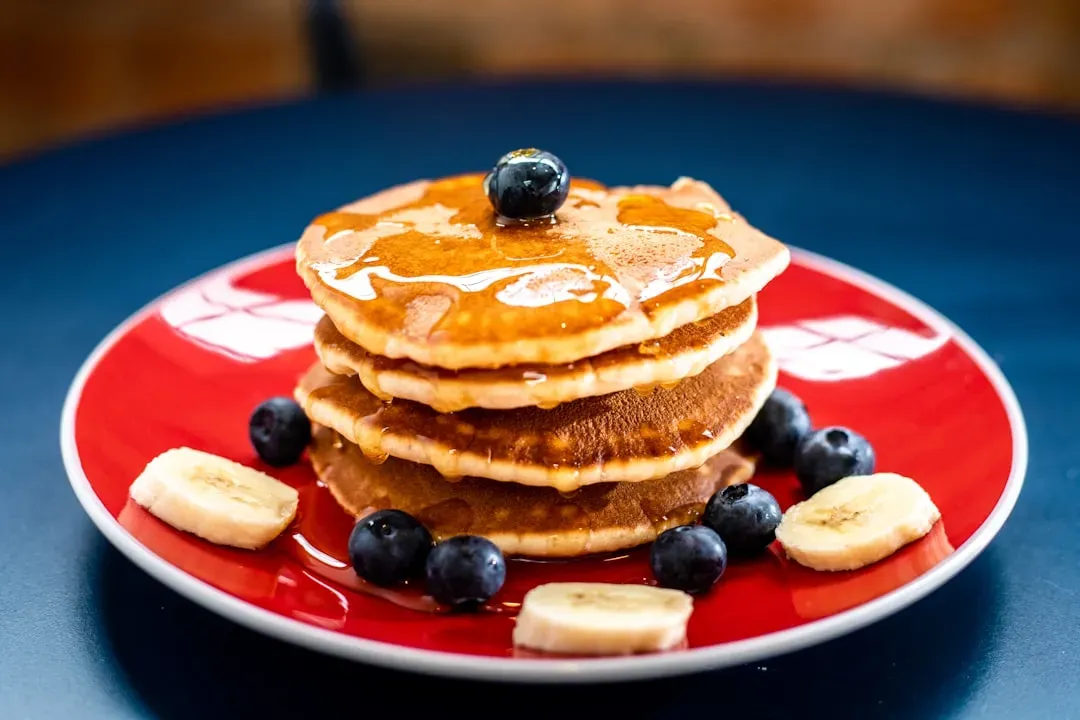
3. Diner-Style Brunch Plates (Image Credits: Unsplash)
Brunch menus are built around foods that are cheap to produce and easy to upsell. Foods like Belgian waffles, pancakes and French toast require little prep time and have low ingredient costs. A brunch combo, including two eggs, two slices of bacon and two buttermilk pancakes, for example, costs around $10 at a family-style restaurant like The Cheesecake Factory. Add a stack of French toast and a round of drinks, and a two-person brunch of the aforementioned items can cost over $20, not including beverages and gratuity.
Cooking the same spread yourself is almost absurdly cheap by comparison. Eggs, bacon, and pancake batter are pantry basics, and if you want to save money and entertain at home, make your own brunch for around $2. Even doubling that estimate for a more generous spread still leaves a wide gap versus the restaurant tab.
4. Boozy Brunch Mimosas

4. Boozy Brunch Mimosas (Image Credits: Pexels)
The markup on brunch cocktails is arguably even steeper than the markup on the food itself. A carafe made with a full bottle of decent Champagne can serve around ten glasses, and a carafe of mimosa, (or about 10 servings), using French Champagne for around $40 is a realistic homemade estimate.
Order that same volume of mimosas by the glass at a restaurant and the bill climbs fast. You might pay as much as $90 or more for the same amount in a restaurant. That's more than double the cost, before tip, for essentially orange juice and sparkling wine poured into a flute.
5. Delivery Pizza
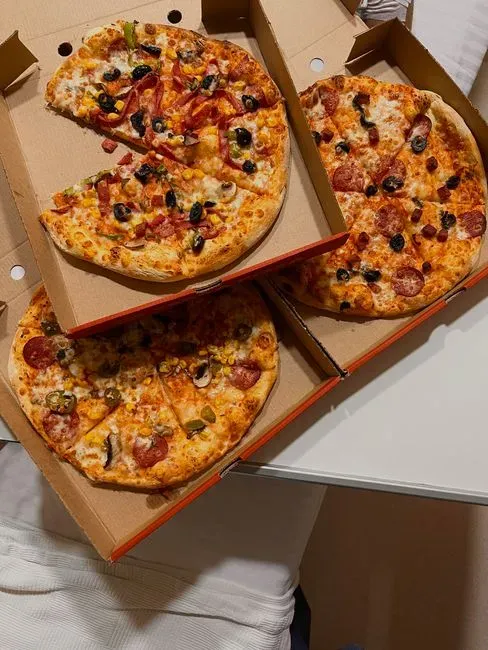
5. Delivery Pizza (Image Credits: Pexels)
Pizza delivery has gotten noticeably pricier as service fees and driver tips stack on top of the pie itself. Recent cost breakdowns put the gap in stark terms: homemade pizza costs $4–8 per pizza in ingredients vs. $23–43 total for delivery (pizza + fees + tip). Even for a household of two, for 1–2 people, homemade saves $14–27 per pizza.
The ingredient math backs this up at a granular level too. All the ingredients needed to make one 10" pizza will cost you around four bucks: That's 70 cents for the flour, 68 cents for the pizza sauce, another 50 cents for olive oil, yeast, and salt, and about $2.00 for mozzarella. There you have it: A truly awesome homemade pizza for about the same cost as a single slice at the pizzeria. Buy a pizza stone or steel once, and the savings compound with every pie afterward.
6. Specialty Coffee Shop Lattes
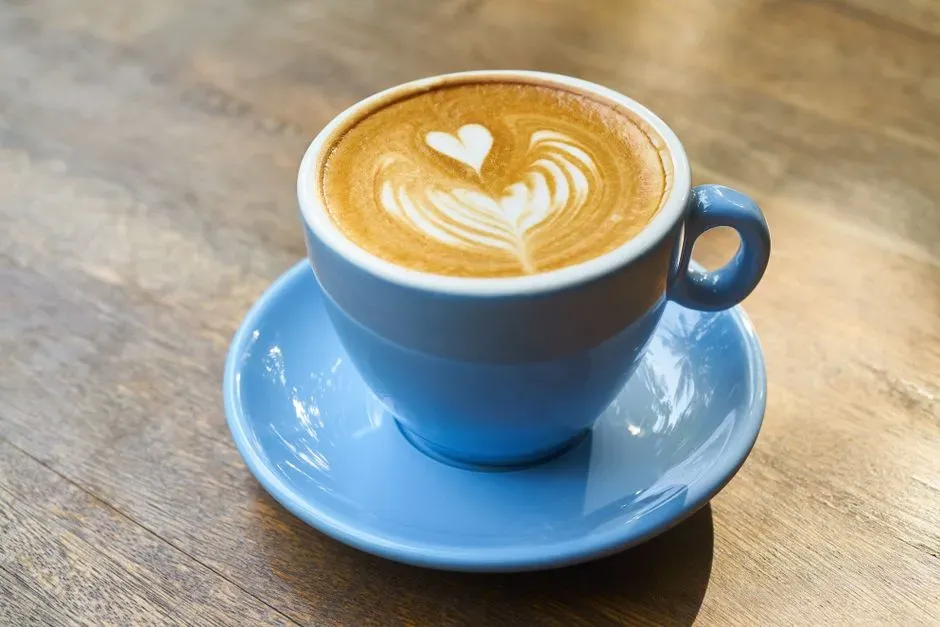
6. Specialty Coffee Shop Lattes (Image Credits: Pexels)
Daily café habits add up in a way that's easy to underestimate. The average cost of a regular cup of coffee in the United States is around $3 and a latte is around $5 – $6. Flavored or oat milk versions push that even higher, with some shops charging close to seven dollars once tax and tip are included.
Brewing at home changes the math dramatically. Brewed at home, coffee is one of the most cost-effective options available – typically ranging from $0.25 to $0.75 per cup. Even a more elaborate homemade latte with oat milk and quality beans can land well under a dollar per cup, meaning the café version can cost five to ten times more for a very similar drink.
7. Bar-Style Chicken Wings
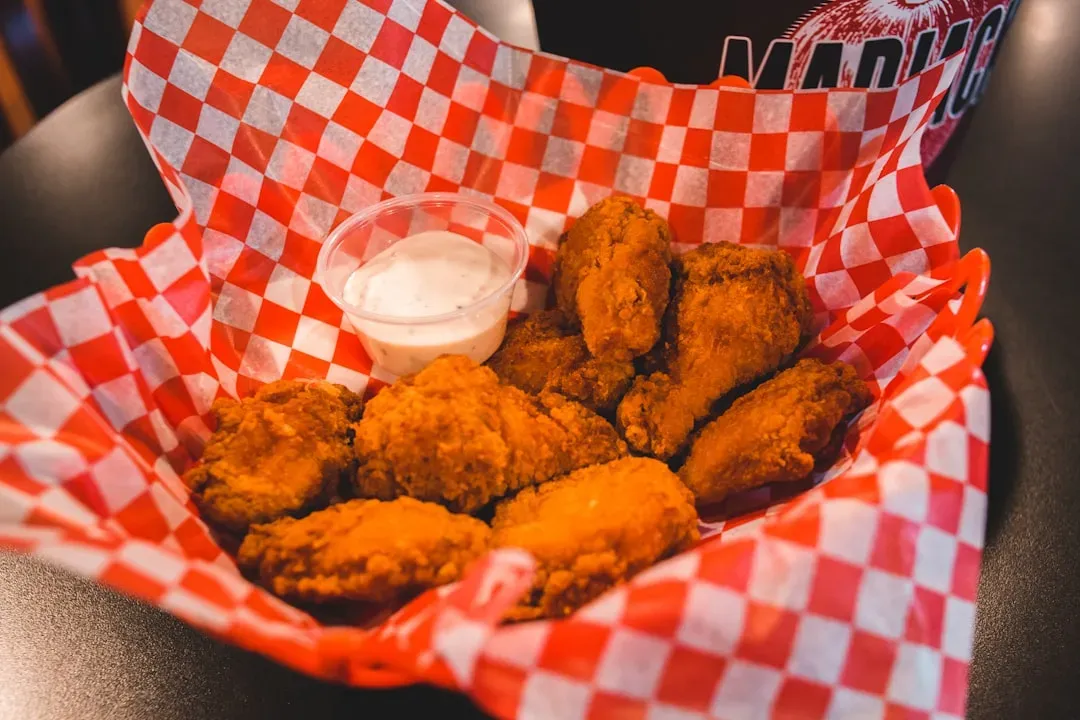
7. Bar-Style Chicken Wings (Image Credits: Unsplash)
Wings are a bar-menu favorite partly because they're genuinely profitable for the house. A 10-piece chicken wing order (approx. 1 lb wings) typically costs $2.50–$4.00 in ingredient cost depending on wing size and market pricing. At a $14–$16 menu price, that's a 16–28% food cost – one of the best margin items on a bar menu when wing prices are favorable. Nationally, restaurant wing pricing has held firm too, with the median price of wings at Toast restaurants in June 2026 was $13.91.
At the grocery store, wings remain one of the cheaper cuts of chicken to buy in bulk. Home cooks routinely turn a few pounds of wings, plus pantry sauce ingredients, into a game-day spread that costs a small fraction of the same order picked up from a sports bar, especially once you factor in that a single restaurant order rarely feeds more than one or two people.
8. Movie Theater Popcorn and Concessions

8. Movie Theater Popcorn and Concessions (Image Credits: Pixabay)
Movie theater snack counters have long been famous for markups that dwarf almost anything else in the food world. A small bag of kernels and a bit of oil can produce several servings of popcorn at home, while a single theater-sized tub, often paired with a soda, can cost nearly as much as the movie ticket itself. The concession stand exists because ticket prices alone don't cover a theater's overhead, so snacks are priced to make up the difference.
Making popcorn at home, whether on the stovetop or in an air popper, costs pennies per batch. You won't get the same buttery theater aroma without some effort, but melted butter and salt go a long way, and the savings over a few movie nights a year add up to a noticeable amount of money kept in your wallet instead of spent at the snack bar.
9. Chinese Takeout Fried Rice
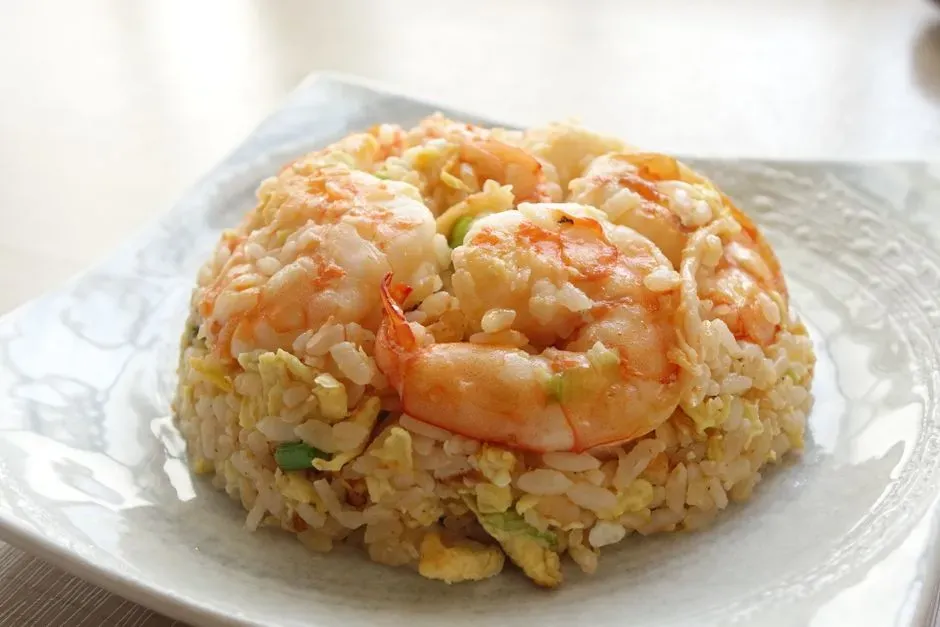
9. Chinese Takeout Fried Rice (Image Credits: Pexels)
Fried rice is a textbook example of a dish built on cheap, shelf-stable ingredients that still commands a solid menu price at takeout counters. Rice, a couple of eggs, frozen vegetables, and a splash of soy sauce are the backbone of most versions, yet a single container ordered for delivery often costs several dollars once fees are included, especially when ordered alongside other dishes.
At home, day-old rice is often the star ingredient, meaning you're frequently using something that would otherwise go to waste. A generous homemade batch, enough for multiple servings, typically costs less than a single takeout portion, and it comes together in about the same time it takes for a delivery driver to arrive.
10. Juice Bar Smoothies
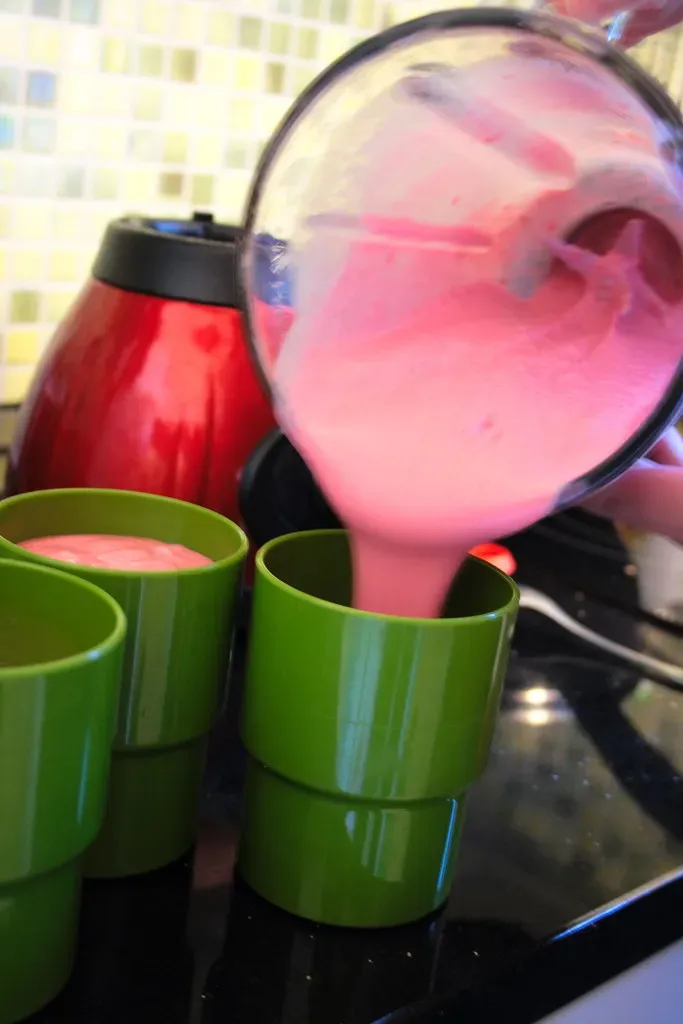
10. Juice Bar Smoothies (V31S70, Flickr, <a href="https://creativecommons.org/licenses/by/2.0/" target="_blank" rel="noopener">CC BY 2.0</a>)
Smoothie shops charge a premium for convenience, blending fruit, ice, and add-ins like protein powder or nut butter into a drink that often costs close to the price of a small meal. Part of that price covers fresh produce sourcing and prep labor, but a good chunk also reflects the packaging, branding, and real estate that come with a storefront operation.
A blender at home and a bag of frozen fruit go a remarkably long way. Buying fruit in bulk or frozen, rather than fresh and pre-portioned, cuts the per-serving cost dramatically, and there's no charge for extras like spinach or chia seeds when you're the one scooping them into the blender yourself.
None of this is an argument against ever ordering out. Restaurants and cafés are paying for rent, labor, insurance, and the simple convenience of not having to cook or clean up, and that's worth something on a busy night. Still, these ten examples make a compelling case for keeping a few staple recipes in your back pocket. The next time a delivery app total looks a little too high, it might be worth checking whether the meal in question is one you could make just as well, and far more cheaply, in your own kitchen.