
Every server has a mental highlight reel of customers, and it’s not always flattering. Between splitting time in the kitchen, running food, and refilling drinks, servers notice patterns in how people tip long before the check ever gets closed out. Some of these habits are obvious red flags, while others are so common that most diners have no idea they’re doing them.
Tipping culture in the United States has been shifting fast, with more diners scaling back and expressing frustration over constant prompts. Nearly 80 percent of consumers now describe modern tipping practices as ridiculous, and 44 percent say they are tipping less than last year. Against that backdrop, here’s what servers really notice, and quietly discuss, about the way you tip.
1. Tipping on the Pre-Tax Total Instead of the Full Bill
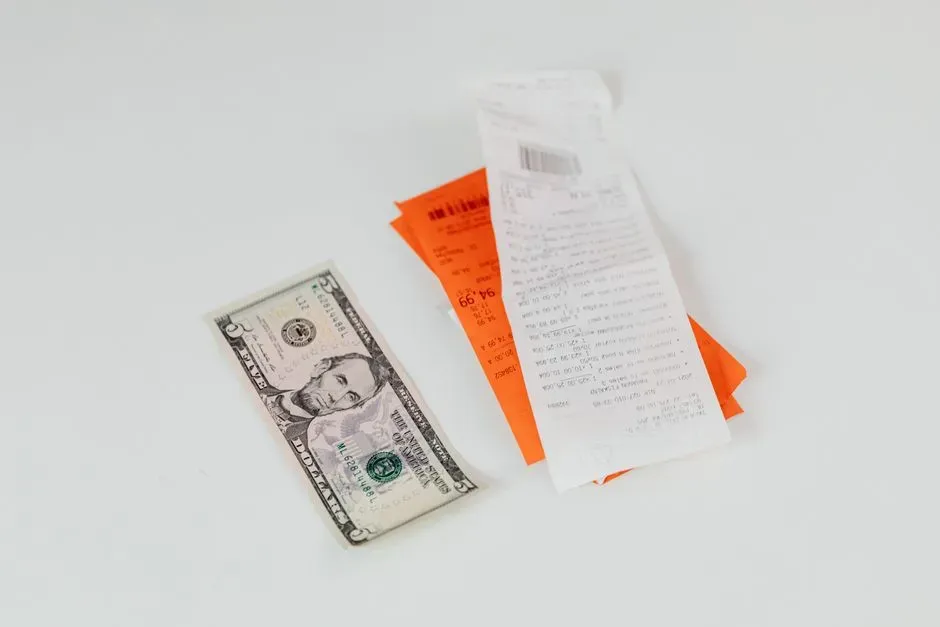
1. Tipping on the Pre-Tax Total Instead of the Full Bill (Image Credits: Pexels)
Plenty of diners still calculate their tip based on the subtotal before tax gets added, thinking it's the more "correct" math. Some believe you only need to tip on the pre-tax amount when dining out, but in 2026, most people have left that behind. Servers notice the difference immediately, even if it's just a dollar or two.
It might seem like a minor technicality, but servers talk about it because it reveals who's actually paying attention to the math versus who's rounding generously without a second thought. It's not only easier to tip on the post-tax amount since no extra math is needed, but it also sends just a few extra dollars to your server. Over dozens of tables a week, those extra dollars add up fast for the people relying on them.
2. Skipping the Tip Jar on Coffee and Quick-Service Orders
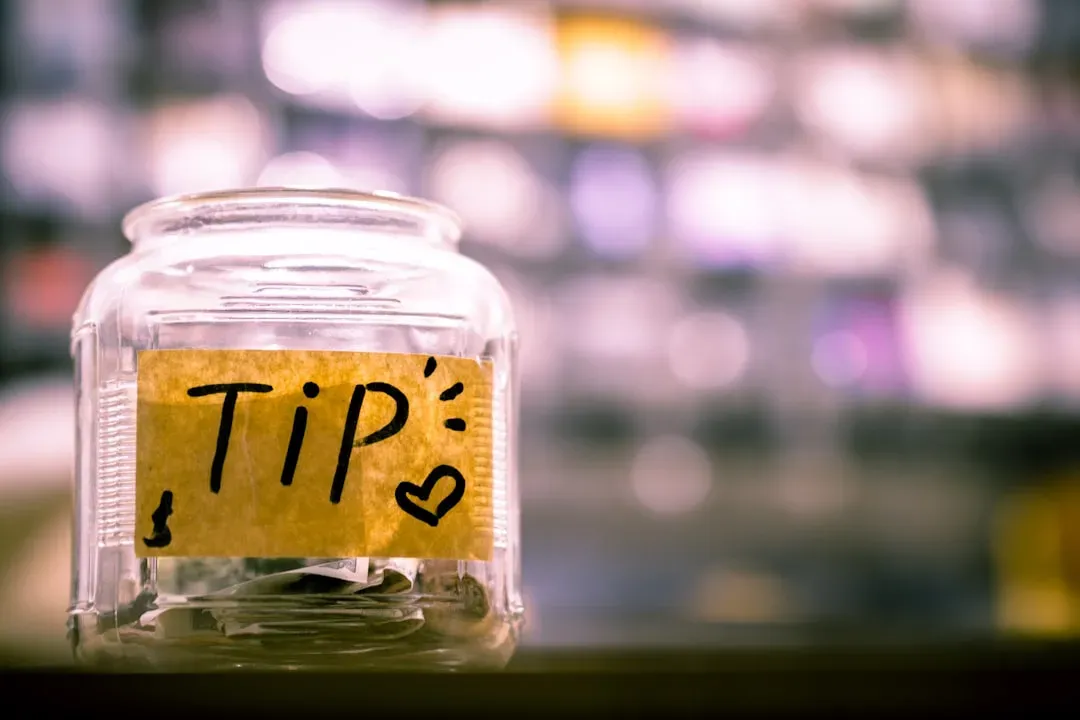
2. Skipping the Tip Jar on Coffee and Quick-Service Orders (Image Credits: Unsplash)
Coffee shops and counter-service spots have become one of the biggest flashpoints in the tipping debate. Only 39 percent of consumers tip at coffee shops, down from 46 percent in September 2025, and baristas notice the decline. Many drinks require real skill and effort, and a dollar or two on top of the price is a small gesture that goes a long way.
The gap between full-service and quick-service tipping has been well documented by payment processors. The average tip at a quick-service restaurant in the U.S. is 15.8% in Q1 2026, a rate that has been flat for six consecutive quarters. Servers and baristas talk about this because it feels like a slow erosion of appreciation for work that still requires genuine effort behind the counter.
3. Blaming the Server for Kitchen Mistakes
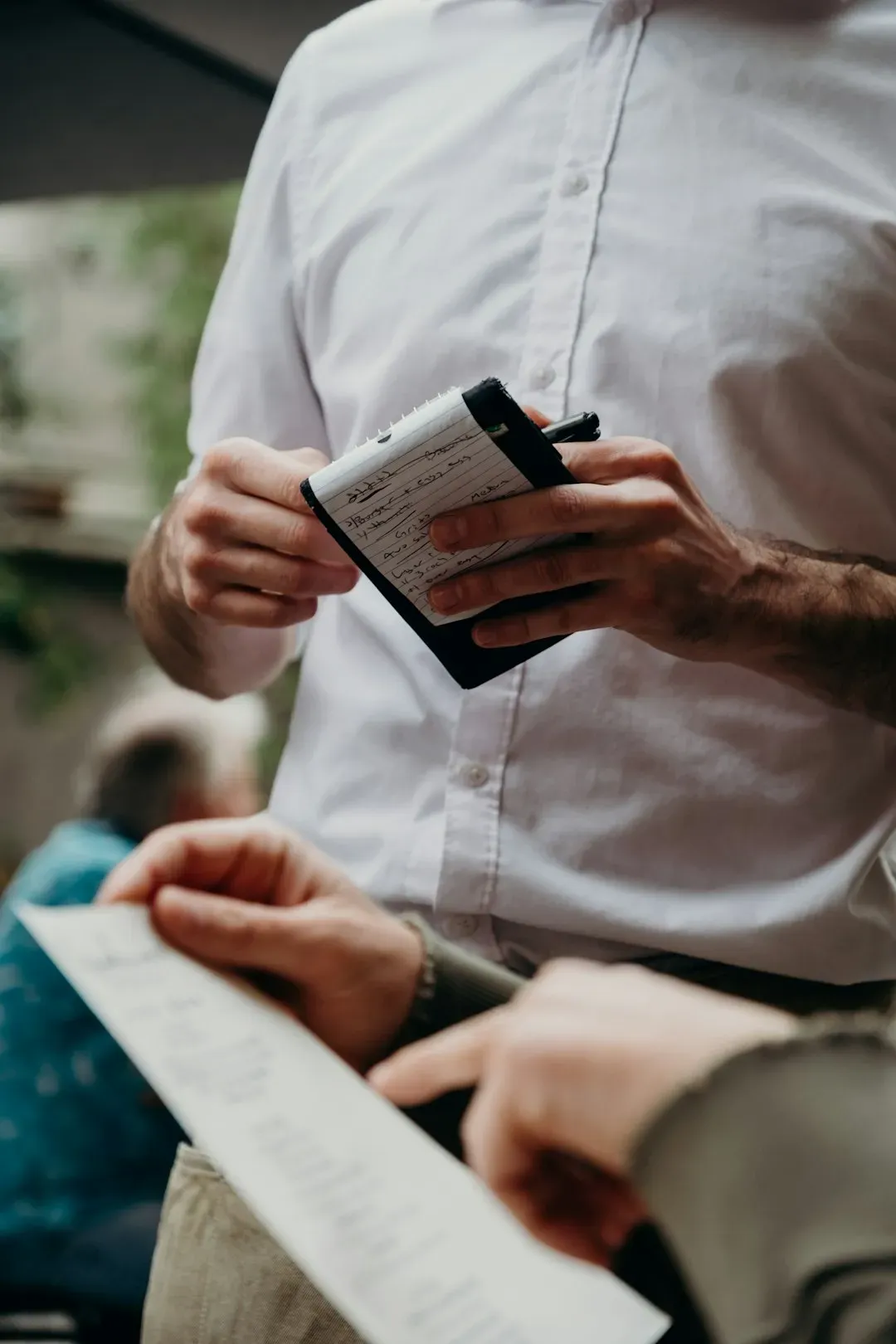
3. Blaming the Server for Kitchen Mistakes (Image Credits: Unsplash)
When a dish comes out wrong or the food takes too long, it's rarely the server's fault, yet they're the ones who absorb the frustration and, often, the tip penalty. Servers frequently compare notes about tables that punish them for kitchen timing issues completely outside their control. This has been a recurring complaint in the industry for decades, not just a modern phenomenon.
What makes this habit worth discussing is how disconnected it is from the actual service experience. A server who checks in promptly, apologizes sincerely, and tries to fix a kitchen error deserves to be judged on that effort, not on how long the fryer took. Servers remember the tables that understood this distinction, and they remember the ones who didn't.
4. Letting Bad Table Behavior Slide Without Adjusting the Tip
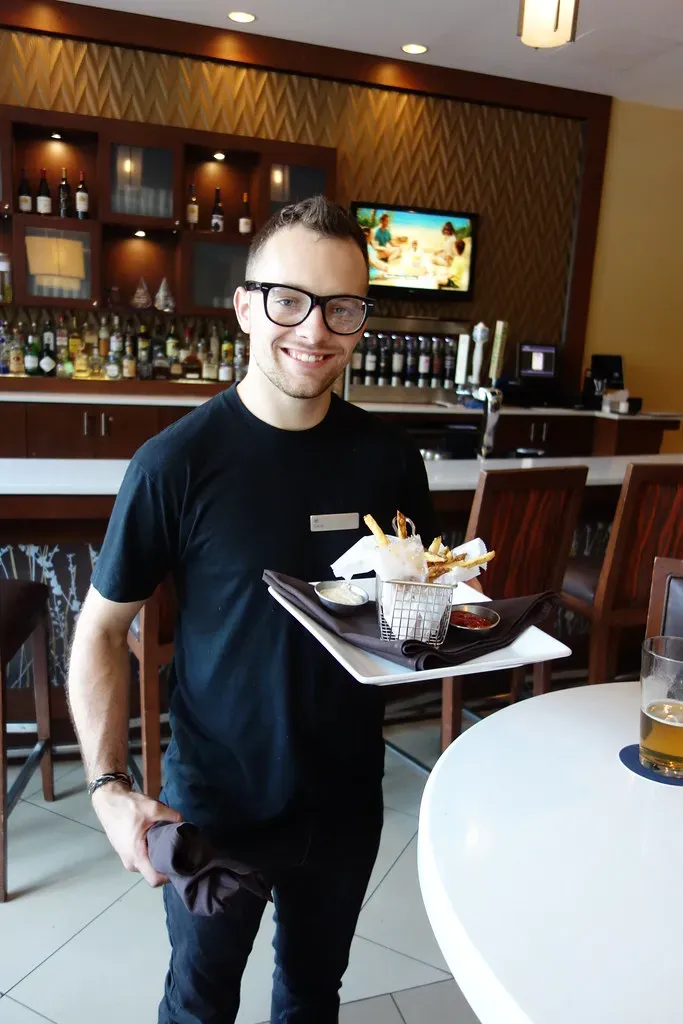
4. Letting Bad Table Behavior Slide Without Adjusting the Tip (Alan Light, Flickr, <a href="https://creativecommons.org/licenses/by/2.0/" target="_blank" rel="noopener">CC BY 2.0</a>)
Kids having a meltdown, a relative sending dishes back three times, or a group lingering for hours after the bill drops all create extra work that rarely shows up in the final tip. It's frustrating when kids decide to make a scene at a restaurant, or when a cranky relative sends their dish back multiple times, and while the server understands and has likely seen worse, it does make their day just a bit more difficult. Servers quietly track which tables recognize this and compensate for it.
The general guidance among service industry veterans is straightforward. Tip accordingly and consider exceeding 20% if you know your table behaved poorly. It's not about punishing families or apologizing for being human, but acknowledging that extra cleanup, extra patience, and extra trips to the table all cost the server time they could have spent on other guests.
5. Assuming Buffets and Self-Serve Setups Don't Require a Tip
5. Assuming Buffets and Self-Serve Setups Don't Require a Tip (Alan Light, Flickr, <a href="https://creativecommons.org/licenses/by/2.0/" target="_blank" rel="noopener">CC BY 2.0</a>)
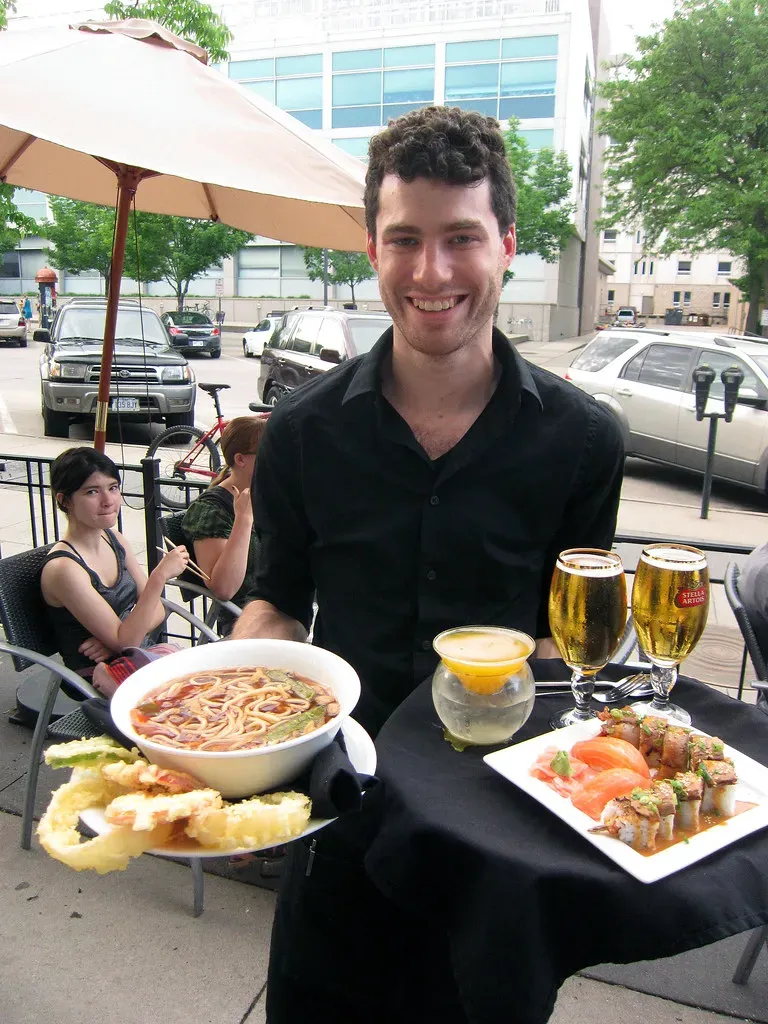
Buffet-style restaurants create confusion because guests serve themselves food, but servers are still refilling drinks, clearing plates, and checking on tables throughout the meal. Many diners assume that because they're not being waited on in the traditional sense, a tip isn't warranted at all. Servers who work these floors say this misunderstanding costs them real income every shift.
The truth is that buffet service still involves attentive staff doing meaningful work, just in a different format. A smaller tip than a full sit-down meal might be reasonable, but skipping it entirely ignores the labor happening around the table. This is one of the more common blind spots servers wish more customers understood.
6. Tipping Less at Restaurants Where You're a Regular
6. Tipping Less at Restaurants Where You're a Regular (Image Credits: Unsplash)
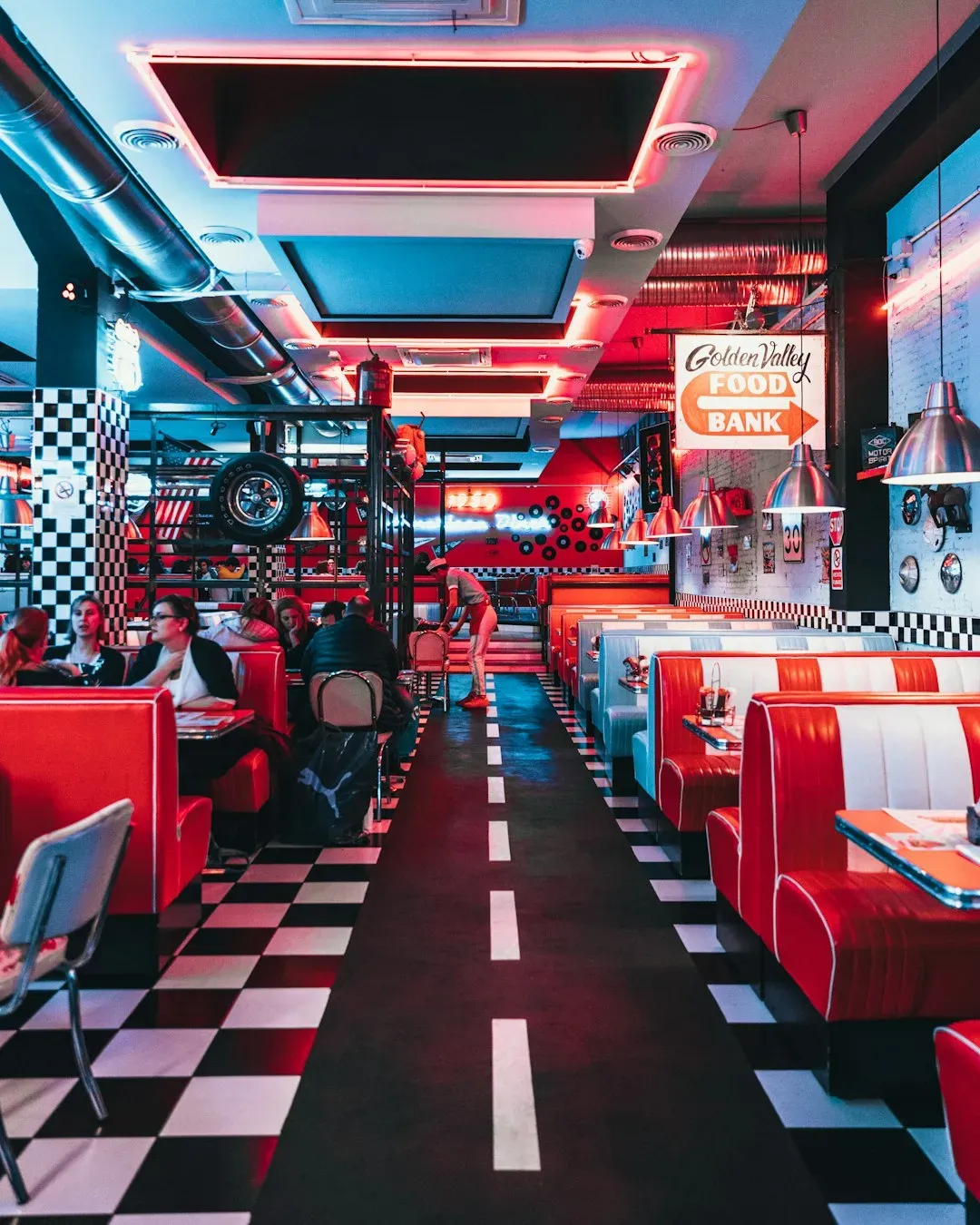
Interestingly, this one cuts in a more positive direction for most servers, but the exceptions stand out. A Toast survey of 1,500 U.S. adults found that 77% of respondents tip more at restaurants where they're regulars. Servers appreciate familiar faces who treat that relationship generously, and they notice just as quickly when a regular starts assuming familiarity means they can tip less.
Among those who do increase their tips as regulars, the boost is often meaningful. Forty-six percent leave an additional 5% to 10%, and 37% leave an extra 10% to 15% or more on top of their standard gratuity. The servers who quietly discuss this are usually praising the regulars who get it right, and wondering aloud about the ones who seem to think loyalty is a discount.
7. Leaving the Same Flat Tip Regardless of the Bill Size
7. Leaving the Same Flat Tip Regardless of the Bill Size (Tip Jar, <a href="https://commons.wikimedia.org/w/index.php?curid=39933982" target="_blank" rel="noopener">CC BY 2.0</a>)
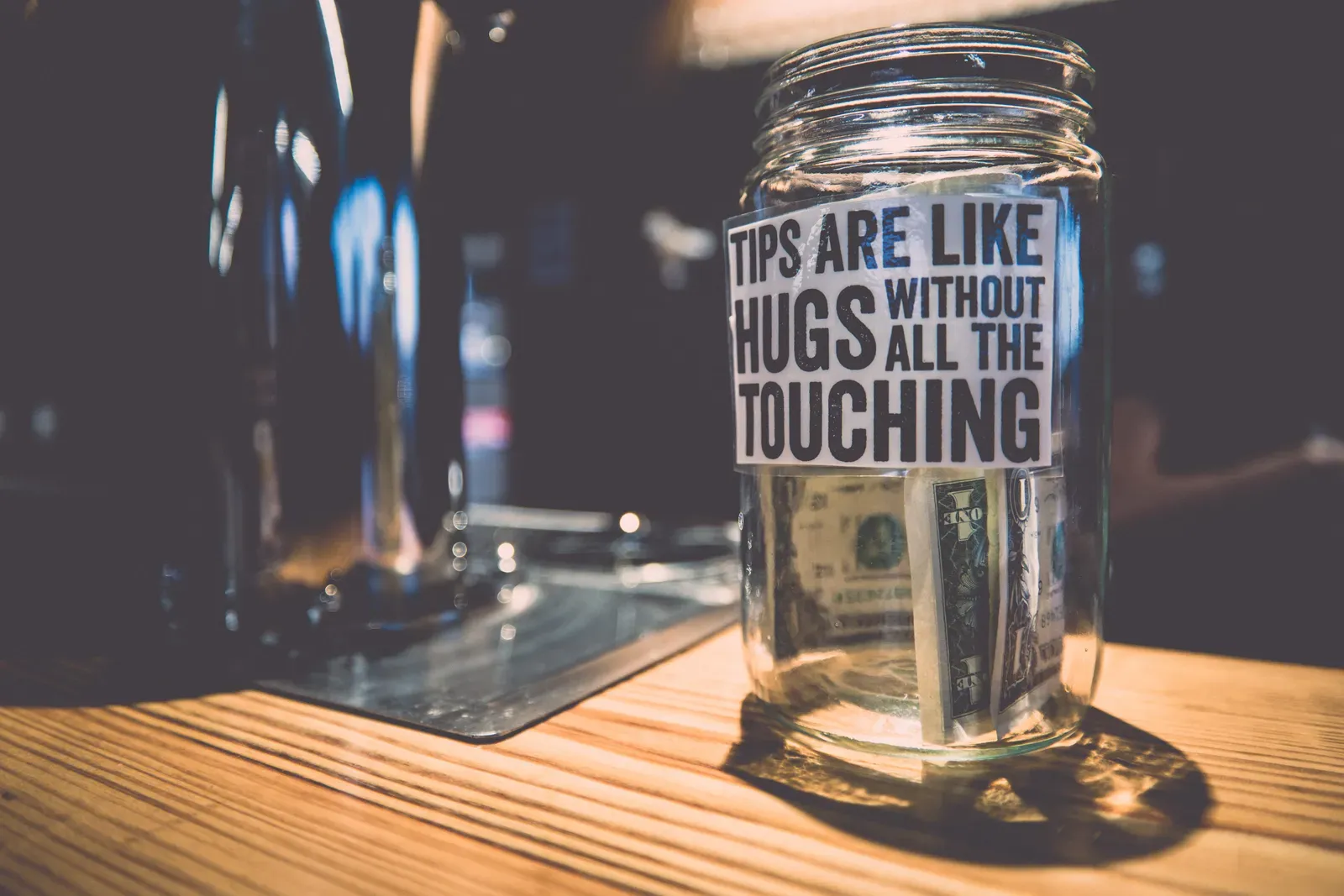
Some diners have a set dollar amount they leave no matter what, whether the check is thirty dollars or three hundred. Servers notice this pattern especially among larger parties or expensive orders, where a flat five or ten dollars translates to a tiny percentage. It often signals a habit formed years ago that never adjusted for inflation or bill size.
This matters more than ever given current menu prices. Just 35% of Americans now say they typically leave a 20% tip, down from 37% last year, reflecting tighter budgets and rising menu prices. Servers understand budget constraints, but they also notice when a flat-tip habit clearly isn't tied to financial hardship, just inertia.
8. Overriding the Suggested Tip Screen Without Thinking It Through
8. Overriding the Suggested Tip Screen Without Thinking It Through (Image Credits: Pexels)
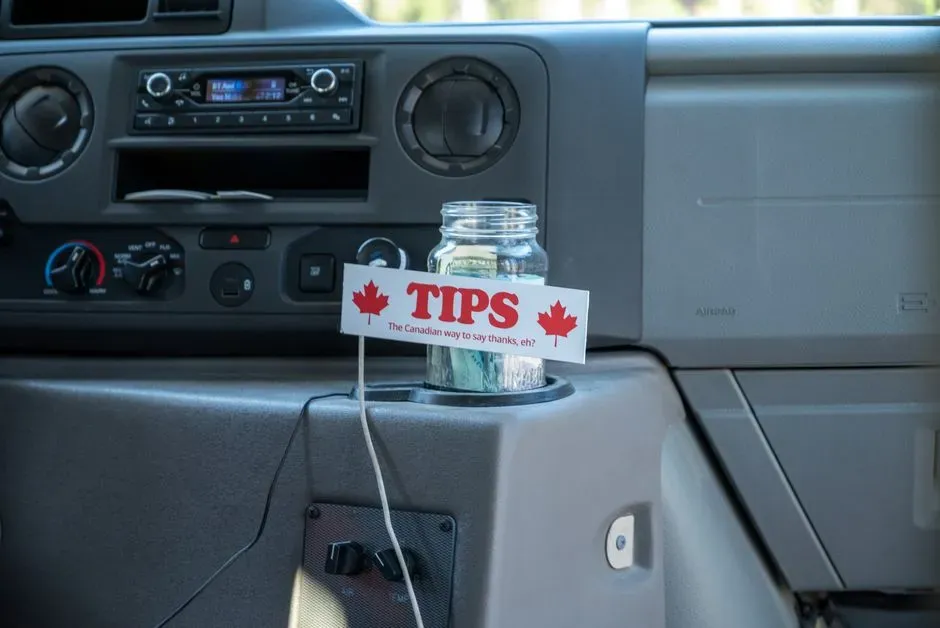
Digital payment screens have changed how people tip, and not always in ways servers appreciate. A survey found that 36 percent of diners now opt for a custom tip rather than selecting one of the suggested amounts. Servers talk about this because customizing a tip often means dropping it lower than the suggested defaults, sometimes without much thought behind the number.
There's a broader fatigue driving this behavior. A 2025 survey found that 65% of consumers feel weary of frequent tipping requests, and 66% feel pressured by digital payment screens suggesting gratuities. Servers sympathize with prompt fatigue at coffee counters and self-checkout kiosks, but they've noticed that frustration sometimes bleeds over into full-service tipping too, even when the situations are completely different.
9. Confronting Staff Directly About a Tip They Didn't Like
9. Confronting Staff Directly About a Tip They Didn't Like (Alan Light, Flickr, <a href="https://creativecommons.org/licenses/by/2.0/" target="_blank" rel="noopener">CC BY 2.0</a>)
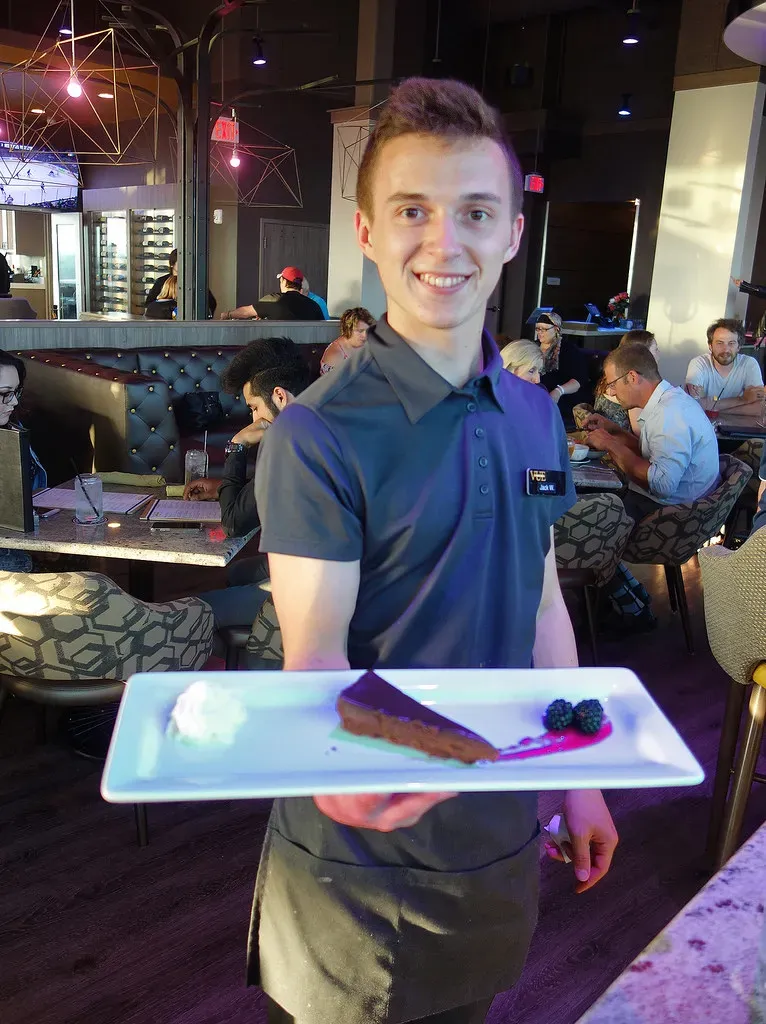
Occasionally the tables turn, and it's the server who says something about a tip, which almost universally backfires. Industry insiders are clear that this crosses a professional line. One server explained, "Have to tell you that in any restaurant I have worked, servers would get fired for bringing this up to a guest. We may not always be happy with a tip, but it is what it is." Servers talk about these incidents among themselves precisely because everyone agrees it's not how a professional handles disappointment.
What's more common, and more accepted, is quiet self-reflection about service quality. Servers often know when they screw up and kind of know when they deserve a bad tip, whether it's the service, long times for bar drinks, or the kitchen messing up. That honest self-assessment is far more common in server breakrooms than any confrontation with a guest.
10. Tipping Nothing at All After a Rough Experience
10. Tipping Nothing at All After a Rough Experience (Image Credits: Unsplash)
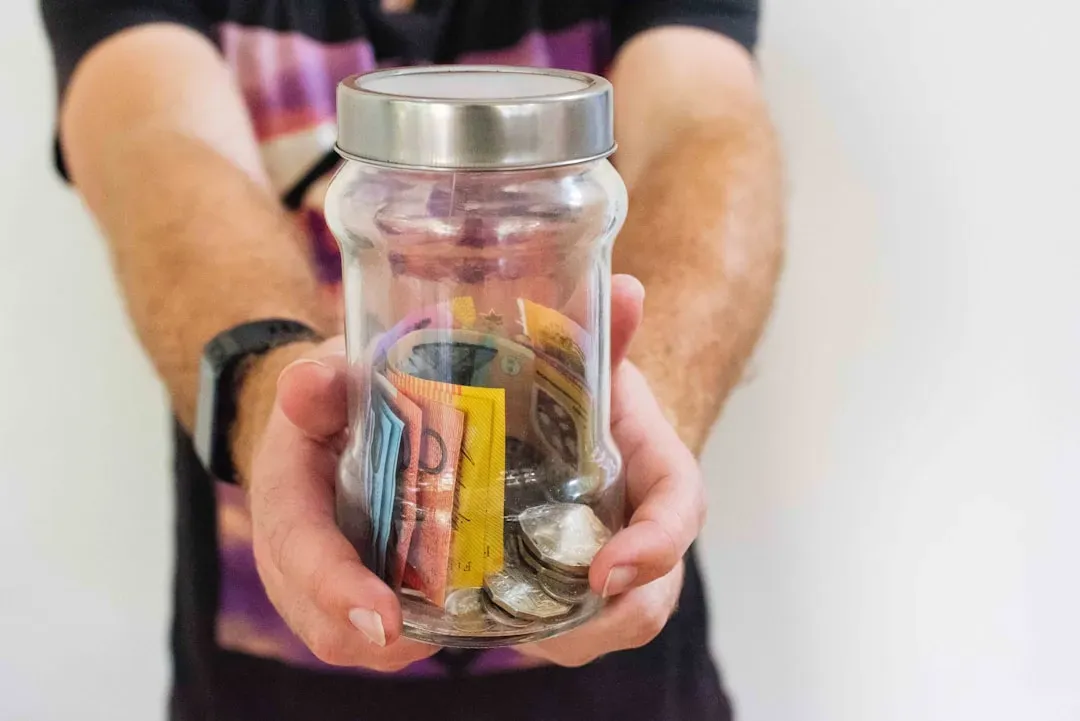
A genuinely bad dining experience raises fair questions about what, if anything, is owed. Yet many service workers point out that guests who feel wronged often still leave something, even when they're upset. Many consumers feel obligated to tip, so much so that 66% of them even tipped a worker who provided poor service. Servers notice the rare zero-tip tables and tend to remember them long after the shift ends.
Public opinion on this remains genuinely split, which is part of why it comes up so often in server conversations. Some feel a token tip is still appropriate to acknowledge the base level of effort, while others believe truly poor service should result in exactly nothing. Either way, servers are keenly aware of which tables walk out empty-handed and which ones adjust fairly for a rough night.
11. Tipping Generously at New Spots But Skimping at Old Favorites
11. Tipping Generously at New Spots But Skimping at Old Favorites (Image Credits: Pixabay)
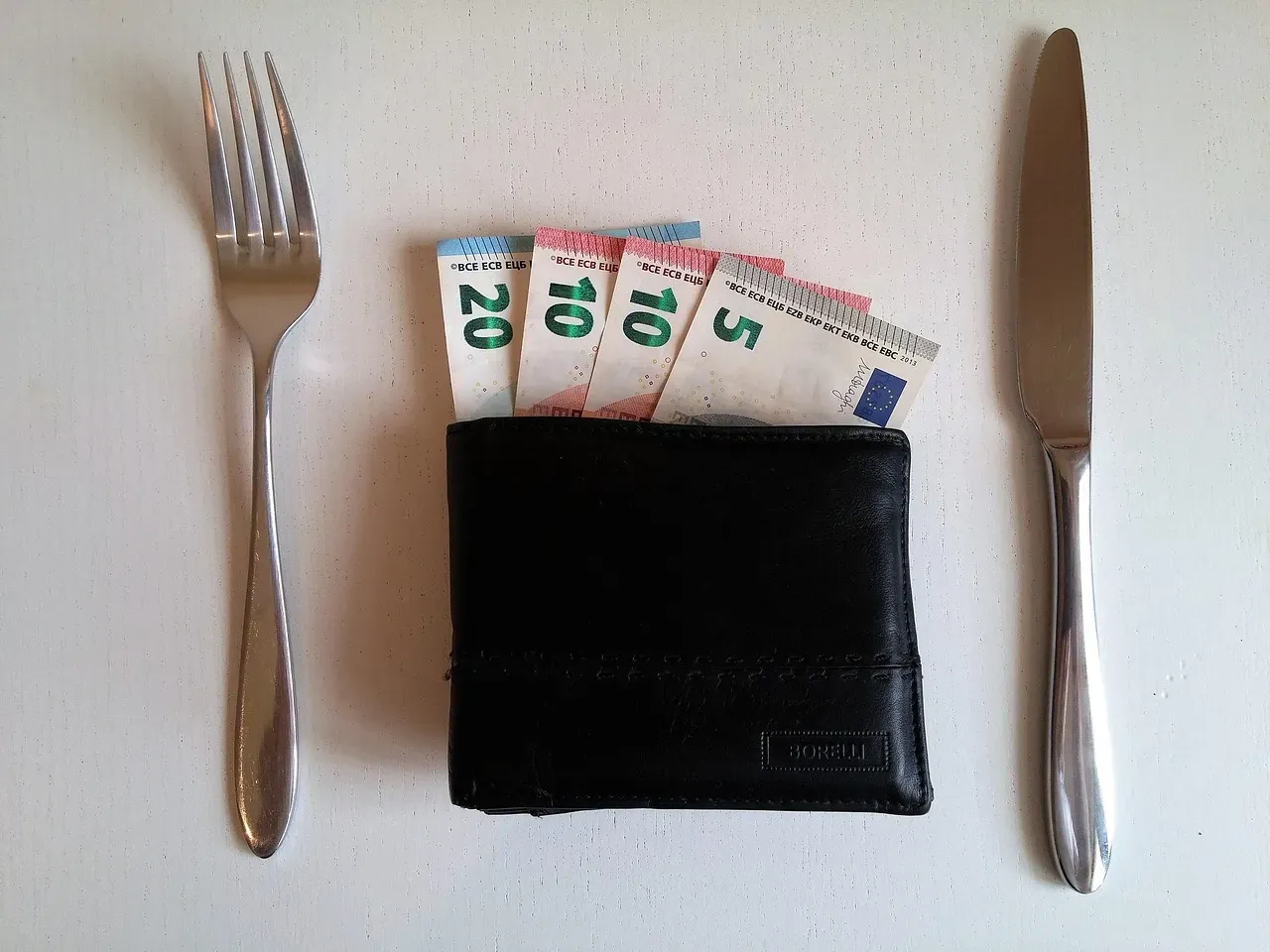
Some diners save their best tipping behavior for special occasions or unfamiliar restaurants, while treating regular haunts, casual lunch spots, or weekday takeout orders as places where tipping barely matters. Servers pick up on this pattern quickly, especially in neighborhoods with a lot of repeat customers. It creates an odd inconsistency where the same person can be a fantastic tipper on a date night and a forgettable one on an ordinary Tuesday.
The irony is that consistency tends to matter more to service workers than occasional generosity. A server who can count on fair treatment from a regular, even on a slow weeknight, often remembers that reliability far more fondly than a single big tip during a birthday dinner. It's the everyday habits, more than the special occasions, that shape how servers really talk about their regulars.
None of this means diners need to obsess over every percentage point or treat tipping like a test they can fail. Still, it's worth remembering that servers notice far more than most people assume, and those small habits, the math on the tax, the flat five-dollar bill, the quiet grace after a mistake, add up to a reputation at every restaurant a person frequents. Tipping culture may be shifting nationwide, but the basics of fairness and attentiveness haven't gone anywhere.