
Ask any seasoned pizzaiolo and they’ll tell you that toppings are never just decoration. They’re a window into how a kitchen operates, what it values, and whether the people running it actually care about the food leaving the oven. Long before you take a bite, the way a pizza is topped, and what it’s topped with, can tell you almost everything you need to know about the place serving it.
This isn’t superstition or foodie snobbery. It’s a pattern that chefs and industry veterans have pointed out again and again: certain topping choices and topping habits correlate strongly with kitchens that are cutting corners. Below are seven of the clearest tells, the kind of details that seasoned pizza eaters learn to spot almost instinctively.
1. The Vegetable Pizza That's Drowning in Produce
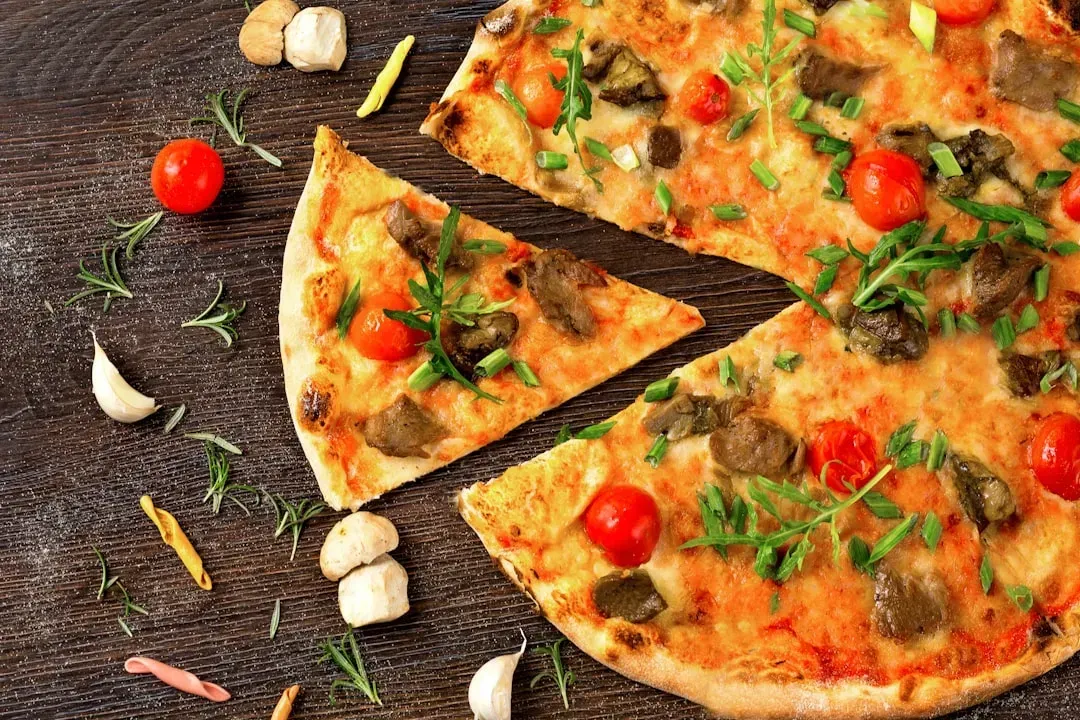
1. The Vegetable Pizza That's Drowning in Produce (Image Credits: Unsplash)
There’s a very specific kind of veggie pizza that experienced pizza eaters learn to avoid on sight. It’s the one piled so high with broccoli, peppers, onions, and zucchini that you can barely see the cheese or sauce underneath. These are the pies flooded with dry broccoli florets, bell peppers, shriveled zucchini, onions, and every other vegetable imaginable, where you can hardly see any cheese or sauce, and the only evidence of crust is what peeks out at the top of each slice.
This isn’t generosity, it’s usually a cover-up. Something about these pizzas never seems fresh, and it signals a shop that treats its veggie pies as a chance to toss as much produce on top as possible rather than actually balancing flavors. A kitchen that understands pizza knows that restraint matters just as much as quality ingredients, and piling on vegetables to mask thin sauce or cheap cheese is one of the oldest tricks in the book.
2. Basic, Uninspired Combinations Like Plain Salami
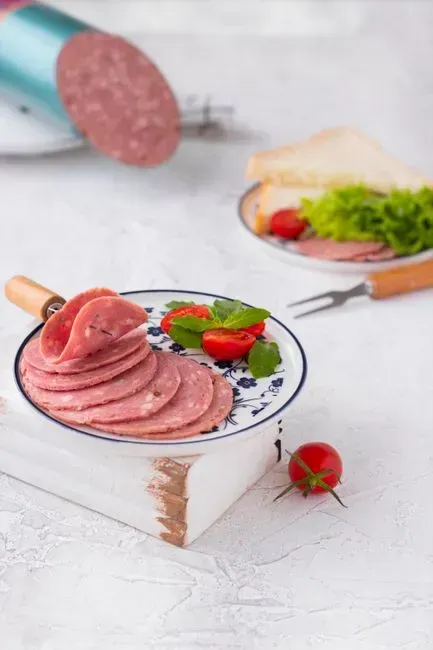
2. Basic, Uninspired Combinations Like Plain Salami (Image Credits: Pexels)
Not every red flag comes from excess. Sometimes it’s the opposite: a menu so plain and uninspired that it signals a kitchen that hasn’t put much thought into its craft. According to pizza consultant Andrea Danelli, the ingredient combinations a restaurant chooses can tell you a lot about its overall ethos, since unique or thoughtfully chosen combinations show effort and creativity, while basic options like plain salami might mean less attention to quality.
That doesn’t mean every pizzeria needs an experimental menu full of unusual pairings. Still, when every single option feels like an afterthought, phoned in with the cheapest deli meats and no seasonal or house-made touches, it’s usually because nobody in that kitchen is being asked to think creatively about the food. Care shows up in details, and a total absence of it tends to show up just as clearly.
3. A Bloated Menu With Fifty Toppings on Offer
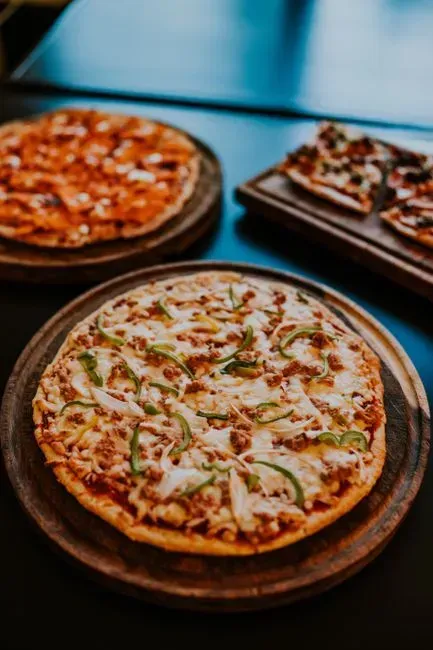
3. A Bloated Menu With Fifty Toppings on Offer (Image Credits: Pexels)
It sounds counterintuitive, but more topping options are often a warning sign rather than a selling point. Mike Bausch, founder of The Unsliced Restaurant System, put it bluntly when discussing what makes him wary of a pizzeria. The biggest red flag that a pizza spot isn’t up to scratch is a menu loaded with toppings but zero attention to detail, since a pizzeria advertising fifty toppings signals an operator chasing the customer instead of chasing quality.
Food Republic’s reporting backs this up from a broader operational standpoint too. A bloated menu often signals a restaurant and chef with scattered vision, a lack of confidence, and a lack of caring, with the establishment offering a flood of topping options typically more focused on people-pleasing than technique and quality. A kitchen mastering a tight, well-executed list of toppings will almost always outperform one juggling dozens of mediocre options.
4. No Fresh Parmesan or Red Pepper Flakes in Sight
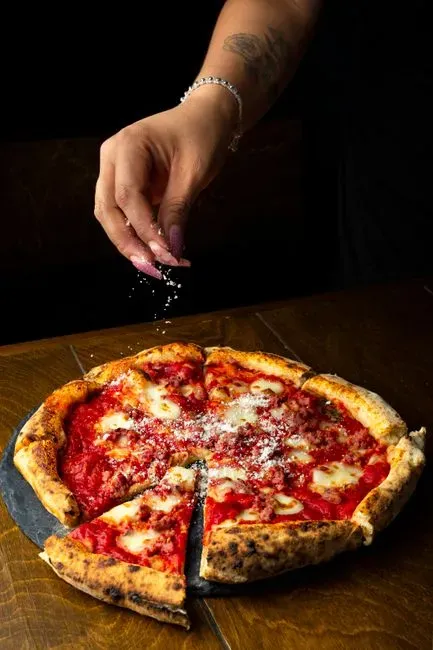
4. No Fresh Parmesan or Red Pepper Flakes in Sight (Image Credits: Pexels)
Sometimes the most telling topping isn’t even on the pizza itself. It’s what’s sitting on the counter or table for customers to add. Any slice shop worth its weight in tomato sauce should have at least two toppings available within easy reach: grated Parmesan and red pepper flakes. Their absence isn’t a dealbreaker on its own, but combined with other signs, it often points to a shop that hasn’t thought through the full experience of eating there.
The appeal of these finishing touches goes beyond convenience. The way grated, salty Parmesan melts into hot mozzarella is something many pizza lovers consider essential, and red pepper flakes bring welcome heat to the mixture. A pizzeria that skips these small extras, especially in markets where they’re the norm, is often skipping other small details in the kitchen too.
5. Toppings Spread Unevenly Across the Pie
5. Toppings Spread Unevenly Across the Pie (Image Credits: Pexels)
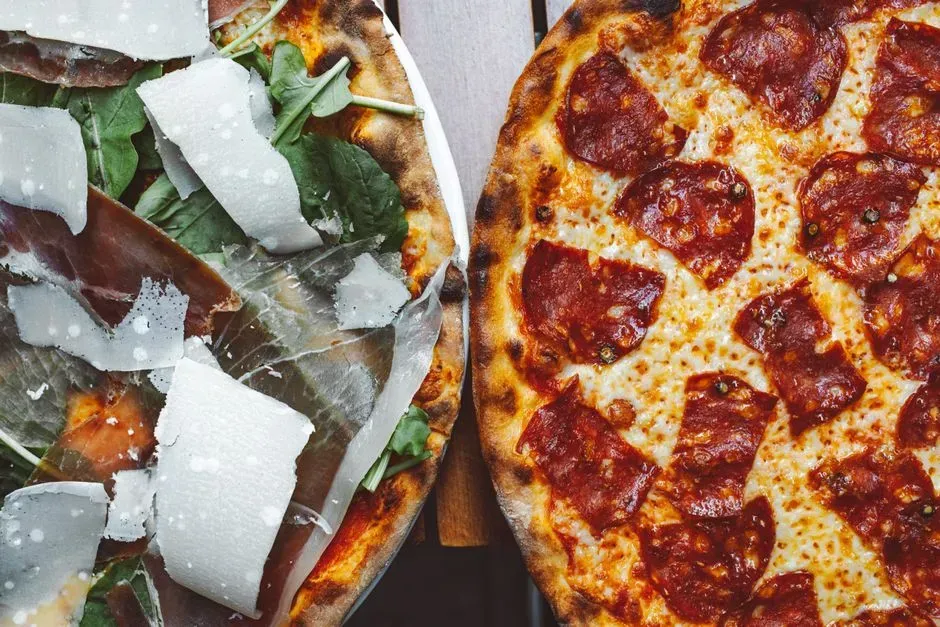
Consistency is one of the clearest signs of a well-run kitchen, and topping distribution is where that consistency either shows up or falls apart. If the toppings are scarce or spread unevenly, it’s a sign the store might be taking shortcuts, since a good pizza should have the ideal ratio of crunchy crust, tasty sauce, and plenty of toppings.
Inconsistency between visits is just as telling as inconsistency on a single pie. If each visit delivers a different crust thickness or uneven toppings, alarm bells should ring, since this inconsistency reflects a lack of culinary precision or care. A kitchen that’s dialed in produces roughly the same pizza every time, because the process is standardized rather than improvised on the fly.
6. Meats and Cheeses Left Sitting Out Too Long
6. Meats and Cheeses Left Sitting Out Too Long (Image Credits: Pexels)
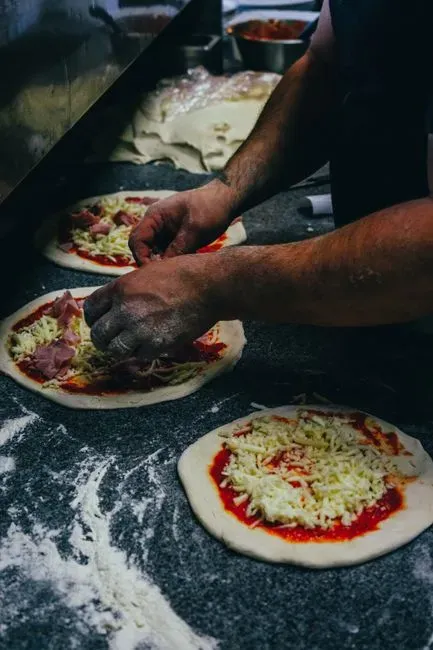
This one moves beyond flavor and straight into food safety, which makes it arguably the most serious item on this list. While watching a pizza chef spin dough is entertaining, it’s a serious red flag when meats, cheese, or sauce are left unrefrigerated. That’s not a matter of taste preference, it’s a documented safety concern.
Food safety guidance is specific about why this matters. The Meat and Poultry Hotline advises against keeping food unrefrigerated for longer than two hours since the “Danger Zone” of 40 to 140 degrees Fahrenheit fosters the spread of bacteria. If you notice cold toppings sitting out at room temperature for extended periods, especially during a slow stretch, it’s worth taking your order elsewhere. Ingredients left out too long can cause contamination, indicating unsafe food preparation and storage, and such places should be avoided to prevent food poisoning.
7. Cheap Sauce Doing All the Heavy Lifting
7. Cheap Sauce Doing All the Heavy Lifting (Image Credits: Unsplash)
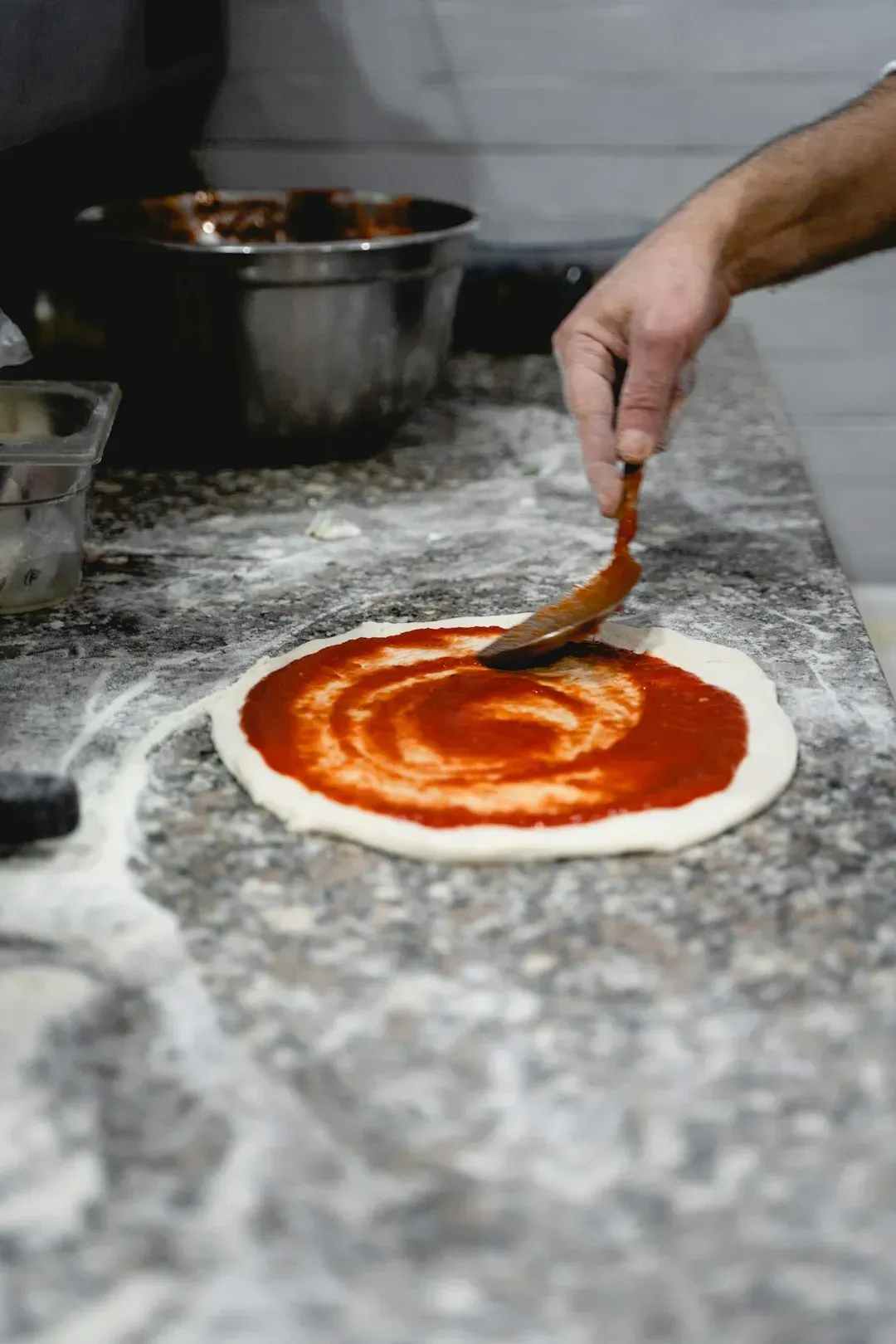
Sauce isn’t technically a topping in the traditional sense, but it functions as the foundation every other topping sits on, and a bad one gives away a kitchen’s priorities almost instantly. Low-quality ingredients are easy to recognize when you tuck into your food, and a bad pizza sauce can often taste more comparable to ketchup than to anything made from real tomatoes.
The tricky part is that this flaw is nearly invisible until you’re already eating. If a pizza shop is knowingly using low-quality cheese or tomatoes, it’s hardly going to make a point of communicating as much to its customers. That’s exactly why sauce quality tends to surface fastest on the simplest pizzas, since there’s nowhere for a thin, overly sweet, or artificial-tasting base to hide.
Reading the Toppings Like a Pro
Reading the Toppings Like a Pro (Image Credits: Unsplash)
None of these signs are foolproof on their own, and a single red flag doesn’t necessarily mean a pizzeria is a lost cause. Taken together, though, these patterns form a pretty reliable diagnostic tool that experienced pizza eaters and industry professionals have relied on for years to sort the memorable spots from the forgettable ones.
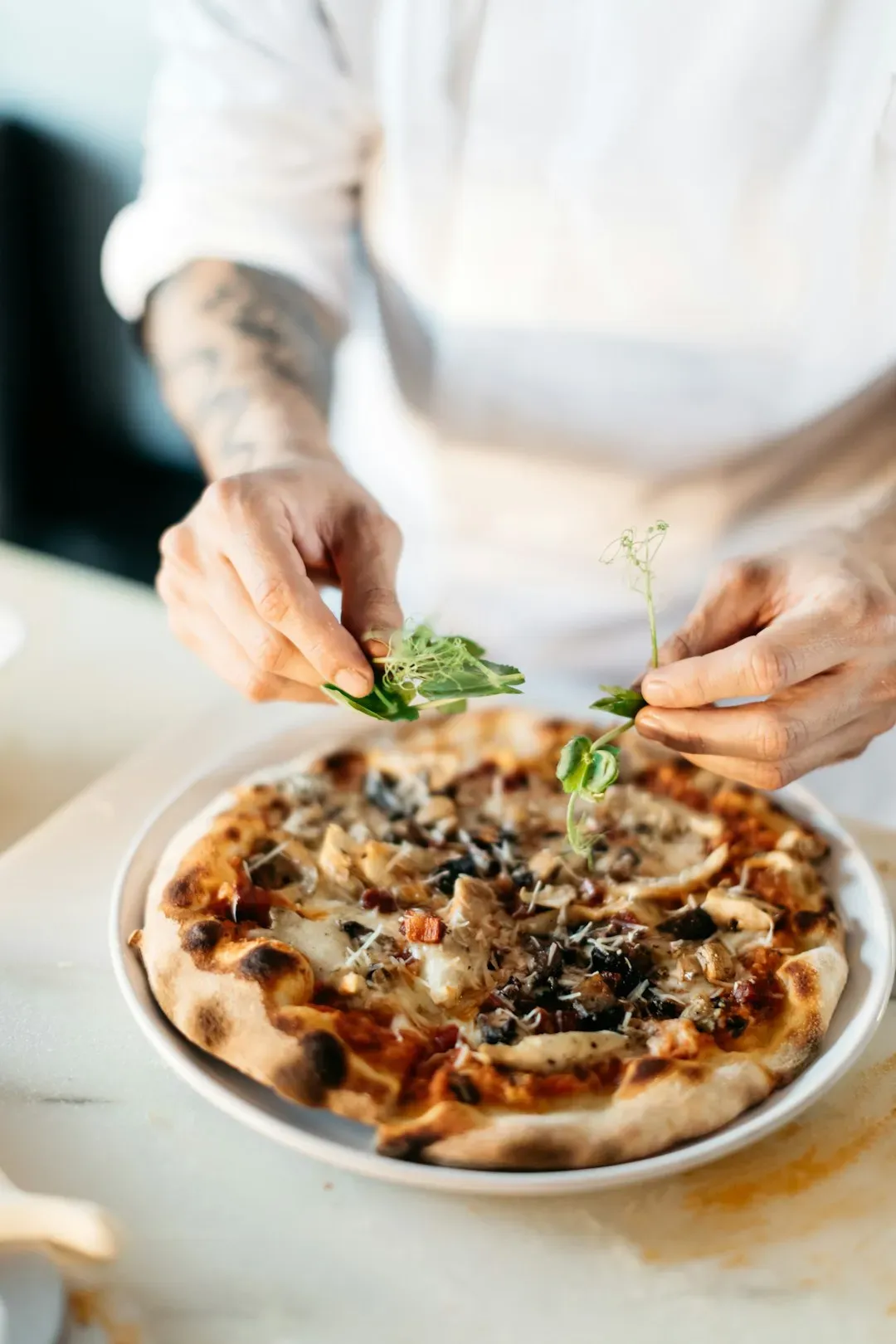
The next time you’re standing in front of a menu or watching your pie come together at the counter, pay attention to what’s being piled on, what’s missing, and how carefully it’s all arranged. As pizza maker’s law suggests, the toppings rarely lie, and a kitchen that respects its ingredients almost always lets that respect show on the plate.