
Walk into almost any classic American diner today and order breakfast, and there's a good chance you'll be eating something that would look completely familiar to a customer from 1965. While food trends have come and gone, a handful of diner breakfast staples have stayed remarkably consistent, both in how they're made and how they're served. That kind of culinary stubbornness isn't an accident. It reflects a specific era of American cooking, one built around speed, affordability, and reliability on a diner griddle.
These five dishes survived decades of changing tastes largely because they were designed to be foolproof from the start. Simple ingredients, quick cook times, and a format that works whether you're feeding a trucker at 5 a.m. or a family after church. Here's a closer look at why each one has held its ground for so long.
1. Two Eggs, Bacon, and Toast
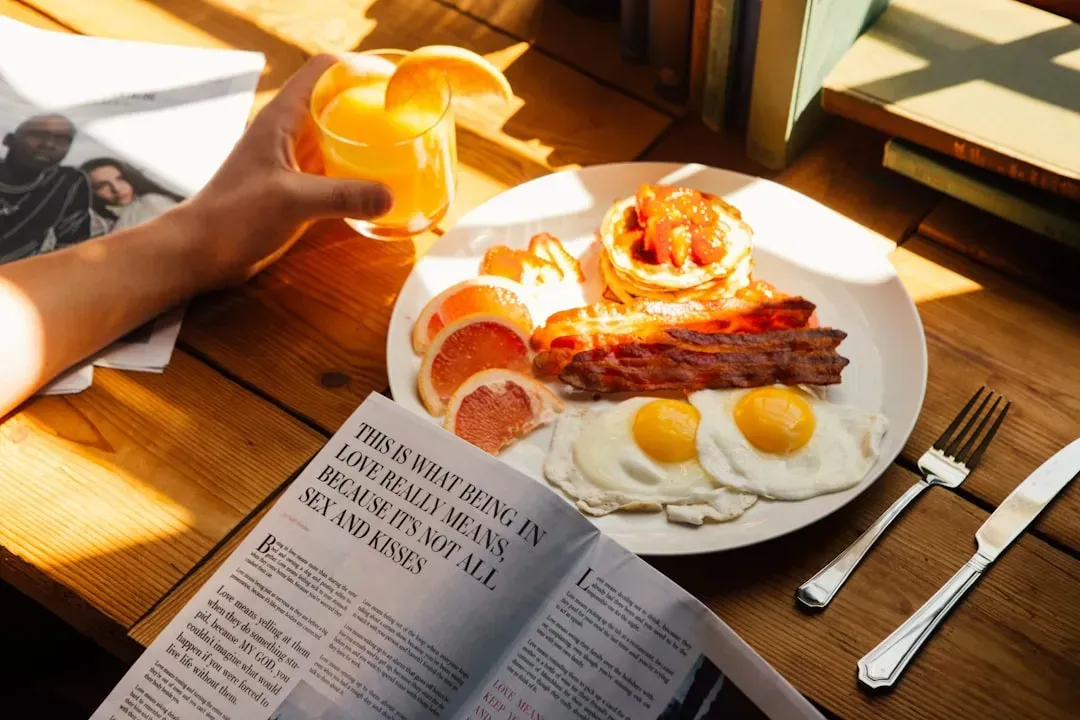
1. Two Eggs, Bacon, and Toast (Image Credits: Unsplash)
The classic two-egg plate is probably the most unchanged item on any diner menu in America. It typically comes with a choice of eggs any style, a couple strips of bacon or sausage links, toast, and some kind of potato, usually home fries or hash browns. This combination became standardized in diners during the postwar boom of the 1950s and 1960s, when short-order cooks needed dishes that could be prepared in under five minutes using minimal equipment.
What’s notable is how little the actual preparation has shifted. Eggs are still cracked to order on a flat-top griddle, bacon is still cooked alongside them, and the toast still comes from sliced white or wheat bread, not artisan sourdough. Diners that have tried to elevate this dish with specialty ingredients often find that regulars simply want the version their parents ordered decades ago.
2. Pancakes with Butter and Syrup
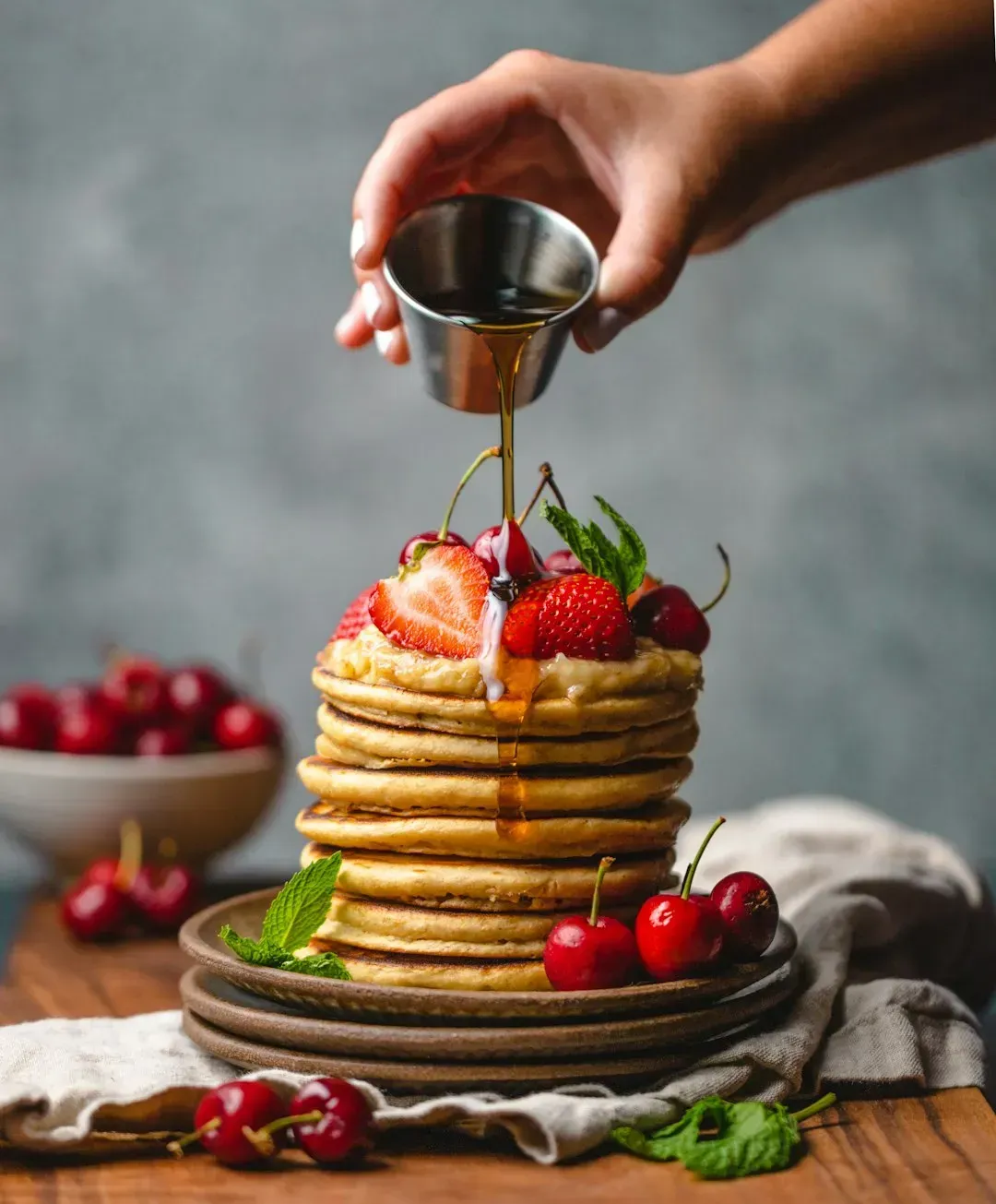
2. Pancakes with Butter and Syrup (Image Credits: Unsplash)
Diner pancakes have remained almost frozen in time, both literally and figuratively. The batter recipe most diners use today, flour, eggs, milk, a leavening agent, and a touch of sugar, is essentially the same formula found in mid-century cookbooks and diner training manuals from the 1960s. Stacked three high, topped with a pat of butter and doused in syrup, the presentation hasn’t meaningfully changed either.
Part of the reason pancakes resisted trend-driven makeovers is economic. Flour and eggs are cheap, the cook time is short, and the dish scales easily whether a diner is serving ten customers or two hundred during a weekend rush. Even as specialty pancake houses introduced fruit toppings and flavored batters in later decades, the standard diner stack stayed plain, buttery, and unpretentious.
3. Corned Beef Hash with Eggs
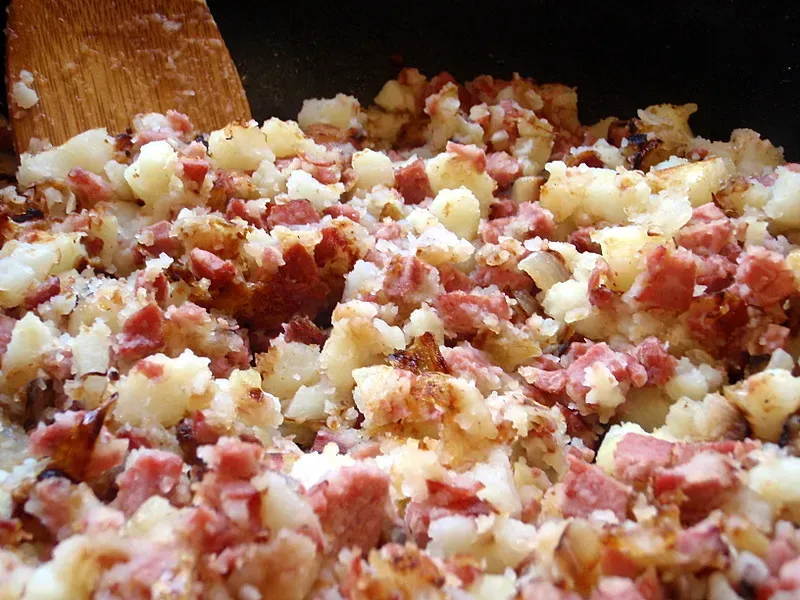
3. Corned Beef Hash with Eggs (Corned beef hash, <a href="https://commons.wikimedia.org/w/index.php?curid=63881694" target="_blank" rel="noopener">CC BY 2.0</a>)
Corned beef hash has a particularly interesting history tied to American diners, since it became popular partly as a way to use leftover meat efficiently. By the 1960s, many diners were serving canned or house-made hash alongside eggs as a hearty, inexpensive option for workers needing a filling meal before a long shift. The dish’s texture, chopped meat and potatoes crisped on the griddle, has changed very little because the cooking method itself dictates the outcome.
Even today, diners that make hash from scratch tend to follow nearly identical steps: dice, sear, flatten, and crisp until the edges turn golden brown. Canned hash brands from that same era are still sold in supermarkets, which shows just how enduring the format has been. It remains one of the few diner dishes where nostalgia and practicality overlap almost perfectly.
4. The Western Omelet
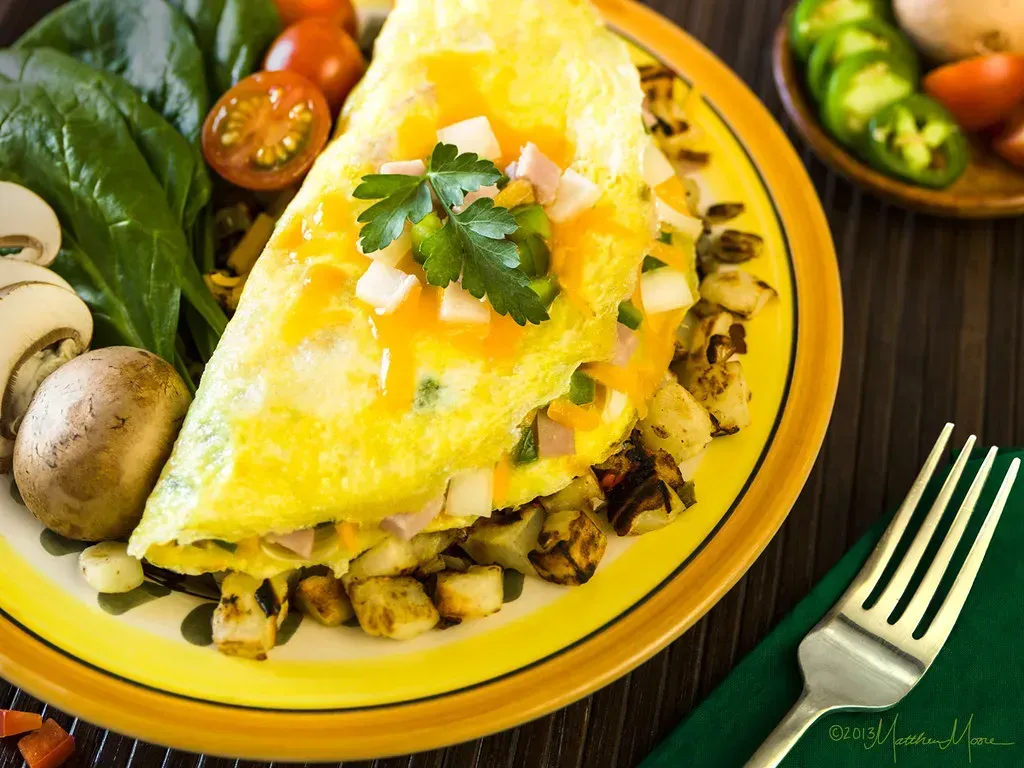
4. The Western Omelet (photogmateo, Flickr, <a href="https://creativecommons.org/licenses/by/2.0/" target="_blank" rel="noopener">CC BY 2.0</a>)
The Western omelet, sometimes called a Denver omelet depending on the region, has been a diner fixture since at least the mid-20th century. Its ingredients, diced ham, green peppers, onions, and eggs, were chosen because they were inexpensive, kept well, and could be prepped ahead of the morning rush. This combination made it a practical choice for cooks working with limited refrigeration space in older diner kitchens.
Unlike more delicate French-style omelets, the diner version is folded quickly and cooked hot, giving it a slightly firmer texture rather than a soft, custardy one. That cooking style has stuck around because it’s fast and consistent, which matters when a diner is trying to turn tables during a busy breakfast rush. Even modern diners rarely deviate from the original ratio of eggs to filling that was common decades ago.
5. Grits or Home Fries as the Default Side
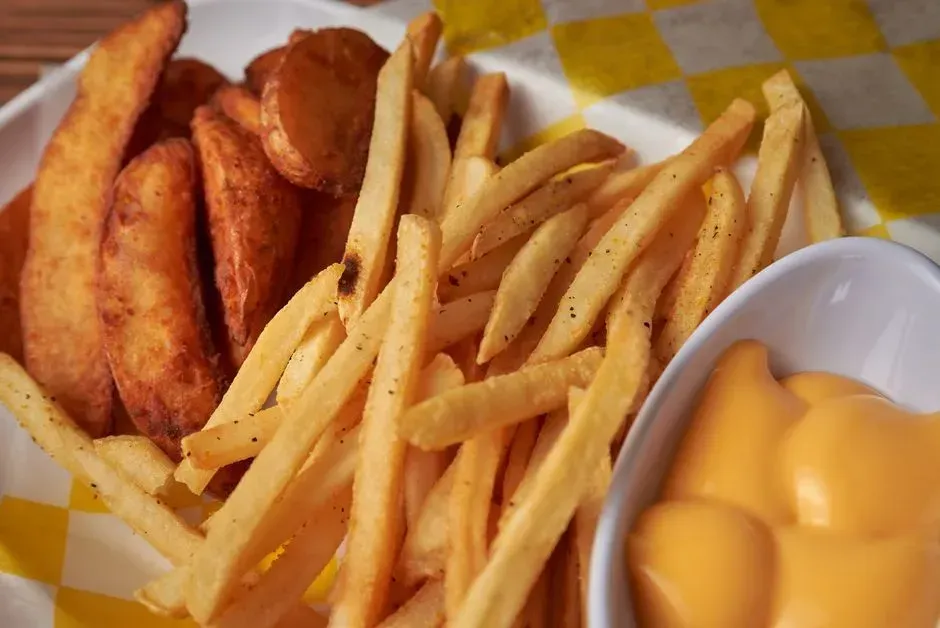
5. Grits or Home Fries as the Default Side (Image Credits: Pexels)
Depending on the region, the standard starchy side has either been grits or home fries since long before most current diner owners were born. In the South, grits became a breakfast staple due to the availability of corn and the relatively low cost of production, a pattern that dates back well before the 1960s but solidified as a diner standard during that decade. In the North and Midwest, diced and pan-fried potatoes served the same role, offering a cheap, filling side that could be cooked in bulk on the same griddle as eggs and meat.
What hasn’t changed is the function these sides serve on the plate. They’re meant to be simple, hearty, and unobtrusive, never competing with the main protein for attention. Even as some diners now offer sweet potato hash or seasoned wedges as modern twists, the plain, buttery original remains the most ordered version in most regions.