
Walk past a supermarket bakery case and it’s hard not to slow down. The smell alone does most of the selling, and the prices usually beat anything you’d find at a specialty shop. But according to people who actually work behind those counters, not everything under the glass deserves a spot in your cart.
Several bakery employees and former staffers have spoken up in recent interviews about which items tend to disappoint once you get them home. Their reasoning usually comes down to one of three things: freshness, ingredients, or the sheer volume these departments are expected to churn out daily. Here’s what they say to think twice about before you grab a bag or a box.
1. Donuts
1. Donuts (Image Credits: Unsplash)
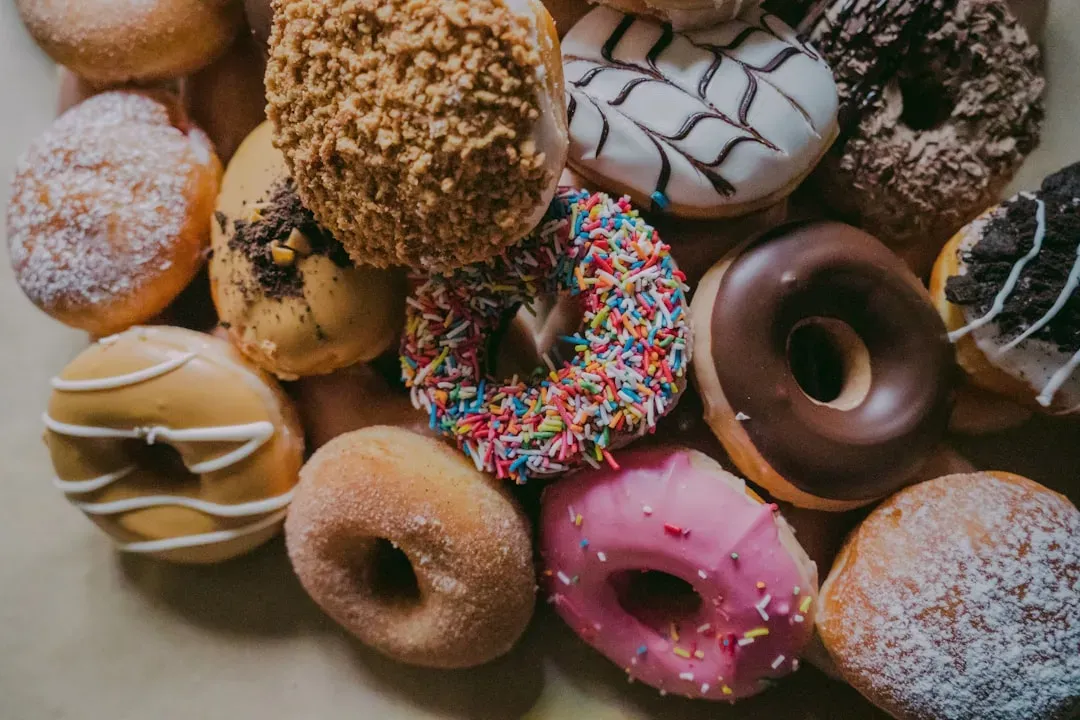
Grocery store donuts rarely hold a candle to what you'd get from a dedicated donut shop, and workers point to timing as the main culprit. The issue with store-bought donuts is that their consistency tends to be dry, sad, and, overall, lackluster, which may be a matter of freshness in that donuts are sitting out longer than what you would have wanted. There's also the frying problem to consider.
Store-bought donuts probably aren't freshly-fried, and if the oil has a chance to permeate the donut as it sits under the fluorescent-lit bakery case, it will quickly become soggy and stodgy. A donut is meant to be eaten within an hour or two of frying. By the time it's traveled from a supplier's truck to a case that's been open all day, that window has usually closed.
2. Cinnamon rolls
2. Cinnamon rolls (Image Credits: Unsplash)
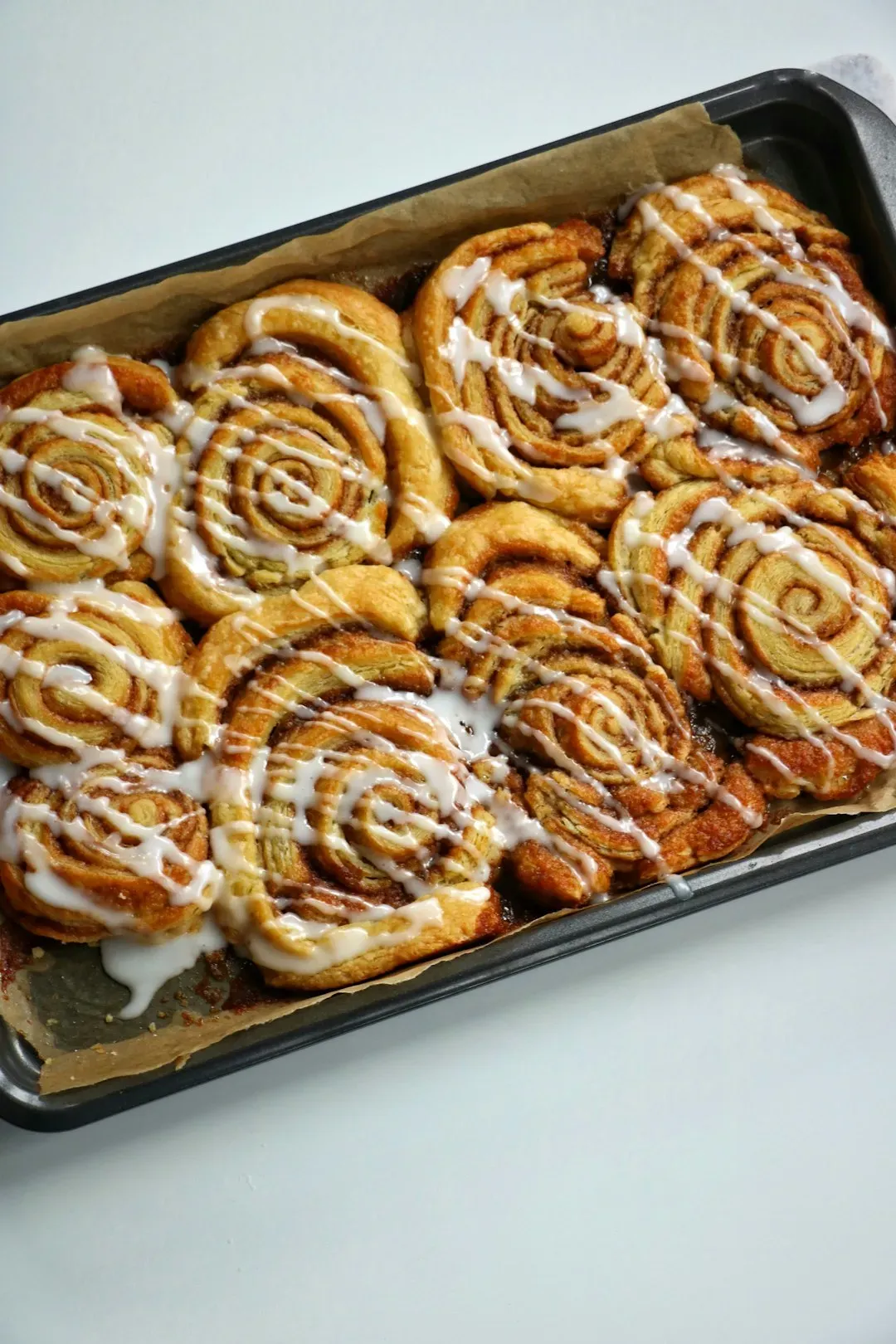
Cinnamon rolls look tempting under the heat lamp, but they don't age well once they've cooled. Cinnamon rolls are yet another bakery product that you should think twice about buying from the grocery store, as they tend to dry out very quickly, losing their ooey-gooey appeal.
The gooey center that makes a cinnamon roll worth eating depends on it being served warm and fresh. Once that filling firms up and the dough loses moisture, you're left with something dense and sugary rather than soft and swirled. Bakery staff often note this happens within just a few hours of the roll leaving the oven.
3. Muffins
3. Muffins (Image Credits: Pexels)
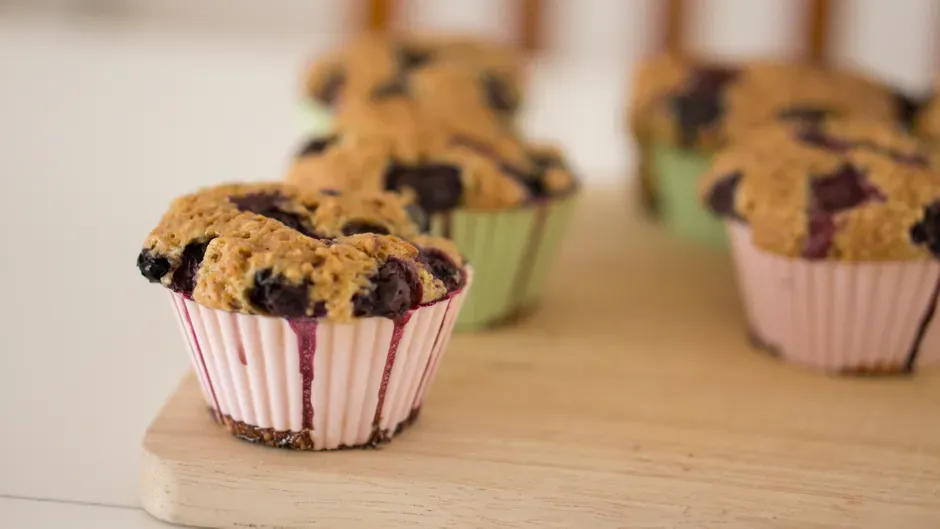
Muffins have a reputation problem among people who work in bakery sections, mostly tied to price and shelf life. Big, plump, and tasty-looking muffins from grocery store bakeries are often worth thinking twice about before buying. The cost can be surprising for what amounts to a quick-bread snack.
A recent price check on Instacart found four muffins from Sprouts and QFC cost close to six dollars before taxes, and aside from the high price point, those muffins have also been found to dry out quickly. For that kind of money, many shoppers expect something that stays soft for more than a day.
4. Bagels
4. Bagels (Image Credits: Pexels)
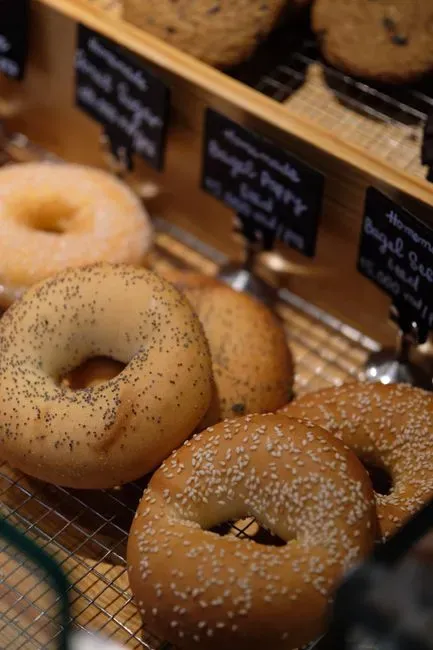
Bagels from the dedicated bakery bin look the part, with that shiny, boiled crust you'd expect from a proper bagel shop. Looks, though, don't always match what's inside. Bagels found in most grocery stores bakery sections tend to have that clear shine and boiled coating, but once you crack the surface, the inside is just a plain, thick bread that, for the most part, lacks flavor.
That texture mismatch tends to surprise people who assume a shinier crust means a better bagel. In reality, the boiling process is easy to replicate on a mass scale, but the slow fermentation that gives a bagel its chew and flavor is harder to fake. Employees suggest sticking with the multi-packs in the bread aisle if flavor matters more than appearance.
5. Scones and biscuits
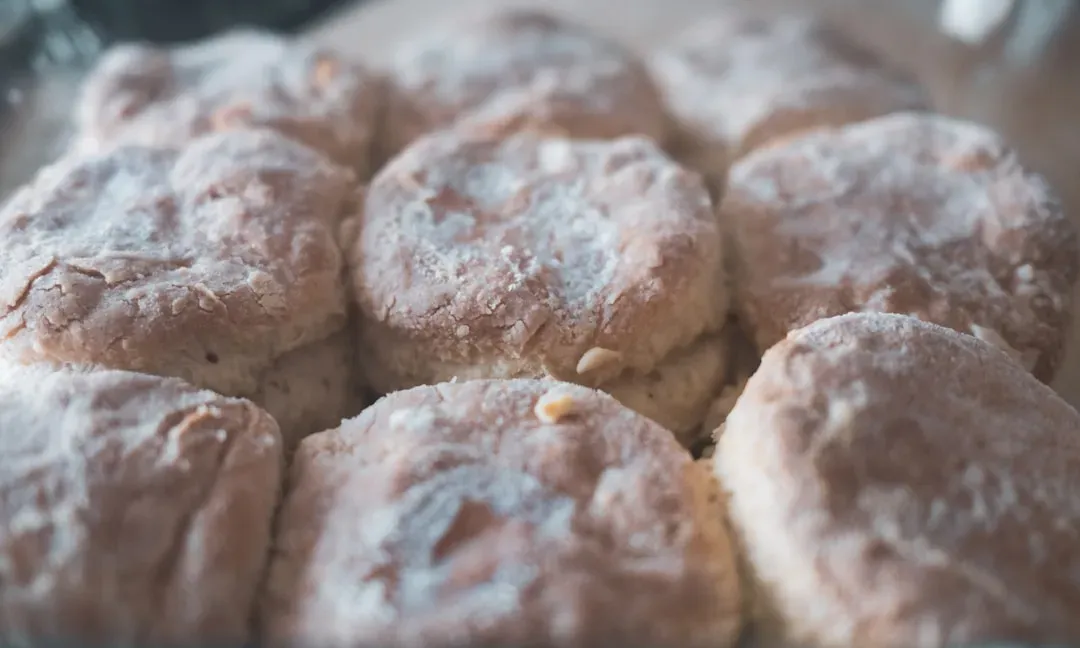
5. Scones and biscuits (Image Credits: Unsplash)
Scones and biscuits are baked to be eaten the same day, and grocery store cases rarely guarantee that. Scones and biscuits are just not the same on day two, since there's no way to preserve that same structure and softness that comes from eating these baked goods the day they're baked.
Dates on the packaging only tell part of the story. Like so many of the other goods in the bakery section, you won't always know how long those treats have been sitting out, and while the best-by date gives some indication of when to toss them, it doesn't tell you if they're actually in that narrow window of peak freshness. A canister of refrigerated biscuit dough from the regular grocery aisle often produces better results for less effort.
6. Fruit and whipped cream topped cakes
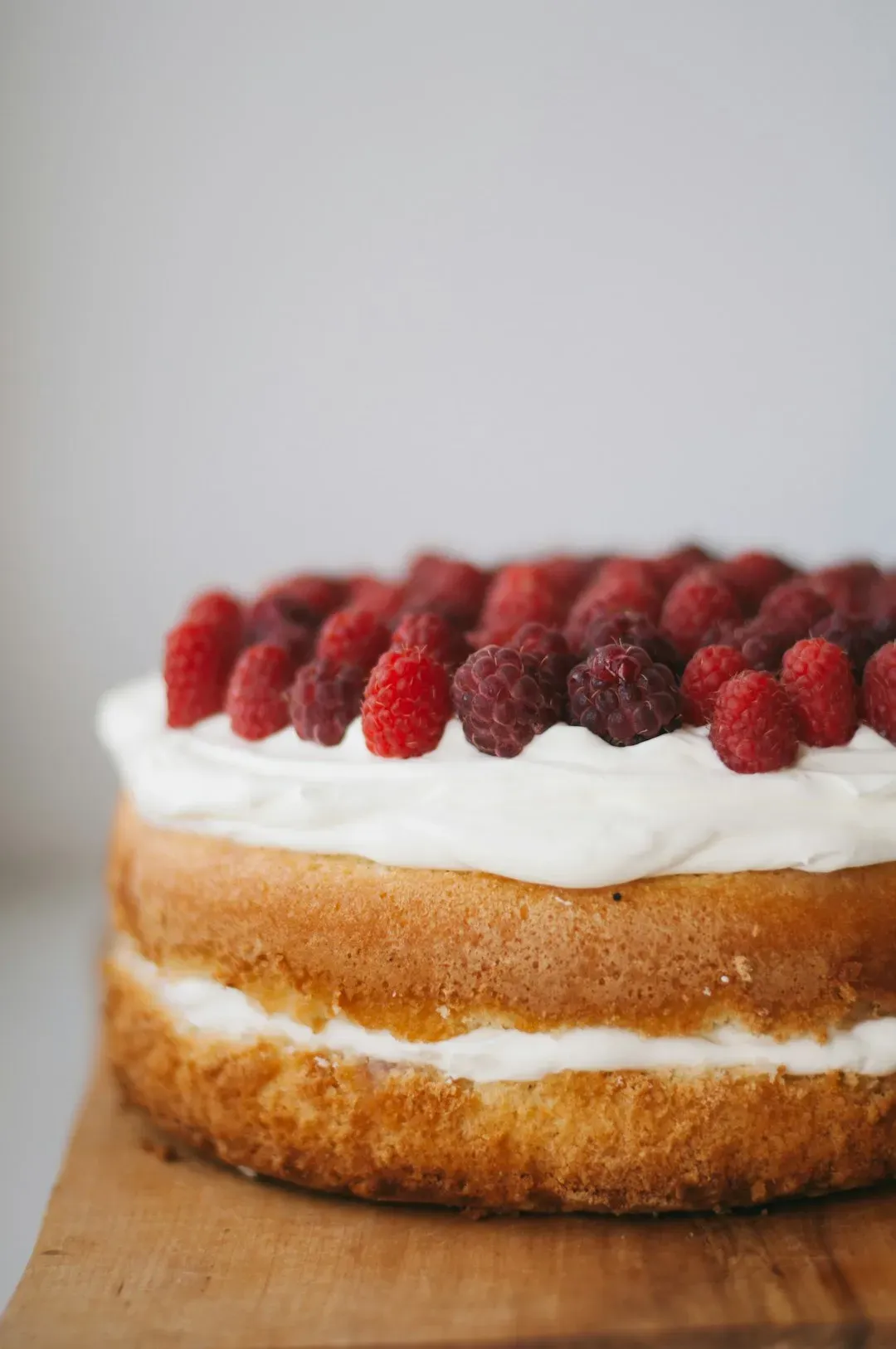
6. Fruit and whipped cream topped cakes (Image Credits: Unsplash)
These cakes look beautiful sitting in the cold case, but a former Whole Foods cake decorator has flagged them as a risky buy. You shouldn't buy fruit and whipped cream-topped cakes or other items from a cold case at your local grocery store bakery, because these cakes can often be a day old or so, and if you're not getting a freshly made cake, there's a good chance the whipped cream and fruit are already past their prime.
Whipped cream in particular breaks down fast once it's exposed to a cold case for extended periods, losing its structure and turning slightly watery. If you're curious when the cake hit the floor, staff members can help you decide whether it's worth buying, but if you don't know when it was put out, you might be better off skipping it entirely. A quick question to the bakery counter can save you from an underwhelming dessert.
7. Frozen desserts
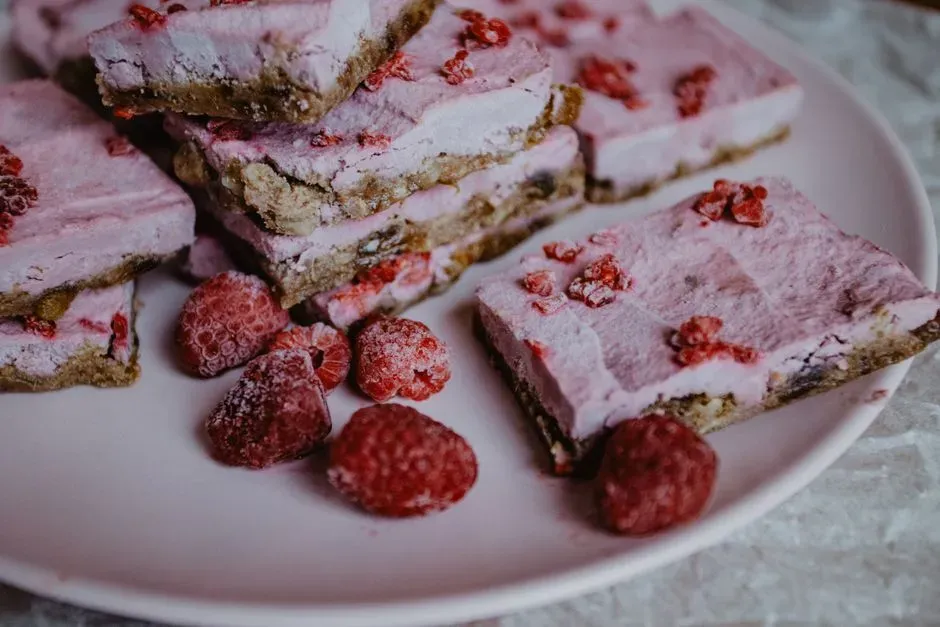
7. Frozen desserts (Image Credits: Pexels)
Not every treat behind the glass was made that day, and frozen desserts are often the clearest example of that gap between appearance and reality. Frozen desserts are cheap and convenient, but that's because they're mass-produced with low-quality ingredients, making them one of the grocery store bakery items to avoid at all costs.
Staleness on a frozen item is sometimes harder to spot until you're already home and unwrapping it. A red flag to always watch out for is dull coloring and dry texture on the dessert in question, and while you might not be able to touch it, visual cues of staleness should be obvious upon close inspection. Checking a dessert closely before it goes in your cart is worth the extra thirty seconds.
8. Mass-produced sliced bread from the bakery display
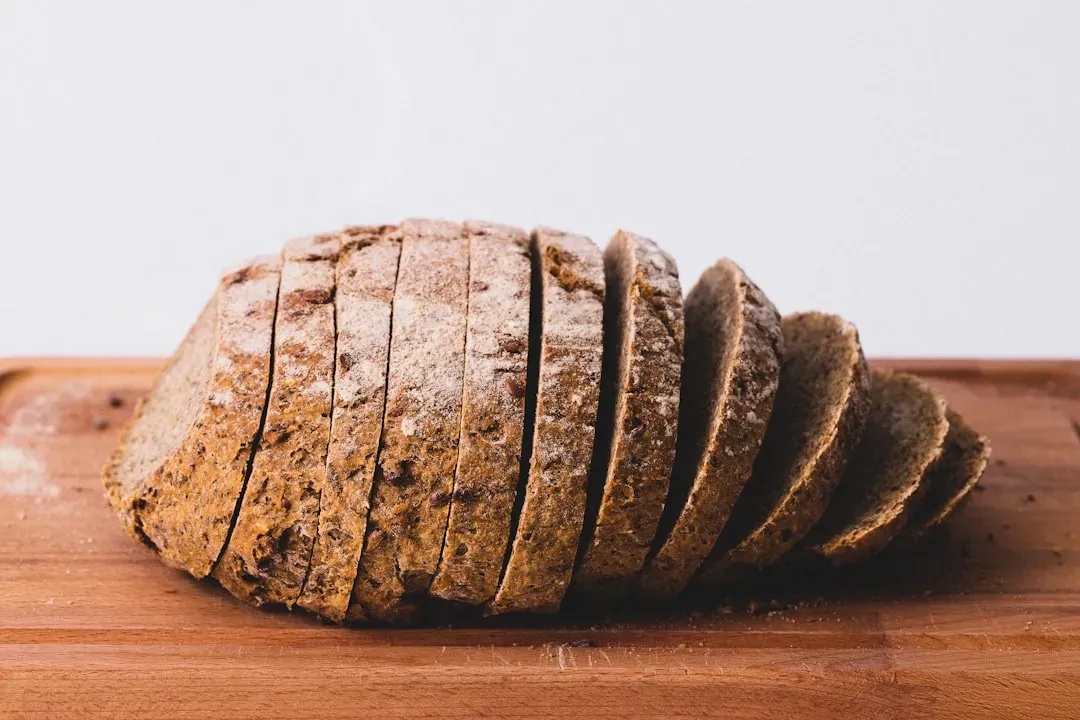
8. Mass-produced sliced bread from the bakery display (Image Credits: Unsplash)
Prepackaged sliced bread sitting near the bakery counter can trick shoppers into thinking it's freshly made simply because of where it's displayed. In reality, much of what lands in grocery bakery sections starts out frozen and gets finished, not built from scratch, in the store. More often than not, the bakery section at your grocery store is not making cakes, pastries, and pies from scratch, and instead relies on premade mixes or frozen par-baked items.
That same pattern shows up with bread that's been shipped in and simply thawed or warmed rather than baked on site. A former Walmart employee has stated that nothing is actually baked in the bakery, it's all warmed up from frozen, though some stores do bake bread in-house, typically anything labeled fresh baked daily. Reading the label closely, and asking a staffer which loaves were actually mixed and baked on premises, is the easiest way to tell the difference before you buy.
None of this means grocery store bakeries are worth skipping altogether. Plenty of items, from custom sheet cakes to daily fresh bread, hold up just fine and often beat specialty shop prices. The trick is knowing which specific products tend to disappoint, and asking a staff member a quick question before committing to anything that looks a little too good under the display lights.