
Grandparents who lived through the 1930s carried something with them long after the soup lines disappeared and the economy recovered. It shaped how they folded aluminum foil, how they talked about money, and how they raised their own kids, who then passed a diluted but still recognizable version of that mindset down to the grandchildren sitting at their kitchen tables. Even now, decades removed from ration books and bank failures, plenty of adults catch themselves doing something oddly frugal or cautious and realize exactly where it came from.
1. Saving every plastic container, jar, and margarine tub
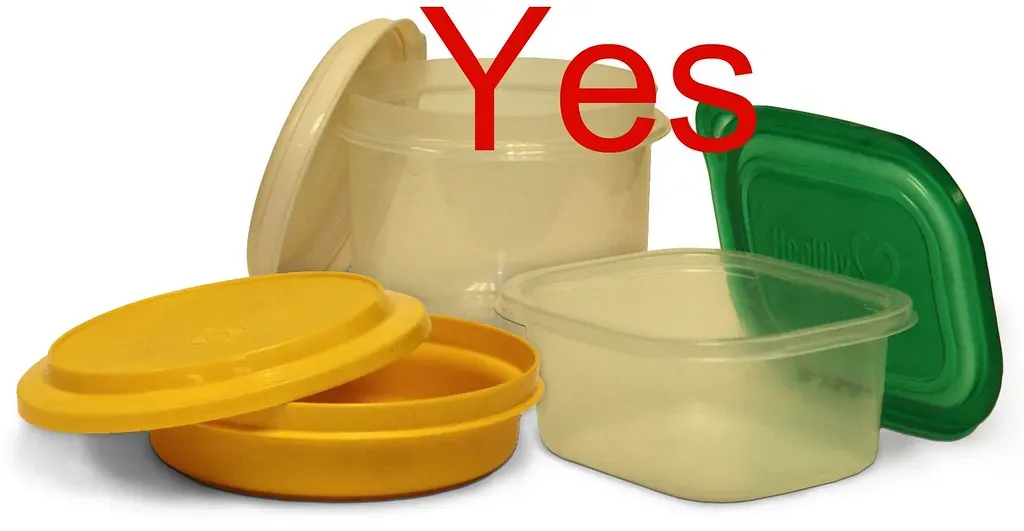
1. Saving every plastic container, jar, and margarine tub (Department of Environmental Protection Recycling a, Flickr, <a href="https://creativecommons.org/licenses/by/2.0/" target="_blank" rel="noopener">CC BY 2.0</a>)
Walk into the kitchen of someone raised by Depression-era grandparents and there’s a good chance you’ll find a cabinet full of margarine tubs, glass jars, and takeout containers stacked like nesting dolls. Nothing gets thrown away if it might hold leftovers someday, because throwing away a usable container once felt like throwing away money itself. This wasn’t quirky hoarding so much as practical math during a decade when store-bought storage was a luxury few could justify.
The habit sticks because it was never really about the container. It was about the discomfort of wasting something that still had a use left in it. Grandchildren who watched this behavior growing up often find themselves doing the same thing, even with a drawer full of brand-new plastic wrap sitting right next to the reused sour cream tubs.
2. Turning off lights the second a room is empty
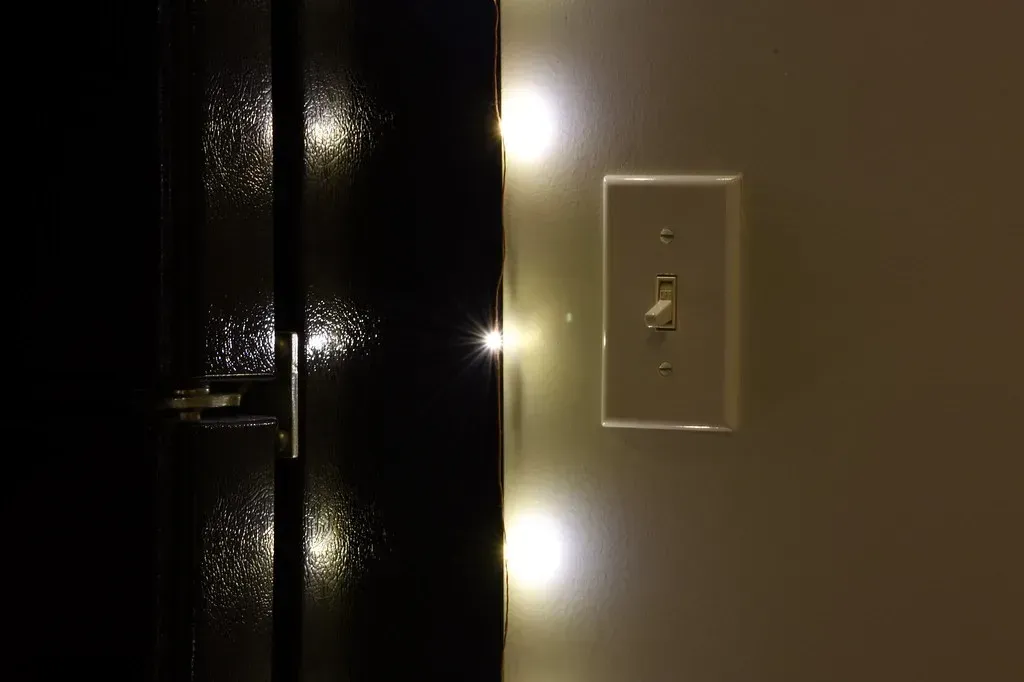
2. Turning off lights the second a room is empty (nick.amoscato, Flickr, <a href="https://creativecommons.org/licenses/by/2.0/" target="_blank" rel="noopener">CC BY 2.0</a>)
Electricity bills during the Great Depression could mean the difference between eating and not eating that week, so lights left burning in an empty room felt like money burning along with them. That vigilance became reflexive, and it rarely faded even after household finances stabilized in later decades. Many people today still snap off a light switch out of habit, sometimes before they’ve even fully left the room.
It’s a small gesture, but it reflects a larger worldview: nothing should be used more than necessary. Grandchildren raised around this behavior often report doing the same thing automatically, even in homes where the electric bill is the least of their financial worries.
3. Finishing every single bite of food on the plate
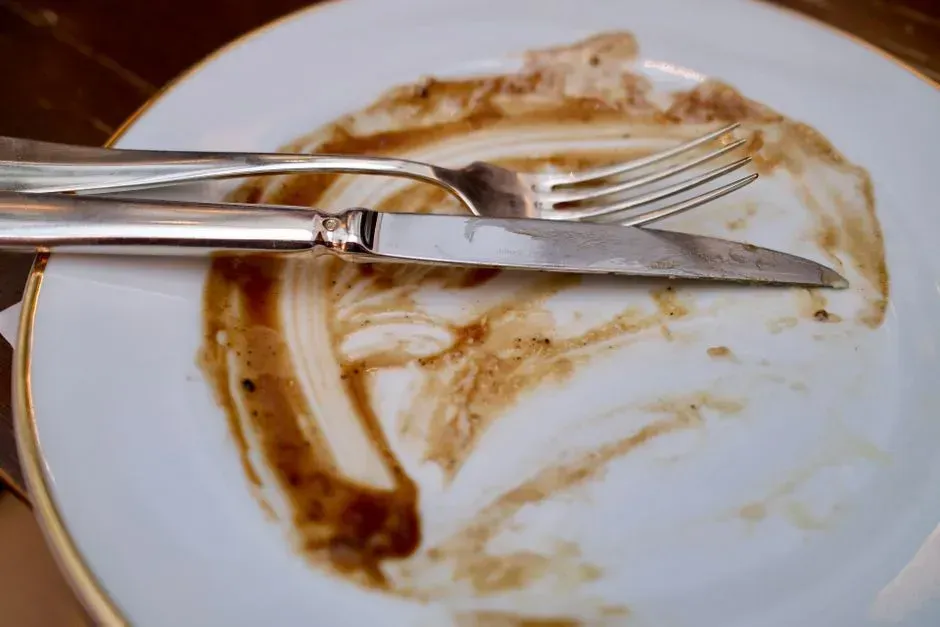
3. Finishing every single bite of food on the plate (Image Credits: Pexels)
Food waste wasn’t just frowned upon during the Depression years, it was almost unthinkable when meals were stretched to feed entire families on limited budgets. That urgency to clean a plate got baked into an entire generation’s approach to eating, and it often got passed down as a rule rather than a suggestion. Even now, some people feel a genuine pang of guilt leaving food behind at a restaurant.
This habit sometimes clashes with modern nutrition advice about listening to hunger cues rather than finishing a plate out of obligation. Still, the instinct runs deep, rooted in memories of scarcity that grandchildren absorbed secondhand through family stories and dinner table rules.
4. Stockpiling pantry staples far beyond what's needed
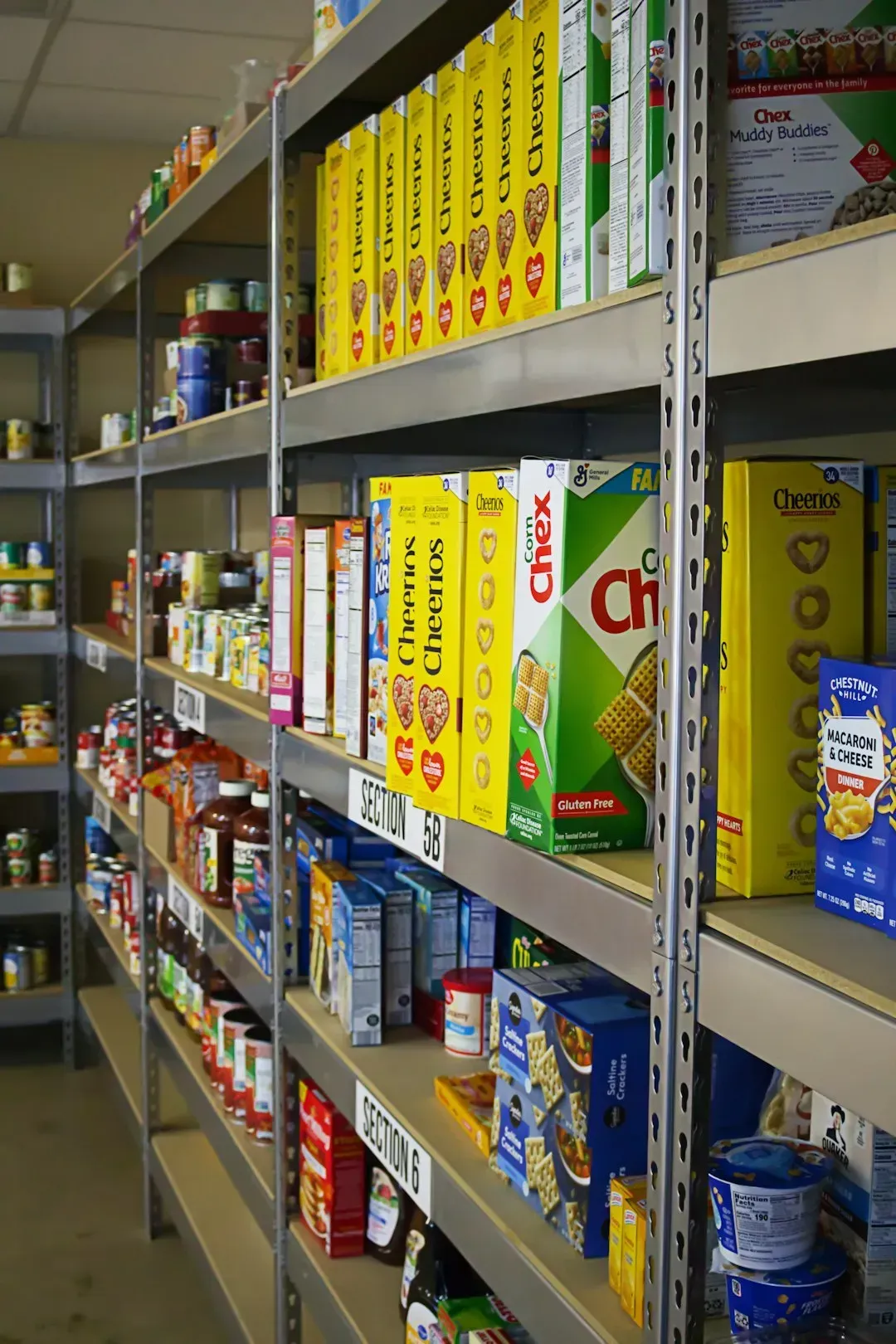
4. Stockpiling pantry staples far beyond what's needed (Image Credits: Unsplash)
A pantry stacked with more canned goods, rice, and flour than any single household could reasonably need in a month is a classic sign of Depression-era influence. The logic wasn’t paranoia, it was earned caution from a time when grocery shelves and steady paychecks weren’t guaranteed. Having extra on hand meant having a buffer against the next unexpected shortage or income gap.
This stockpiling instinct resurfaced noticeably during pandemic-related supply disruptions in the early 2020s, when people raised with this mindset felt validated rather than surprised. Grandchildren who grew up watching a well-stocked pantry often keep their own shelves fuller than necessary, even when there’s no obvious reason to.
5. Repairing things instead of replacing them
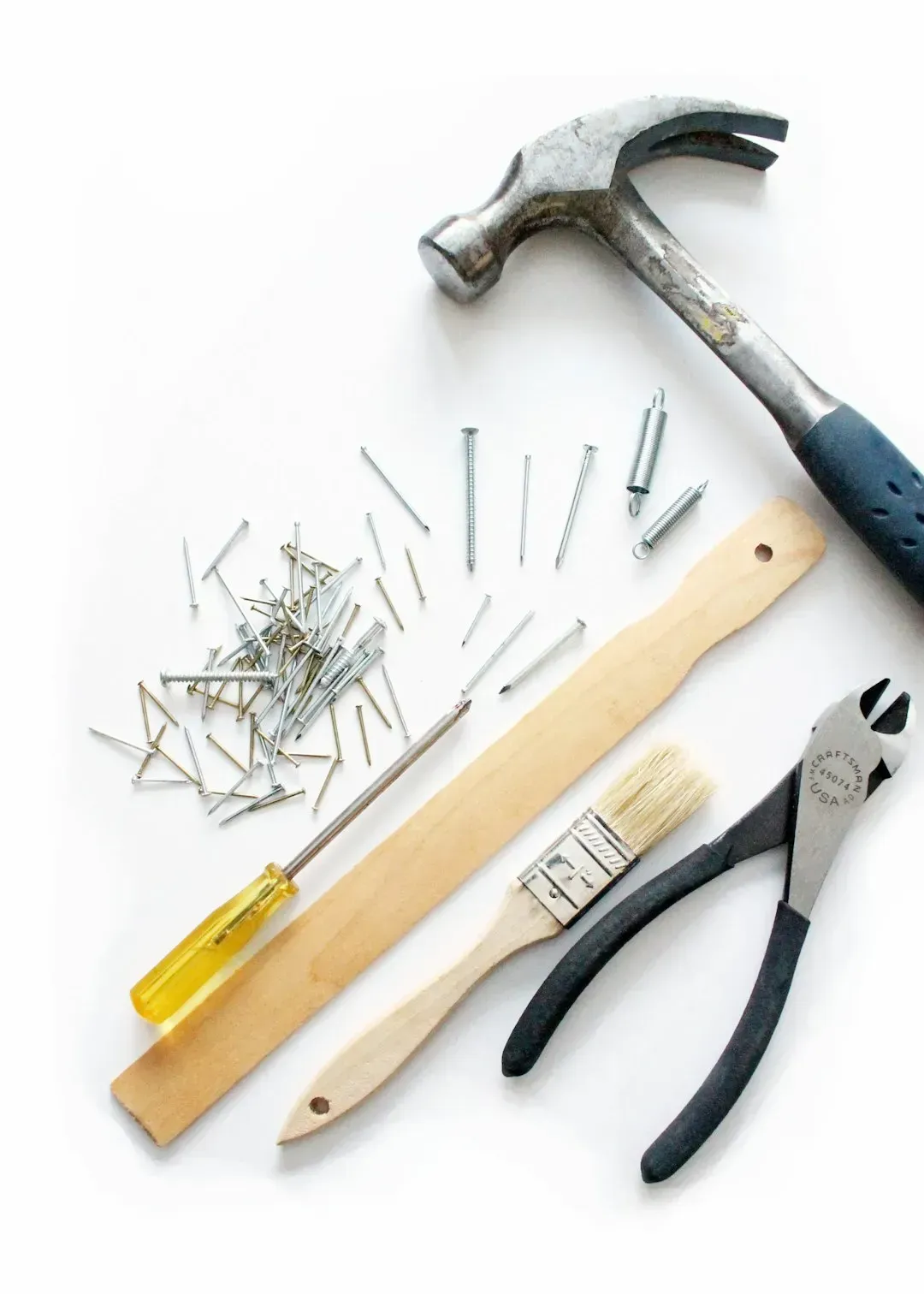
5. Repairing things instead of replacing them (Image Credits: Unsplash)
Duct tape, sewing kits, and a junk drawer full of spare screws were survival tools in households that couldn’t afford to simply buy new when something broke. Depression-era grandparents mended socks, patched furniture, and kept appliances running years past when most people today would toss them. That mend-first instinct became a value system, not just a budgeting tactic.
Many grandchildren still feel a flicker of resistance toward disposable culture, even in an era of cheap replacements and same-day shipping. There’s a quiet satisfaction in fixing something rather than discarding it, a satisfaction that traces directly back to lessons learned at a grandparent’s workbench or sewing table.
6. Distrust of banks and a preference for cash

6. Distrust of banks and a preference for cash (Image Credits: Unsplash)
Bank failures during the early 1930s wiped out savings for millions of families before deposit insurance existed in its modern form, and that trauma left a lasting mark. Even after the Federal Deposit Insurance Corporation was established in 1933 to protect depositors, plenty of Depression-era survivors kept cash hidden at home just in case. That instinct to trust cash over institutions filtered down through families in ways that outlasted the actual risk.
Grandchildren of this generation sometimes notice their own lingering unease about keeping too much money in one account, or an urge to have some emergency cash tucked away outside the bank entirely. It’s less about distrust of modern banking specifically and more about an inherited sense that systems can fail without warning.
7. Reusing wrapping paper, ribbon, and gift bags
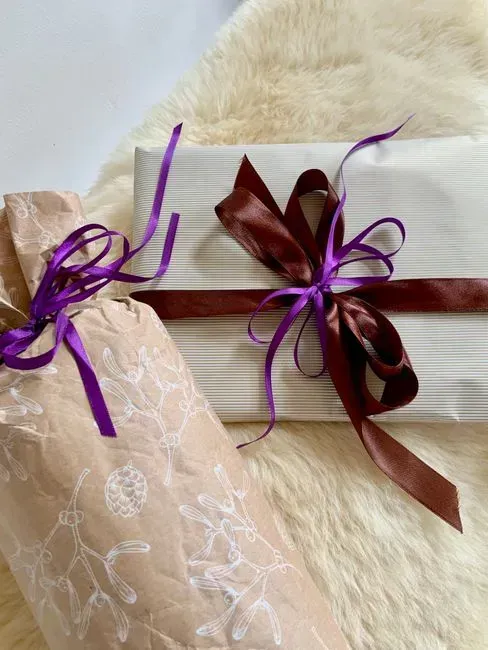
7. Reusing wrapping paper, ribbon, and gift bags (Image Credits: Pexels)
Wrapping paper wasn’t cheap or disposable in the 1930s, so careful unwrapping and saving became second nature for anyone determined to stretch every resource. Depression-era grandparents often smoothed out paper, folded it neatly, and tucked it away for next year’s gifts rather than letting it end up in the trash. Ribbon and bows got the same treatment, carefully untangled and reused until they were too worn to save.
This habit shows up today in drawers full of flattened wrapping paper and gift bags saved from birthdays years earlier. It’s a small ritual, but it reflects the same underlying belief that anything still usable shouldn’t be wasted just because it’s convenient to buy new.
8. Keeping a tight, almost secretive budget

8. Keeping a tight, almost secretive budget (Image Credits: Unsplash)
Money conversations were often private and careful in households shaped by the Depression, partly because financial vulnerability had once been so public and painful. Grandparents from that era frequently kept detailed mental or written tallies of spending, wary of anything that looked like unnecessary expense. That guardedness around money sometimes made financial planning feel more like survival strategy than casual budgeting.
Grandchildren raised in this environment often inherit a similar instinct to underspend, save aggressively, or feel anxious discussing money openly with others. Even financially secure adults sometimes catch themselves being unusually private about their finances, a trait that traces back to lessons absorbed long before they understood where it came from.
9. Growing a garden or preserving food at home
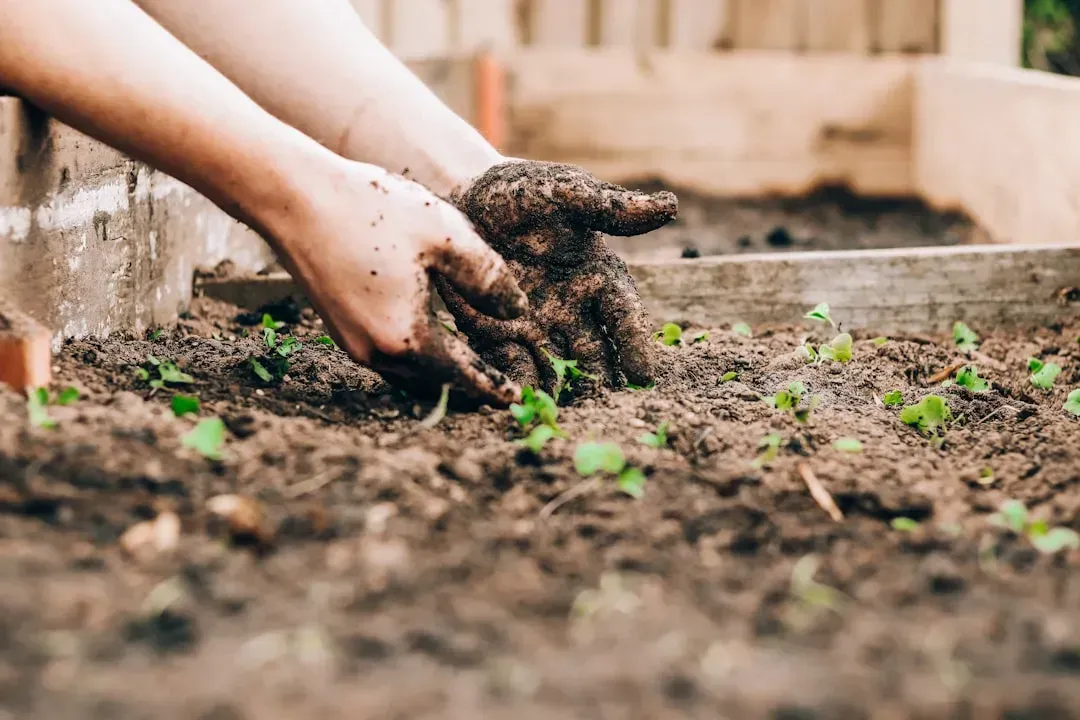
9. Growing a garden or preserving food at home (Image Credits: Unsplash)
Home gardens and canning weren’t hobbies during the Depression, they were necessities that supplemented unreliable grocery budgets and helped families get through lean months. Many grandparents from that generation kept up gardening and preserving well into old age, long after the practical need had faded. The skills stuck because they represented control over food supply in a way that buying everything at a store never quite matched.
Grandchildren who spent summers helping can tomatoes or dig up potatoes sometimes carry a quiet appreciation for growing their own food, even if it’s just a few herbs on a windowsill. There’s a sense of self-reliance in it that outlasts any actual financial need for the practice.
10. Never throwing away leftover fabric, buttons, or string
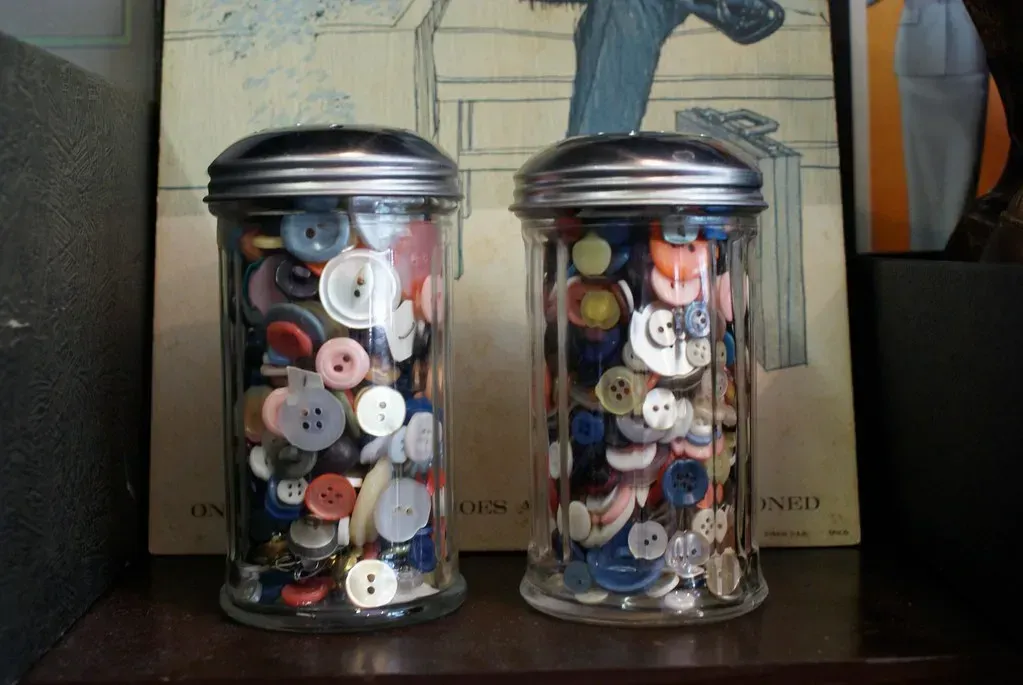
10. Never throwing away leftover fabric, buttons, or string (hill.josh, Flickr, <a href="https://creativecommons.org/licenses/by/2.0/" target="_blank" rel="noopener">CC BY 2.0</a>)
A button jar, a drawer of mismatched fabric scraps, or a tangle of saved string might seem odd to modern eyes, but these were genuinely useful resources during the Depression era. Clothes were mended and remade rather than replaced, and every scrap had potential future value in a household stretching limited resources. Sewing kits from that generation often included materials salvaged from clothing that had long since been worn out and discarded otherwise.
This habit of saving small materials often gets passed down as a quiet quirk, something grandchildren notice in their own homes without always remembering exactly why they started doing it. It’s less about needing the buttons specifically and more about an inherited discomfort with getting rid of something that might someday be useful.
11. Skepticism toward buying anything on credit

11. Skepticism toward buying anything on credit (Image Credits: Pexels)
Debt carried a heavier emotional weight for people who watched credit and speculation contribute to the financial collapse that triggered the Great Depression in the first place. Grandparents from that generation often preferred saving up for purchases rather than financing them, viewing debt as a risk rather than a convenient tool. That wariness shaped family attitudes toward credit cards, loans, and financing for decades afterward.
Grandchildren sometimes describe feeling unusually uncomfortable carrying a credit card balance, even when the interest rate is manageable and the purchase is reasonable. That discomfort often traces directly back to warnings heard growing up about the dangers of living beyond one’s means.
12. Layering clothes instead of raising the thermostat
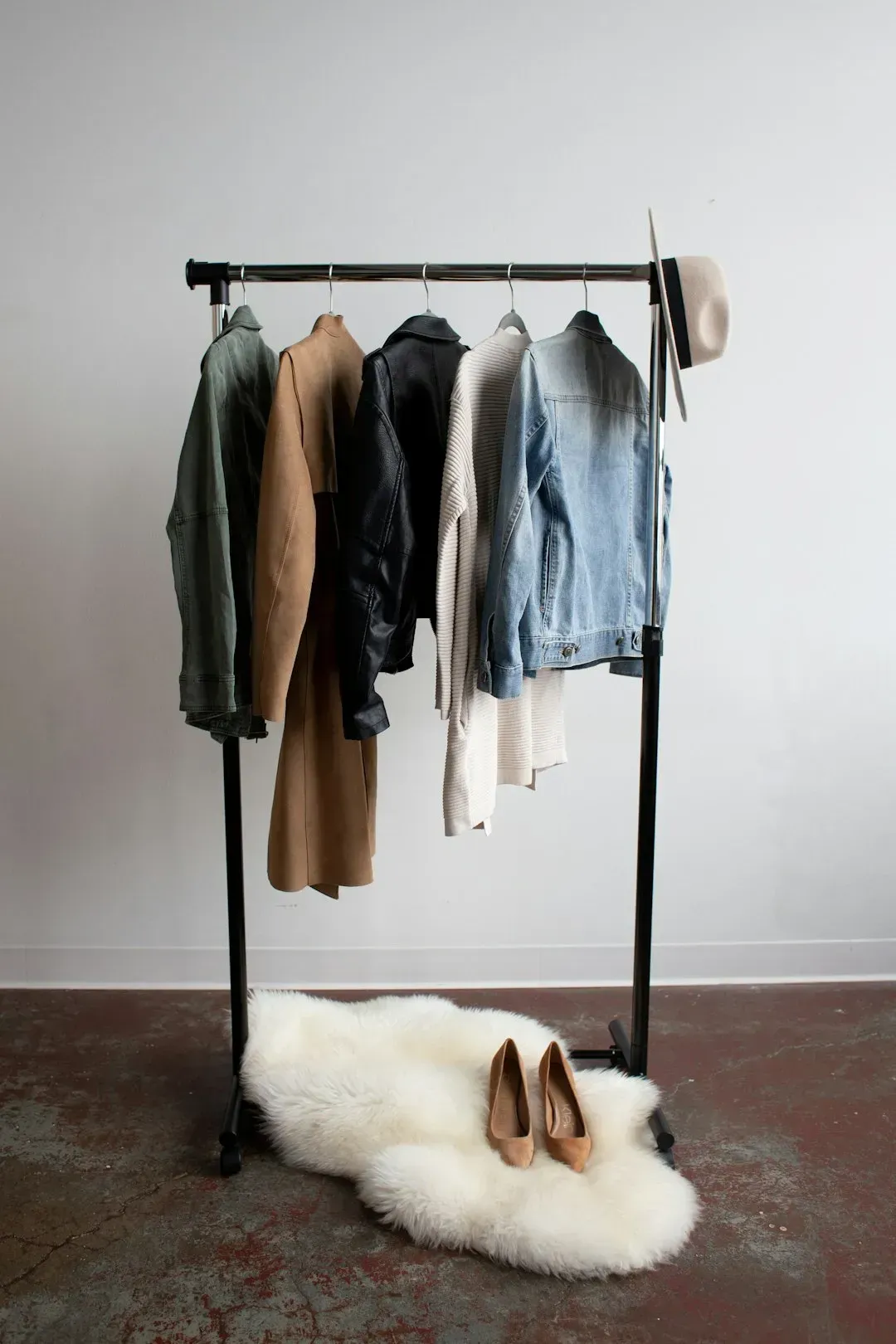
12. Layering clothes instead of raising the thermostat (Image Credits: Unsplash)
Heating a home cost money that many Depression-era families simply didn’t have to spare, so layering up with sweaters and blankets became the default solution to a cold house. That habit of reaching for another layer before touching the thermostat outlived the actual financial necessity behind it. It became less about affordability and more about an ingrained belief that adjusting the heat should be a last resort.
Grandchildren often notice themselves doing the exact same thing, pulling on a hoodie rather than nudging the temperature up even a couple degrees. It’s a small, almost automatic decision, but it echoes a household rule that was once about survival rather than comfort.
13. Feeling guilty about spending money on non-essentials

13. Feeling guilty about spending money on non-essentials (Image Credits: Unsplash)
Perhaps the most persistent habit of all is a lingering discomfort with spending on anything considered a luxury, even decades after financial circumstances have completely changed. Depression-era grandparents often viewed non-essential purchases with suspicion, prioritizing necessity over enjoyment as a matter of survival instinct rather than personal preference. That mindset shaped family attitudes toward vacations, entertainment, and even small indulgences like buying name-brand groceries.
Grandchildren raised around this attitude sometimes struggle with guilt over spending on things they can easily afford, even when there’s no rational reason to feel that way. It’s one of the clearest examples of how a historical event can leave an emotional imprint that outlasts the economic conditions that created it in the first place.
These habits rarely announce themselves as lessons from history. They show up quietly, in a saved jar or a reluctance to raise the thermostat, carried forward by people who often never lived through the Depression themselves but absorbed its lessons anyway.