
Family traditions used to feel like fixed points on the calendar, the kind of thing nobody questioned out loud. Lately, though, a lot of grown children are stepping back from certain rituals without making a big announcement about it. They’re not rejecting family so much as rethinking which customs still serve them and which ones just linger out of habit.
This shift shows up in small ways more than dramatic breaks. A skipped phone call here, a holiday spent differently there, and slowly the old patterns loosen. Here are seven traditions that seem to be fading fastest among today’s adult children.
1. Sunday family dinners as a fixed weekly obligation

1. Sunday family dinners as a fixed weekly obligation (Image Credits: Unsplash)
For decades, the Sunday dinner was treated almost like a family law, something you showed up for no matter what else was happening in your week. Many adult children today still value shared meals, but they’re less willing to treat a specific day and time as sacred when work schedules, childcare, and personal plans don’t line up neatly anymore.
Instead of a rigid weekly ritual, families are shifting toward flexible gatherings that happen every few weeks or whenever it actually works for everyone. The meal itself hasn’t disappeared, but the guilt attached to missing it has softened considerably compared to how earlier generations approached it.
2. Automatically hosting or attending every major holiday
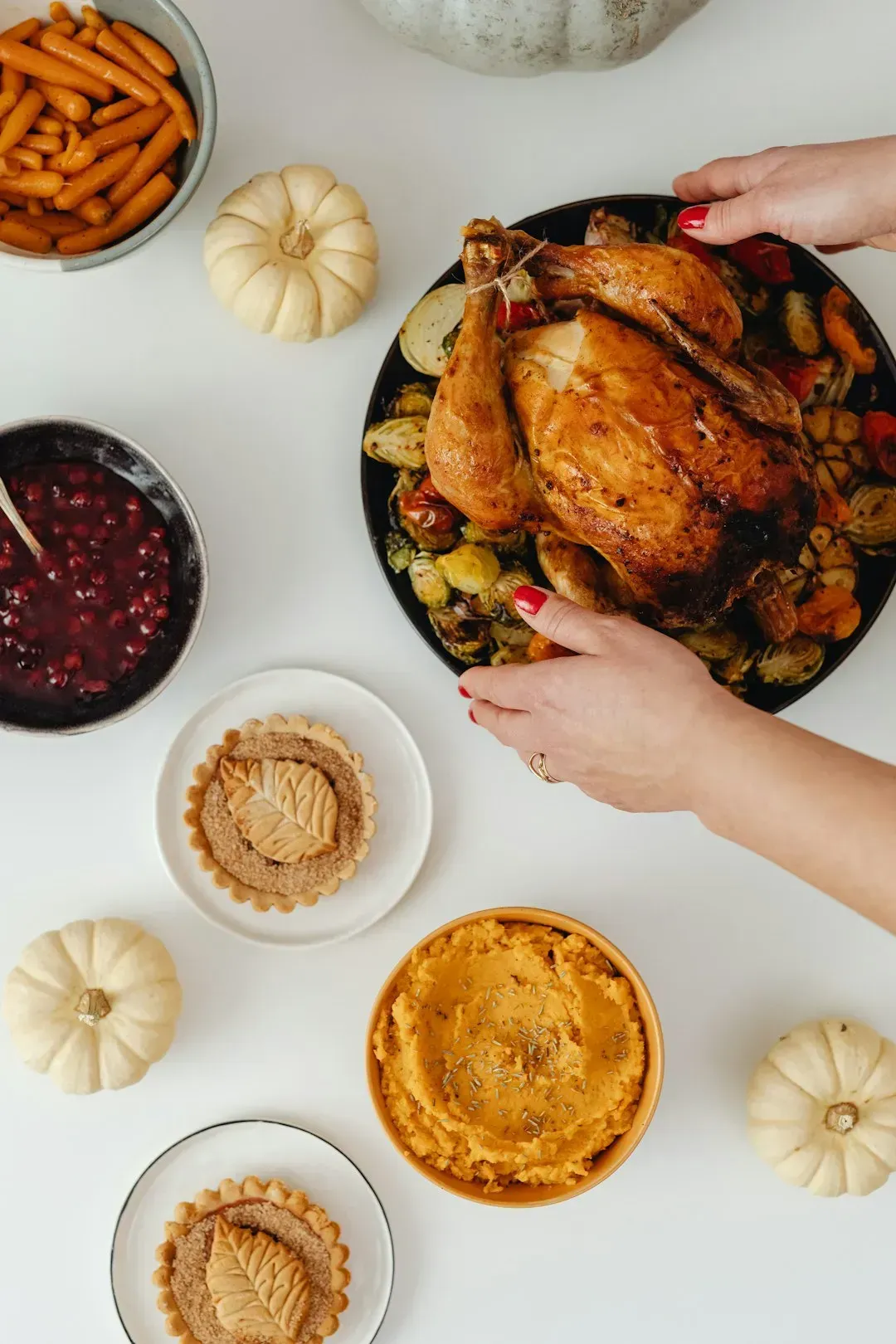
2. Automatically hosting or attending every major holiday (Image Credits: Unsplash)
There was a long stretch where skipping Thanksgiving or Christmas at the family home was almost unthinkable, treated as a near betrayal rather than a personal choice. Adult children now are more comfortable alternating years, splitting time between in-laws, or simply opting out when travel and finances make it impractical.
This isn’t about caring less. It’s more about recognizing that showing up out of obligation rather than genuine desire tends to breed resentment over time, and plenty of people would rather have an honest, smaller gathering than a resentful, crowded one.
3. Following the same religious observances without question
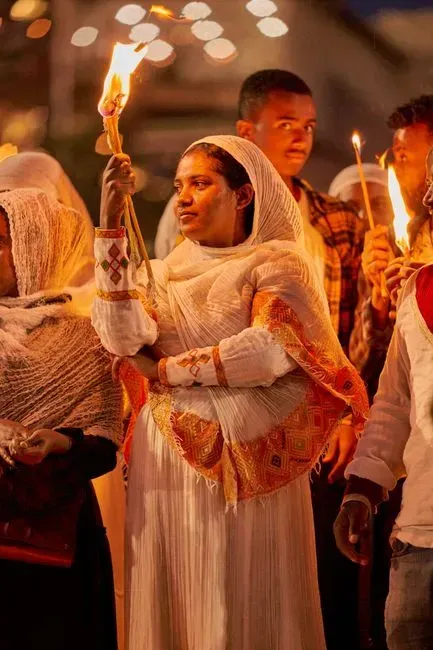
3. Following the same religious observances without question (Image Credits: Pexels)
Religious participation has been declining steadily across younger generations, and that trend directly affects which family traditions survive into adulthood. Many adult children who were raised attending specific services or observing particular rites now pick and choose, keeping parts that feel meaningful while quietly dropping others that feel more performative than personal.
Pew Research has tracked this generational drift for years, showing that younger adults are notably less likely than their parents or grandparents to describe religion as very important in their daily lives. The traditions tied to those practices, from specific prayers before meals to attending every holy day service, are fading right along with that broader shift.
4. Sending physical holiday cards to the extended family
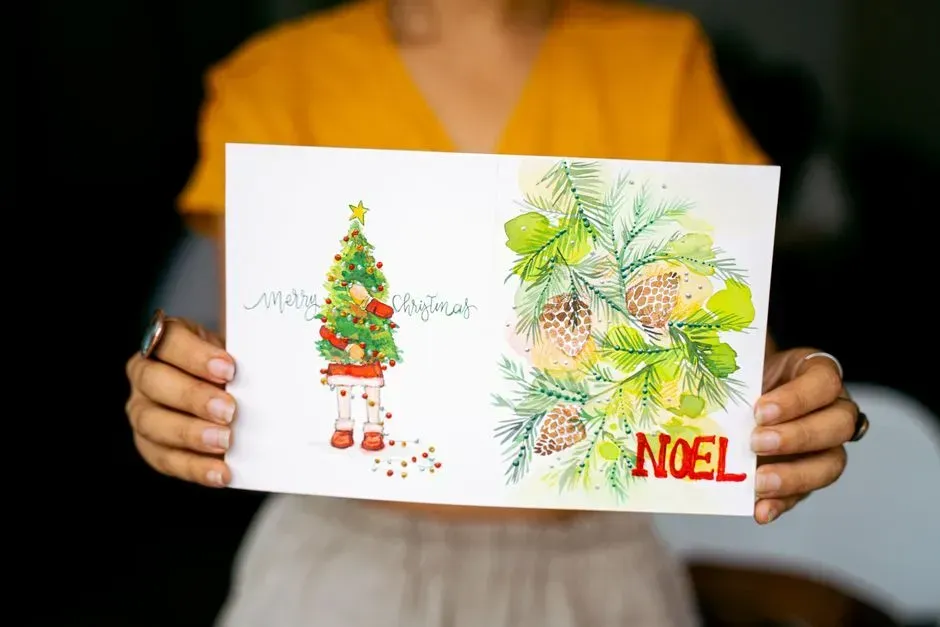
4. Sending physical holiday cards to the extended family (Image Credits: Pexels)
The annual card with a family photo and a handwritten note used to be a small but expected ritual, arriving in mailboxes every December like clockwork. Younger adults are largely replacing this with digital alternatives, whether that’s a group text, a social media post, or simply skipping the gesture altogether in favor of a quick video call.
It’s not that people care less about staying connected. It’s that the specific format feels increasingly outdated when instant communication is available year round, making the once-a-year printed update feel more like extra effort than genuine connection.
5. Inheriting and continuing family recipes exactly as written
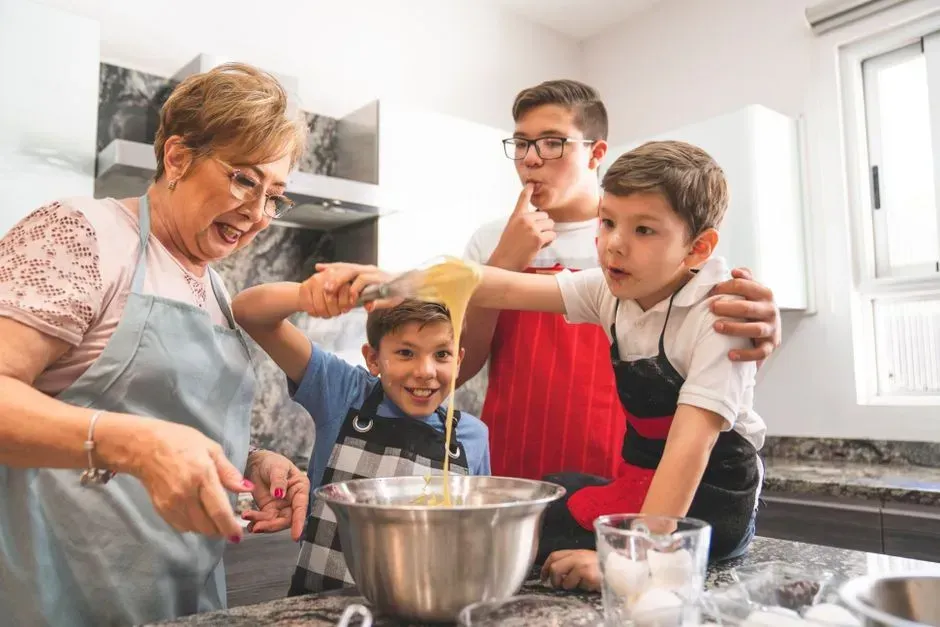
5. Inheriting and continuing family recipes exactly as written (Image Credits: Pexels)
Grandma’s recipe, passed down word for word and measurement for measurement, was once treated as untouchable. Many adult children now approach these recipes more as a starting point than a strict rulebook, adjusting for dietary preferences, available ingredients, or simply their own taste.
This shows up in small substitutions, like swapping traditional fats for plant-based options or cutting sugar levels that no longer match modern eating habits. The dish survives, the memory attached to it survives, but the exact formula often quietly evolves with each generation that takes it on.
6. Naming children after relatives out of family expectation

6. Naming children after relatives out of family expectation (Image Credits: Unsplash)
Naming a child after a parent, grandparent, or other relative used to carry an almost unspoken expectation, especially for firstborns or namesakes in certain family lines. Adult children today are increasingly choosing names based on personal meaning, sound, or cultural background rather than feeling bound by lineage.
Baby name data over the past decade shows a broader move toward unique or invented names rather than repeated family names across generations. That doesn’t mean family names have vanished entirely, but they’re now treated as an option among many rather than a near default choice.
7. Taking on caregiving roles without ever discussing boundaries
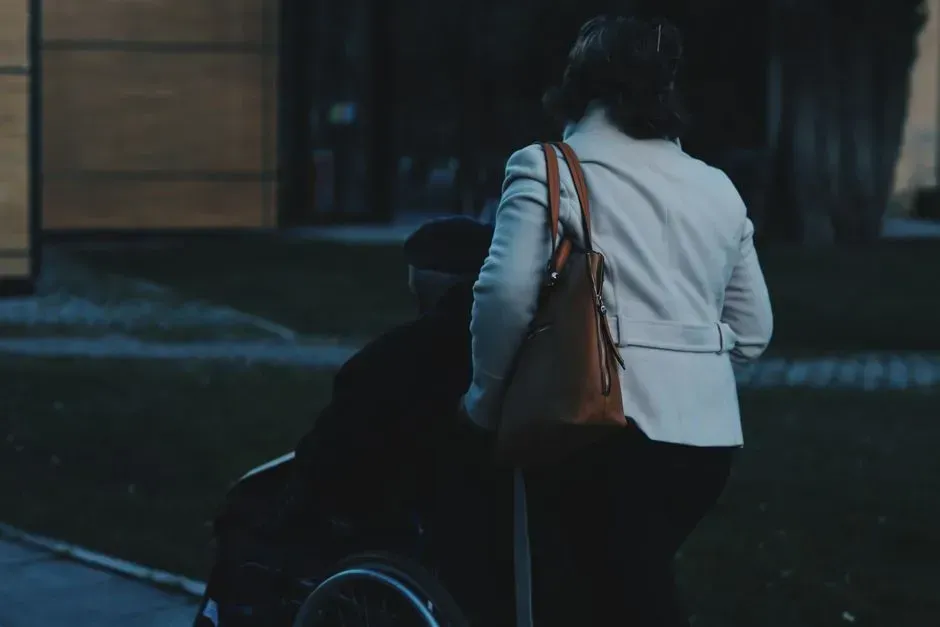
7. Taking on caregiving roles without ever discussing boundaries (Image Credits: Pexels)
Previous generations often assumed that caring for aging parents would fall to adult children automatically, with little conversation about logistics, finances, or personal capacity. Today’s adult children are more likely to have direct conversations early, sometimes years in advance, about what caregiving will actually look like and who will handle which responsibilities.
This shift is partly practical, since more households now have two working parents with less flexible time than in past decades. It’s also emotional, reflecting a growing willingness to set boundaries around caregiving rather than absorbing it silently out of a sense of duty.
Taken together, these changes don’t suggest that family bonds are weakening. They point to a generation renegotiating which customs still add meaning to their lives and which ones were simply carried forward out of habit rather than genuine value.