
Homeowners spend real money chasing the idea of a “smarter” or more personal home, and most of the time that money is well spent. But renovation decisions made purely for comfort do not always translate into dollars when it comes time to sell, and a few specific missteps can quietly erase tens of thousands from a final offer.
The gap between what feels like an upgrade and what a buyer actually wants has widened as the housing market has grown pickier about layouts, square footage, and finishes. Below are four renovation choices that homeowners frequently regret once the “for sale” sign goes up.
1. Converting the garage into living space

1. Converting the garage into living space (Image Credits: Unsplash)
Turning a garage into a bedroom, office, or home gym feels like free square footage, but buyers rarely see it that way. Converting a garage into living space almost always hurts resale value, since it removes covered parking that most buyers expect, and the space often cannot be legally counted as a bedroom or office without permits. That distinction matters because online listing filters work against the seller here.
Buyers searching for homes filter by garage spaces as often as they filter by bedroom count, so a home listed with zero garage spots quietly drops out of many searches before a buyer ever sees photos. A real estate broker in the San Francisco area has specifically pointed out that converting garages into extra living space is a project he steers clients away from. Reversing the conversion later usually costs more than the original build-out, which makes this one of the more expensive mistakes to walk back.
2. Sacrificing a bedroom for a bigger primary suite or closet
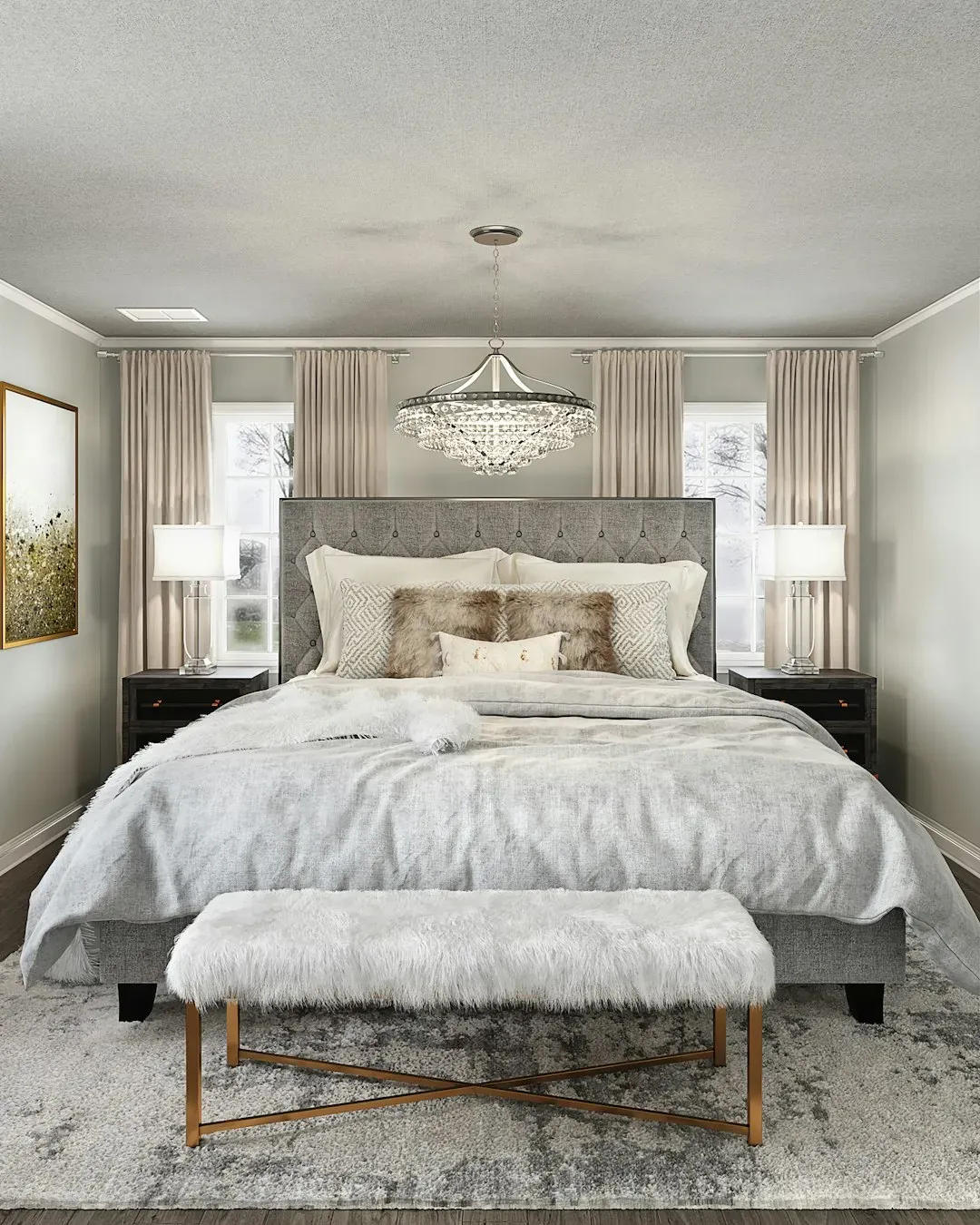
2. Sacrificing a bedroom for a bigger primary suite or closet (Image Credits: Unsplash)
Combining two bedrooms into one oversized primary suite or a sprawling walk-in closet is a popular renovation fantasy, but it directly shrinks the number buyers care about most. Deciding to sacrifice a bedroom to combine it with another to create a spacious primary suite or a walk-in closet can lower a property appraisal and limit a home's marketability, so experts advise keeping bedroom count in line with the neighborhood average. Appraisers work off comparable sales, and a three-bedroom house competing against four-bedroom comps in the same price range starts at a disadvantage.
The closet-conversion version of this mistake is even more dramatic in terms of raw numbers. Converting a bedroom into a closet will make a realtor cringe, since removing a bedroom usually decreases a property's value by up to fifteen percent, and installing the shelving itself typically costs between one thousand and twenty six hundred dollars. A smarter route for most owners craving more storage is working with the closet space they already have rather than eliminating a room that future buyers will count on.
3. Over-personalizing finishes and layouts

3. Over-personalizing finishes and layouts (Image Credits: Pixabay)
Bold color choices, unusual light fixtures, and highly specific design themes can make a home feel like yours, but they narrow the buyer pool considerably. Home renovation mistakes that hurt resale value tend to fall into repeatable patterns, and one of the most common is homeowners over-personalizing a space for one household's taste. What feels stylish today can also age badly, since a founder of a real estate development company has noted that a fixture that feels exciting when you buy it can look dated ten years later when you're ready to sell, and simple choices tend to hold up best.
The underlying issue is a mismatch in perspective that shows up again and again in resale data. Homeowners renovate for the life they are living right now, while buyers judge a house for the life they are about to start in it, and that mismatch is where resale value quietly disappears. Neutral finishes, standard layouts, and widely appealing materials tend to protect value better than anything trend-driven, even if they feel a little less exciting during the renovation itself.
4. Choosing cheap materials to save on the renovation budget
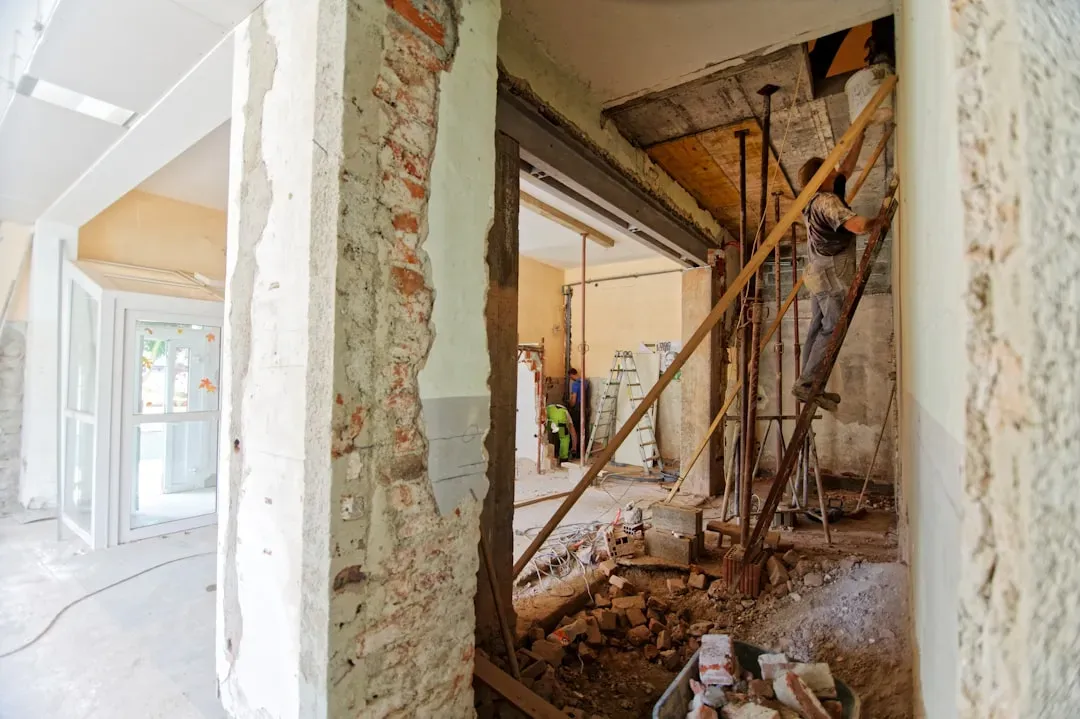
4. Choosing cheap materials to save on the renovation budget (Image Credits: Unsplash)
Cutting corners on materials to keep a renovation budget under control often backfires the moment a buyer walks through with a critical eye. Low-cost materials often reveal themselves quickly and hurt a home's resale value, since buyers notice scratches, gaps, and weak finishes. Those small signs of wear read as bigger warning signs than they should, because quality signals maintenance habits, and poor materials suggest hidden issues behind the surface.
This is one reason the 2025 Cost vs. Value data leans so heavily toward exterior projects with durable, straightforward materials rather than flashy interior overhauls. Exterior renovations have delivered a higher return on investment than discretionary interior remodels for two decades running, partly because real estate professionals place high value on curb appeal and partly because exterior replacement labor costs less than complex interior work. A garage door or entry door built with solid materials, for instance, recoups far more of its cost than a bargain interior remodel that starts showing flaws within a year or two.
None of these four mistakes are really about spending too much or too little. They are about spending in a direction that only makes sense to the person currently living in the house. A renovation that keeps bedroom and garage counts intact, sticks to broadly appealing finishes, and uses materials built to last tends to protect resale value far better than one built purely around personal taste.