
There was a time when a kid’s after-school hours weren’t spent scrolling or gaming but hauling ash buckets, beating rugs, or churning butter by hand. Household chores in the mid-twentieth century weren’t just about tidiness. They were survival skills, passed down because families genuinely needed the extra hands.
Today’s kids might load a dishwasher or take out the recycling, but many of the tasks that filled a boomer’s Saturday morning have simply vanished. Appliances, city infrastructure, and changing lifestyles quietly erased them. Here’s a look back at ten chores that once defined childhood but would leave most modern kids completely puzzled.
1. Beating the rugs outside
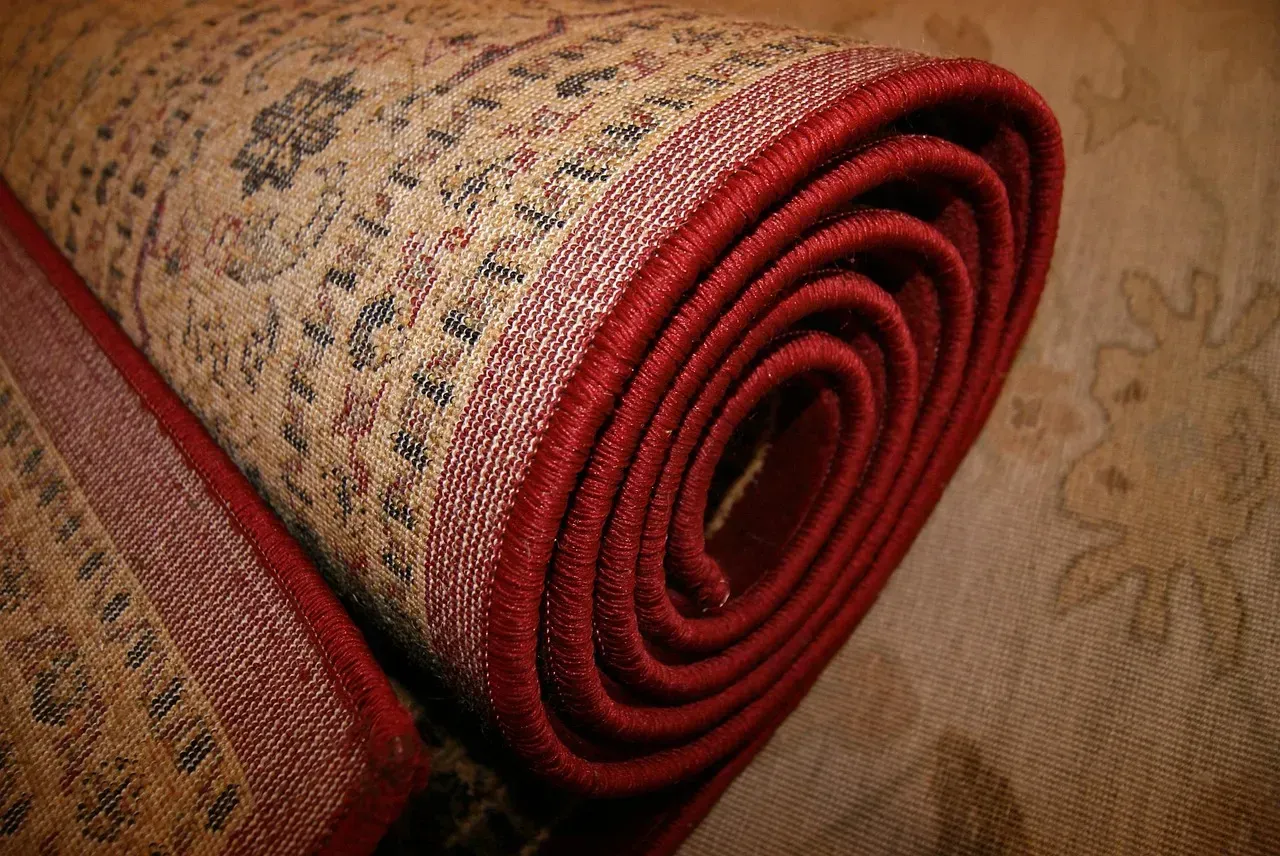
1. Beating the rugs outside (Image Credits: Pixabay)
Before vacuum cleaners became a staple in every home, rugs and carpets had to be hauled outdoors, hung over a line or fence, and beaten with a wooden or wire paddle to knock the dust out. It was noisy, dusty work, often done on a designated day when the whole neighborhood seemed to be smacking rugs at once. Kids were regularly assigned this job because it required more muscle than finesse.
The chore faded almost entirely once affordable vacuum cleaners became standard household items by the 1960s and 1970s. Wall-to-wall carpeting also began replacing area rugs in many homes, reducing the need for the ritual altogether. Few children today would even recognize a rug beater if they saw one hanging in an antique shop.
2. Emptying the ash bucket from the coal stove or furnace
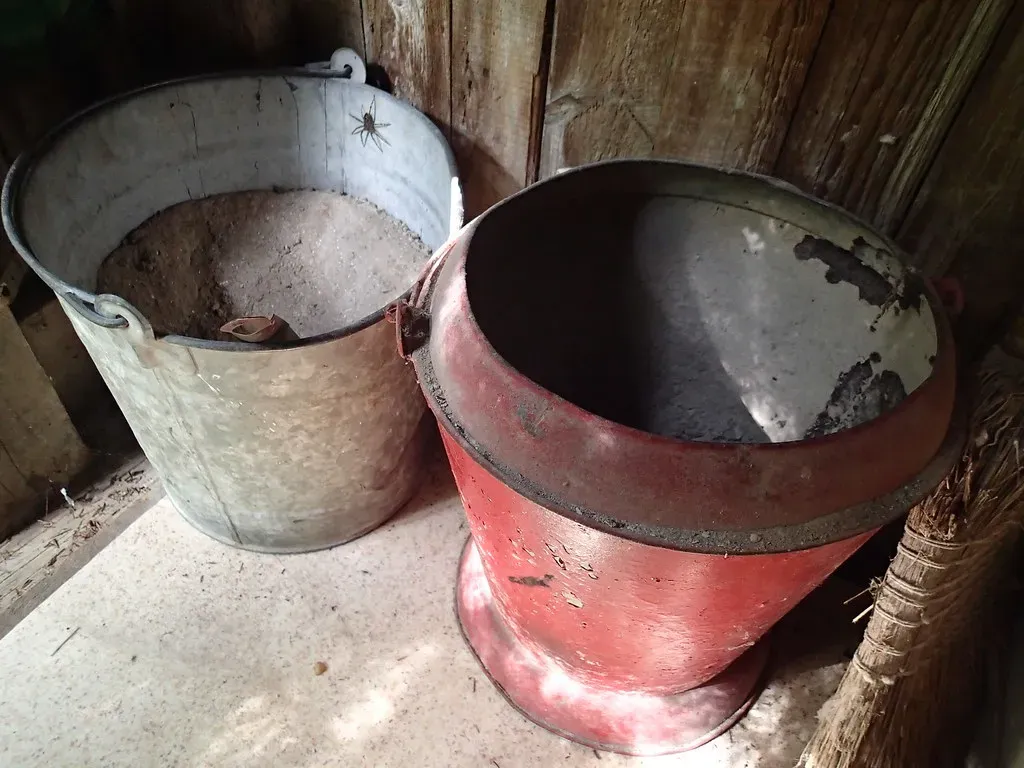
2. Emptying the ash bucket from the coal stove or furnace (Robbie1, Flickr, <a href="https://creativecommons.org/licenses/by/2.0/" target="_blank" rel="noopener">CC BY 2.0</a>)
Homes heated by coal or wood stoves produced daily piles of ash that had to be scooped out, carried outside, and dumped, often before school. This wasn’t a light task either, since ash buckets could be heavy and the job came with the constant risk of stray embers. Younger children were sometimes given the safer job of sweeping up the leftover soot once the bucket was removed.
As natural gas and electric heating spread rapidly across the United States in the postwar decades, coal stoves became far less common in everyday homes. By the time central heating systems were standard, the ash bucket chore had quietly disappeared from most households. It’s a task now almost exclusively associated with rural life or specific hobby wood stoves rather than daily routine.
3. Churning butter by hand

3. Churning butter by hand (By Joe.kacmarynski, <a href="https://commons.wikimedia.org/w/index.php?curid=32829982" target="_blank" rel="noopener">CC BY-SA 3.0</a>)
For families who kept a cow or bought raw cream, turning it into butter meant time at the butter churn, often for twenty minutes or more of steady cranking or plunging. Kids were frequently put in charge of this repetitive task since it needed patience more than skill. The reward, fresh butter on warm bread, made the arm ache feel worthwhile.
Commercial butter production and refrigerated grocery stores made home churning largely obsolete by the mid-twentieth century. Even families that once churned regularly shifted to store-bought butter as availability and affordability improved nationwide. Most kids today have never seen a butter churn outside of a living history museum demonstration.
4. Cleaning the chicken coop
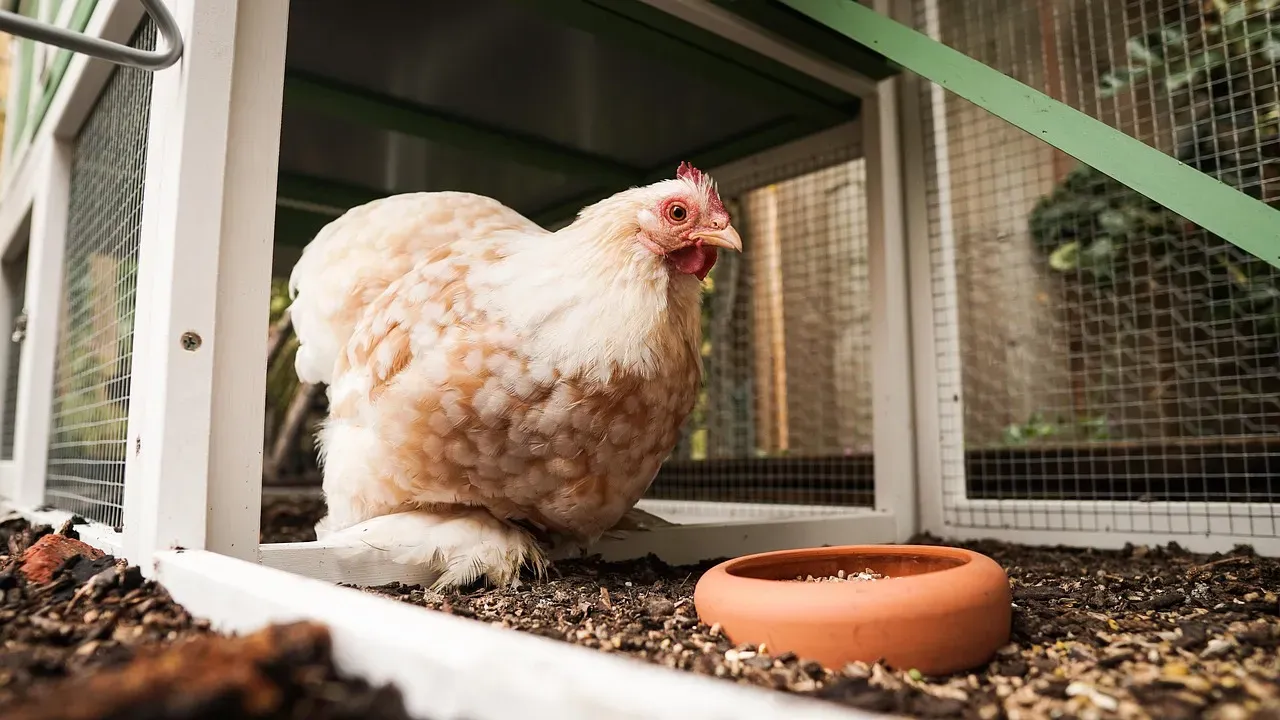
4. Cleaning the chicken coop (Image Credits: Pixabay)
Backyard chickens were common in both rural and many suburban households well into the mid-1900s, and someone had to muck out the coop regularly. This meant shoveling out old straw and droppings, replacing bedding, and dealing with the smell without complaint. It was often considered one of the less desirable chores, reserved for whichever child drew the short straw that week.
Suburban zoning changes and the rise of large-scale commercial egg production gradually pushed backyard flocks out of most American neighborhoods. While a modest backyard chicken trend has returned in recent years, it remains a hobby rather than a household necessity for the average family. Most kids growing up today simply never encounter this chore at all.
5. Ironing sheets and pillowcases
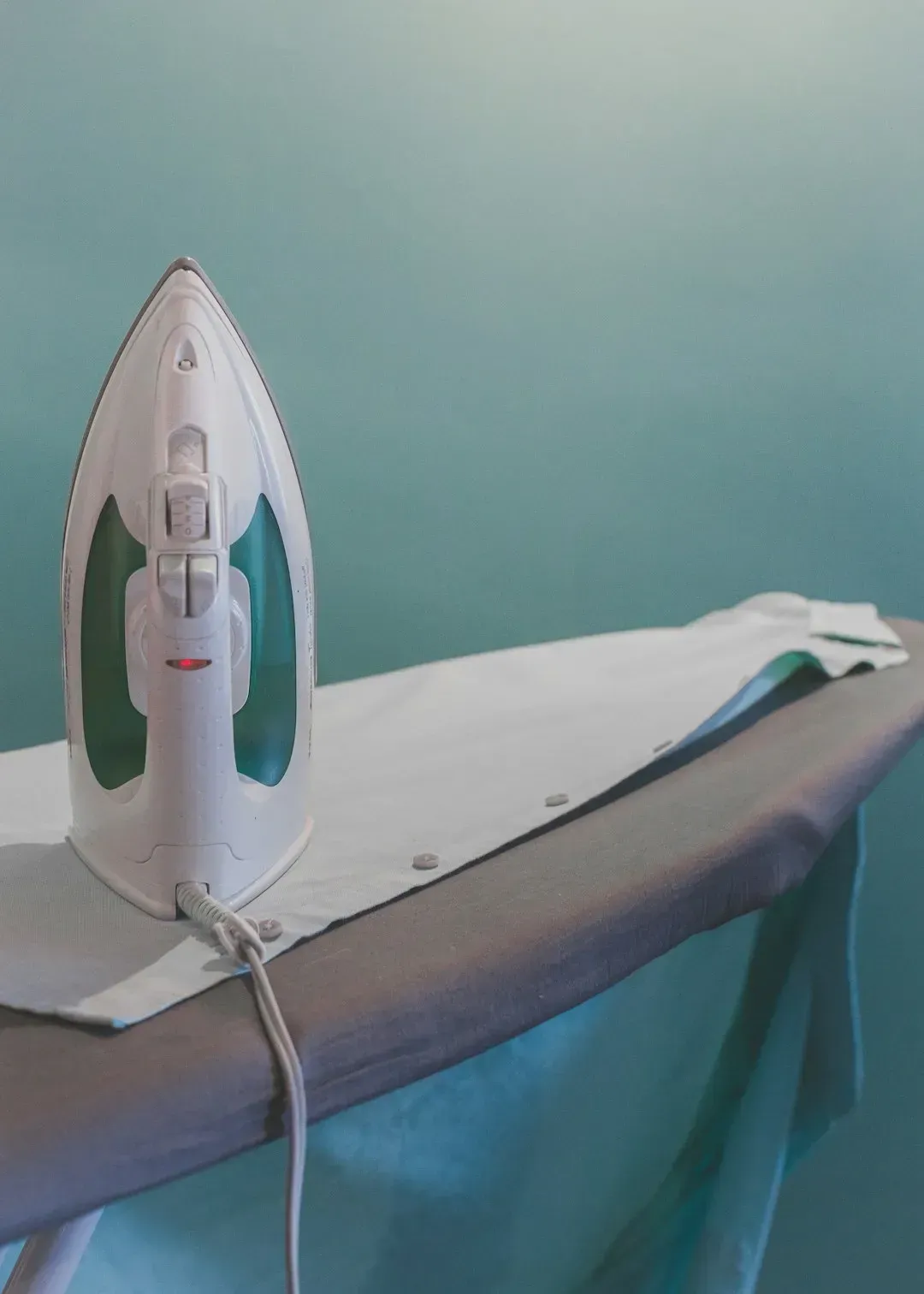
5. Ironing sheets and pillowcases (Image Credits: Unsplash)
Ironing wasn’t limited to shirts and dresses; entire sets of bed linens were pressed flat as part of a normal laundry routine. Older children, especially girls, were often taught to iron sheets and pillowcases as a basic household skill expected of them by their early teens. It was tedious, hot work, particularly before steam irons made the process a bit easier.
Wrinkle-resistant fabric blends and the decline of formal linen-pressing habits made this chore largely unnecessary by the late twentieth century. Busier households simply stopped bothering, since unironed sheets don’t actually affect comfort or cleanliness. Few parents today would think to ask a child to iron a pillowcase, let alone expect them to know how.
6. Pumping water from an outdoor well
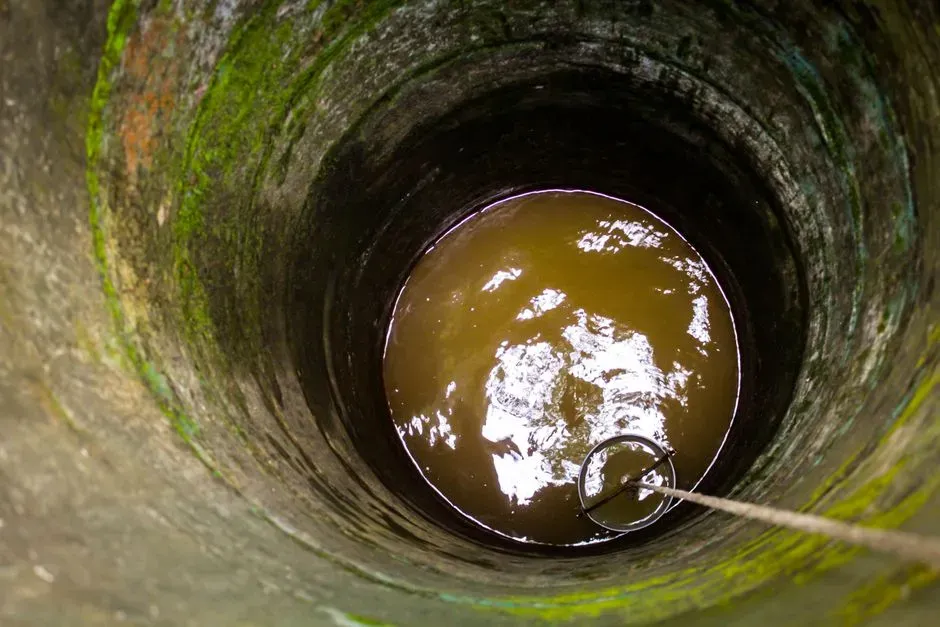
6. Pumping water from an outdoor well (Image Credits: Pexels)
In homes without indoor plumbing, which included a meaningful share of rural America well into the 1950s, someone had to pump and haul water for cooking, cleaning, and bathing. This was a physically demanding chore often given to older kids strong enough to carry filled buckets without spilling too much. It had to be repeated multiple times a day, rain or snow.
The nationwide expansion of indoor plumbing and municipal water systems steadily eliminated this need through the postwar decades. According to census records tracking housing infrastructure, indoor plumbing became nearly universal in American homes by the 1970s. A modern kid turning on a kitchen faucet has no real reference point for what daily water hauling once demanded.
7. Polishing shoes for the whole family
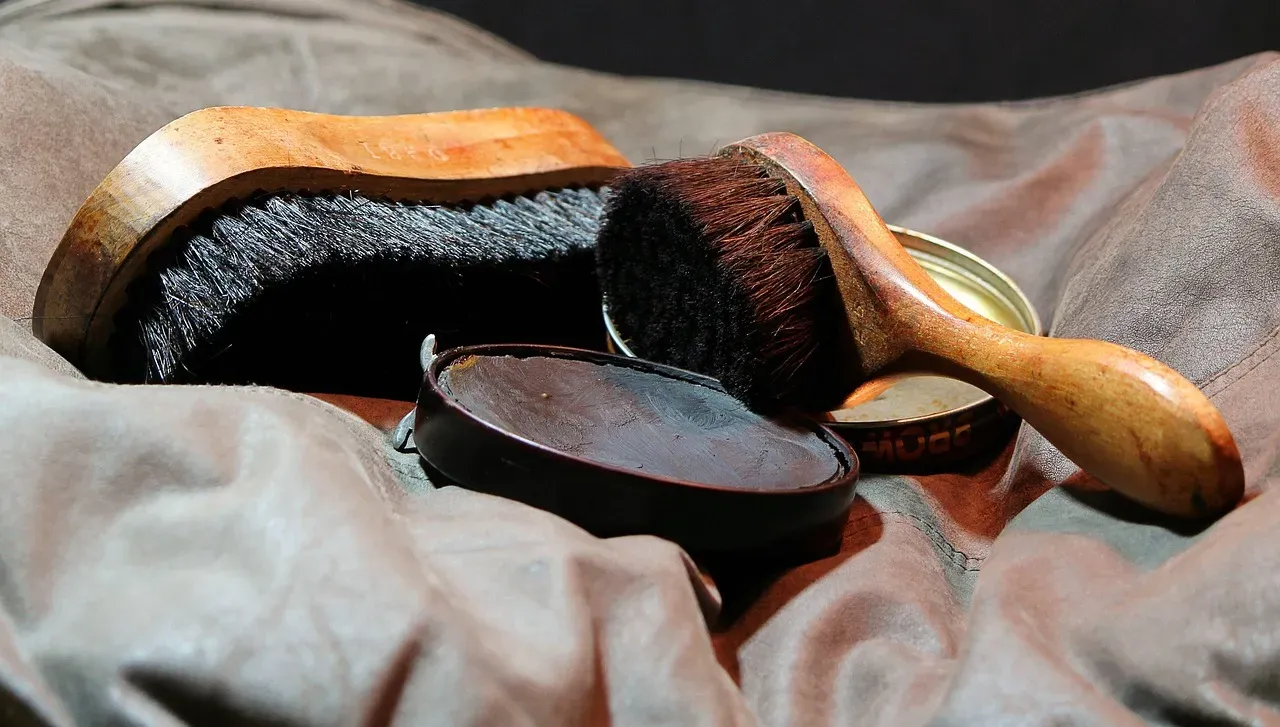
7. Polishing shoes for the whole family (Image Credits: Pixabay)
Shoe polishing was once a weekly ritual, especially before church visits or school events, and it frequently fell to the youngest capable child in the house. This meant applying polish, buffing with a brush, and lining up everyone’s shoes so they looked presentable. It taught patience and attention to detail, even if the smell of polish lingered on small hands for hours afterward.
Casual footwear trends, along with the rise of sneakers as everyday wear, reduced the practical need for regular shoe shining in most households. Formal leather shoes simply aren’t worn as often by children or even most working adults anymore. The chore survives mainly in specific professions or formal settings rather than as a routine family task.
8. Stoking and tending a wood-burning stove
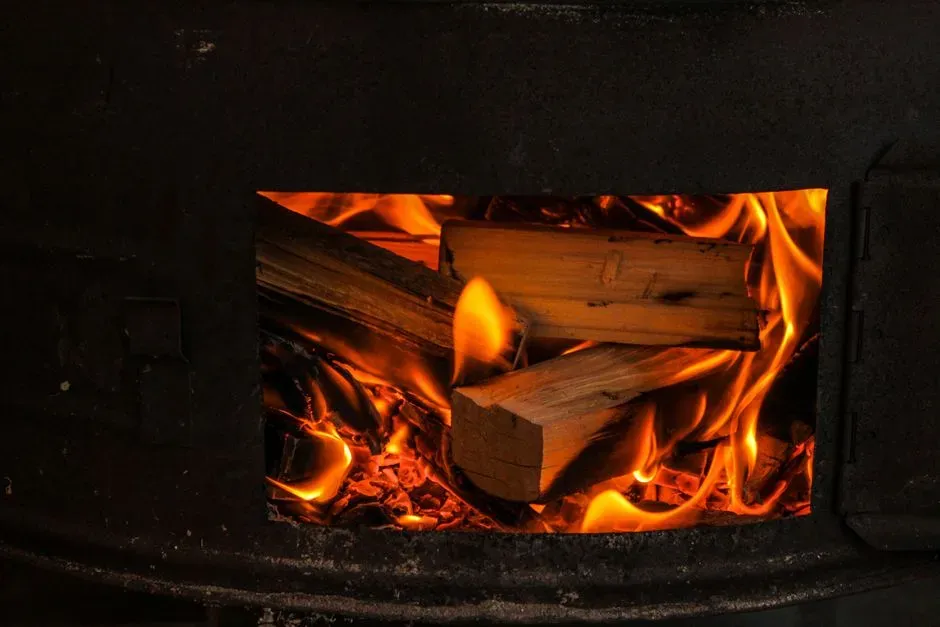
8. Stoking and tending a wood-burning stove (Image Credits: Pexels)
Beyond just removing ash, someone had to keep the fire fed throughout the day, adjusting logs and monitoring the flame so the house stayed warm without risking a chimney fire. This required a level of responsibility that meant only slightly older children were usually trusted with the job unsupervised. It also meant chopping or hauling wood beforehand, which was its own separate chore entirely.
Central heating systems powered by gas, oil, or electricity replaced wood stoves as primary heat sources across most of the country by the mid-twentieth century. The Energy Information Administration has long noted that wood heating now represents a small fraction of household heating nationwide compared to its earlier dominance. Kids today might see a wood stove at a cabin, but rarely as their home’s only heat source.
9. Darning socks and mending clothes by hand
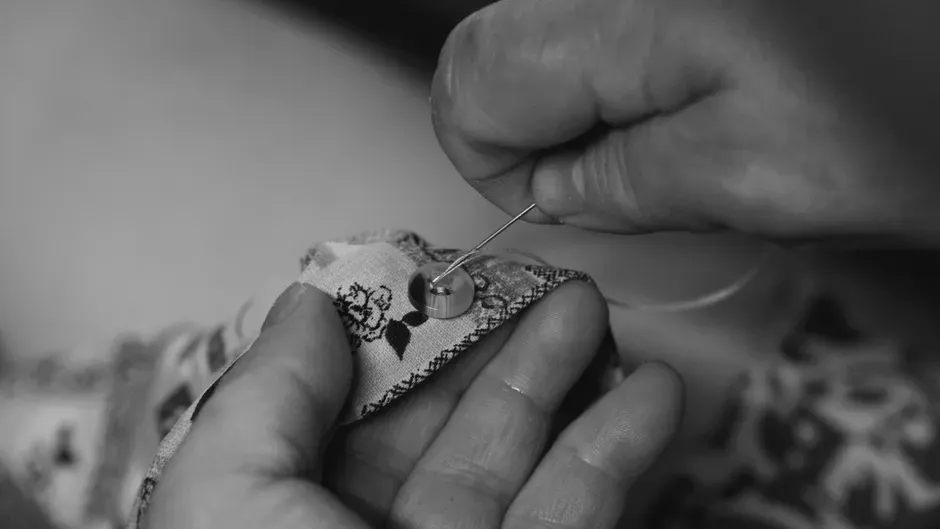
9. Darning socks and mending clothes by hand (Image Credits: Pexels)
When socks developed holes, they weren’t simply thrown away; they were darned using a needle, thread, and often a wooden darning egg to keep the shape. Children, particularly girls, were commonly taught basic mending skills by age eight or nine as part of expected household contribution. It was considered wasteful not to repair clothing that still had life left in it.
Cheaper mass-produced clothing and changing attitudes toward disposability made mending far less common by the later twentieth century. It became simpler, and often cheaper, to buy a new pair of socks than to spend twenty minutes repairing an old one. Most kids today wouldn’t recognize a darning egg or know what mending even involves.
10. Delivering messages or goods by foot or bike for the household
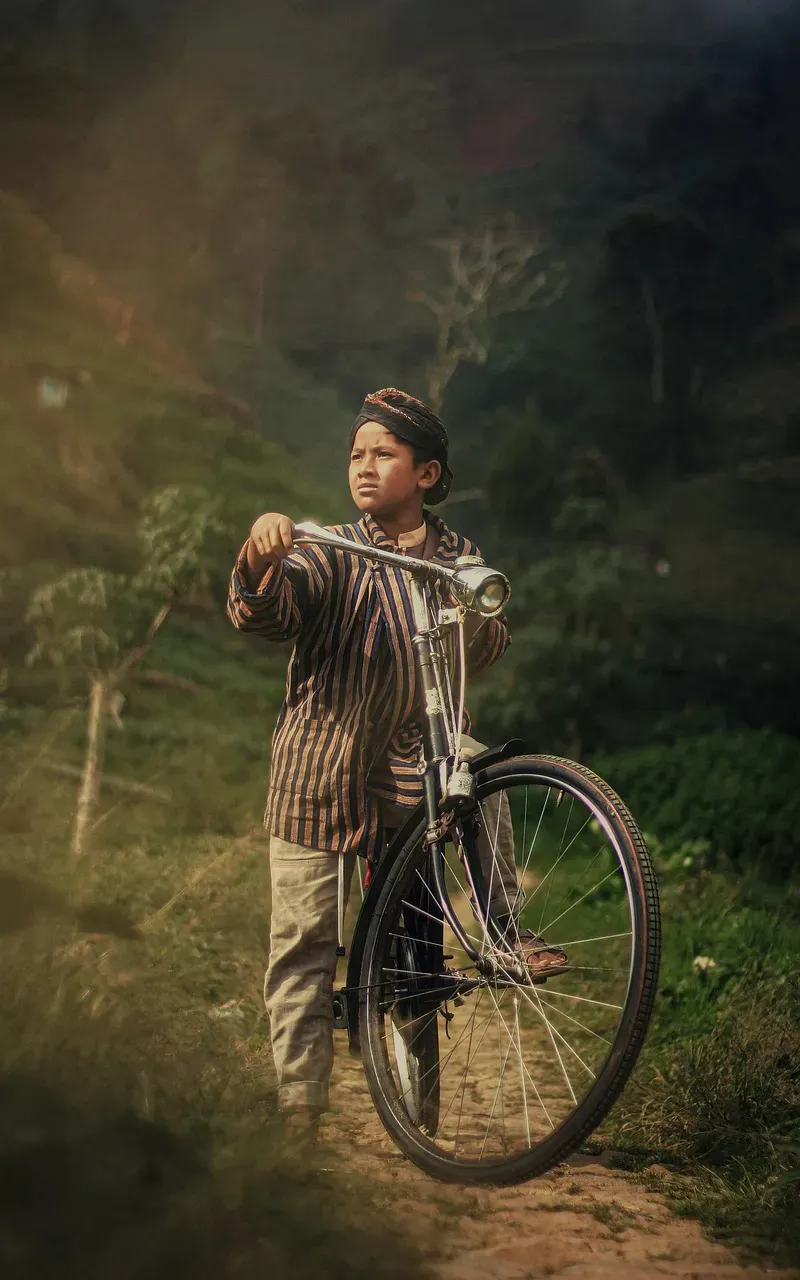
10. Delivering messages or goods by foot or bike for the household (Image Credits: Pixabay)
Before telephones were common in every home, kids often served as the family’s communication system, running notes, borrowed items, or small purchases between neighbors and local shops. This wasn’t necessarily a scheduled chore but an expected, near-constant responsibility woven into daily life. It taught independence early, since a child might be sent blocks away without a second thought.
The spread of home telephones, followed decades later by mobile phones, essentially eliminated the need for kids to physically relay information. Parents can now text a neighbor or call ahead rather than sending a child out the door. This shift also reflects broader changes in how much independent outdoor movement is considered normal for children today compared to previous generations.