
Most parents want to raise polite, resilient, well-adjusted kids, and that intention often shows up in small daily rules. Say sorry. Finish your plate. Give grandma a hug. These habits feel harmless, even helpful, but child psychologists and parenting researchers have spent years pointing out that some of these everyday demands can backfire in ways that aren’t obvious at first glance.
The list below pulls together behaviors that pediatric psychologists, family therapists, and child development specialists consistently flag as counterproductive when forced rather than encouraged. None of these are about permissive parenting or letting kids run wild. They’re about understanding the difference between guiding a child and demanding compliance in situations where compliance doesn’t actually teach the lesson parents think it does.
1. Hugging or kissing relatives they don't want to touch

1. Hugging or kissing relatives they don't want to touch (Image Credits: Pexels)
Forcing a child to hug an aunt, uncle, or family friend they’re uncomfortable with sends a quiet but powerful message: their bodily autonomy matters less than another adult’s feelings. Child safety experts have long argued that this habit can make it harder for kids to recognize and act on their own instincts around touch later in life. A child who learns to override discomfort for politeness may struggle to say no in situations that actually matter.
Experts generally suggest offering alternatives like a wave, a fist bump, or a verbal greeting instead. This isn’t about raising rude kids; it’s about letting them practice consent in low-stakes moments so the skill is there when the stakes are higher. Most relatives, when it’s explained kindly, understand the reasoning without taking offense.
2. Finishing every bite on their plate

2. Finishing every bite on their plate (This image was released by the National Cancer Institute, an agency part of the National Institutes of Health, with the ID 7484 (image) (next)., <a href="https://commons.wikimedia.org/w/index.php?curid=24032716" target="_blank" rel="noopener">Public domain</a>)
The “clean plate” rule is one of the most common food-related demands parents make, yet pediatric nutritionists have pushed back on it for decades. Forcing kids to eat past the point of fullness can interfere with their ability to recognize their own hunger and satiety cues, a skill that’s actually still developing in early childhood. Some research on eating behavior suggests this pattern in childhood is linked to disordered eating patterns later on.
Feeding specialists often recommend a “division of responsibility” approach instead, where parents decide what food is offered and kids decide how much of it they eat. It sounds like a small shift, but it changes mealtime from a battle of wills into something closer to a habit-building exercise. Kids who are trusted to listen to their bodies tend to develop steadier relationships with food over time.
3. Apologizing when they don't actually feel sorry

3. Apologizing when they don't actually feel sorry (Image Credits: Pexels)
A forced “I’m sorry” muttered through gritted teeth teaches a child how to perform an apology, not how to feel genuine remorse. Child development specialists note that young kids, especially toddlers and preschoolers, often don’t yet have the cognitive maturity to connect their actions with another person’s feelings on command. Demanding an instant apology can turn the moment into a script rather than a real emotional lesson.
A more effective approach, according to many child psychologists, is helping kids understand the impact of what they did first, then letting the apology follow naturally. That might mean talking through what happened, asking how the other child might feel, and modeling what a sincere apology sounds like. It takes longer, but it builds actual empathy instead of just rehearsed politeness.
4. Sharing toys or belongings on demand
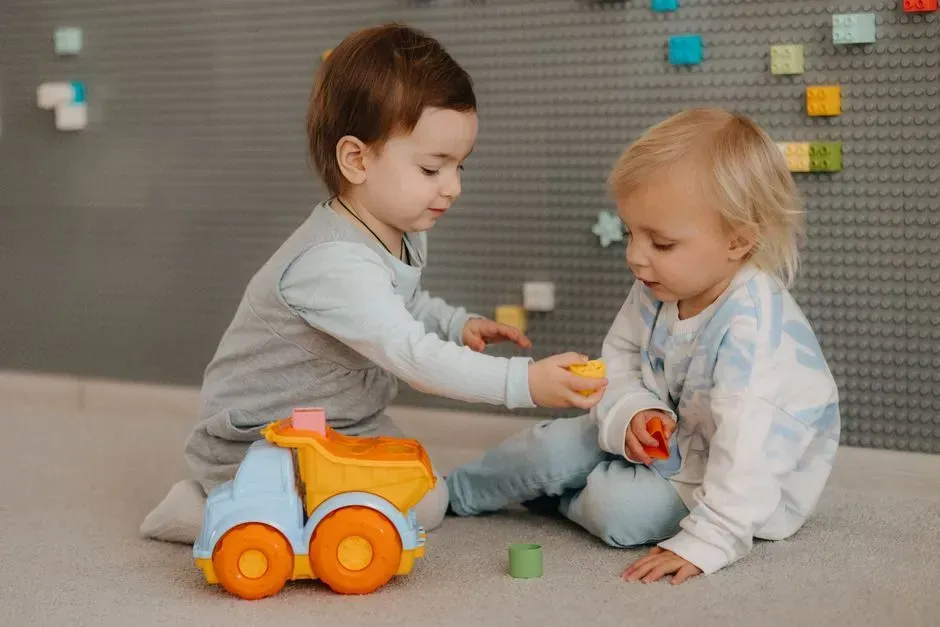
4. Sharing toys or belongings on demand (Image Credits: Pexels)
Forced sharing, especially with very young children, is another one of those habits that seems like good manners but often teaches the opposite lesson. Toddlers are still developing a sense of ownership and self, and being made to hand over a toy mid-play can feel like a genuine loss to them, not a lesson in generosity. Some early childhood specialists argue that forced sharing can actually make kids more possessive over time, not less.
A gentler strategy many experts recommend is teaching turn-taking, using timers, or letting a child finish their turn before handing an item over voluntarily. This approach still teaches cooperation, just on a timeline that respects a child’s developmental stage. Genuine generosity tends to grow out of security, not pressure.
5. Playing a sport or activity they've grown to dislike

5. Playing a sport or activity they've grown to dislike (Image Credits: Pexels)
Sports and extracurriculars are often framed as character-building, and to a point that’s true. Problems arise when a child clearly wants out and parents push them to continue anyway, whether due to sunk cost, a coach’s expectations, or a parent’s own attachment to the activity. Youth sports researchers have pointed to burnout and early dropout rates as consequences of this kind of pressure, with many kids quitting organized sports altogether by their early teen years.
Sports psychologists generally recommend checking in regularly about whether an activity still feels fun, rather than assuming a child’s early enthusiasm is permanent. There’s a difference between encouraging a child through a rough patch and forcing them to stay in something that’s become a source of dread. Letting kids have a say in their extracurricular life tends to preserve their long-term interest in staying active at all.
6. Performing for relatives or family friends on command

6. Performing for relatives or family friends on command (Image Credits: Pixabay)
“Go on, sing the song you learned” or “show grandpa the dance” might seem like harmless pride-sharing, but put a shy or self-conscious child on the spot and it can create genuine anxiety. Child psychologists note that performance anxiety in kids often traces back to these seemingly small moments of being pushed into an unwanted spotlight. Over time, some kids start associating family gatherings with dread rather than comfort.
Experts suggest letting kids offer to share something rather than demanding it, and accepting a no without visible disappointment. If a child wants to show off a new skill, they usually will, often without needing an audience cue. Respecting the “no” here models exactly the kind of boundary-setting parents hope their kids will use elsewhere.
7. Suppressing tears or "big" emotions in public

7. Suppressing tears or "big" emotions in public (Image Credits: Pexels)
Telling a crying child to “stop crying” or “calm down” in a store or restaurant is one of the most common parenting reflexes, largely because public meltdowns are embarrassing. Yet emotional development specialists consistently point out that suppressing emotional expression doesn’t teach regulation, it just teaches concealment. Kids who are repeatedly told to mask their feelings can grow into adults who struggle to identify or process emotions at all.
Instead, many child psychologists recommend naming the emotion and validating it, even while gently guiding the behavior (“I see you’re really frustrated, but we still need to use a quiet voice”). This distinction matters. It separates the feeling, which is always valid, from the behavior, which can still have limits.
8. Choosing a college major or career path chosen by a parent

8. Choosing a college major or career path chosen by a parent (Image Credits: Pexels)
This one shows up later in a child’s life but the roots are often planted early, through years of subtle or not-so-subtle pressure toward a specific profession, usually one tied to prestige, income, or family tradition. Career counselors and psychologists have written extensively about the mental health toll of pursuing a path chosen by someone else, including higher rates of burnout and lower job satisfaction. Some studies on career decision-making link parentally imposed choices to increased anxiety and regret well into adulthood.
Experts in adolescent development tend to recommend supporting exploration rather than dictating outcomes, even when a child’s interests diverge sharply from a parent’s hopes. That doesn’t mean withholding guidance entirely. It means offering perspective while ultimately treating the decision as the young adult’s own to make.
9. Eating foods they have a genuine sensory aversion to
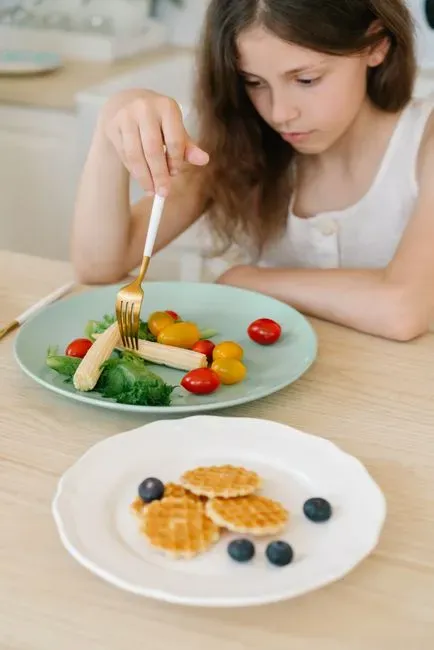
9. Eating foods they have a genuine sensory aversion to (Image Credits: Pexels)
There’s a difference between picky eating and a real sensory aversion, and many parents unintentionally treat them the same way. Occupational therapists who work with sensory processing issues note that forcing a child to eat foods that trigger a genuine gag reflex or texture aversion can create lasting negative associations with mealtime. This is especially relevant for children with sensory processing differences, including some autistic children, for whom certain textures aren’t a matter of preference but of real physical discomfort.
Feeding therapists generally recommend gradual, pressure-free exposure to new foods rather than mandates to eat them outright. Repeated, low-stakes exposure without a fight tends to work better over months than a single forced bite ever does. Patience here, though slower, produces steadier results.
10. Being physically affectionate with a parent when upset with that parent

10. Being physically affectionate with a parent when upset with that parent (Image Credits: Pexels)
Requiring a child to hug or kiss a parent goodnight even when they’re clearly angry or hurt from an earlier conflict teaches a confusing lesson about relationships. Family therapists point out that this pattern can normalize suppressing conflict rather than resolving it, training kids to paper over unresolved feelings with a physical gesture instead. It can also blur the line between affection and obligation, two things that should stay distinct.
A more constructive approach involves addressing the underlying conflict first, even briefly, before expecting any physical reconciliation. Kids don’t need to fake affection to maintain a relationship. They need to see that relationships can survive disagreement without forced displays of closeness papering over it.
11. Sleeping in a way that doesn't match their developmental needs

11. Sleeping in a way that doesn't match their developmental needs (Image Credits: Gallery Image)
Rigid sleep schedules and forced independent sleeping, pushed before a child is developmentally ready, is another area where parenting advice has shifted over the past decade. Pediatric sleep specialists increasingly emphasize that sleep readiness varies significantly by child, and forcing strict independence too early can increase nighttime anxiety rather than resolve it. Some children genuinely need more gradual transitions, whether that’s away from co-sleeping or toward a later bedtime that matches their natural rhythm.
Rather than applying a one-size-fits-all sleep rule, many pediatric experts recommend observing a child’s individual cues and adjusting routines accordingly. Flexibility here isn’t the same as having no structure at all. It just means the structure bends around the child instead of the other way around.
Across all eleven of these situations, the underlying theme is remarkably consistent. Forcing compliance in the short term often undermines the very skill parents are trying to teach, whether that’s empathy, self-regulation, body awareness, or independence. Most of these experts aren’t arguing for permissiveness; they’re arguing for patience, timing, and letting kids arrive at these behaviors through understanding rather than pressure.