
Parenting advice has a strange way of outliving its usefulness. Rules that once felt like common sense, passed down from grandparents or picked up from decades-old parenting books, are now being reexamined by psychologists who study how children actually develop. Some of these old standbys aren't harmful in every case, but researchers say the reasoning behind them often doesn't hold up the way people assume.
What follows is a look at nine parenting habits that once seemed like solid ground rules, along with an honest look at why child development experts are urging families to rethink them.
1. "Because I said so"
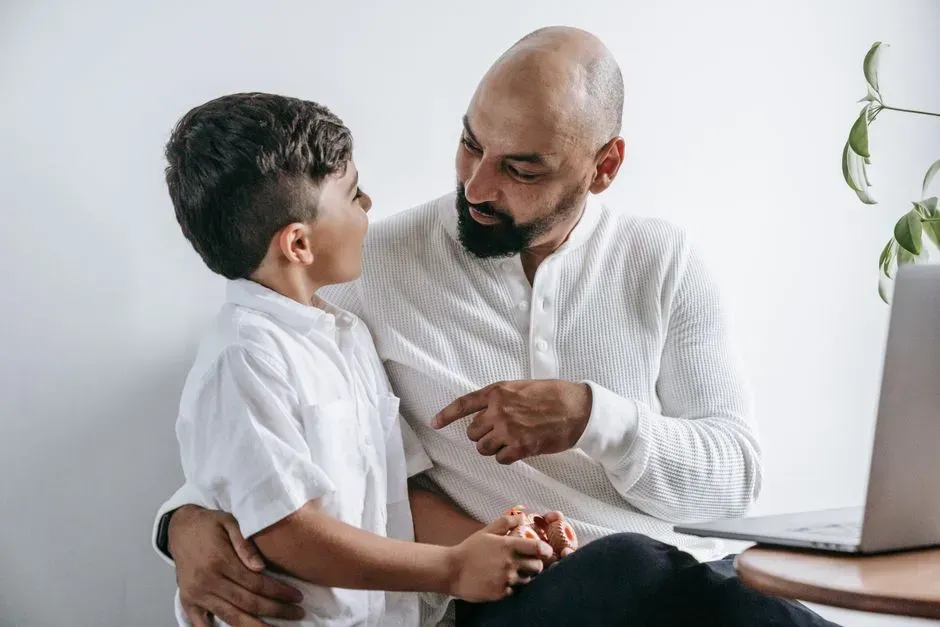
1. "Because I said so" (Image Credits: Pexels)
This phrase has survived generations, mostly because it’s quick and it works in the moment. The trouble is that it teaches obedience without understanding, and child psychologists say that gap matters more than parents realize. Experts note that it “ends the conversation without helping children understand the reasoning behind expectations.”
Psychologists point out that parenting, like medicine, has evolved with new evidence, and older methods weren’t necessarily wrong for their time. One psychologist notes that parenting evolves the way medicine does, and “we don’t criticize physicians for practicing according to the evidence available decades ago.” The suggested fix isn’t complicated: briefly explaining the reason behind a rule, even a simple one, tends to build more lasting cooperation than a flat refusal to explain anything.
2. "Children should be seen and not heard"
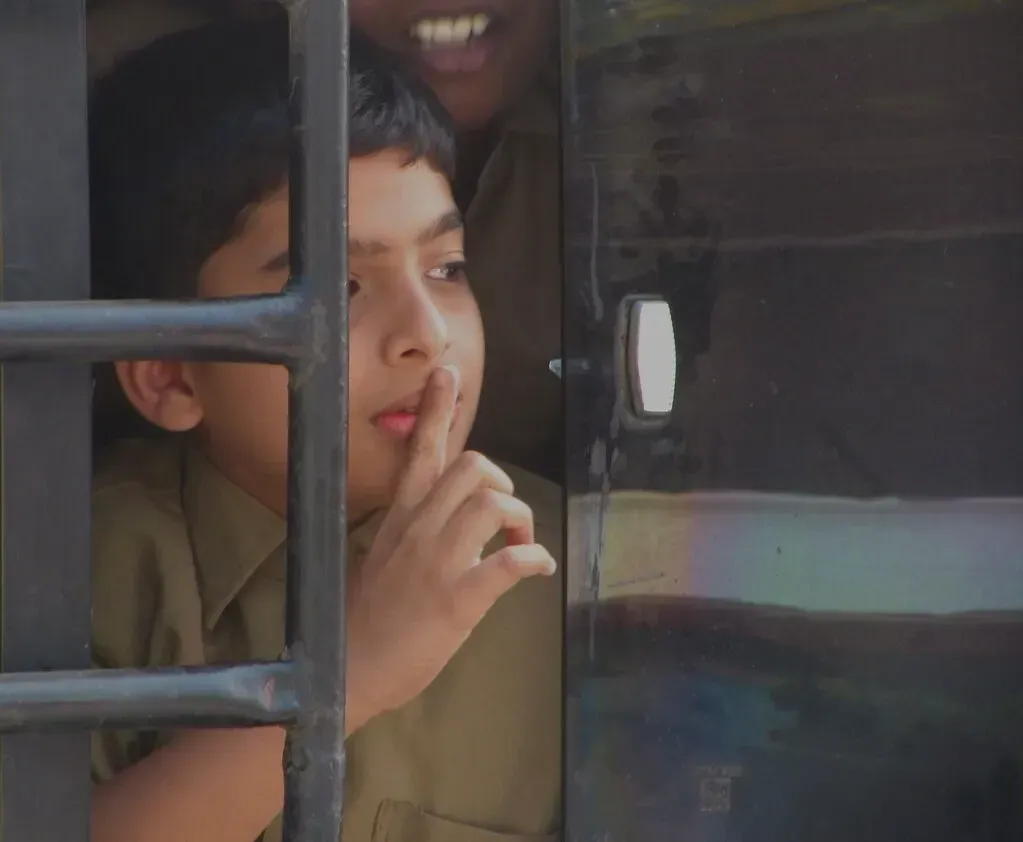
2. "Children should be seen and not heard" (Trilok R, Flickr, <a href="https://creativecommons.org/licenses/by/2.0/" target="_blank" rel="noopener">CC BY 2.0</a>)
Few parenting phrases have aged worse than this one. It was designed to keep kids quiet and compliant in adult spaces, but psychologists say it sends a damaging message about whose feelings count. Three psychologists agree this idea tops the list of worst parenting trends, saying it leads to emotional invalidation in childhood and discourages communication.
The long-term effects show up later in life, not in childhood itself. According to the same experts, this pattern can produce “adults who struggle with self-advocacy and confidence.” Encouraging kids to voice frustration, confusion, or disagreement, even when it’s inconvenient, is now viewed as a basic building block of emotional development rather than a discipline problem.
3. Forcing kids to finish every bite on their plate
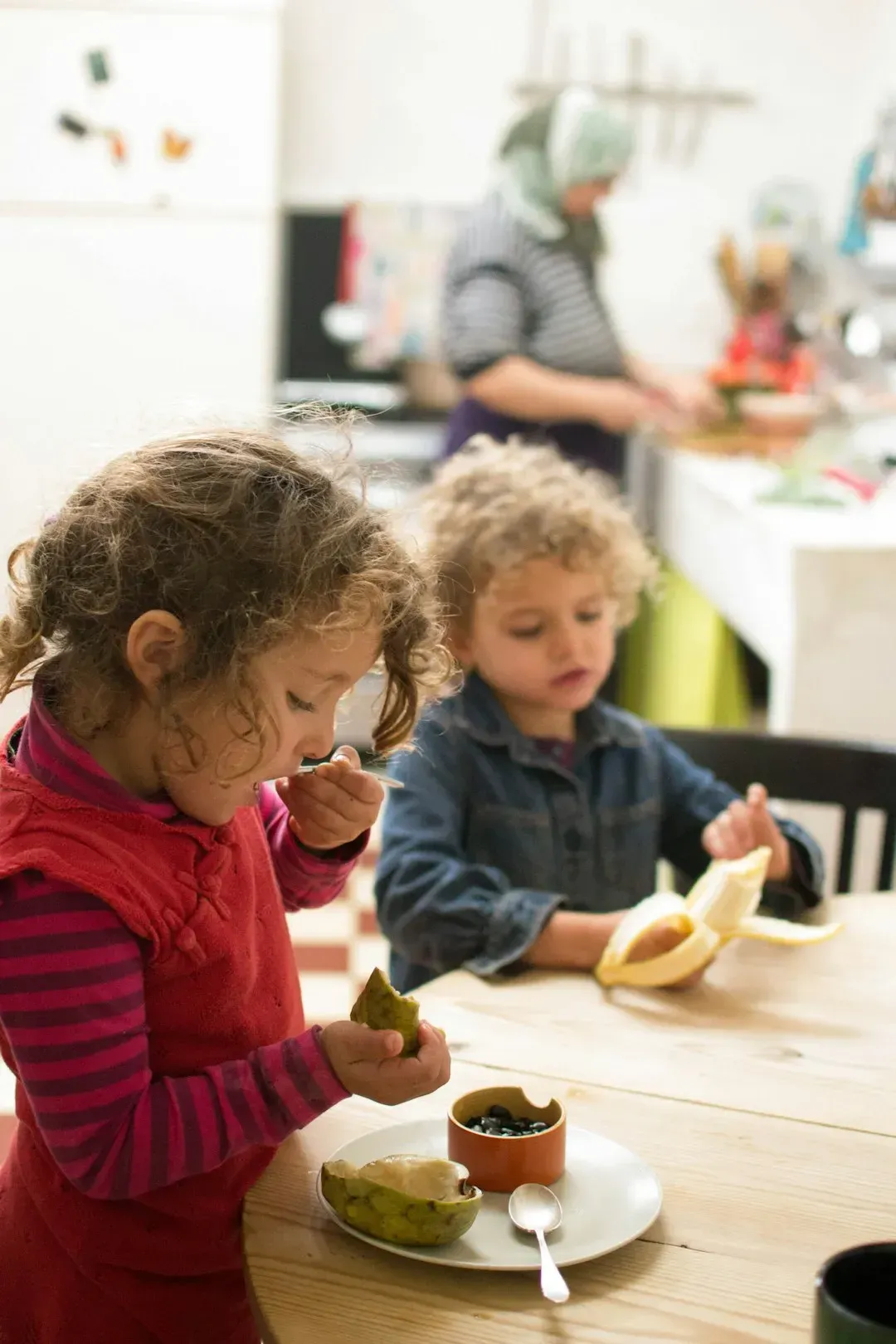
3. Forcing kids to finish every bite on their plate (Image Credits: Unsplash)
The clean-plate rule was common in households where food waste felt unacceptable, and in many ways that instinct made sense at the time. Pediatric nutrition specialists have shifted their thinking, though, arguing that forcing kids to eat past the point of fullness overrides a child’s natural hunger cues. Over time, this can make it harder for children to recognize when they’re actually satisfied.
Instead of insisting on an empty plate, many child development experts now recommend letting kids serve themselves smaller portions and offering seconds if they’re still hungry. It’s a small shift, but it puts the child back in charge of their own appetite signals rather than training them to eat according to an external rule.
4. Spanking as a default discipline tool

4. Spanking as a default discipline tool (Image Credits: Pexels)
Physical punishment was once treated as a normal, even necessary, part of raising well behaved kids. That view has shifted substantially among child psychologists, who now generally steer families toward discipline methods that teach rather than punish. Authoritative parenting, which combines clear expectations with warmth, is the style researchers consistently point to as producing the healthiest outcomes.
Approaches high on rules and low on warmth aim mainly for obedience, and questioning the rules isn’t allowed. The concern isn’t just about the moment of punishment itself, but what it teaches a child about conflict, fear, and trust in the long run. Many experts now frame discipline as something meant to build a child’s internal sense of right and wrong, not just enforce short-term compliance.
5. Telling kids to stop crying or "toughen up"

5. Telling kids to stop crying or "toughen up" (Image Credits: Unsplash)
Phrases like “stop crying” or “boys don’t cry” were once seen as ways to build resilience. Child psychologists now describe this as emotional suppression rather than strength training, and they warn it can backfire in ways that aren’t obvious until adulthood. Kids who are consistently told to hide sadness or frustration often struggle later to identify or express what they’re feeling at all.
The alternative experts recommend isn’t permissiveness, it’s acknowledgment. Naming a feeling out loud, then helping a child work through it, tends to build the kind of emotional regulation that toughness talk was supposedly meant to create in the first place. It takes more patience in the moment, but the payoff shows up later in how kids handle stress on their own.
6. Snowplow parenting: clearing every obstacle
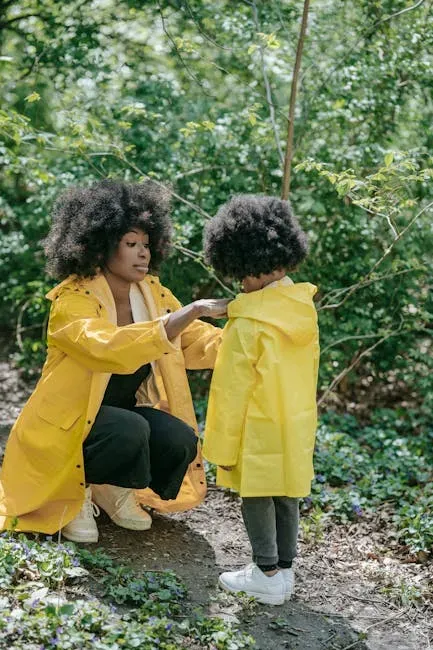
6. Snowplow parenting: clearing every obstacle (Image Credits: Pexels)
This one is newer than the others, but experts already consider it outdated advice in practice. One psychologist compares this style to a snowplow in a storm, removing obstacles in a child’s path before they can encounter them, including fixing friendship conflicts or preventing kids from facing natural consequences. It comes from a good place, wanting to spare kids pain, but the effect can undercut a child’s confidence in their own abilities.
As one expert puts it, “some children start doubting their own ability to handle hard things because adults are always clearing the path for them.” Letting kids stumble through smaller problems on their own, with support nearby but not constant intervention, is now seen as a more reliable way to build resilience than smoothing every path in advance.
7. Extreme "never say no" gentle parenting

7. Extreme "never say no" gentle parenting (Image Credits: Unsplash)
Gentle parenting became widely popular for good reason, emphasizing empathy over punishment. But a version of it drifted into something experts now flag as a problem: parents avoiding boundaries altogether out of fear of upsetting their child. This turned into a version of gentle parenting that sometimes became zero boundaries, and parents are done feeling bad for having rules.
The correction taking hold among families and experts alike blends empathy with actual limits. The current approach favored by many psychologists pairs statements like “I get how you feel” with “here’s the limit,” and yes, parents can still say no. The idea is that warmth and structure aren’t opposites, they work best together.
8. Rigid, one-size-fits-all screen time bans
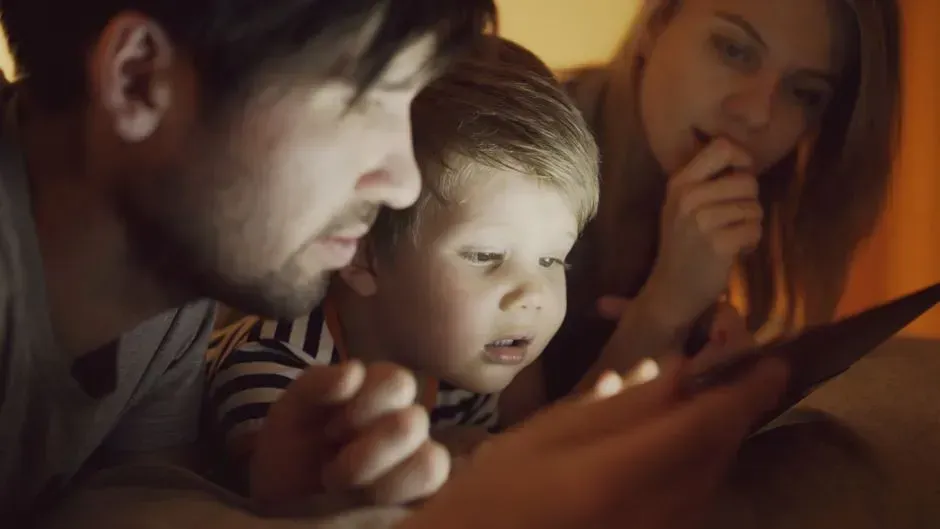
8. Rigid, one-size-fits-all screen time bans (Image Credits: Pexels)
For years, the standard advice was simply to minimize screen time as much as possible, full stop. That blanket approach is being replaced by something more nuanced, focused on intentional use rather than strict avoidance. Experts now frame the goal as using tech to take things off a parent’s plate, not to replace the relationship with the child.
This doesn’t mean screens get a free pass. Many schools have moved toward phone restrictions during the day, and some families are delaying smartphones until high school, reflecting real concern about social media’s effect on kids. The shift experts describe isn’t toward more screens or fewer, it’s toward more thoughtful boundaries that fit a specific family rather than a universal rule applied without context.
9. Overscheduling kids with constant structured activities
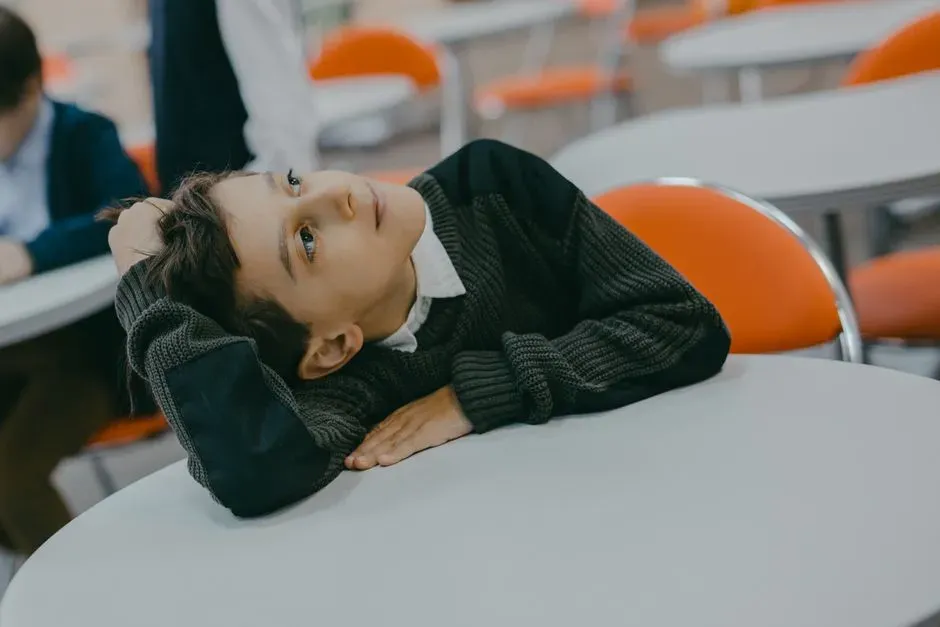
9. Overscheduling kids with constant structured activities (Image Credits: Pexels)
Packing a child’s week with lessons, practices, and enrichment programs was long treated as a sign of good parenting. That assumption is losing ground, with many families and child development voices now questioning whether constant structure actually helps kids thrive. Every-night-of-the-week activities are losing their appeal, and families are dropping “just one thing” so everyone can breathe.
In place of packed calendars, unstructured play is getting renewed attention from people who study childhood development. This looks like boredom, backyard play, board games, crafts, and park days, with fewer pricey classes and more unstructured time. The reasoning is straightforward: kids need open, unplanned time to develop independence, creativity, and the ability to entertain themselves, none of which fits neatly into a structured lesson plan.
None of this means the parents who followed these older rules did anything wrong. Advice changes as research deepens, and most of these rules made sense within the context they came from. The families paying closest attention now are the ones treating parenting guidance as something to keep updating, rather than a fixed set of instructions passed down without question.