
There’s a certain kind of wealth that doesn’t announce itself. No logos, no flash, just a series of small, deliberate choices that add up over a lifetime. Old money spending habits tend to favor quality and quiet consistency over trend chasing, and once you start noticing the pattern, it shows up in the most ordinary corners of daily life.
None of these purchases scream money. That’s sort of the point. They’re the kind of things you’d only clock if you already knew what you were looking for.
1. Plain leather goods with no visible branding
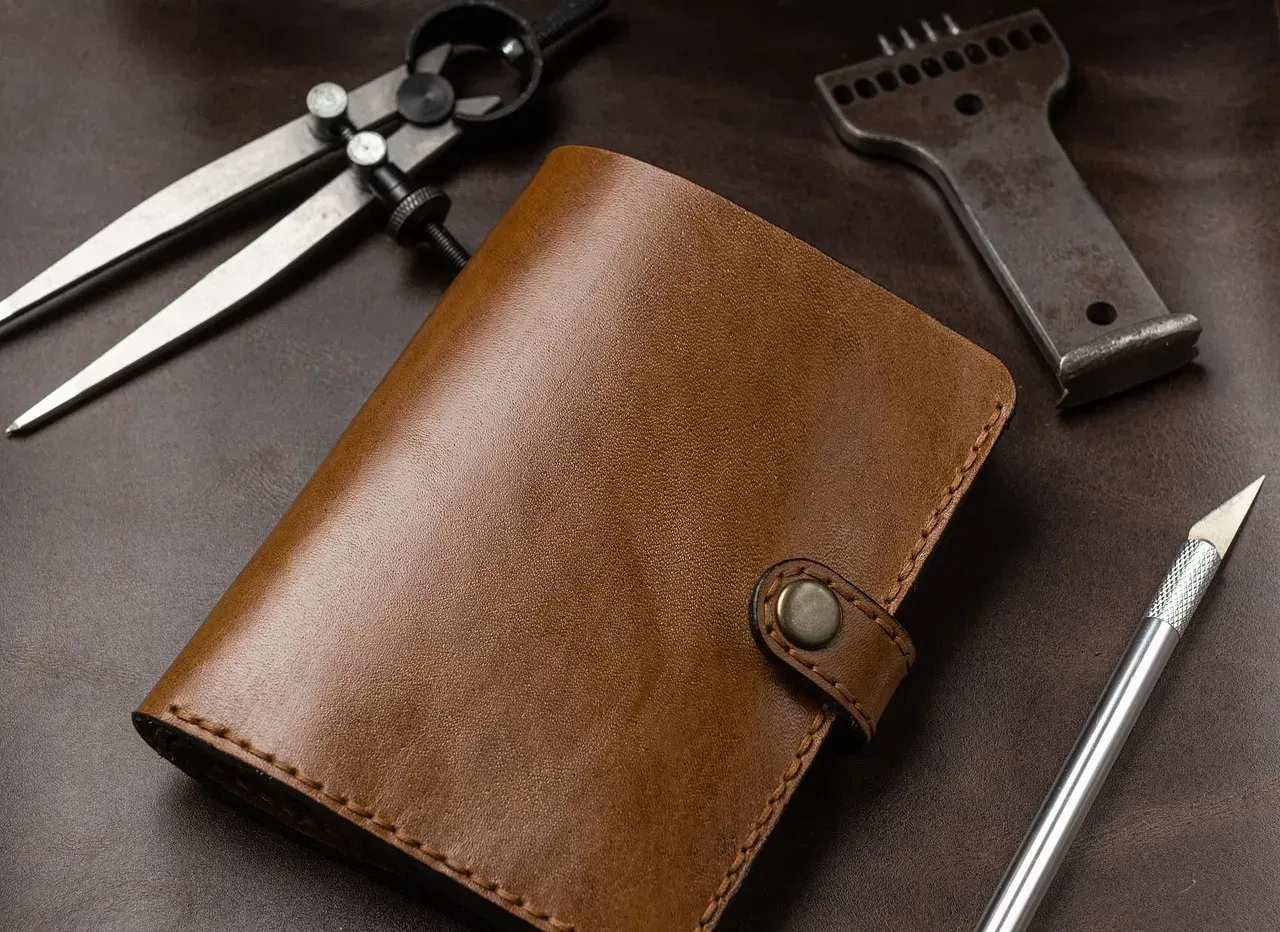
1. Plain leather goods with no visible branding (Image Credits: Pixabay)
Walk into any old-money household and you’ll likely find a wallet, briefcase, or handbag that looks almost aggressively unremarkable at first glance. No monogram, no hardware logo, just good leather that’s been broken in over years, sometimes decades. The absence of branding is intentional. Quality speaks for itself, and people who grew up around real money often view visible logos as something closer to advertising than style.
This preference traces back to a broader old-money philosophy of buying once and buying well. A well-made leather bag can outlast several trend cycles, which means the purchase itself becomes almost invisible over time since it’s rarely replaced. It’s a quiet rejection of the idea that spending power needs to be legible to strangers.
2. Classic, unbranded cashmere sweaters

2. Classic, unbranded cashmere sweaters (Image Credits: Unsplash)
Cashmere sweaters in muted colors like navy, camel, or oatmeal show up again and again in old-money wardrobes, and they’re almost never covered in visible labels. The fabric itself is the signal. Cashmere requires no styling to look expensive because the drape and softness do the work on their own.
What’s notable is the consistency of the choice rather than any single dramatic purchase. Someone might own the same style of sweater in five or six colors, replacing them only when moths or years finally win. There’s no urgency to update the look each season, which is itself a marker of financial security rather than financial display.
3. High-quality stationery and correspondence cards
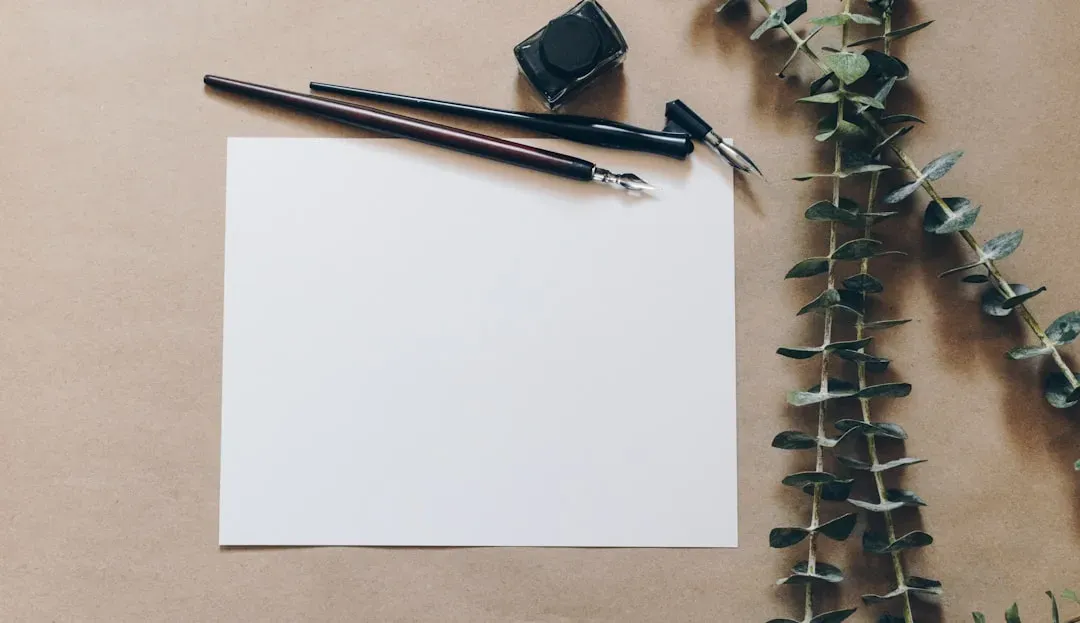
3. High-quality stationery and correspondence cards (Image Credits: Unsplash)
Handwritten notes on thick, cotton-based stationery remain a surprisingly persistent habit among old-money families, even in an era dominated by texting and email. Thank-you notes, condolence cards, and simple correspondence are still often written by hand on paper that costs more per sheet than most people would think to spend. The paper stock alone can carry a quiet weight, something that’s hard to replicate digitally.
This isn’t about nostalgia so much as habit passed down through generations. Etiquette around handwritten correspondence was historically tied to formal upbringing, and that tradition has simply continued in households where it was never interrupted. The purchase is small in dollar terms but consistent in a way that reveals routine rather than performance.
4. Well-tailored, understated outerwear
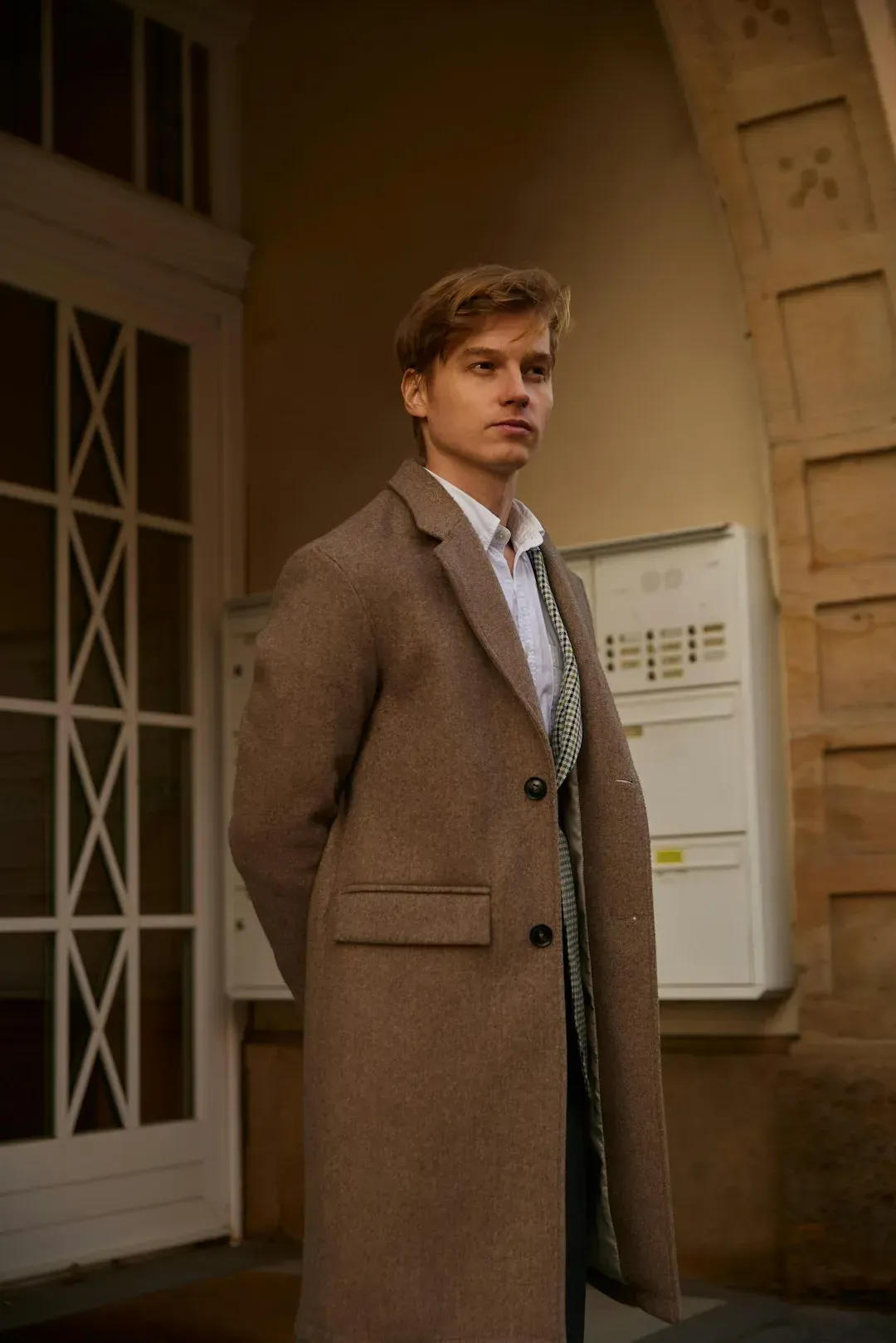
4. Well-tailored, understated outerwear (Image Credits: Unsplash)
A simple wool overcoat or a trench in navy, camel, or black is a recurring theme in old-money wardrobes, often worn for ten or twenty years without replacement. The cut matters more than the label, and tailoring is frequently done locally rather than buying off the rack in a size that’s merely close enough. This attention to fit, rather than flash, is one of the clearer tells of generational wealth versus newer money.
There’s also a practical logic at play. A properly made coat in a neutral color pairs with nearly everything, which removes the need for a large wardrobe rotation. Buying fewer, better pieces and wearing them for years is a habit that tends to be inherited rather than learned from a styling guide.
5. Real houseplants and fresh flowers, not artificial ones
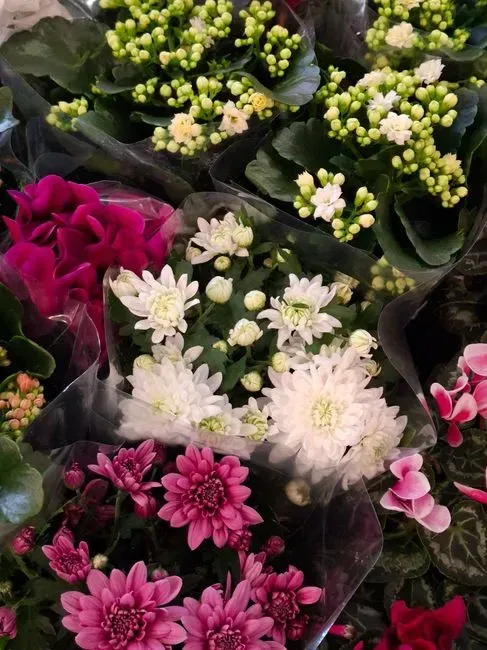
5. Real houseplants and fresh flowers, not artificial ones (Image Credits: Pexels)
Fresh flowers delivered weekly, or a home filled with mature, well-tended houseplants, is a small but telling detail in old-money interiors. It’s a recurring cost rather than a one-time purchase, which is part of what makes it a subtle signal. Anyone can buy an expensive vase once, but keeping it filled with fresh arrangements every week for years reflects an ongoing, almost unconscious budget line.
Houseplants that have clearly been alive and cared for over many years, sometimes inherited from a parent’s home, tell a similar story. They suggest a household that has stayed in one place, with routines that don’t get disrupted by moving or financial strain. Longevity, in plants as in furniture, ends up being its own kind of quiet flex.
6. Simple, well-made luggage
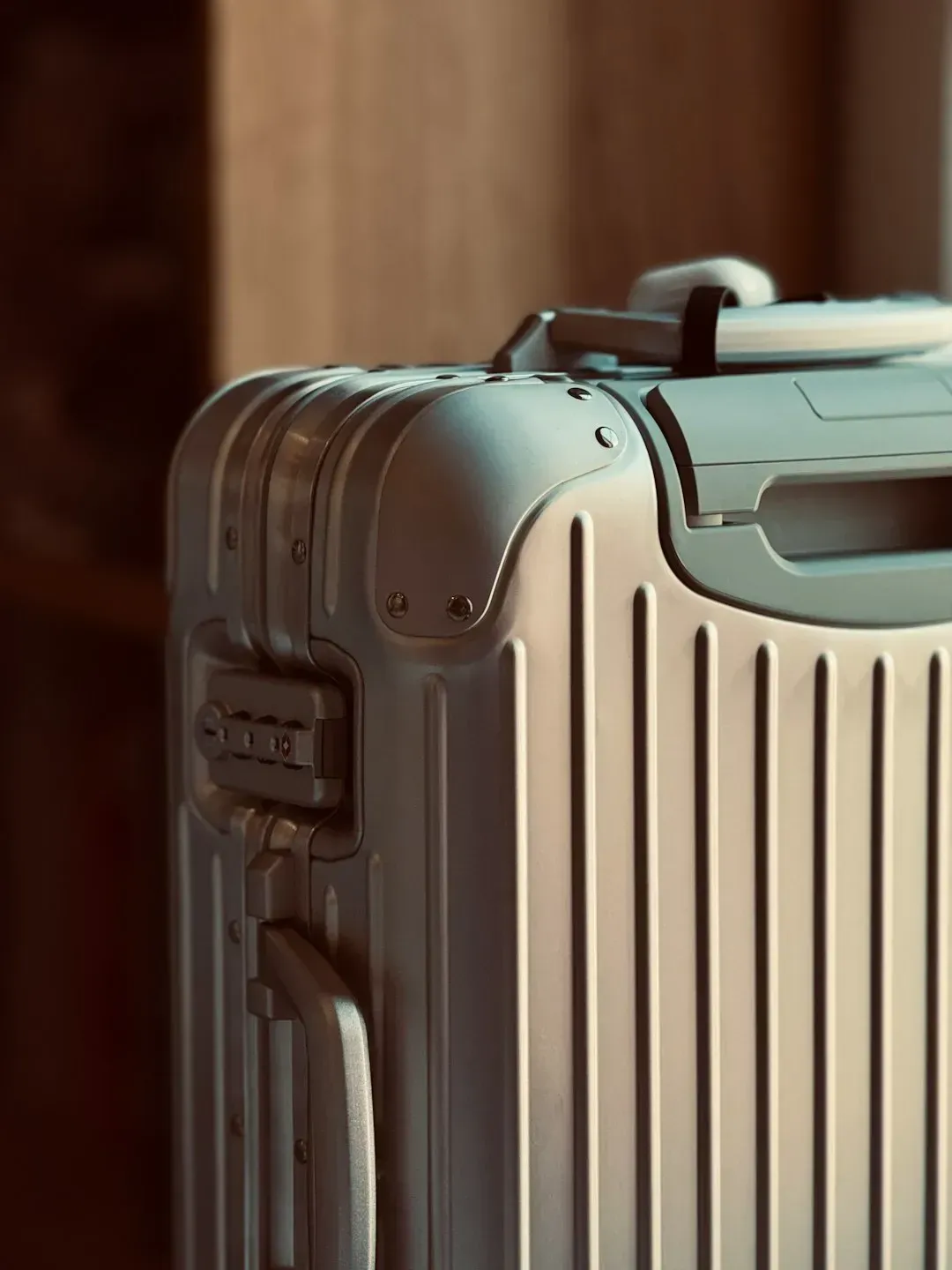
6. Simple, well-made luggage (Image Credits: Unsplash)
Old, slightly worn leather or canvas suitcases, sometimes with faded stickers from long-past trips, are a common sight among families with generational wealth. The luggage isn’t replaced every time a trend shifts because it doesn’t need to be. A bag that has survived twenty years of travel says more about stability than a brand-new one ever could.
There’s also a practical dimension here worth noting. Investing once in durable luggage avoids the repeated cost of replacing cheaper bags that wear out after a few trips. It’s a purchase pattern built around durability rather than novelty, and it tends to show up in people who never had to think twice about travel as a financial stretch.
7. Quiet, high-quality basics over designer logos
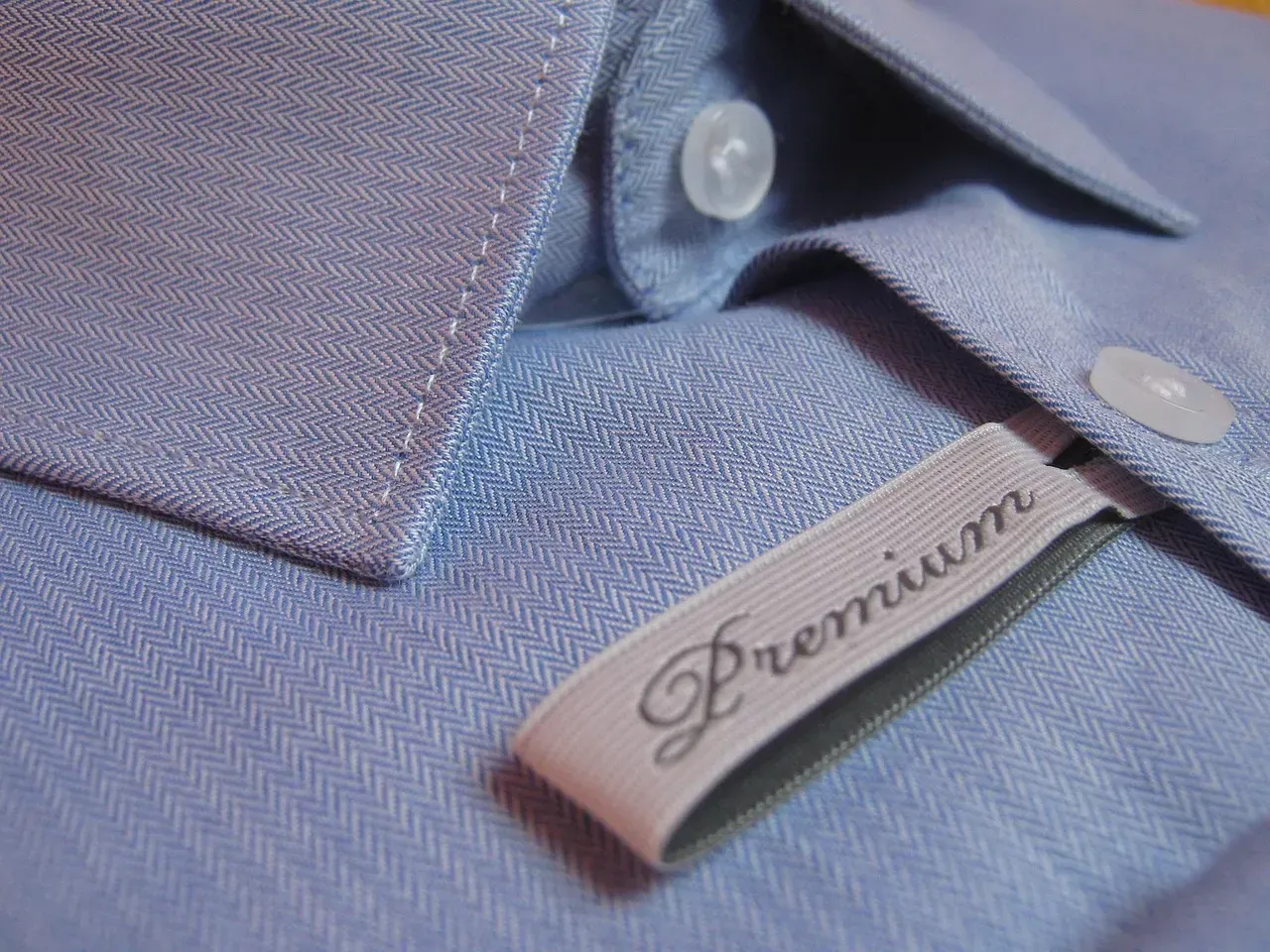
7. Quiet, high-quality basics over designer logos (Image Credits: Pixabay)
A plain white cotton shirt, a well-cut pair of trousers, or simple leather shoes without a visible brand mark are staples in old-money closets, often costing more per item than flashier alternatives despite looking far less obviously expensive. Fabric weight, stitching, and fit are where the money actually goes, not the exterior branding. This is sometimes described as quiet luxury, though the habit itself predates the term by generations.
The logic is straightforward once you see it. Spending on construction and material rather than visible labels means the clothing lasts longer and looks appropriate in more settings, from a casual lunch to a formal dinner. It’s a wardrobe built for consistency across decades, not for signaling status to anyone scrolling past.
Taken together, these habits share a common thread: durability, restraint, and a comfort with not needing to prove anything through spending. None of them require a large income on their own, but the consistency behind them, buying less but better, repeating the same quiet choices year after year, is what tends to separate old money from newer wealth trying to look the part.